











Choosing the right heating, ventilation, and air conditioning (HVAC) system for your home is crucial, especially in Marin and Sonoma counties where the climate can greatly vary. As experts in HVAC systems, we understand the unique needs of homeowners in these areas, from the cool, foggy mornings to the warmer, sunlit afternoons. With our extensive experience, we are here to guide you through the process of selecting the perfect HVAC system that not only meets your home’s specifications but also enhances your living comfort.
Every home is different, and so are the heating and cooling needs. Whether you’re installing an HVAC system for the first time or thinking about replacing your old unit with a more energy-efficient model, it’s important to make an informed decision. We’ll help you understand the various types of HVAC systems available and discuss how to choose the best one based on the specifics of your home’s layout and your personal comfort preferences. Our goal is to provide you with all the necessary information to ensure your HVAC system operates efficiently, keeps your energy costs down, and maintains a comfortable home environment year-round.
Understanding HVAC System Types
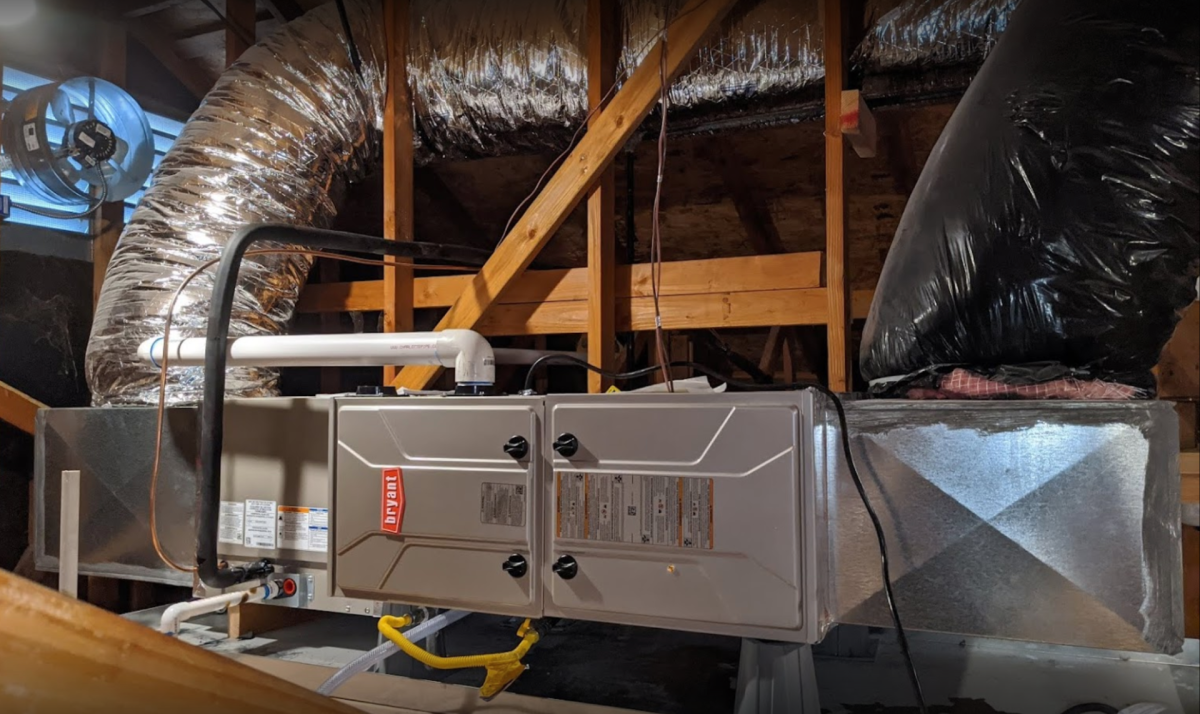
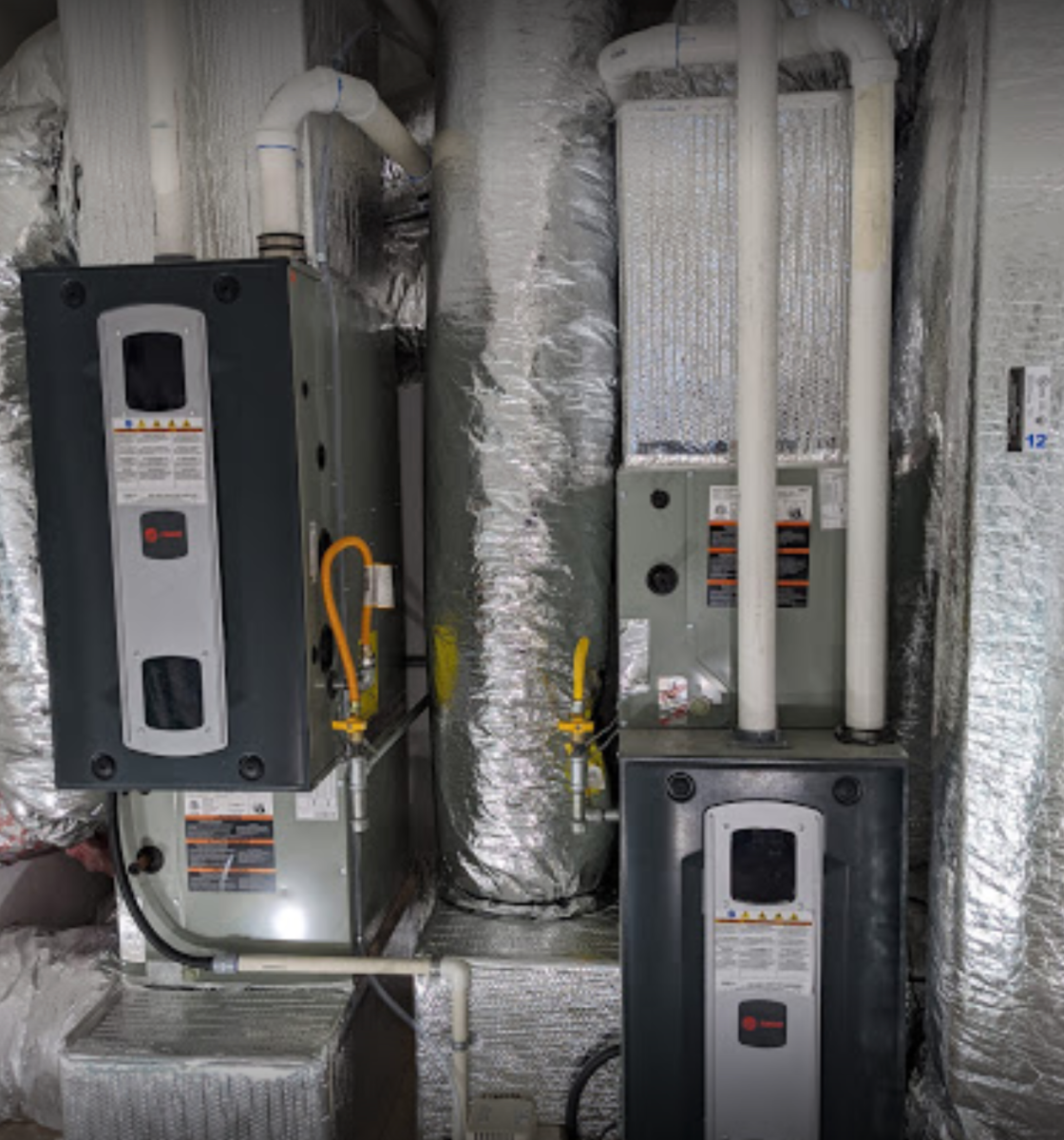
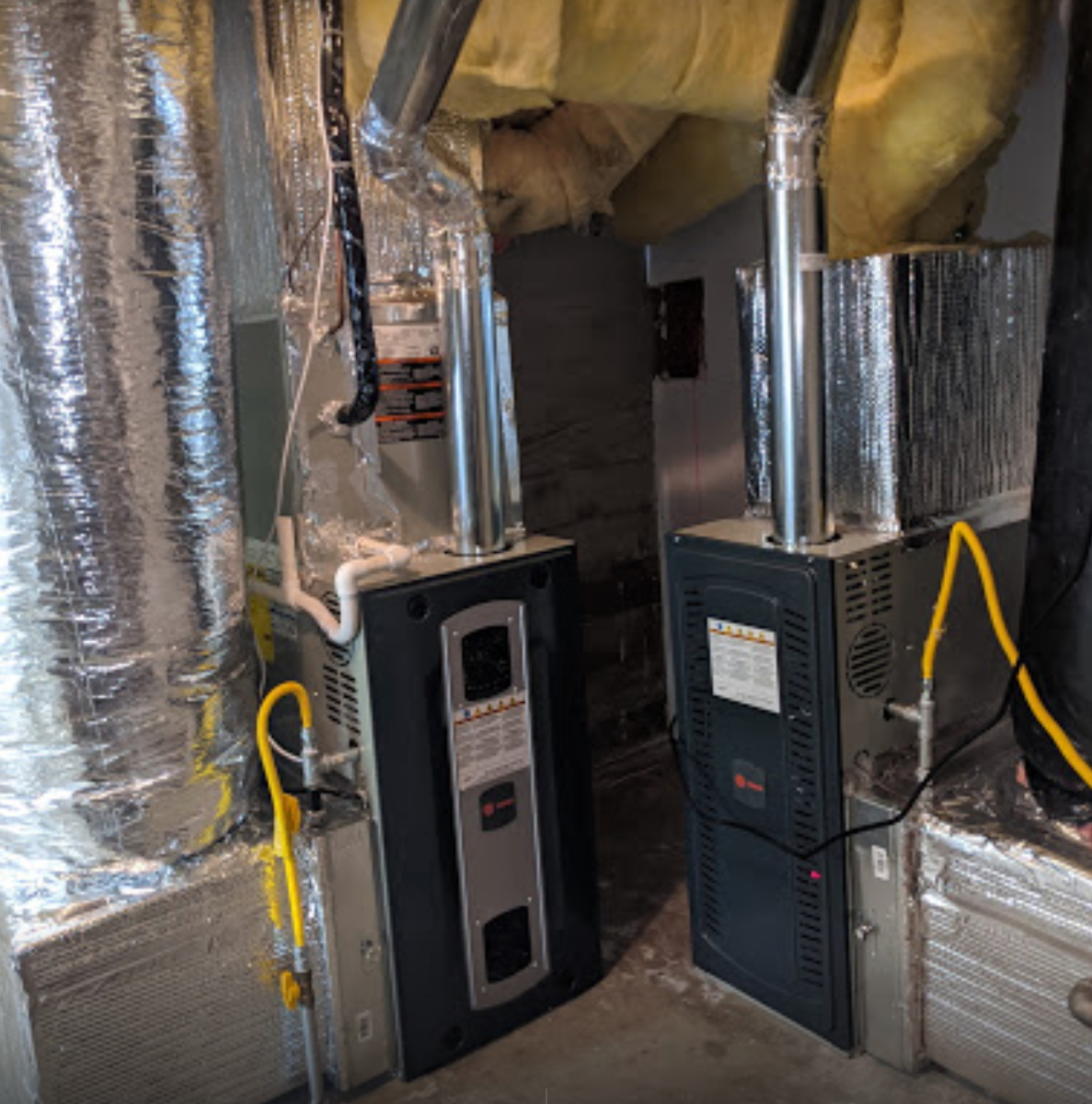
When we look at HVAC systems, there are several types to consider, each suited to different needs and home layouts. The most common types include split systems, which have components both inside and outside the home, and packaged systems, which combine all components in one outdoor unit. Depending on the structure of your home, we might recommend a ductless mini-split system, particularly effective in areas without existing ductwork. Understanding each type of system helps in making an informed decision:
1. Split Systems: These are ideal for most homes, featuring an outdoor unit that houses the compressor and condenser, and an indoor unit that includes the evaporator coils and air handler.
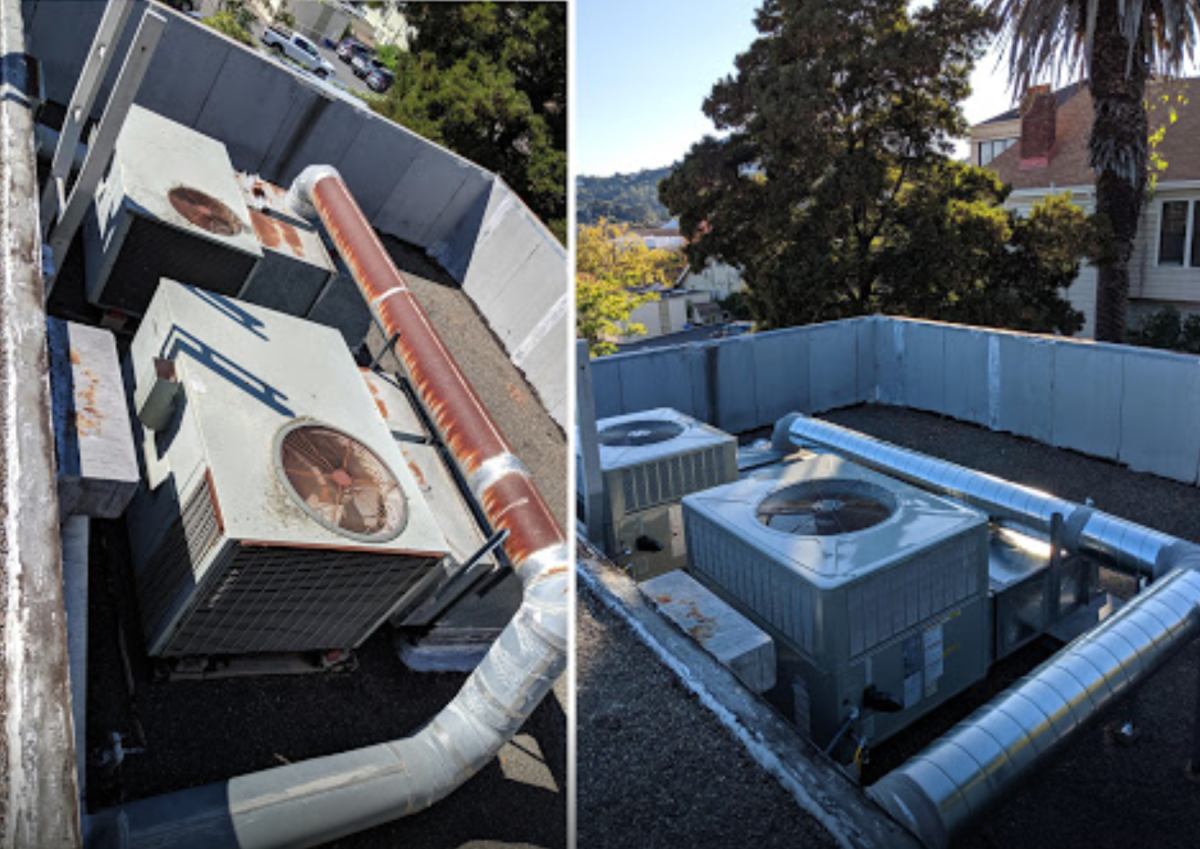
2. Packaged Systems: Suitable for homes with limited indoor space for a furnace or air handler, these systems are installed outdoors and deliver air through ductwork.
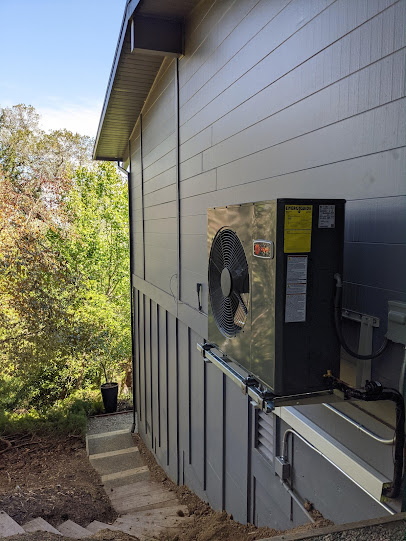
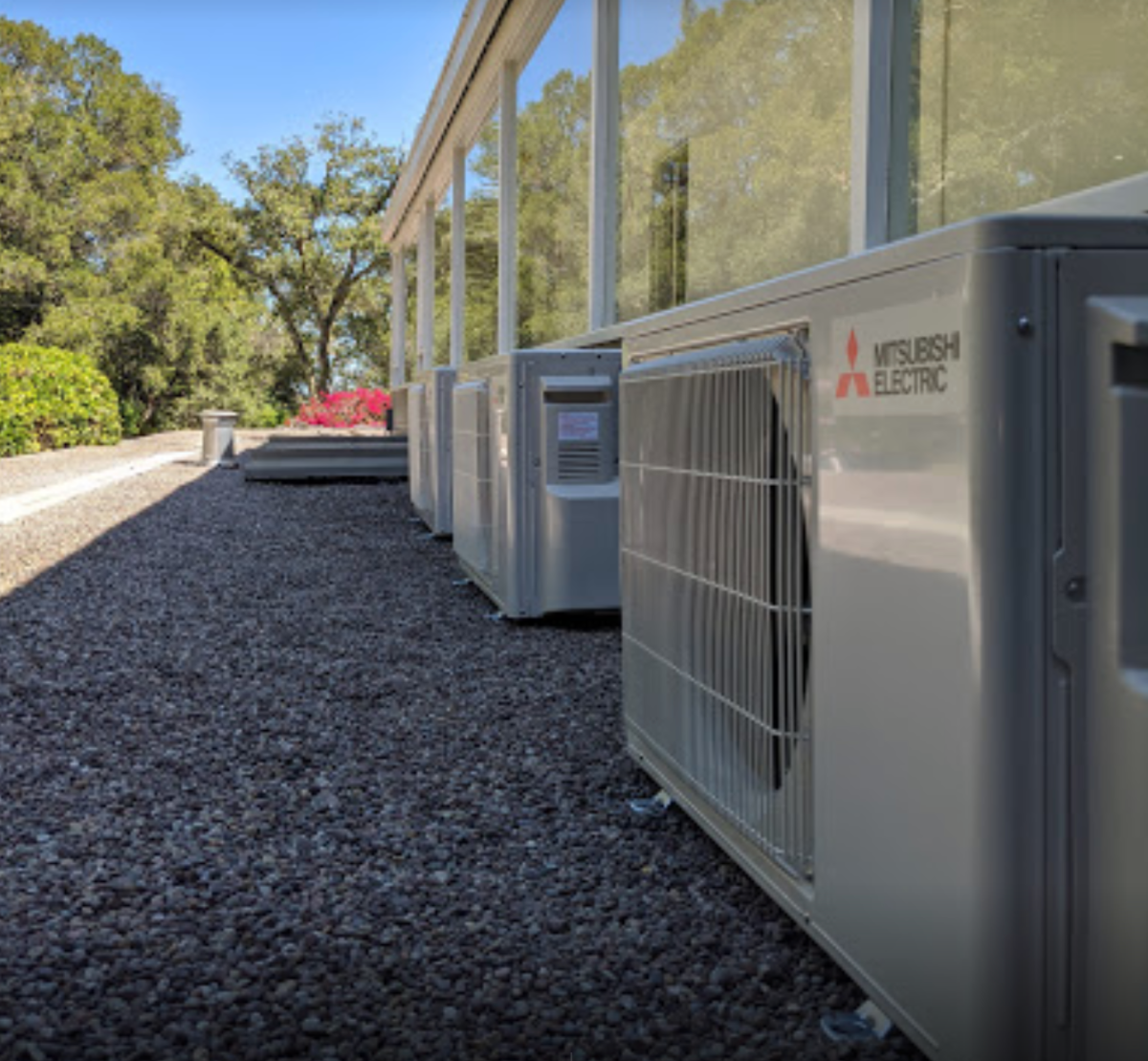
3. Ductless Mini-Splits: These systems are perfect for room additions where extending or installing distribution ductwork is not feasible.
We tailor our recommendations based on your home’s specific requirements, ensuring that the system not only fits physically but also aligns with your energy efficiency goals.
Factors to Consider When Choosing an HVAC System
Selecting the right HVAC system involves considering several key factors to ensure that you get the most out of your investment. First, the size of the unit is crucial—too small, and it won’t heat or cool your home efficiently; too large, and you could face higher energy bills and uneven temperature distribution. Here are some of the factors we consider for each homeowner:
– Home Size and Layout: Understanding the total square footage and the layout of your home helps us determine the capacity of the HVAC system needed.
– Energy Efficiency: We look at systems that have a high Seasonal Energy Efficiency Ratio (SEER) and Heating Seasonal Performance Factor (HSPF) ratings, which indicate better energy use and can substantially lower utility bills.
– Climate: In Marin and Sonoma counties, the microclimates vary significantly. We recommend systems that can handle both the cooler, damp conditions and the warmer, dry spells effectively.
By considering these factors, we ensure that you not only choose the best system for your home but also one that provides comfort and efficiency for many years to come.
Our Step-by-Step Guide for HVAC Installation
Installing a new HVAC system in your home involves meticulous planning and precise execution to ensure optimal performance and durability. At our company, we follow a step-by-step process that ensures every installation meets high standards:
1. Initial Consultation and Assessment: We begin by discussing your needs and evaluating your home. This includes examining the size, layout, and existing ductwork.
2. Choosing the Right System: Based on the assessment, we recommend the most suitable HVAC system that meets your needs and budget.
3. Scheduled Installation: We coordinate with you to select a convenient installation date. Our certified technicians ensure minimal disruption to your daily routine.
4. Professional Installation: Our team of expert technicians install your new system, ensuring that every component functions perfectly from the start.
5. Final Testing and Walk-through: We conduct thorough testing of the new system and provide you with a comprehensive walkthrough of your new HVAC’s features and maintenance tips.
This detailed approach ensures that your new HVAC system is installed seamlessly and functions efficiently, tailored to the needs of your home in Marin or Sonoma counties.
Maintaining Your New HVAC System for Optimal Performance
Keeping your HVAC system in prime condition involves regular maintenance that extends its lifespan and enhances its efficiency. Regular maintenance also helps in identifying potential issues before they lead to costly repairs. Here’s how we help you keep your HVAC system running smoothly:
– Seasonal Inspections: We offer seasonal inspections that prepare your system for the upcoming climate changes, whether it’s readying for the cooler months or tuning up for the summer heat.
– Regular Cleaning: Our service includes routine cleaning of air filters, ducts, and vents to ensure optimal air quality and system efficiency.
– Immediate Repairs: If we detect any issues during our inspections or maintenance visits, we promptly repair them to prevent bigger issues down the line.
By maintaining your HVAC system regularly, you ensure it operates at peak efficiency, saving you money on energy bills and preventing unexpected breakdowns.
In Closing
Choosing and maintaining an HVAC system in Marin and Sonoma counties doesn’t have to be a daunting task. With the right guidance, a thorough understanding of system types, and considering the right factors, you can ensure your home remains comfortable year-round. Remember, installing a new system is just the beginning. Keeping that system in excellent condition is key to long-lasting comfort and efficiency.
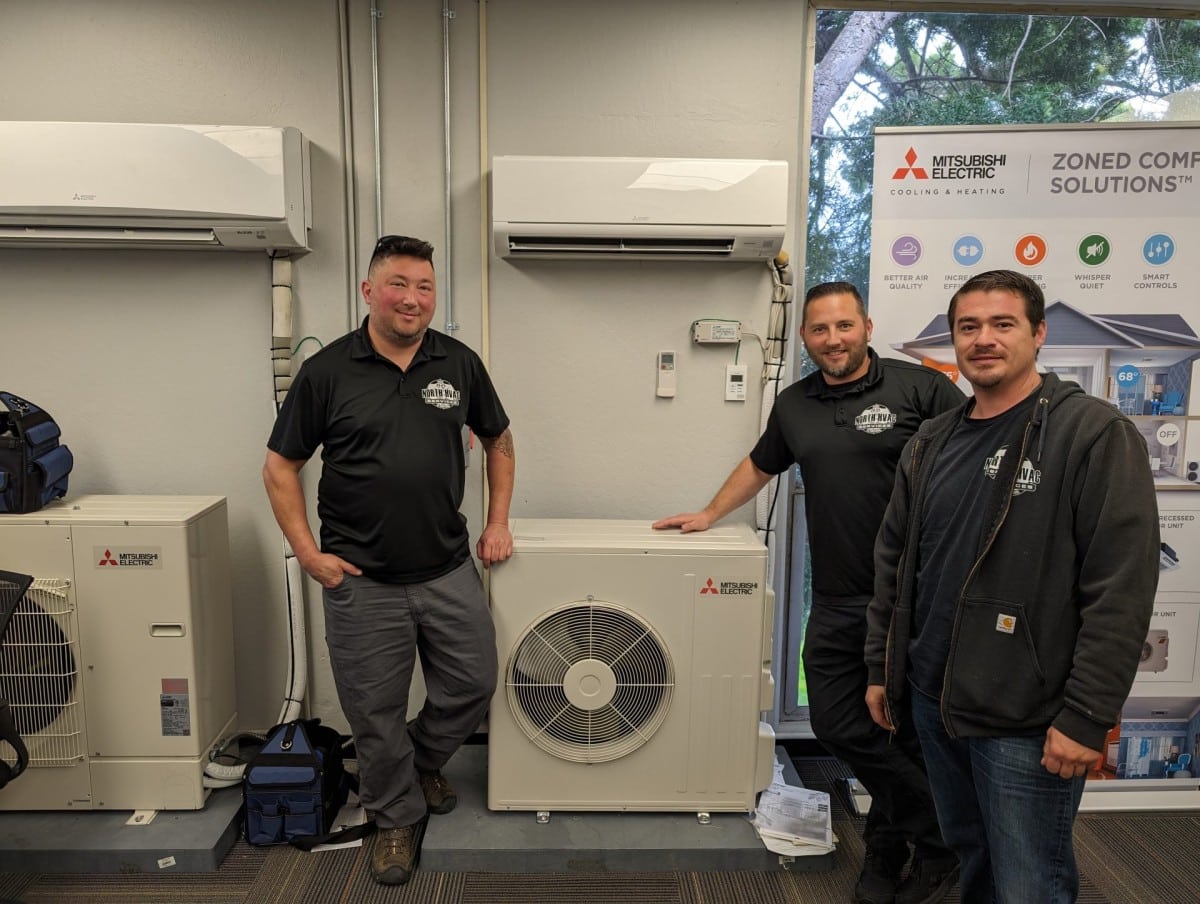
At North HVAC Services, we’re dedicated to providing you with not only top-tier HVAC systems but also exceptional installation and maintenance services. If you’re ready to explore your options or need expert advice on maintaining your existing system, don’t hesitate to get in touch with us. Our team is here to ensure your home environment is exactly as you need it to be, no matter the season.