
When it comes to the comfort and efficiency of your home, few choices are as crucial as selecting the right furnace replacement. Living in Penngrove means experiencing varied weather conditions, so having a reliable heating system is essential. With numerous options available, making the right decision can be overwhelming, but understanding your needs and the available solutions will guide you towards a choice that ensures warmth and efficiency throughout the colder months.
In this guide, we’ll walk you through the process of selecting a furnace replacement, explore key considerations, and share insights on how to make the best decision for your home. Whether you’re looking to replace an old furnace or considering alternatives like a heat pump, our goal is to equip you with the knowledge needed for a confident choice.
Understanding Your Heating Needs
Before diving into the specifics of furnace types, it’s essential to evaluate your home’s heating requirements. Each home in Penngrove is unique, and factors such as size, insulation, and layout will influence your heating needs. A thorough assessment will help you determine the right furnace capacity and type.
Assessing Home Size and Insulation
Start by evaluating the size of your home. Larger homes generally require furnaces with higher BTUs (British Thermal Units) to maintain comfortable temperatures. Additionally, consider the quality of your home’s insulation. Homes with poor insulation may need more powerful heating solutions or additional upgrades to improve efficiency.
- Example: A well-insulated 2,000-square-foot home may only need a moderately sized furnace, while a poorly insulated home of the same size might require a more powerful unit.
Climate Considerations
Penngrove’s climate is another critical factor. While winters are relatively mild, cold snaps can occur, meaning a reliable heating system is necessary. Consider whether you prefer a furnace that can handle sudden temperature drops or if a heat pump might be more suitable for moderate heating needs.
- Example: If you often experience chilly nights, a dual-fuel system combining a furnace and a heat pump could offer both efficiency and flexibility.
Choosing the Right Furnace Type
Once you understand your heating needs, it’s time to explore the different types of furnaces available. Each type has its advantages, and the best choice depends on your priorities, whether it’s energy efficiency, cost-effectiveness, or long-term performance.
Gas Furnaces
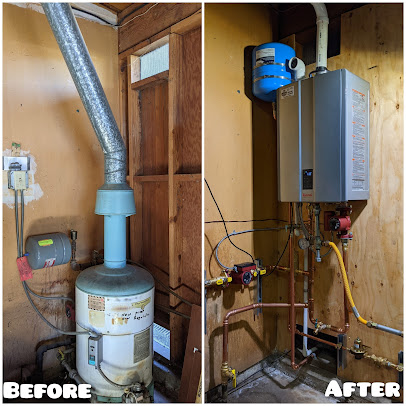
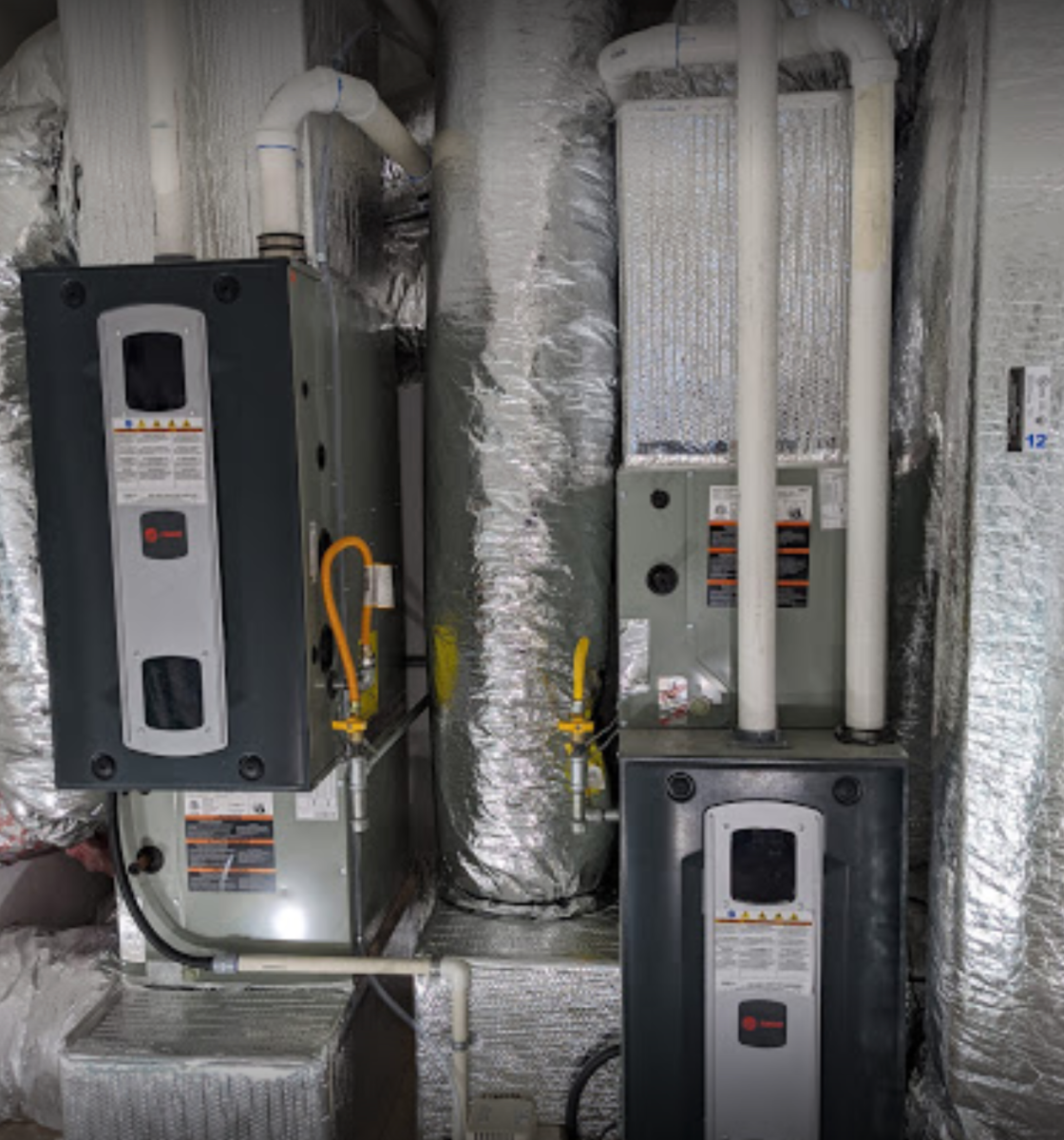
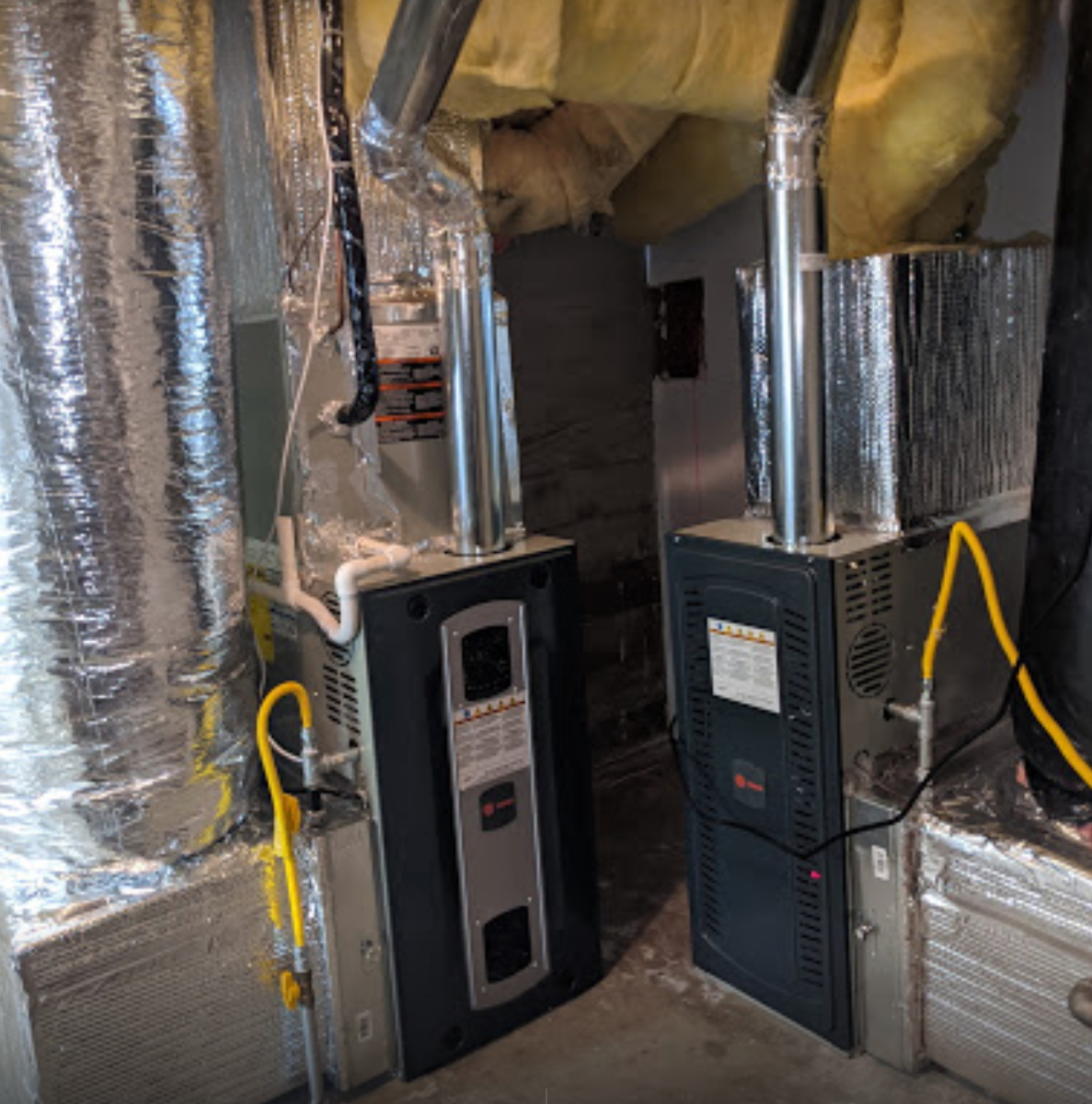
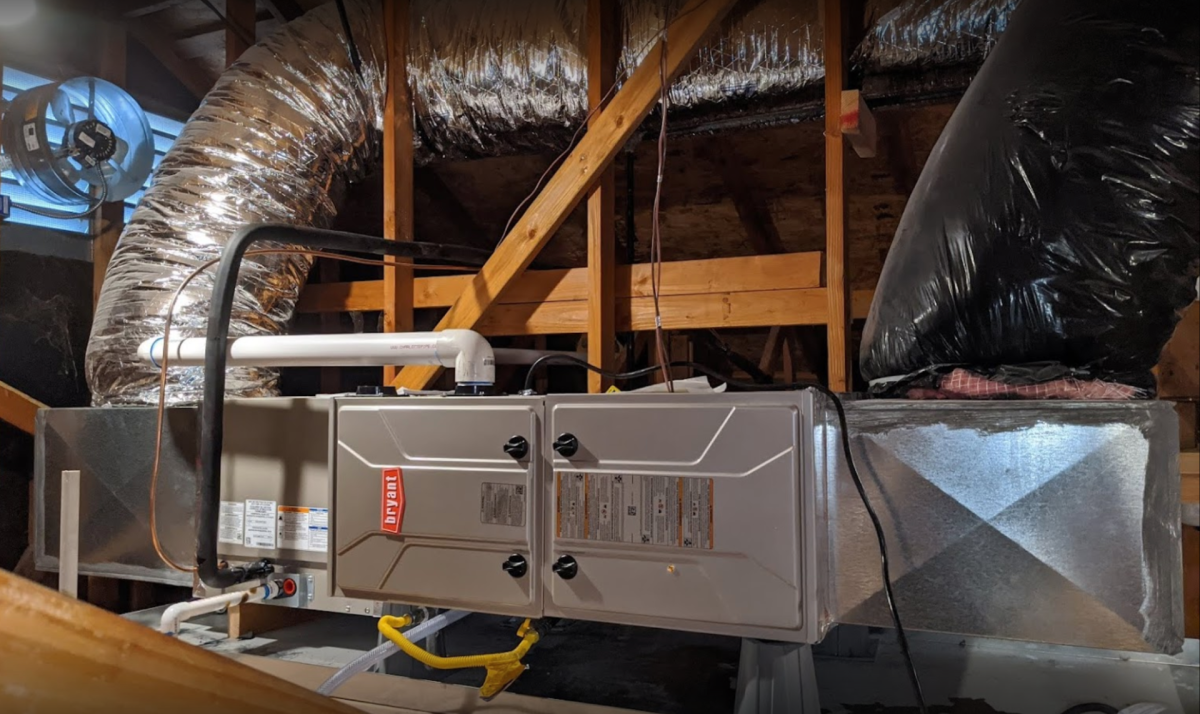
Gas furnaces are a popular choice due to their efficiency and cost-effectiveness. They use natural gas to heat your home and are known for their reliability and quick heating capabilities. If your home already has a gas line, opting for a gas furnace can be a straightforward solution.
- Example: Gas furnaces are well-suited for homeowners looking for a balance between upfront cost and long-term savings, especially when replacing an existing gas unit.
Electric Furnaces
Electric furnaces are another option, especially for homes without access to a gas line. While typically more expensive to operate than gas furnaces, they are known for their safety and ease of maintenance. They are also quieter than other types, making them ideal for homes where noise is a concern.
- Example: Electric furnaces can be an excellent choice for smaller homes or those with high-efficiency insulation that reduces overall heating requirements.
Oil Furnaces
Oil furnaces are less common but still a viable option in areas without natural gas access. They tend to be more expensive to run due to fluctuating oil prices but offer robust heating capabilities. Regular maintenance is critical for optimal performance.
- Example: For homes in rural areas without gas lines, oil furnaces provide a reliable heating solution, albeit with higher maintenance needs.
Efficiency and Cost Considerations
Efficiency should be a top priority when choosing a furnace replacement. Modern furnaces come with efficiency ratings that indicate how effectively they convert fuel into heat. Higher efficiency typically means lower energy bills and a reduced environmental footprint.
Understanding AFUE Ratings
The Annual Fuel Utilization Efficiency (AFUE) rating measures a furnace’s efficiency. It’s expressed as a percentage, with higher numbers indicating more efficient models. For instance, a furnace with a 95% AFUE rating converts 95% of its fuel into heat, wasting only 5%.
- Example: Opting for a furnace with a higher AFUE rating can significantly reduce your heating bills, making it a worthwhile investment over time.
Budgeting for Replacement
Cost is a crucial factor in any furnace replacement decision. While high-efficiency models have higher upfront costs, the long-term savings on energy bills can offset the initial investment. Factor in installation costs, potential rebates, and ongoing maintenance when budgeting.
- Example: A high-efficiency furnace may cost more initially, but the savings on energy bills and potential rebates can make it a cost-effective choice over its lifespan.
Maintenance and Longevity
Regular maintenance is essential to ensure your furnace operates efficiently and lasts as long as possible. Scheduling furnace safety checks and routine maintenance like a furnace tune-up can prevent costly breakdowns and extend the life of your heating system.
- Example: Investing in a regular furnace tune-up can catch minor issues before they become significant problems, ensuring reliability and efficiency.
Exploring Alternative Heating Options
While furnaces are a traditional choice, it’s worth considering alternative heating options that might better suit your needs. Heat pumps, for instance, offer both heating and cooling capabilities, providing year-round comfort.
Heat Pumps
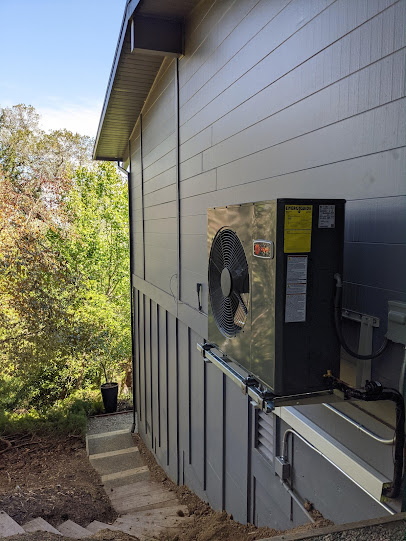
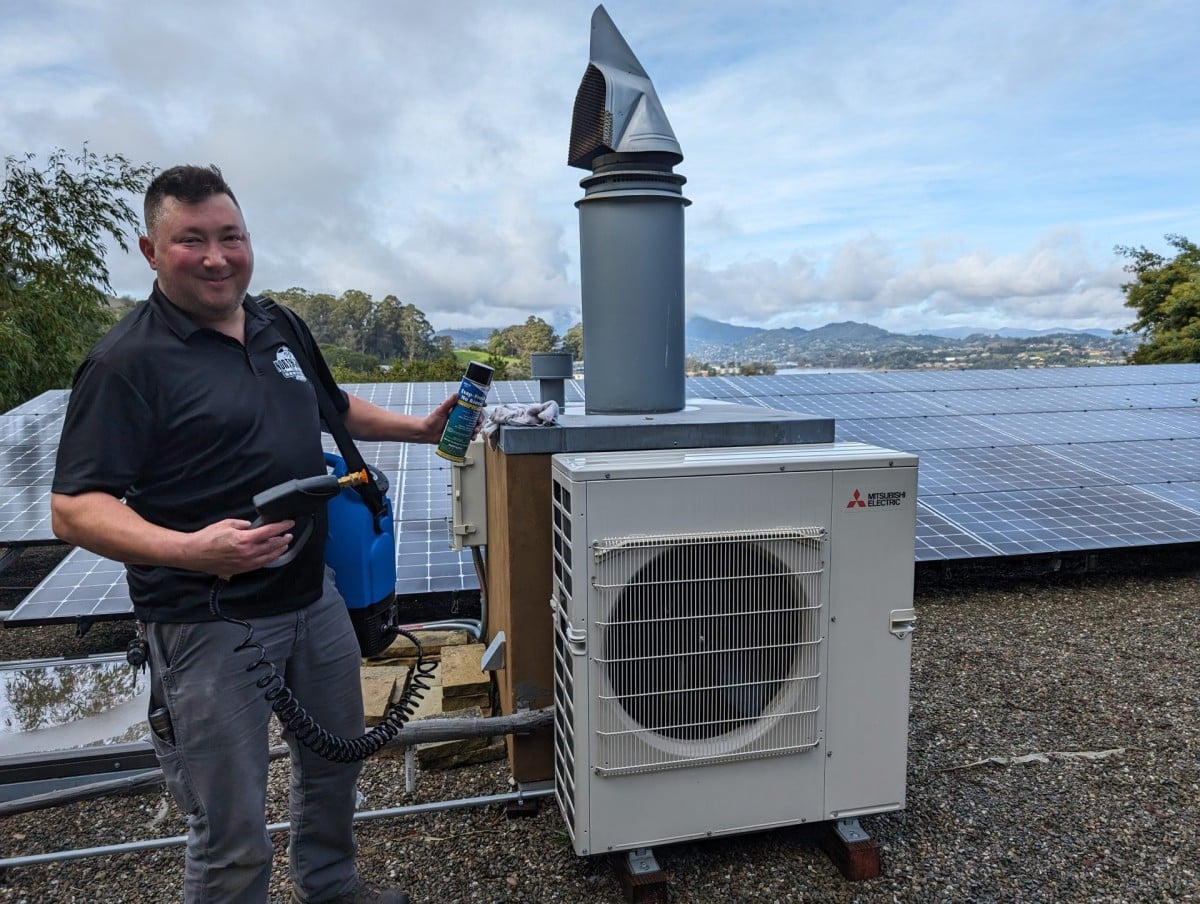
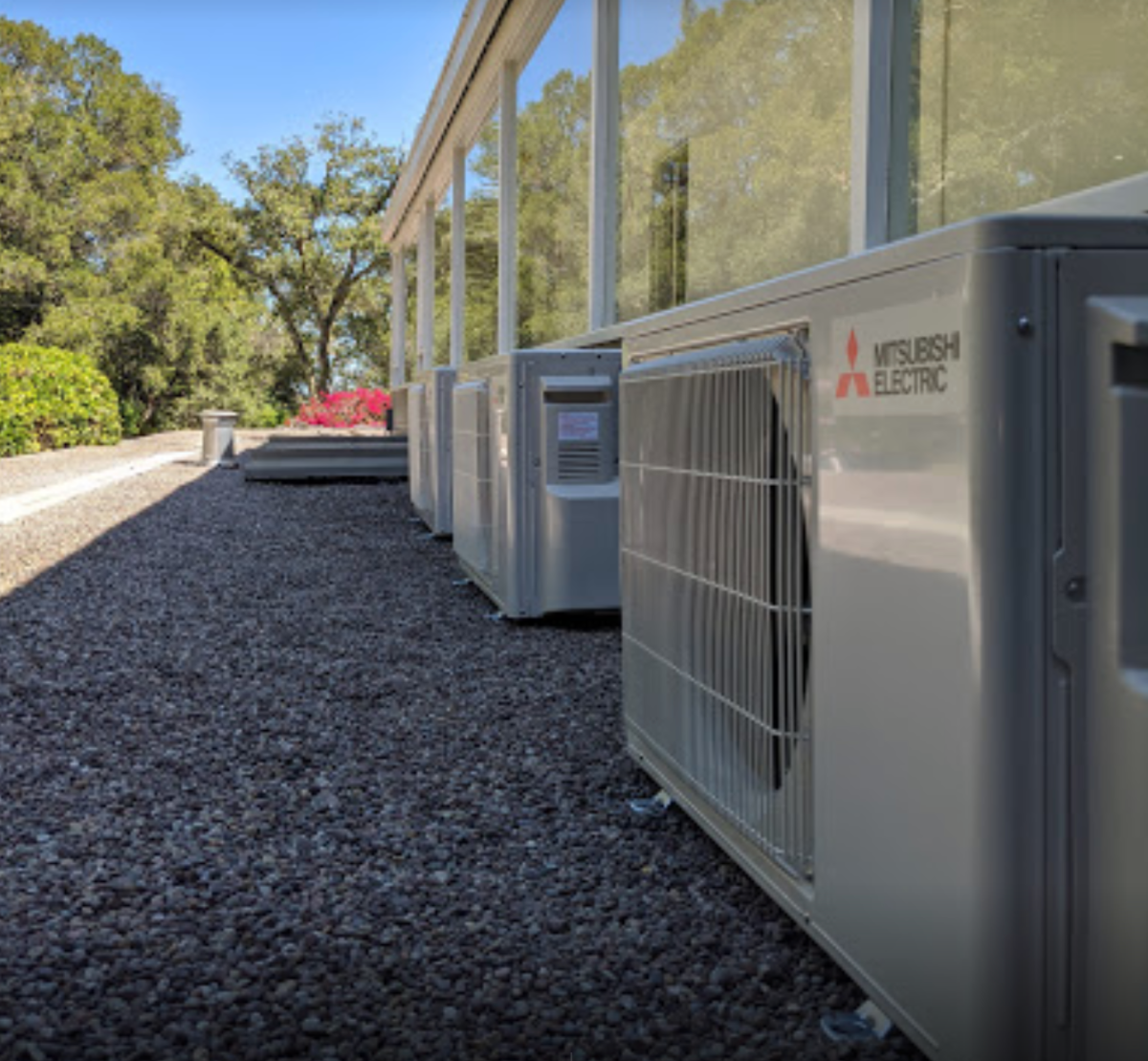
Heat pumps are an energy-efficient alternative to traditional furnaces. They work by transferring heat rather than generating it, making them ideal for moderate climates like Penngrove. Heat pumps can significantly reduce your energy consumption, particularly if you combine them with a furnace in a dual-fuel system.
- Example: Homeowners interested in reducing their carbon footprint while maintaining comfort might find heat pumps an attractive option.
Hybrid Systems
Hybrid systems combine a traditional furnace with a heat pump, offering flexibility and efficiency. The heat pump handles mild heating needs, while the furnace kicks in during colder periods, ensuring efficient energy use throughout the year.
- Example: A hybrid system can provide significant savings, especially in regions with mild winters and occasional cold spells.
Making the Final Decision
Choosing the right furnace replacement for your home in Penngrove involves understanding your specific needs and evaluating the available options. Whether you decide to replace an old furnace with a high-efficiency model, explore the benefits of a heat pump, or consider a hybrid system, the key is to focus on long-term comfort, efficiency, and cost-effectiveness.
At North HVAC Services, we understand the importance of making informed decisions about your home’s heating system. Our expertise in furnace installation and replacement ensures that you receive the guidance and support needed to select the best solution for your home. Whether it’s scheduling a furnace installation or exploring alternative heating options, we’re here to help.
Contact us today to discuss your heating needs and find the perfect solution for your home. Trust North HVAC Services to provide you with the expertise and reliable service you deserve.