
Maintaining a comfortable home environment in Bodega involves more than just keeping the temperature in check. Humidity levels play a crucial role in indoor air quality, directly impacting comfort, health, and even the longevity of your home. Understanding how humidity affects your indoor space can help you make informed decisions to enhance your living conditions. Let’s delve into the ways humidity influences indoor air quality and explore practical solutions for managing it effectively.
What Is Humidity and Why Does It Matter?
Humidity refers to the amount of moisture present in the air. It is a key factor in determining how comfortable your indoor environment feels. In Bodega, where the climate can vary significantly, managing humidity levels becomes essential for maintaining a healthy living space. When humidity levels are too high or too low, it can lead to a range of issues that affect both your health and your home.
Understanding High Humidity
High humidity often leads to a feeling of stuffiness indoors. It can cause discomfort, particularly during warmer months, as the excess moisture makes it difficult for sweat to evaporate, hindering the body’s natural cooling process. This can result in a sweaty and oppressive atmosphere that no one wants to endure.
- Mold Growth: High humidity creates an ideal environment for mold and mildew to thrive, which can trigger allergies and respiratory issues.
- Structural Damage: Excess moisture can warp wood, peel paint, and cause other forms of damage to your home.
- Allergens: Dust mites thrive in humid conditions, exacerbating allergy symptoms for sensitive individuals.
Managing high humidity involves using dehumidifiers and ensuring proper ventilation throughout your home. You may also consider consulting with North HVAC Services for air conditioning installation and replacement to help manage indoor air conditions effectively.
The Effects of Low Humidity
On the flip side, low humidity levels can be just as problematic. During colder months, the air tends to be drier, which can lead to a host of issues.
- Dry Skin and Irritated Eyes: Lack of moisture in the air can cause skin to become dry and cracked, and may irritate the eyes and nasal passages.
- Respiratory Issues: Dry air can exacerbate respiratory conditions like asthma and lead to other breathing difficulties.
- Damage to Wooden Furniture: Wood needs a certain level of moisture to maintain its integrity. Dry air can cause wood to crack and split.
To combat low humidity, using a humidifier can help add moisture back into the air. If you’re noticing changes in your home’s environment, you might also want to explore heating options or diagnose heating issues with the help of North HVAC Services to ensure your heating system isn’t contributing to excessively dry air.
How Humidity Impacts HVAC Systems
Your HVAC system is designed to regulate temperature, but it also plays a role in managing humidity levels in your home. Improper humidity can affect the efficiency and performance of your HVAC system, leading to increased energy bills and potential damage to the system itself.
Overworking the System
When humidity levels are not properly managed, your HVAC system may have to work harder to maintain a comfortable environment. High humidity can make it seem hotter than it actually is, causing the air conditioning to run more frequently. Conversely, low humidity can make the air feel cooler, prompting the heater to kick on more often. Both scenarios result in increased energy consumption.
Routine maintenance, such as furnace maintenance tips or scheduling safety checks, can help ensure your system is running efficiently. North HVAC Services provides professional heating solutions to ensure your system handles humidity effectively.
Impact on System Components
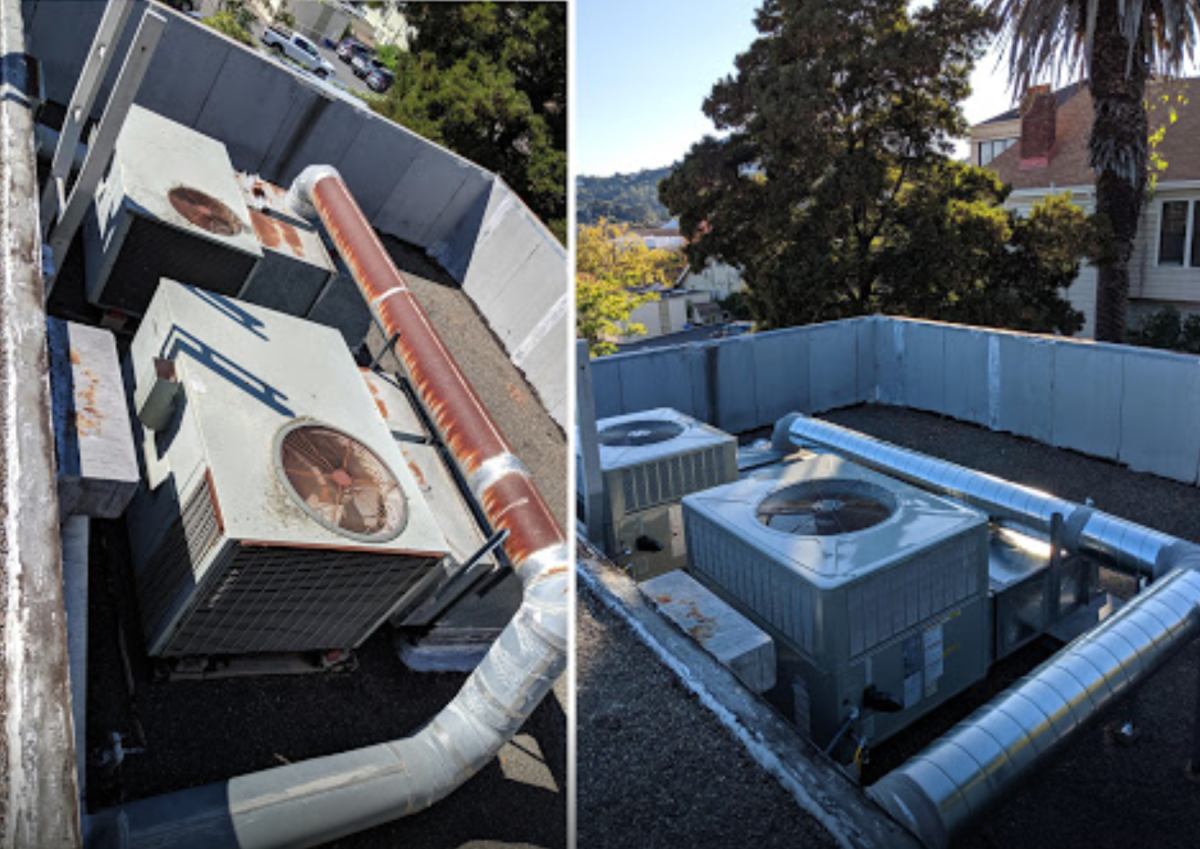
High humidity can lead to condensation within HVAC systems, promoting rust and corrosion on metal components. Over time, this can lead to significant damage and reduced lifespan of your system. Similarly, dry air can cause seals to crack and lead to leaks.
Regular inspections and timely repairs, such as air conditioning repair or fixing your air conditioner, can prevent these issues. Consulting with North HVAC Services for heating system upgrades can also enhance your system’s ability to manage humidity.
Practical Solutions for Managing Humidity
Effective humidity management involves a combination of strategies to ensure your indoor environment remains comfortable and healthy. Here are practical solutions you can implement.
Install Dehumidifiers
Dehumidifiers are effective tools for reducing excess moisture in the air. They are particularly useful in areas of the home prone to high humidity, such as basements and bathrooms. By removing moisture, you can prevent mold growth and improve air quality.
For comprehensive humidity control, consider consulting North HVAC Services to get ac installed or explore heating options that include humidity management features.
Use Humidifiers
During the winter months, when the air tends to be drier, using a humidifier can help maintain comfortable humidity levels. This not only improves comfort but also protects wooden furniture and flooring from damage.
Ensuring your heating system is not contributing to dry air is crucial. You might want to replace your furnace or explore heating diagnostics services if your current system is inefficient at maintaining balanced humidity.
Optimize Ventilation
Proper ventilation is key to managing humidity levels effectively. Ensure that your home has adequate ventilation, especially in high-moisture areas like kitchens and bathrooms. Exhaust fans and open windows can help circulate air and reduce humidity.
For more advanced solutions, contact North HVAC Services for professional heating solutions that include ventilation assessments and improvements.
The Role of Regular Maintenance
Regular HVAC maintenance is crucial for managing humidity levels effectively. A well-maintained system is better equipped to handle humidity fluctuations and maintain optimal indoor air quality.
Consider scheduling regular check-ups with North HVAC Services. Whether you need furnace troubleshooting tips, repair your furnace, or explore energy-efficient heating solutions, professional assistance ensures your system runs smoothly. Regular maintenance not only improves air quality but also extends the lifespan of your HVAC system, providing peace of mind and comfort for years to come.
Understanding and managing humidity levels in your home is essential for maintaining a comfortable and healthy indoor environment. By implementing practical solutions and ensuring your HVAC system is functioning optimally, you can breathe easier and enjoy a better quality of life in Bodega. For expert assistance, contact North HVAC Services to explore heating options or schedule safety checks, ensuring your home remains a haven of comfort and health.