Aug 13, 2026 | HVAC
Why Do So Many Furnace Repairs Involve Issues Homeowners Could Have Spotted?
Most furnace repairs start with small, visible problems that homeowners could catch early—if they know what to look for. These issues often give off clear warning signs before they turn into emergencies.
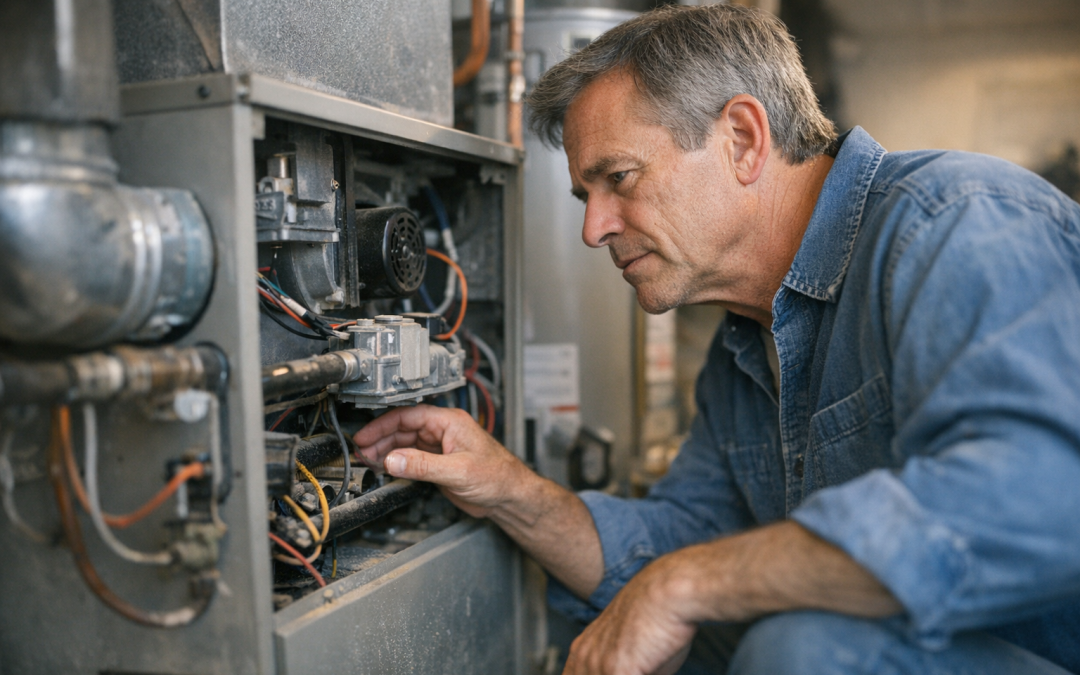
Every heating season, North HVAC Services responds to dozens of “furnace repair near me” calls in Petaluma where the root cause could have been spotted, and sometimes prevented, by a simple inspection. Many breakdowns begin with things like dirty filters, blocked vents, or thermostat problems. These are not hidden deep within the system. Instead, they often show up as visual clues or changes in how your furnace sounds or operates.
When homeowners overlook these early signs—like a filter that hasn’t been changed in months, a flashing error code on the furnace panel, or a vent blocked by furniture—small issues can quickly turn into big repairs. Just as you wouldn’t ignore a warning light on your car’s dashboard, it pays to pay attention to the signals your furnace sends. Recognizing these signs early saves money, prevents downtime, and helps your heating system last longer.
What Early Warning Signs Should You Watch for Before a Furnace Fails?
You should watch for unusual noises, uneven heating, frequent cycling, visible dirt or soot, and any warning lights on your furnace. These signals often appear days or weeks before a complete breakdown.
- Unusual Noises: Clanking, banging, or squealing sounds are not normal and often mean a part is loose or wearing out.
- Cold Spots: If some rooms are much colder than others, your furnace may be struggling or your ductwork may have leaks or blockages.
- Short Cycling: If your system turns on and off rapidly, this could signal a thermostat, airflow, or overheating problem.
- Visible Dust or Soot: Build-up around vents or on the furnace itself can mean there’s a combustion issue or the filter is overdue for a change.
- Burning Smell: A persistent burnt odor when the furnace runs often means electrical or dust problems that need fast attention.
- Rising Energy Bills: If you’re using the furnace the same way but your bills keep climbing, your system may be losing efficiency or working too hard due to an underlying issue.
- Flashing Error Codes: Many modern furnaces display error codes or blinking lights on their control boards—these are early alerts to potential malfunctions.
Spotting these symptoms early gives you time to address them before they escalate. If you notice any of these, it’s smart to schedule a furnace inspection before your system fails completely.
How Can a Simple Visual Check Prevent Furnace Repair Emergencies?
A quick, regular visual inspection of your furnace can reveal early problems—like blocked vents, dirty filters, or water leaks—before they turn into emergencies. You don’t need any tools or technical training to do this.
- Turn Off Power: Always flip the furnace switch or breaker off before inspecting.
- Check the Air Filter: Look for dust buildup or discoloration. If it’s dirty, replace it.
- Inspect Vents and Returns: Make sure nothing is blocking airflow—move furniture, drapes, or boxes away from registers.
- Look for Water: Any pooling or leaking water near the furnace usually signals a condensate line problem or a clogged drain.
- Check the Thermostat: Ensure it’s set to “heat” and the temperature is above room temperature. Replace batteries if the display is dim or blank.
- Scan for Error Lights: Many furnaces have a small window showing a blinking light. If you see repeated flashes, check your owner’s manual or call North HVAC Services for guidance.
Most homeowners can complete this check in under 10 minutes every month during heating season. Catching something as simple as a blocked vent or dirty filter early can prevent hundreds of dollars in repairs down the road, avoid “furnace repair near me” emergencies, and keep your home comfortable.
Are There Furnace Noises That Signal Imminent Problems?
Yes, sudden or unusual furnace noises like banging, squealing, rattling, or persistent clicking are early signs that something is wrong. Each sound often points to a specific problem.
- Banging or Popping: Usually means delayed ignition or expanding ductwork—this can damage heat exchangers if ignored.
- Squealing or Screeching: Often comes from worn blower belts or motor bearings. If caught early, these parts can be replaced before they fail.
- Rattling: Loose panels or parts can cause rattling. Sometimes it’s just a loose screw, but sometimes it’s a sign of more serious vibration issues.
- Clicking: Clicking when the furnace starts or stops may indicate a faulty ignition system or a relay problem.
- Grinding: Metal-on-metal noises suggest severe blower or motor problems—these need immediate attention.
If your furnace starts making any of these noises and doesn’t stop after one or two cycles, it’s time to investigate. Many homeowners in Marin and Sonoma counties have avoided expensive repairs or full furnace replacements by calling North HVAC Services at the first sign of strange sounds, rather than waiting until the unit stops working entirely.
How Often Are Furnace Filter Issues Behind ‘Furnace Repair Near Me’ Calls?
Furnace filter problems are one of the top reasons for “furnace repair near me” calls—more common than many homeowners realize. A clogged or dirty filter can lead to poor heating, system shutdowns, and even damaged components.
When filters become blocked, they restrict airflow. This makes the furnace work much harder, which can overheat the unit or cause it to shut off to prevent damage. In some cases, a neglected filter can even cause the heat exchanger to crack, resulting in a very expensive repair or the need for a full replacement.
In Petaluma and the surrounding area, it’s typical for filters to need replacement every 1-3 months during the heating season, depending on use, pets, and indoor air quality. Yet many emergency repair visits reveal filters that haven’t been changed in over a year. This single maintenance step could prevent a large share of local furnace breakdowns, especially during cold snaps when repair wait times are longest.
If you’re not sure when you last changed your filter, now is the time to check—it’s the fastest way to avoid an unnecessary call for furnace repair.
What Simple Maintenance Tasks Can You Handle to Reduce Furnace Problems?
You can prevent many furnace problems with a few basic tasks: regular filter changes, monthly system checks, keeping vents clear, and testing your thermostat. These steps require little time but make a big impact.
- Replace Air Filters: Change every 1-3 months during heating season, or more often if you have pets or allergies.
- Inspect and Unblock Vents: Walk through your home monthly to ensure all supply and return vents are open and unobstructed.
- Test the Thermostat: Raise and lower the temperature once a month to make sure the furnace responds correctly. Replace batteries at least once a year.
- Listen for New Noises: If you hear anything unusual during operation, investigate right away.
- Vacuum Around the Furnace: Keep the area around your furnace clean and free of dust, pet hair, and storage items that could block airflow.
- Check for Error Codes: If your furnace has a digital display or blinking lights, inspect for error codes and consult your owner’s manual if you see any new alerts.
These simple steps can help avoid the majority of non-mechanical furnace issues and keep your heating system running smoothly all winter.
When Should You Call North HVAC Services Instead of Handling It Yourself?
You should call North HVAC Services if your furnace has electrical issues, persistent error codes, repeated shutdowns, or if you smell gas. Any problem beyond basic cleaning or filter changes is best handled by a professional.
- Gas Smell: Leave your home and call 911 or your gas provider immediately—never try to fix a gas leak yourself.
- Electrical Problems: If your furnace trips breakers or doesn’t power on, it could be a wiring or control board issue.
- Repeated Error Codes: When resetting your furnace doesn’t clear a blinking light or error code, professional diagnostics are required.
- No Heat: If your system runs but never provides warm air, the problem could involve the ignitor, gas valve, or blower motor.
- Water Leaks: Persistent leaks may mean problems with the condensate pump or drain, which can cause water damage if left unchecked.
- Strange Odors: Persistent burning, chemical, or musty smells should be checked right away to avoid health risks.
If you’re ever unsure or uncomfortable with any step, call North HVAC Services at (415) 845-6910 or contact us at northhvacservices.com. Quick professional help can prevent further damage and restore your heat faster than a DIY attempt that goes wrong.
What Can Homeowners in Marin and Sonoma Counties Learn from These Preventable Repairs?
Homeowners in Marin and Sonoma counties can save time, money, and stress by watching for warning signs and handling basic furnace upkeep. Most furnace failures start with small, preventable issues that are easy to spot—if you know what to look for.
Simple steps like changing filters, checking vents, and listening for new noises can prevent most heating emergencies and reduce your chances of needing urgent “furnace repair near me.” When you do see warning signs you can’t resolve—like persistent error codes, water leaks, or strong odors—reaching out to North HVAC Services early is always the safest bet.
Ready to keep your furnace running safely and efficiently? If you notice a problem or just want a professional inspection, call North HVAC Services at (415) 845-6910. We’re here to help Petaluma and the surrounding area stay warm, comfortable, and worry-free all winter.
Frequently Asked Questions
How do I know if my furnace needs repair before it breaks down?
You can spot early problems by watching for unusual noises, uneven heating, frequent cycling, or warning lights on your furnace. If you notice any of these signs, it’s a good idea to schedule a professional inspection to prevent bigger, more expensive repairs.
What are the most common furnace issues I can check myself?
The most common furnace issues you can check are dirty air filters, blocked vents, and thermostat malfunctions. Regularly inspecting and replacing filters, making sure vents aren’t blocked by furniture, and checking for error codes can help you catch problems early.
Who offers reliable furnace repair near me in Petaluma?
North HVAC Services provides reliable furnace repair in Petaluma and the surrounding area. You can contact them at (415) 845-6910 or visit their website to schedule a service appointment.
Can ignoring small furnace issues lead to bigger repairs?
Yes, overlooking small furnace issues like dirty filters or unusual noises can lead to more serious and costly repairs. Addressing these warning signs early helps your system run efficiently and can extend its lifespan.
How often should I check or change my furnace filter to avoid repairs?
You should check your furnace filter every month during the heating season and replace it if it’s dirty. Keeping the filter clean improves airflow, prevents breakdowns, and helps your furnace work efficiently.
Aug 7, 2026 | HVAC, HVAC Maintenance
What Do Homeowners Usually Get Wrong About Emergency HVAC Repair Timing?
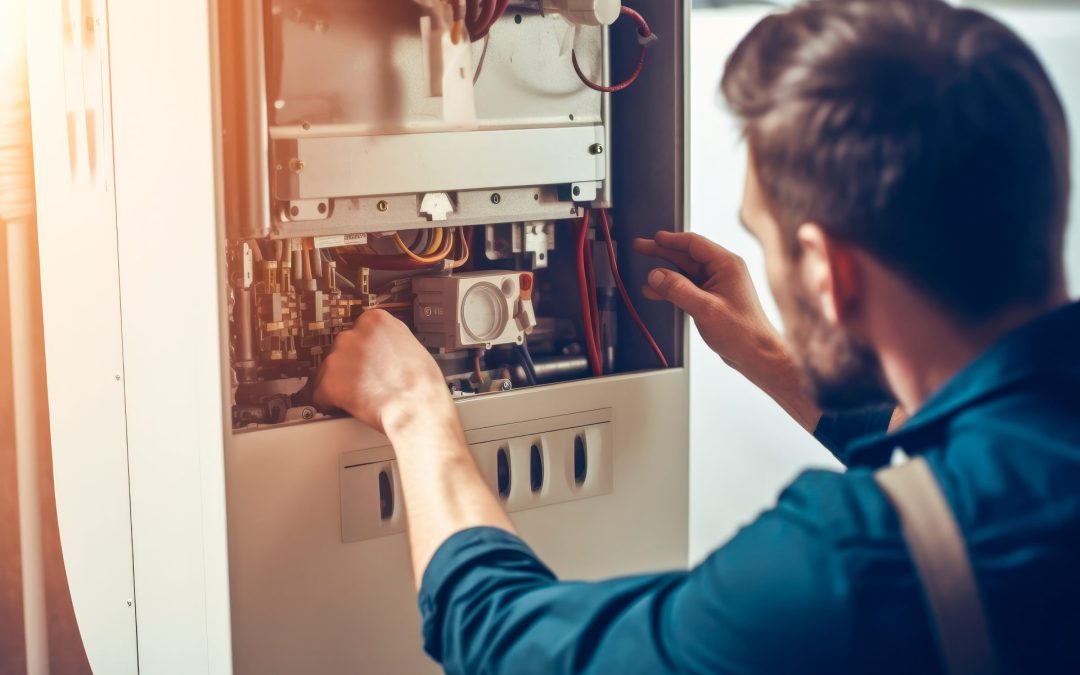
Most homeowners wait too long to call for emergency HVAC repair during extreme weather, often underestimating how quickly conditions can worsen if the system fails. Many also misjudge what actually qualifies as an emergency, sometimes calling too soon or not soon enough.
When an HVAC system shows signs of trouble during a heatwave or cold snap, some homeowners hope the issue will resolve itself or plan to wait until after the weather improves. This approach can lead to bigger problems—like complete system failure, increased repair costs, or even health risks if indoor temperatures become unsafe. Others mistake minor issues for emergencies, overwhelming service lines and delaying help for those in real need.
In Petaluma and surrounding areas, extreme weather can place immediate stress on HVAC equipment. North HVAC Services regularly receives calls from homeowners who waited until their system stopped working altogether, only to face longer waits and higher repair bills. Understanding the difference between minor issues and true emergencies—and acting quickly when needed—can save time, money, and comfort.
Why Waiting Too Long During Extreme Weather Can Backfire
Delaying emergency HVAC repair during extreme weather can quickly turn a manageable problem into a major crisis. The longer you wait, the more likely you are to experience complete system failure, property damage, or health concerns for your family or tenants.
In a heatwave, a struggling air conditioner can stop working entirely, allowing indoor temperatures to rise dangerously. High indoor temperatures put children, seniors, and pets at risk of heat exhaustion or heat stroke. During cold snaps, a failed furnace can lead to frozen pipes, water damage, and unsafe living conditions.
- Example: A homeowner in Sonoma County ignored a noisy AC for three days during a July heatwave. The unit failed on a 100°F afternoon, requiring a more expensive compressor replacement instead of a quick fix.
- Repair companies often have longer response times during extreme weather due to surging demand, especially if you wait until your system completely fails.
- HVAC systems working overtime in extreme conditions are more likely to suffer permanent damage if not serviced promptly.
The best approach is to call at the first sign of trouble, especially if you notice odd noises, weak airflow, or inconsistent temperatures. Acting fast can prevent discomfort and bigger expenses.
Are You Mistaking a Routine Issue for an Emergency?
Many homeowners confuse routine HVAC issues with emergencies, leading to unnecessary stress and higher service costs. Not every problem needs immediate, after-hours attention.
True emergencies involve situations where your safety, property, or business continuity is at risk. These include total loss of heating during a freeze, no cooling during a major heatwave, burning smells, smoke, or water leaks from your HVAC system. On the other hand, some issues are inconvenient but can wait for standard hours:
- Minor noise or vibration that does not increase or cause the system to shut down
- Reduced efficiency when the system still keeps up with demand
- Thermostat malfunctions that can be managed manually
If you’re not sure, ask yourself: Is anyone’s health at immediate risk? Is there active water or electrical damage? If not, a routine repair appointment is usually sufficient. North HVAC Services can help you assess over the phone whether your situation requires emergency action or if you can safely wait for regular service hours.
How Extreme Weather Exposes Hidden HVAC Problems
Extreme weather strains your HVAC system, often revealing hidden problems that weren’t obvious during milder conditions. Issues that may have seemed minor or gone undetected can escalate quickly when your system is working its hardest.
For example, a slightly clogged air filter or a weak blower motor might not cause noticeable issues during spring or fall. But during a high-demand heatwave or freeze, these problems can lead to sudden breakdowns. Other common hidden vulnerabilities include:
- Undetected refrigerant leaks that reduce cooling power under stress
- Electrical components that fail when the system cycles more frequently
- Blocked condensate lines that lead to water damage during heavy use
Regular maintenance is the best defense, but you should remain alert during extreme weather. If your system’s performance drops, call for help before a total failure occurs. North HVAC Services recommends scheduling a pre-season checkup to catch these problems before severe weather hits.
What Steps Should You Take Before Calling for Emergency HVAC Repair?
Before calling for emergency HVAC repair, you should do a quick self-check to rule out simple issues and avoid unnecessary costs. Here’s what to do:
- Check your thermostat—ensure it’s set to the correct mode (cooling or heating) and temperature
- Replace batteries in the thermostat if it’s not responding
- Inspect the circuit breaker—reset if it’s tripped
- Look for obvious blockages at vents or registers
- Check the air filter—replace if dirty or clogged
- Listen and look for unusual noises, smells, or water leaks
- Make note of any error codes or flashing lights on the HVAC unit
If you complete these checks and your system still doesn’t work—or you notice burning smells, smoke, or water leaks—call for emergency service immediately. Providing this information to North HVAC Services can help technicians arrive prepared and resolve your issue faster.
How Local Factors Affect the Urgency of Emergency HVAC Repair in Sonoma, Marin, and Napa Counties
Local climate, infrastructure, and population density all impact how urgent emergency HVAC repair can be in the North Bay area. Hot spells and cold snaps arrive quickly and can overwhelm older utility grids or HVAC systems, especially in rural areas.
- Wildfire smoke can further stress HVAC equipment and make indoor air quality a health concern, especially during summer.
- Rolling blackouts or power interruptions may complicate repairs or delay service if your system fails.
- Geography: Homes outside city centers may experience longer response times due to travel distances for technicians.
- Older buildings in Petaluma, Sonoma, or Napa often have legacy systems more prone to failure under strain.
During peak weather events, local HVAC companies like North HVAC Services can become fully booked within hours. If you’re a business owner or manage rental properties, quick action is especially important to protect your tenants and assets.
Emergency HVAC Repair: When to Call Immediately and When to Wait
You should call for emergency HVAC repair immediately if there is a risk to health, property, or business operations. If the issue is uncomfortable but not dangerous, you can often wait for regular service hours.
- Call immediately if:
- No heating during a cold snap (especially with vulnerable occupants)
- No cooling during a heatwave (indoor temps rising dangerously)
- Burning smells, smoke, or visible sparks
- Major water leaks from the HVAC unit
- Electrical problems causing the system to cycle on and off rapidly
- Wait (schedule regular repair) if:
- Minor noise or vibration without performance loss
- Slow cooling or heating but system is keeping up
- Thermostat misreads that are manageable
- System needs a filter change but otherwise operates normally
If you’re not sure, describe your problem clearly when you call (415) 845-6910—North HVAC Services will help you determine the right course of action.
How to Prepare for Future HVAC Emergencies Before Extreme Weather Hits
The best way to avoid emergency HVAC repair calls is to prepare your system and your household before the next heatwave or freeze. Here’s how:
- Schedule a professional HVAC inspection and tune-up each spring and fall
- Replace air filters every 1-3 months, or as recommended by your system manufacturer
- Test your system before each season to catch problems early
- Keep vents and registers clear of furniture, dust, and debris
- Learn how to reset breakers and thermostats
- Know your HVAC system’s age and any past repair history
- Keep the contact info for North HVAC Services handy for quick calls during emergencies
For business owners, consider setting up a maintenance contract or priority service agreement to minimize downtime and protect your operations during extreme weather.
Don’t let a small problem turn into a crisis when the temperature spikes or drops. If you’re facing urgent HVAC issues, call North HVAC Services at (415) 845-6910 for fast, professional emergency HVAC repair in Petaluma and the North Bay. Prepare now, and you’ll have peace of mind—no matter what the weather brings.
Frequently Asked Questions
What is considered an emergency HVAC repair during extreme weather?
An emergency HVAC repair is needed when your heating or cooling system completely stops working during a heatwave or cold snap, or if you notice signs like burning smells, electrical issues, or unsafe indoor temperatures. If your health or safety is at risk—such as infants, elderly, or medically sensitive people in the home—call for help right away.
How quickly should I call for HVAC repair if my system stops working in extreme temperatures?
You should call for emergency HVAC repair immediately if your system fails during extreme heat or cold. Delaying can lead to health risks, further damage to your equipment, and potentially more expensive repairs.
What are the risks of waiting too long to get emergency HVAC repairs?
Waiting too long can turn a small problem into a major one, possibly resulting in complete system failure, higher repair costs, or even property damage. North HVAC Services recommends acting quickly to avoid these complications and keep your home safe and comfortable.
How do I know if my HVAC issue is urgent enough for emergency service?
If your system is not producing any heat or cool air during severe weather, or if you notice smoke, strange noises, or electrical issues, it’s likely an emergency. For less urgent issues like minor noise or a clogged filter, regular service may be sufficient.
Can North HVAC Services help with emergency HVAC repairs in Petaluma?
Yes, North HVAC Services provides emergency HVAC repair in Petaluma and surrounding areas. If you’re experiencing an urgent problem, you can call (415) 845-6910 for prompt assistance.
Aug 1, 2026 | HVAC
What Does ‘Upgrading to Smart Controls’ Actually Mean?
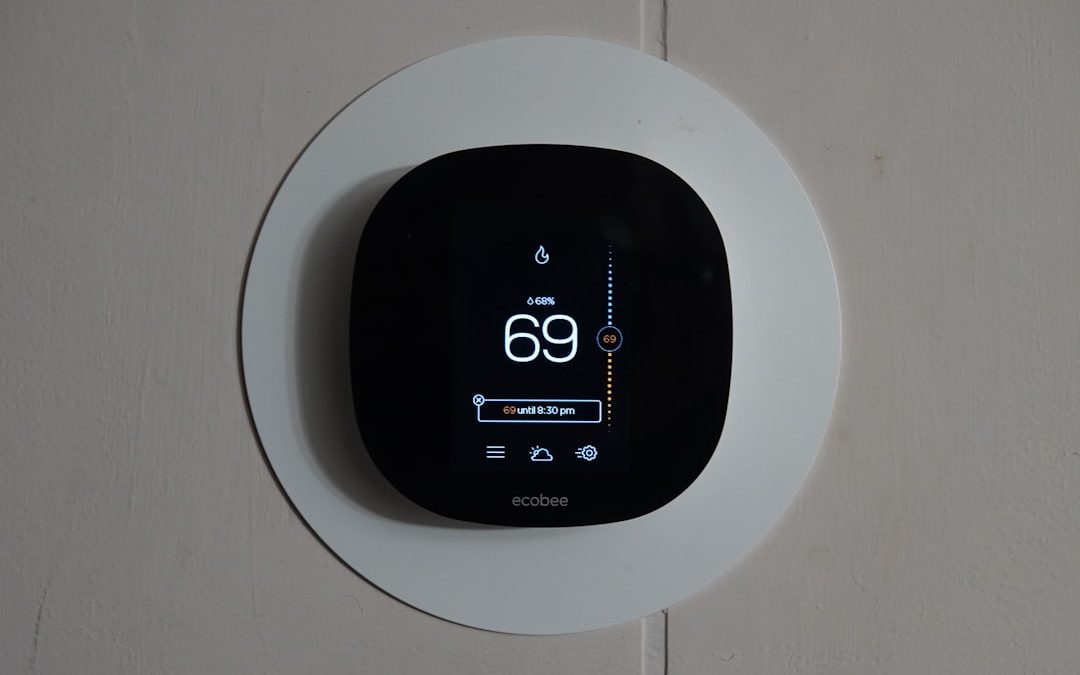
Upgrading to smart controls means replacing your old thermostat with a device that connects to Wi-Fi and offers advanced features like remote scheduling, learning your patterns, and integrating with other smart home devices.
Smart thermostats go beyond simple temperature adjustments. They let you control your heating and cooling from your smartphone, even when you’re away from your property. Many models, like the Nest Learning Thermostat or ecobee SmartThermostat, can detect when you’re home, adjust settings automatically, and provide detailed usage reports.
Some smart thermostats support smart speakers (like Amazon Alexa or Google Home), and can tie into broader building management systems. For business owners, smart controls can mean tighter control over energy costs and easier troubleshooting, since some models alert you to system issues or filter change reminders.
If you’re used to manual or programmable thermostats, smart controls can feel like a big step forward. But not every thermostat replacement leads to these features, and not every system or building benefits from them equally.
For further reading, see Best Thermostat Buying Guide from consumerreports.org.
Does Every Thermostat Replacement Automatically Include Smart Controls?
No, replacing an old thermostat does not automatically mean you get smart controls—unless you specifically choose a smart thermostat and your HVAC system supports it.
Many property owners assume that installing a new thermostat will bring the latest technology, but the type of thermostat you receive depends on your choice and system compatibility. Standard digital thermostats, which simply show the temperature and let you set heating or cooling points, are still common. Some programmable models allow scheduling but don’t have Wi-Fi or app features.
Smart thermostats require extra wiring (usually a “C-wire” for power), a stable Wi-Fi network, and compatibility with your existing HVAC equipment. If you hire an installer and don’t ask for a smart upgrade, you might just get a newer version of what you already had. At North HVAC Services, we always ask our clients about their preferences and explain the options, but not every contractor or retailer does this by default.
Why Do Some Homes Not Get Smart Thermostats When Replacing Old Ones?
Many homes do not get smart thermostats during thermostat replacement for several reasons.
- Wiring Limitations: Older HVAC systems often lack the necessary “C-wire” for powering smart thermostats. Without this, smart models can’t function reliably.
- HVAC System Incompatibility: Some older heating or cooling systems do not communicate well with modern smart thermostats, especially if they use proprietary controls or advanced multi-stage setups.
- Weak or No Wi-Fi: Smart thermostats need a stable wireless connection. In rural or brick-heavy buildings, Wi-Fi might be unreliable or nonexistent.
- Cost Concerns: Smart thermostats usually cost more upfront than standard digital models. Some business owners prefer a lower-cost option if advanced features aren’t needed.
- Tenant Simplicity: In rental properties, landlords sometimes choose basic thermostats to avoid confusion or tampering by tenants.
- User Preference: Not everyone wants the learning curve or privacy implications of a Wi-Fi-connected device. Some people prefer traditional, non-connected controls.
It’s always worth discussing these factors with a trusted HVAC contractor before making your thermostat replacement decision.
What Are the Main Options When Replacing an Old Thermostat?
When you replace an old thermostat, you can typically choose from three main types.
- Manual (Non-Programmable) Thermostats: These are basic models where you adjust the temperature up or down as needed. They’re simple and reliable, with no scheduling or Wi-Fi features.
- Programmable Thermostats: These allow you to set daily or weekly schedules. For example, you can automatically lower the heat after business hours or during weekends. Some models support multiple time periods per day.
- Smart (Wi-Fi-Connected) Thermostats: These offer app control, voice commands, remote monitoring, learning features, and integration with other smart devices. They’re the most feature-rich option but require compatibility and setup.
For many business owners in Marin and Sonoma Counties, programmable thermostats offer a middle ground between cost and convenience. Smart thermostats bring automation and energy savings when the system and Wi-Fi can support them. If you’re unsure, North HVAC Services can help walk you through your best options during a thermostat replacement.
How Can You Tell If Your System Supports Smart Thermostat Replacement?
You can check if your system supports smart thermostat replacement by inspecting your wiring, HVAC type, and Wi-Fi setup.
- Look for a C-Wire: Remove your current thermostat cover and look for a wire labeled “C” (common). Smart thermostats usually need this for constant power.
- Check System Compatibility: Identify your HVAC type—forced air, heat pump, radiant, or proprietary systems. Most smart thermostats list compatible systems in their manuals or on their websites.
- Test Your Wi-Fi: Make sure you have a reliable wireless connection at the thermostat location. Try streaming a video or running a speed test on your phone in the same spot.
- Consult a Professional: An HVAC technician can quickly determine compatibility and recommend solutions, such as adding a C-wire or suggesting a compatible model.
- Read Manufacturer Guides: Brands like Nest, ecobee, and Honeywell publish compatibility checklists. These can save you from buying a thermostat that won’t work with your system.
If you’re unsure, North HVAC Services offers compatibility checks and can install the right thermostat for your setup.
Is a Smart Thermostat Always the Best Choice for Every Home?
No, a smart thermostat is not always the best choice for every home or business.
While smart thermostats offer impressive features, they’re not always practical or cost-effective for all properties. If your building lacks reliable Wi-Fi, you won’t get remote access or updates. Older HVAC systems might not support the wiring or communication protocols smart thermostats use. For small spaces or infrequently used areas, the energy savings might not justify the higher cost.
Some business owners prefer simple controls that anyone can use without training. In multi-tenant buildings, programmable or manual options may be less confusing for guests or renters. If privacy is a concern, a non-connected thermostat avoids data sharing or app permissions altogether.
Before investing in smart controls, consider your building’s layout, your team’s comfort with technology, and whether you’ll use features like scheduling, monitoring, or integration with other smart devices.
Thermostat Replacement in Marin and Sonoma: What North HVAC Services Sees Most Often
In Marin and Sonoma counties, North HVAC Services sees a mix of manual, programmable, and smart thermostat replacements—often driven by system age and property type.
In historic homes or older commercial buildings, we often encounter basic thermostats that lack modern wiring. Programmable models remain popular for small offices and retail spaces, where schedules are predictable but Wi-Fi access may be limited. Smart thermostats are gaining ground in newer builds and homes undergoing major upgrades, especially where energy savings and convenience are a priority.
We frequently advise business owners to weigh the benefits of each type before committing. If your HVAC system is older, a programmable thermostat might be the best fit. For tech-forward buildings with strong Wi-Fi and updated systems, smart thermostats can deliver real energy and management advantages. We always confirm compatibility before starting any thermostat replacement project.
How to Decide Between a Standard and Smart Thermostat During Replacement
You should decide between a standard and smart thermostat during replacement by weighing your needs, system compatibility, and budget.
- Review Your HVAC System: Check for a C-wire and confirm your heating and cooling system supports smart controls.
- Assess Internet Access: If Wi-Fi coverage is weak, a smart thermostat may not function as intended.
- Consider Your Schedule: Do you need remote access or advanced scheduling, or will a basic programmable model suffice?
- Set Your Budget: Smart thermostats cost more up front and may involve professional installation or wiring upgrades.
- Think About User Experience: Will all users be comfortable with app controls, or is simplicity a higher priority?
- Plan for the Future: If you’re upgrading your HVAC system soon, a smart thermostat might make more sense down the road.
- Consult a Pro: An HVAC contractor like North HVAC Services can help you compare models and make the right decision for your property.
Choosing the right thermostat replacement can impact your comfort, energy bills, and long-term satisfaction—so it’s worth taking the time to get it right.
Ready to Replace Your Thermostat?
If you’re considering thermostat replacement in Petaluma, Marin, or Sonoma, North HVAC Services is ready to help. We’ll walk you through your options, confirm compatibility, and handle installation—whether you want a simple upgrade or a full smart home setup. Call (415) 845-6910 today to schedule a consultation or visit northhvacservices.com for more information.
Frequently Asked Questions
Does replacing my old thermostat automatically upgrade it to a smart thermostat?
No, replacing your old thermostat does not automatically make it a smart thermostat. To get smart features like Wi-Fi connectivity and remote control, you need to specifically choose a smart thermostat model and ensure your HVAC system is compatible.
How do I know if my HVAC system supports a smart thermostat?
Check your HVAC system’s compatibility before purchasing a smart thermostat. You can consult your system’s manual, look for compatibility tools on smart thermostat websites, or contact an HVAC professional like North HVAC Services for guidance.
What are the benefits of upgrading to a smart thermostat?
Upgrading to a smart thermostat allows you to control your heating and cooling remotely, automate temperature schedules, and potentially save on energy costs. Many models also provide maintenance alerts and integrate with smart home devices for added convenience.
Can North HVAC Services help install or recommend a smart thermostat?
Yes, North HVAC Services can help you choose and install a smart thermostat that fits your system and needs. Reach out to them for professional advice and installation services in the Petaluma, CA area.
Is it worth replacing my manual thermostat if I don’t want smart features?
Yes, replacing a manual thermostat with a basic programmable model can still improve comfort and efficiency without adding smart controls. Programmable thermostats let you set heating and cooling schedules, which can help reduce energy usage even without Wi-Fi features.
Jul 3, 2026 | HVAC
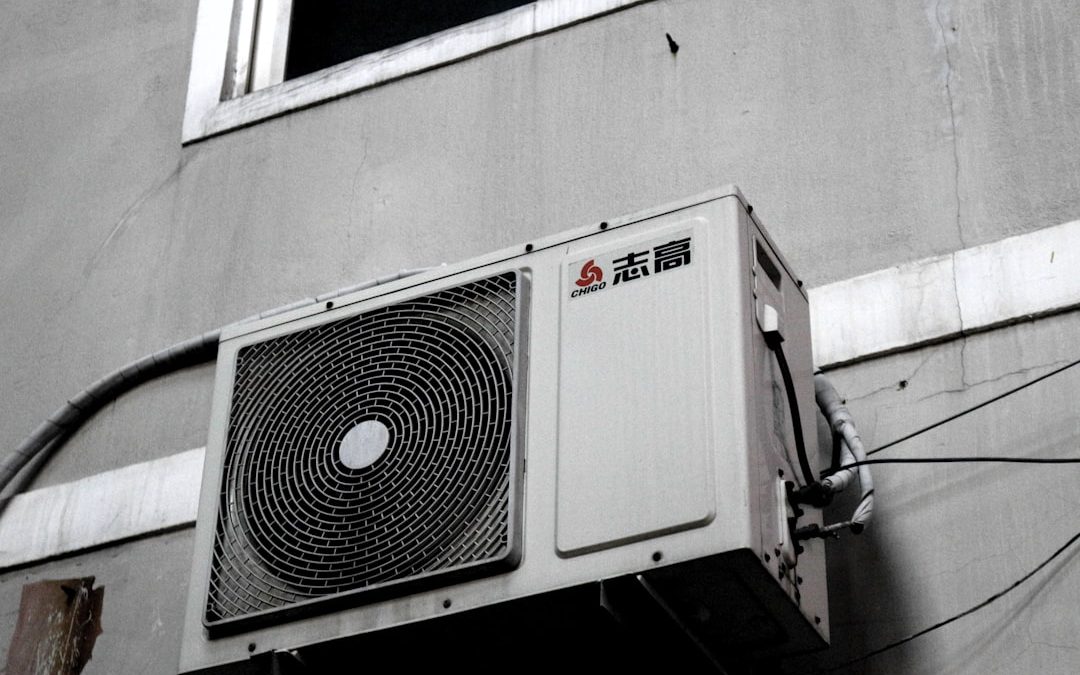
What Is the Typical AC Tune Up Cost in the North Bay?
The average AC tune up cost in the North Bay area—covering Sonoma, Marin, and Napa counties—usually ranges from $120 to $250 per visit for a standard residential system. For commercial spaces or larger units, expect the cost to be higher.
This range reflects what most local HVAC contractors charge for a single, routine maintenance visit. Prices depend on your specific system, location, and service provider. Petaluma businesses often see quotes in the $150–$200 range for a standard rooftop or split-system AC checkup, especially if the work is scheduled pre-season.
Some HVAC companies, including North HVAC Services, may offer seasonal specials or membership plans that reduce per-visit pricing. If your AC system is overdue for maintenance or has known issues, expect the cost to be toward the higher end or include additional repair charges.
What Does an AC Tune-Up Include for the Price?
An AC tune-up generally covers a comprehensive inspection, cleaning, and basic maintenance to keep your air conditioning running efficiently and reliably. Here’s what’s usually included for the base AC tune up cost:
For more on this topic, pioneercommunityenergy.org offers helpful guidance and resources.
- Visual Inspection: Checking all accessible components for wear, leaks, and safety hazards
- Thermostat Calibration: Ensuring your thermostat accurately controls the system
- Electrical Component Check: Tightening connections, testing relays and capacitors
- Refrigerant Level Check: Verifying there’s enough refrigerant (but not refilling unless needed)
- Condenser Coil Cleaning: Washing outdoor coils to improve efficiency
- Evaporator Coil Inspection: Checking for dirt buildup or freezing issues
- Air Filter Replacement: Replacing or cleaning the filter (often included, but specialty filters may cost extra)
- Condensate Drain Flush: Clearing blockages to prevent water damage
- Lubrication: Oiling moving parts if required
- System Performance Test: Running and measuring system output and airflow
Commercial AC tune-ups may also include checking rooftop unit belts, blower motor amperage, and more complex control systems. Always ask for a specific checklist before scheduling your tune up so you know exactly what your AC tune up cost covers.
Which Factors Can Raise or Lower AC Tune Up Costs?
Several factors can increase or decrease your AC tune up cost. Understanding these can help you anticipate pricing and budget more accurately for your business.
- System Size: Larger commercial or multi-zone systems require more time and labor
- System Age: Older units may need extra attention or hard-to-find parts
- Accessibility: Rooftop or hard-to-reach units may incur extra labor charges
- Type of Service: Standard maintenance costs less than diagnostic or emergency visits
- Frequency: Regular tune-ups through a maintenance plan may lower per-visit costs
- Seasonal Demand: Prices typically rise during peak summer months due to higher demand
- Location: Service in remote or high-traffic areas may require travel fees
- Company Policies: Some contractors charge flat rates, while others bill hourly or a la carte
If you have multiple AC units, you may qualify for bulk pricing or discounts. Always request a detailed quote that reflects your business’s unique setup and needs.
How Does AC Tune Up Cost Compare for Different Unit Types?
AC tune up cost varies based on the type and complexity of your air conditioning system. Here’s how costs typically compare:
- Central Air Conditioning: Most common in offices and retail, tune up costs are mid-range—often $150–$250 per unit
- Rooftop Package Units: Popular for commercial spaces, expect $200–$350 due to extra labor and size
- Ductless Mini-Splits: Slightly less per indoor unit (typically $100–$180), but servicing multiple zones adds up
- Window Units: Rarely serviced professionally, but if needed, costs are lower—usually under $100 per unit
- Commercial Chillers or Large-Scale Systems: Can be $500+ per tune up due to specialized equipment and expertise
For businesses with several units—such as restaurants, gyms, or offices—some HVAC contractors offer package rates. Ask North HVAC Services about multi-unit discounts if your Petaluma property has more than one AC system.
Are There Extra Charges to Watch Out For?
Yes, some situations can add to your AC tune up cost. Always ask your HVAC provider if these apply before authorizing service:
- Specialty Air Filters: High-MERV or custom-sized filters may cost extra
- Refrigerant Top-Off: Adding refrigerant is usually billed separately, especially for older systems
- Repairs or Replacement Parts: Anything beyond standard maintenance—like capacitor swaps or fixing leaks—incurs extra labor and materials charges
- After-Hours or Emergency Service: Nights, weekends, or rush appointments often cost more
- Extensive Coil Cleaning: Severe dirt buildup or access challenges may raise the fee
- Travel Fees: Service outside normal coverage areas sometimes includes mileage charges
- Inspection or Diagnostic Fees: If the visit turns into troubleshooting rather than routine maintenance, expect higher charges
Always request a clear, written estimate—including possible add-ons—before work starts. This protects your business from surprise charges and helps you plan your maintenance budget.
Is Paying for an AC Tune Up Worth the Cost?
Yes, regular AC tune ups are almost always worth the cost for business owners. Investing in scheduled maintenance can prevent expensive breakdowns, extend system life, and keep utility bills lower.
For example, a typical North Bay restaurant or office can avoid costly emergency repairs by catching issues early during a tune up. Dirty coils, clogged drains, or worn electrical parts can cause sudden failures—or even require a full system replacement if neglected.
Many manufacturers require proof of ongoing maintenance to keep warranties intact. Skipping yearly tune ups may void your warranty and leave you responsible for major repairs. Regular service also improves indoor air quality and comfort for your staff and customers.
An annual or twice-yearly tune up is a small investment compared to the cost of a major repair, lost business during downtime, or an early replacement. North HVAC Services recommends scheduling routine maintenance before peak cooling season to maximize savings and reliability.
How Can You Save on Your Next AC Tune Up?
You can lower your AC tune up cost in several practical ways. Here are some tips that work for many North Bay business owners:
- Sign Up for a Maintenance Plan: Many HVAC companies offer discounted rates and priority scheduling for members
- Schedule Off-Season: Book tune ups in early spring or fall, when demand (and prices) are lower
- Bundle Services: Combine AC tune ups with heating or ventilation maintenance for package discounts
- Regular Filter Changes: Change your air filters monthly or as recommended to avoid extra labor charges
- Request Multi-Unit Discounts: If you have several AC units, ask about bulk pricing
- Check for Local Rebates: Utility companies sometimes offer incentives for preventative maintenance
- Work with a Local Provider: Local companies like North HVAC Services may have lower travel fees and better responsiveness
Staying proactive with maintenance saves money in the long run and helps avoid peak-season emergencies. Ask your HVAC contractor about ongoing service agreements or special offers for your business type.
How to Get an Accurate AC Tune Up Cost Estimate in Sonoma, Marin, or Napa
To get a precise AC tune up cost estimate, contact a licensed, local HVAC contractor who can review your system, location, and needs. Be prepared to provide information on your unit type, size, age, last service date, and any current issues.
Request a written quote that lists what’s included in the tune up, possible extra charges, and whether discounts or maintenance plans are available. For the most accurate price, schedule a site visit—especially if you manage multiple units or have an older or unique system.
North HVAC Services offers detailed, line-item estimates for AC tune ups in Petaluma, Sonoma, Marin, and Napa. Call (415) 845-6910 today to schedule your inspection, ask questions about your system, or request a custom maintenance plan. Let us help you keep your business comfortable, efficient, and ready for the summer heat.
Frequently Asked Questions
How much does an AC tune-up cost in Petaluma, CA?
An AC tune-up in Petaluma typically costs between $120 and $250 for a standard residential system. Commercial units or rooftop systems can run a bit higher, often in the $150–$200 range, especially if scheduled before the busy season.
What does the price of an AC tune-up include?
The price usually covers a thorough inspection, cleaning, thermostat calibration, electrical checks, and a refrigerant level check. If extra repairs or parts are needed, those are usually charged separately.
Are there ways to save money on AC tune-ups?
Yes, many HVAC companies like North HVAC Services offer seasonal specials or membership plans that can lower the per-visit cost. It’s a good idea to call local providers at (415) 845-6910 and ask about current discounts or maintenance programs.
Will I pay more if my AC hasn’t been serviced in a long time?
You might pay more if your AC system is overdue for maintenance or has existing issues that require extra work. In these cases, the tune-up may include additional repair charges or more extensive cleaning.
Do all HVAC companies in the North Bay charge the same for AC tune-ups?
No, AC tune-up prices can vary depending on the company, your location, and the type of system you have. It’s smart to request quotes from a few local providers to compare services and pricing.
Jun 10, 2026 | HVAC
Does a Heat Pump Breakdown Always Mean Replacement?
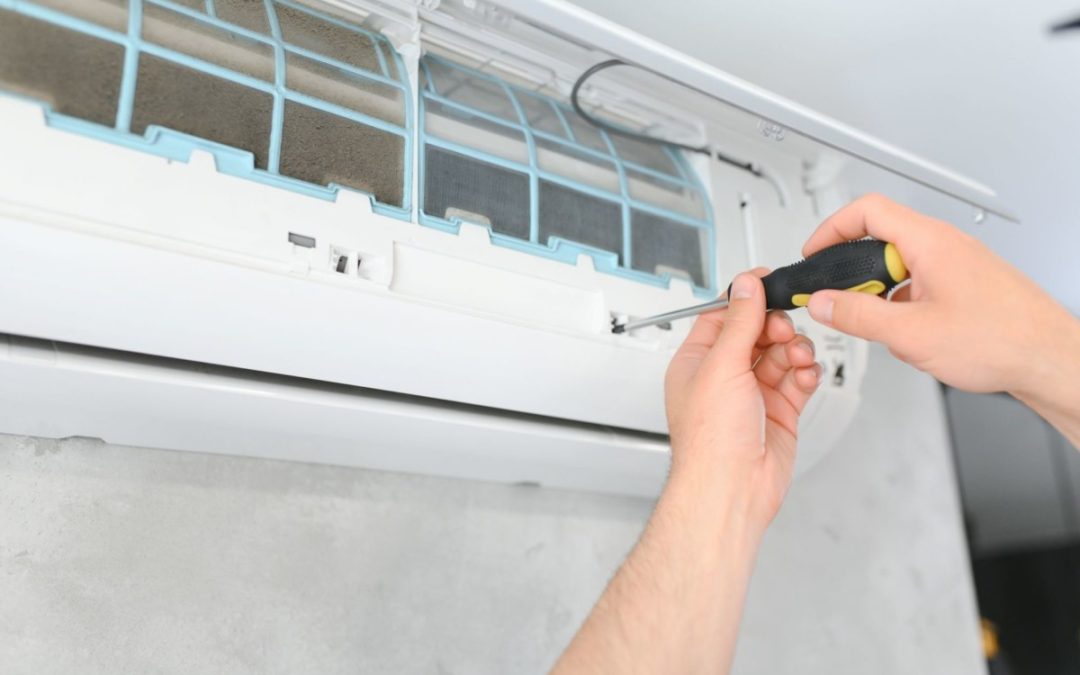
No, most heat pump breakdowns do not mean you need a replacement. Many problems can be fixed with repairs, routine maintenance, or part replacement instead of a full system swap.
When your heat pump stops working or starts acting up, it’s easy to assume the worst. But in reality, heat pumps are made up of many components that can fail independently. A breakdown often means a part needs attention rather than the entire system reaching the end of its life. For example, a faulty capacitor, a dirty coil, or a stuck relay can all cause a system to stop heating or cooling effectively. These issues are common, and experienced HVAC contractors like North HVAC Services in Petaluma, CA, handle them every day. Unless the unit is very old or the cost of repair is close to the price of a new system, replacement is rarely your only option.
What Are the Most Frequent Heat Pump Issues That Don’t Require Replacement?
Most common heat pump problems do not call for a new system. They can usually be fixed with repairs or routine service.
- Thermostat Malfunction: Incorrect settings or a failed thermostat can prevent the system from running. Replacing or recalibrating usually solves this.
- Dirty or Clogged Filters: Blocked airflow makes the heat pump work harder and lowers efficiency. Cleaning or replacing filters restores performance.
- Tripped Breakers or Blown Fuses: Electrical issues often stop a heat pump from running. Resetting breakers or replacing fuses is a quick fix.
- Frozen Coils: Ice buildup on coils can result from dirty filters, low refrigerant, or airflow problems. Thawing and addressing the cause can restore normal function.
- Refrigerant Leaks: Low refrigerant can reduce heating/cooling. Sealing leaks and recharging refrigerant will often solve the issue.
- Faulty Capacitors or Relays: These electrical parts start the compressor and fans. Replacing a failed component gets the system running again.
- Blocked Outdoor Unit: Leaves or debris around the outdoor coil can restrict airflow. Clearing the area is usually all that’s needed.
These issues are routine for HVAC service teams. With prompt heat pump troubleshooting, most breakdowns are resolved without extensive repairs or full replacement.
For further reading, see [PDF] Aqua Comfort Heat Pump Troubleshooting from extnag.tacc.utexas.edu.
How to Approach Heat Pump Troubleshooting Before Deciding on Replacement
Start with basic troubleshooting steps to identify the problem before considering a full replacement. Often, simple checks can pinpoint the cause and save you time and money.
- Check the Thermostat: Ensure it’s set to the correct mode (heat or cool) and temperature. Replace batteries if needed.
- Inspect Air Filters: Dirty filters can block airflow. Clean or replace them if they look clogged.
- Look at the Circuit Breaker: Make sure the breaker for the heat pump hasn’t tripped. Reset if necessary.
- Examine the Outdoor Unit: Remove any debris, leaves, or snow blocking the unit. Good airflow is essential.
- Listen for Unusual Noises: Clicking, humming, or rattling can indicate a minor mechanical or electrical issue.
- Check for Ice: If you see ice on the coils, turn off the system and allow it to thaw. If it happens repeatedly, call a technician.
- Call a Professional: If the system still doesn’t work after these steps, a certified HVAC technician can perform advanced heat pump troubleshooting to diagnose and repair the issue.
These steps help rule out minor problems and can often get your system running again. If you’re unsure, North HVAC Services can help you with expert troubleshooting and honest advice.
Warning Signs That Point to Repair, Not Replacement
Certain symptoms suggest your heat pump simply needs repair, not full replacement. Recognizing these can save you significant costs.
- Sudden Loss of Heating or Cooling: If the system worked recently and stopped abruptly, it’s likely a single component failure.
- Short Cycling: If your heat pump turns on and off rapidly, a thermostat issue or clogged filter is often to blame.
- Unusual Noises: Buzzing, clicking, or rattling noises often come from loose parts or failing relays, not from system-wide problems.
- Frozen or Icy Coils: Ice buildup usually points to a filter, airflow, or refrigerant problem. Thawing and correcting the cause typically solves it.
- Inconsistent Temperatures: Uneven heating or cooling is often caused by minor electrical or thermostat issues, not a failing unit.
- Rising Energy Bills (Sudden): A sudden spike, as opposed to a gradual increase, often means a specific part is malfunctioning, not the whole system.
When you spot these issues, aim for targeted repairs first. Many business owners in Sonoma, Marin, and Napa counties have restored their comfort and savings with timely heat pump troubleshooting, avoiding unnecessary replacements.
When Does a Heat Pump Breakdown Actually Require a Replacement?
A full heat pump replacement is only necessary in certain situations: when the unit is very old, repairs are frequent and costly, or key components like the compressor fail.
If your system is over 12-15 years old and repairs are adding up, investing in a new heat pump may be more cost-effective than ongoing fixes. Similarly, if the compressor or heat exchanger fails—two of the most expensive parts—replacement is usually the smarter choice. Another sign is if your system uses outdated refrigerant (such as R-22), which is no longer produced; repairing leaks or recharging can become prohibitively expensive. Finally, if your unit can no longer heat or cool your building to a comfortable level, despite multiple repairs, it’s probably time to consider a new system. North HVAC Services helps business owners weigh these factors honestly, so you only replace your unit when it truly makes sense.
How Heat Pump Troubleshooting Saves You Money and Prevents Unnecessary Replacements
Thorough heat pump troubleshooting pinpoints the true cause of problems, helping you avoid costly and unnecessary system replacements. Most heat pump issues are isolated and repairable, so skipping troubleshooting can lead to expensive, avoidable decisions.
By identifying a faulty relay, refrigerant leak, or dirty filter, you might spend a fraction of the cost of a new system on the fix. Many business owners in the Petaluma area have saved thousands by choosing repair over replacement when appropriate. Troubleshooting also uncovers underlying issues—like poor maintenance or electrical faults—that, if left unaddressed, could damage a new system as well. A professional approach ensures you only invest in a new heat pump when it’s truly needed, keeping your operating costs low and your building comfortable year-round.
What Should You Do If Your Heat Pump Breaks Down in Sonoma, Marin, or Napa?
If your heat pump fails in Sonoma, Marin, or Napa counties, follow these steps to minimize downtime and costs:
- Check the Basics: Inspect the thermostat, circuit breaker, and air filters for obvious issues.
- Record Symptoms: Note any strange noises, smells, or visible signs like ice or water leaks.
- Turn Off the System: If you suspect electrical or refrigerant issues, switch the unit off to prevent further damage.
- Contact a Licensed HVAC Contractor: Reach out to a trusted provider like North HVAC Services at (415) 845-6910 for prompt heat pump troubleshooting.
- Share Details: Give your contractor as much information as possible to speed up diagnosis and repair.
- Consider Maintenance: If you haven’t serviced the system recently, schedule a full checkup to prevent future issues.
Taking these steps ensures a faster, more accurate diagnosis and can mean the difference between a quick repair and a costly replacement.
How North HVAC Services Helps You Avoid Unnecessary Heat Pump Replacements
North HVAC Services approaches every breakdown with a repair-first mindset. Their experienced technicians perform thorough heat pump troubleshooting to identify the exact issue. Only when repair is not practical or cost-effective will they suggest replacement.
They use advanced diagnostic tools and years of hands-on experience to find and fix common problems—like faulty relays, refrigerant leaks, or electrical failures—quickly and efficiently. Business owners throughout Petaluma, Sonoma, Marin, and Napa counties trust North HVAC Services for honest advice and clear explanations. If a repair will restore your system’s performance, you’ll know right away. If replacement is truly necessary, they’ll help you weigh your options and make the best decision for your budget and building.
Don’t let a heat pump breakdown disrupt your business or lead to unnecessary expenses. Call North HVAC Services at (415) 845-6910 for expert heat pump troubleshooting and honest solutions that fit your needs.
Frequently Asked Questions
What should I do if my heat pump stops working suddenly?
If your heat pump stops working, check your thermostat settings, circuit breakers, and air filters first. Many issues like tripped breakers, clogged filters, or thermostat errors can be fixed without professional help. If these steps don’t solve the problem, call a qualified HVAC contractor like North HVAC Services in Petaluma, CA for further troubleshooting.
How can I tell if my heat pump needs repair or full replacement?
Most heat pump problems only require repair, not replacement, unless your unit is very old or repairs are nearly as expensive as a new system. Common issues like faulty capacitors, dirty coils, or bad relays are often fixable. Have a technician inspect the system to determine the best course of action.
Why is my heat pump not heating or cooling properly?
If your heat pump isn’t heating or cooling well, check for dirty air filters, incorrect thermostat settings, or blocked outdoor units. Clearing debris and replacing filters can often restore performance. If the issue persists, contact a pro at (415) 845-6910 for diagnosis.
What are common heat pump problems I can fix myself?
You can usually handle simple issues like replacing air filters, resetting circuit breakers, and making sure the thermostat is set correctly. These basic steps solve many common heat pump problems. For anything more complex, it's safer to call a licensed HVAC technician.
How often should I schedule maintenance to prevent heat pump breakdowns?
It's best to schedule professional heat pump maintenance at least once a year to keep your system running smoothly. Regular servicing helps catch small issues before they lead to breakdowns. North HVAC Services can help you set up a maintenance schedule that fits your needs.

Jun 3, 2026 | HVAC, HVAC Maintenance
Marin County businesses have a short pre-summer window: typically May through early June, to inspect and service commercial HVAC systems before peak cooling demand arrives. North HVAC Services walks through a 12-point maintenance checklist, explains what a licensed commercial inspection covers, and breaks down the cost difference between scheduled service and an emergency repair call. If your property hasn’t had a pre-season inspection this spring, act now – before your calendar fills and temperatures climb.
Why Marin County Summers Push Commercial Cooling Systems to the Limit
Marin County’s climate carries more complexity than a standard California summer. Coastal communities – Mill Valley, Sausalito, Tiburon – often stay cool through much of the day under the Pacific marine layer. But inland areas, including San Rafael and Novato, regularly see temperatures climb into the mid-to-upper 90s during July and August heat events, often within hours of a cool morning fog burn-off.
According to WeatherSpark’s climate data for San Rafael, the region’s hot season runs from late June through September, with peak afternoon temperatures typically occurring between 2 and 5 PM, precisely when retail floors, restaurant dining rooms, and office buildings carry their highest occupant loads.
Commercial rooftop units and split systems bear the full weight of that demand. Systems operating below capacity due to dirty coils, low refrigerant charge, or worn electrical components often fail during any early sustained heat event of the season. That pattern: deferred service meeting peak demand, is one of the most predictable causes of mid-summer HVAC failures in the North Bay.
The California Energy Commission’s Commercial End-Use Survey identifies HVAC systems, including space cooling, as among the top energy consumers in California’s commercial building sector. When systems aren’t properly maintained heading into summer, that cost reflects directly on monthly utility statements.
May and early June represent the right time to act. Service appointments are still available, replacement parts aren’t on backorder, and problems can be identified and resolved before summer heat puts systems under full load.

Your Pre-Summer Commercial HVAC Maintenance Checklist
Running through the following 12 tasks before summer arrives keeps systems operating at rated capacity and reduces the risk of unexpected downtime. Some items are appropriate for facility staff to handle. Others require a licensed, EPA-certified technician.
| Task |
Recommended Frequency |
Why It Matters |
| Air filter inspection and replacement |
Monthly to quarterly |
Restricted airflow forces systems to run harder and longer |
| Condenser coil cleaning |
Annually (pre-summer) |
Fouled coils reduce heat rejection and raise energy draw |
| Evaporator coil cleaning |
Annually |
Dirty coils cut cooling capacity and can cause system icing |
| Refrigerant level check and leak inspection |
Annually |
Low charge strains compressors and reduces cooling output |
| Electrical testing (contactors, capacitors, wiring) |
Annually |
Worn electrical parts are a leading cause of summer failures |
| Belt, motor, and bearing inspection |
Annually |
Mechanical wear causes inefficiency and unexpected shutdowns |
| Thermostat calibration and controls verification |
Seasonally |
Miscalibrated controls waste energy and reduce comfort consistency |
| Ductwork inspection for leaks and insulation gaps |
Every 2–3 years |
Leaky ducts can waste 20–30% of conditioned air before it reaches occupied zones |
| Condensate drain clearing |
Annually (pre-summer) |
Blocked drains cause water damage, mold growth, and system shutdowns |
| Damper function check |
Annually |
Failed dampers allow unconditioned air into occupied spaces |
| Outdoor unit clearance and debris removal |
Seasonally |
Blocked units overheat and lose efficiency under sustained load |
| Building automation system (BAS) verification |
Seasonally |
Incorrect scheduling and setpoints drive unnecessary energy costs |
Filter replacement, thermostat checks, and outdoor unit clearance are tasks facility staff can handle on a regular basis. Refrigerant handling, electrical diagnostics, and coil cleaning are a different matter. Under EPA Section 608 technician certification requirements, any technician who maintains, services, repairs, or disposes of equipment involving refrigerants must be certified – not just as a compliance formality, but to protect both the equipment and the people working on it.
What to Expect from Santa Rosa HVAC Contractors During a Commercial Tune-Up
A commercial HVAC inspection is a substantially different scope of work from a residential service call. Property managers who understand what a thorough inspection covers are far better positioned to evaluate proposals, ask the right questions, and hold contractors accountable for the work performed.
When Santa Rosa HVAC contractors arrive at a commercial property, a licensed technician should bring diagnostic tools capable of catching problems that a visual check alone would miss:
- Refrigerant analyzers to verify charge levels and detect active leaks
- Thermal imaging cameras to identify hot spots in electrical panels, ductwork, and mechanical components
- Amp draw meters to check that motors and compressors are operating within rated specifications
- Static pressure gauges to evaluate airflow distribution across duct systems
- Combustion analyzers for gas-fired rooftop units
Inspection duration depends on system count and size. A single packaged rooftop unit typically takes two to three hours. Properties with multiple zones should plan for a full-day engagement. Multi-building commercial portfolios often benefit from a service agreement that schedules inspections on a defined calendar throughout the year.
After the inspection, you should receive written documentation: a system condition report, photographs of components showing wear or failure, and a prioritized list of recommended repairs. That documentation supports capital planning conversations with ownership and protects property managers when tenants raise comfort complaints under their lease terms.
At North HVAC Services, our EPA-certified technicians provide written service reports on every commercial visit across Marin, Sonoma, and Napa counties. Clear documentation is a standard part of how we work – not an add-on.
The Real Cost of Skipping Summer HVAC Prep
Scheduling commercial HVAC maintenance before summer becomes a clear financial decision once you factor in what a mid-season failure actually costs – across emergency repairs, lost revenue, and accelerated equipment wear.
For restaurants, retail operations, and hospitality businesses, an HVAC failure during a July heat event doesn’t just create discomfort. A dining room reaching 85 degrees or a retail floor with no cooling drives customers out and, in some cases, forces a temporary closure. Emergency service calls carry premium rates, and parts availability during peak season can extend downtime by days.
On the energy side, the U.S. Department of Energy notes that simply replacing a clogged air filter with a clean one can lower an air conditioner’s energy consumption by 5 to 15 percent. Across an entire season of deferred maintenance – dirty coils, low refrigerant charge, worn components left unaddressed – the cumulative efficiency loss in commercial systems runs considerably higher. For a property operating multiple units through a full California cooling season, that gap shows up directly on monthly utility statements.
| Service Scenario |
Estimated Average Cost |
Notes |
| Scheduled annual tune-up (single unit) |
$150–$500 |
Per unit; varies by system size and contractor |
| Refrigerant recharge (per pound, R-410A) |
$100–$350 |
Higher when leak diagnosis and repair are included |
| Condenser fan motor replacement (emergency) |
$200–$500 |
After-hours and same-day labor premiums apply |
| Compressor replacement (mid-season failure) |
$800–$2,300+ |
Most costly single-component repair; commercial systems trend toward the higher end |
| Full rooftop unit replacement (emergency) |
$5,000–$15,000+ |
Varies by tonnage, brand, and installation complexity |
Cost estimates are based on HomeAdvisor HVAC repair data and industry cost references. Actual pricing varies by equipment type, location, labor rates, and emergency service requirements.
Property managers also carry lease and liability considerations. A documented service history is often the most straightforward line of defense when tenant comfort or air quality disputes arise under a lease agreement. Systems without regular service can accumulate microbial growth on coils and drain pans, circulating contaminants through occupied office and retail spaces – a detail that increasingly comes up in lease conversations and tenant health discussions.

How to Choose an HVAC Contractor in Santa Rosa, CA, for Your Business
Finding reliable service often starts with a search for HVAC service near you, helping you to connect with local professionals. That can return a list of options quickly. Knowing how to evaluate those results is what actually protects your property, your tenants, and your operating budget.
Here’s what to verify before committing to a service agreement:
- California C-20 license: HVAC contractors in California must hold a C-20 Warm-Air Heating, Ventilating, and Air-Conditioning license. Verify any contractor’s active status through the CSLB’s HVAC contractor licensing page, where you can confirm the license is current and in good standing.
- EPA Section 608 certification: Required by federal law for any technician handling refrigerants. This is a baseline requirement for commercial work, not a bonus credential.
- Manufacturer authorizations: Dealer authorizations from Trane, Mitsubishi, or Day & Night signal technicians trained to manufacturer service standards. North HVAC Services holds Authorized Factory Dealer status for both Trane and Day & Night, along with Diamond Authorized Dealer status for Mitsubishi: credentials that directly protect equipment warranties and confirm a higher level of technician training.
- Commercial liability insurance and bonding: Verify that coverage levels are appropriate for your property type and tenant occupancy.
- Service contract structure: Understand what the annual fee covers, what gets billed separately, response time commitments for emergency calls, and whether after-hours service is included.
- References from comparable commercial accounts: Experience with multi-unit commercial properties is meaningfully different from residential service work. Ask specifically for similar-sized commercial references.
Finding the right HVAC contractor in Santa Rosa, CA, for a commercial property takes more than checking a star rating. The credentials above represent the minimum standard for work that protects your equipment, your lease obligations, and the people inside your building.
How often should a commercial HVAC system be serviced?
Most commercial systems benefit from at minimum two inspections per year – one before the cooling season and one before the heating season. High-use applications, including restaurants, medical facilities, and 24-hour operations, often require quarterly visits to maintain performance and meet applicable health and safety requirements.
What does a commercial HVAC maintenance contract typically include?
A standard HVAC maintenance contract covers two scheduled inspections annually, filter replacements at each visit, coil cleaning, electrical component testing, refrigerant level verification, and priority scheduling for service calls. Many agreements also offer discounted labor and parts rates for repairs identified during planned inspection visits.
Can routine maintenance actually lower commercial energy bills?
Yes. Clean coils, properly charged systems, calibrated controls, and unobstructed airflow all contribute to a system running at rated efficiency. A system losing efficiency each year from deferred maintenance will show measurable cost differences on monthly utility statements – particularly across a full California cooling season.
Get Your Marin County Business Summer-Ready with North HVAC Services
The pre-summer service window in Marin County is short. Once late June arrives, booking a licensed commercial HVAC inspection becomes considerably harder, and waiting becomes more expensive.
North HVAC Services has served commercial and residential clients across Marin, Sonoma, and Napa counties since 1988. Our team includes EPA-certified technicians, Authorized Factory Dealers for Trane and Day & Night, and Diamond Authorized Dealer status for Mitsubishi – meaning every inspection is backed by manufacturer-trained technicians, not just general trade knowledge.
To schedule your pre-summer commercial inspection, explore our commercial HVAC services and maintenance tune-up programs, or request a maintenance contract quote. Call us directly at (415) 845-6910 (Marin County); (707) 430-3360 (Sonoma County) or email northhvacservices@gmail.com. You can also visit our Contact Page to get started. Your cooling season is coming – let’s get ahead of it.