
Mold and mildew are more than just unsightly patches in your home. These hidden dangers can lead to serious health issues and compromise the structural integrity of your property. In Occidental, where the climate creates ideal conditions for mold growth, understanding and addressing these issues is crucial for homeowners. This guide will help you uncover the hidden dangers of mold and mildew, offering practical advice to keep your home safe and healthy.
Understanding Mold and Mildew in Your Home
Mold and mildew thrive in damp, humid environments. They are types of fungi that can grow on a variety of surfaces, including walls, ceilings, and even furniture. While mildew is usually white or gray and has a powdery texture, mold can be black, green, or blue and often appears as fuzzy or slimy spots.
The growth of mold and mildew is often linked to moisture problems. In Occidental, the frequent rains and high humidity levels make it an ideal breeding ground for these fungi. Homes with poor ventilation, leaky roofs, or plumbing issues are particularly vulnerable. Identifying the presence of mold early is essential to prevent its spread and mitigate potential damage.
Potential Health Risks
Exposure to mold and mildew can pose significant health risks. Mold spores can trigger allergies and respiratory problems, especially in individuals with asthma or weakened immune systems. Symptoms such as sneezing, coughing, skin rashes, and watery eyes are common.
In severe cases, prolonged exposure to mold can lead to more serious health issues such as chronic sinus infections or lung problems. Children and the elderly are particularly susceptible, making it crucial to address any mold issues promptly.
- Allergic reactions: sneezing, runny nose, skin irritation
- Respiratory issues: coughing, wheezing, asthma attacks
- Severe complications: chronic lung conditions, infections
Structural Damage to Your Home
Beyond health concerns, mold and mildew can cause significant structural damage to your home. They feed on organic materials, breaking down wood, drywall, and other building components. Over time, this can weaken the structure of your home, leading to costly repairs.
For example, a minor roof leak, if left unchecked, might result in extensive mold growth in the attic, compromising the roof’s integrity. By regularly inspecting areas susceptible to moisture, you can catch these issues early. Scheduling regular heating system upkeep can help identify heating problems that might contribute to moisture buildup.
Preventing Mold and Mildew Growth
Prevention is the key to managing mold and mildew. By controlling moisture levels and maintaining proper ventilation in your home, you can significantly reduce the risk of fungal growth.
Effective Moisture Control
Maintaining a dry environment is essential for preventing mold. Ensure that your home is well-ventilated, especially in areas like bathrooms, kitchens, and basements. Install exhaust fans and regularly check for leaks in plumbing and roofing. A dehumidifier can be a worthwhile investment in particularly humid areas.
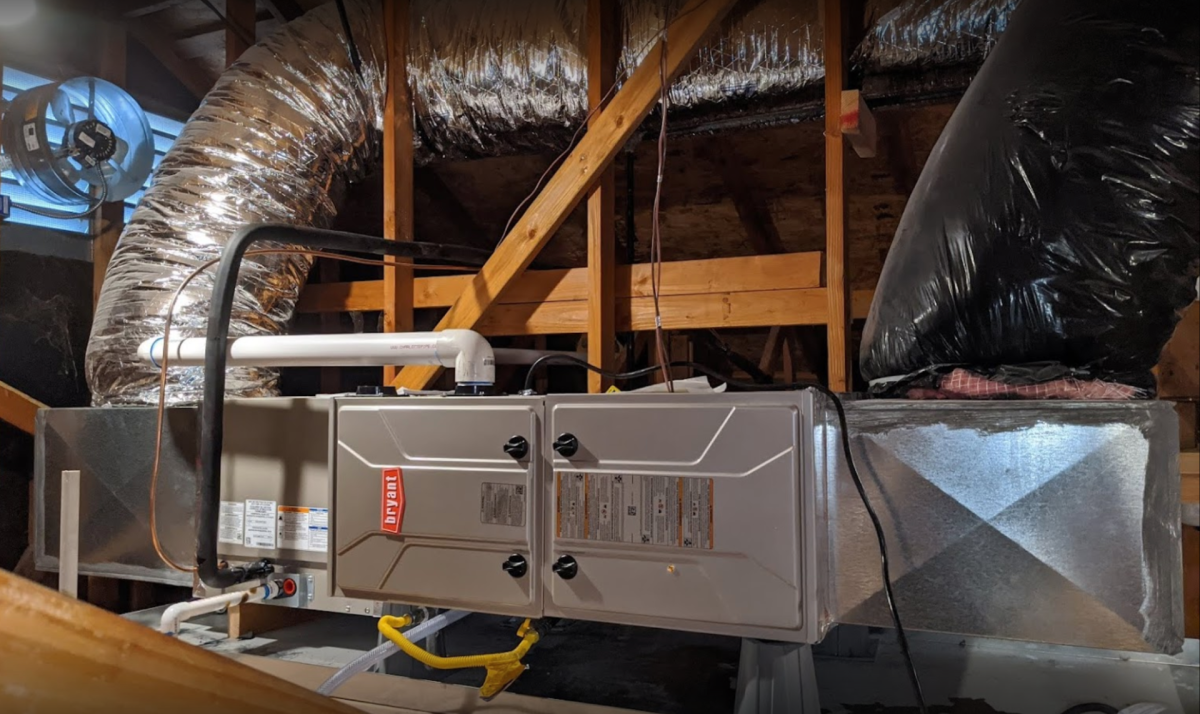
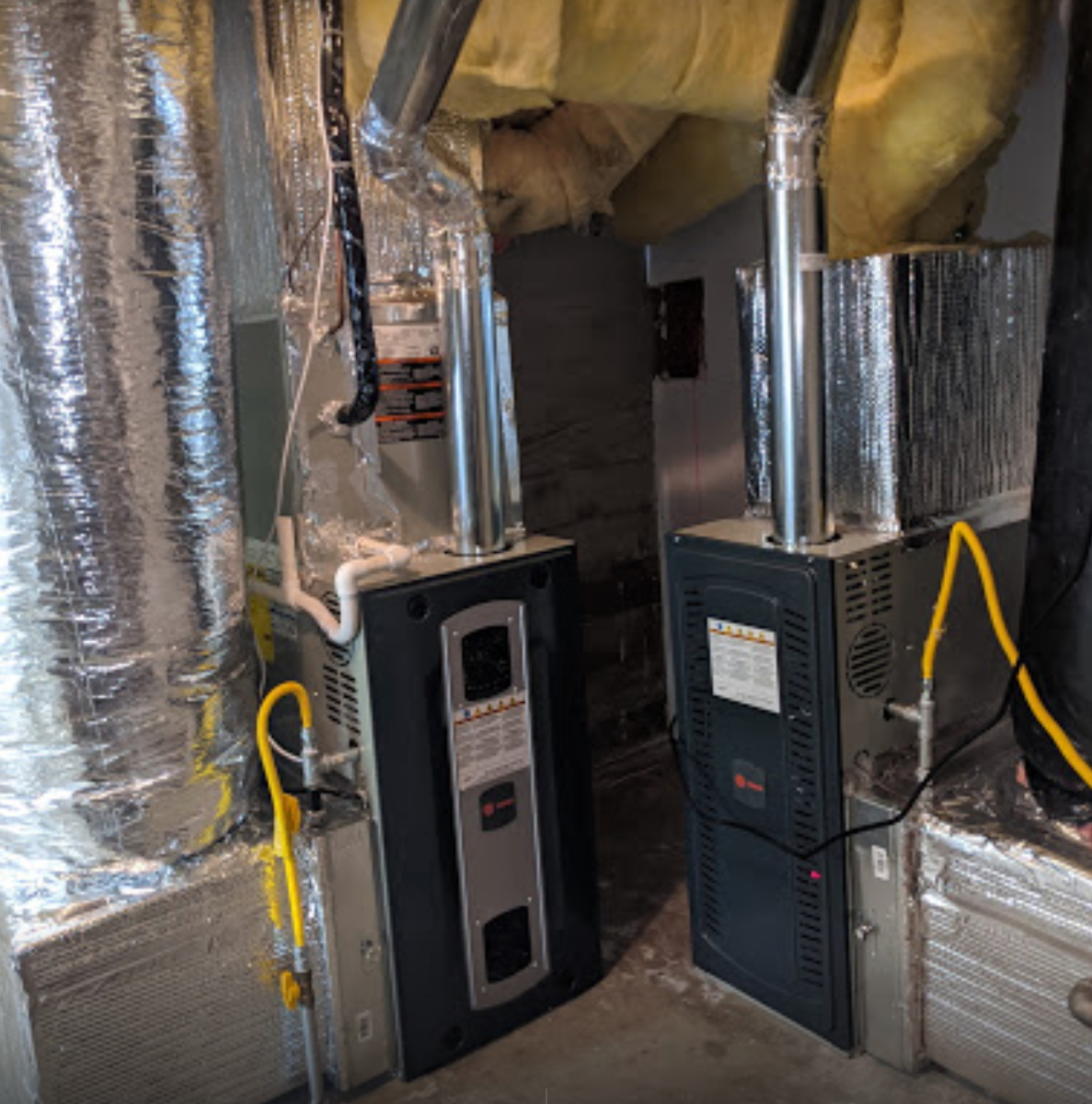
Regular inspections and maintenance of your home’s HVAC system can prevent issues that contribute to moisture buildup. For instance, if your furnace isn’t working efficiently, it could lead to increased humidity levels. Scheduling a furnace tune-up can help ensure everything functions properly.
Proper Ventilation
Proper ventilation is a crucial factor in preventing mold and mildew. Make sure that air circulates freely throughout your home, and use fans as needed to enhance airflow. In areas prone to moisture, like bathrooms, make sure that vents lead outside and are not blocked.
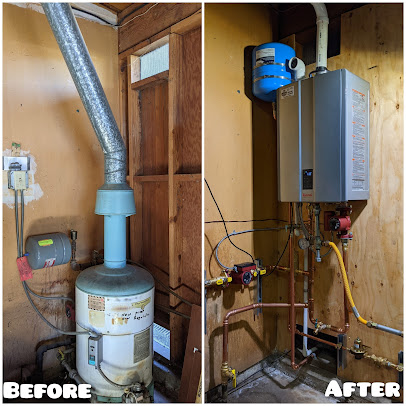
Consider installing energy-efficient heating systems that help maintain an ideal indoor environment. These systems can reduce humidity and improve overall air quality, making your home less hospitable to mold and mildew.
Remediation and Cleanup
If you discover mold or mildew in your home, it’s important to act quickly. While small areas of mold can sometimes be handled by homeowners, larger infestations require professional intervention to ensure complete removal and to prevent recurrence.
DIY Mold Removal
For small mold problems, you can often handle the cleanup yourself. Use gloves, goggles, and a mask for protection. Clean the area with a mixture of water and detergent or a commercial mold cleaner. Ensure the area is thoroughly dried afterwards to prevent regrowth.
However, it’s important to be cautious. If the area is larger than 10 square feet, or if you’re dealing with black mold, it’s best to call in professionals who have the tools and expertise to safely manage the situation.
Professional Mold Remediation
Professional remediation involves a comprehensive approach to mold removal. Specialists will assess the extent of the infestation, contain the affected area, and remove the mold using specialized equipment.
They’ll also address the underlying causes of mold growth to prevent future issues. This might involve fixing leaks, improving ventilation, or suggesting heating upgrade options to better control indoor humidity.
Maintaining a Mold-Free Home
Keeping your home free from mold and mildew is an ongoing process. Regular maintenance, vigilance, and quick action when issues arise are key to ensuring a safe and healthy living environment.
Consider scheduling routine inspections of your HVAC system with North HVAC Services. Our team can help identify potential issues that might lead to excess moisture, offering solutions like ac troubleshooting or heating system checks to maintain optimal indoor conditions.
By staying proactive, you can protect your family’s health and the structural integrity of your home. Contact North HVAC Services today to learn more about our comprehensive services and how we can assist in keeping your Occidental home safe from the hidden dangers of mold and mildew.