
Common Thermostat Issues Causing Warm Air
If your air conditioner is blowing warm air, one of the first places to check is the thermostat. This small device is the control center of your cooling system, and even minor issues can lead to major discomfort. Imagine setting your thermostat to a cool 72 degrees, yet feeling a wave of warm air instead. Frustrating, right?
One common problem is incorrect thermostat settings. It’s easy to accidentally switch the setting from “cool” to “heat” or “fan only.” This might seem obvious, but it’s a mistake many homeowners make, especially if they have a digital thermostat with multiple settings. Verify that your thermostat is set to “cool” and the fan is set to “auto” to ensure the system operates as intended.
Another issue could be the thermostat location. If it’s placed in direct sunlight or near heat-producing appliances, it can misread the room temperature, causing your AC to blow warm air. Relocating the thermostat to a more central and neutral location in your home can help solve this problem.
Finally, consider the age and functionality of your thermostat. Older models might not work accurately, leading to performance issues. Upgrading to a programmable or smart thermostat can improve efficiency and ensure your air conditioning system works properly. If you’re unsure, North HVAC Services can assist with air conditioner diagnostics to determine if your thermostat is the culprit.
Low Refrigerant Levels in Your AC
Low refrigerant levels are another common reason why your air conditioner might blow warm air. Refrigerant is essential for cooling the air, and without enough of it, your system can’t perform effectively. Think of refrigerant as the lifeblood of your AC system; without it, cooling is impossible.
When there’s a refrigerant leak, your AC can’t extract heat from the air, resulting in warm air being circulated instead. Signs of low refrigerant include ice buildup on the refrigerant line or evaporator coil and a noticeable hissing or bubbling noise near the AC unit.
Refrigerant issues aren’t something you can fix yourself. It’s crucial to contact a professional for air conditioning repair. A trained technician can safely check your system for leaks and recharge the refrigerant to the correct levels. At North HVAC Services, we offer comprehensive ac troubleshooting to identify and resolve refrigerant issues efficiently.
Dirty or Clogged Air Filters Impacting Performance
Air filters play a vital role in maintaining your AC’s efficiency. When these filters get clogged with dust and debris, it restricts airflow, causing your air conditioner to work harder than necessary. This can lead to the system blowing warm air since it can’t circulate enough cool air.
For those concerned with AC blowing warm air, think of air filters as the lungs of your AC system. When they’re clogged, the system struggles to breathe, impacting performance and energy efficiency. If you can’t remember the last time you changed your air filter, it’s probably overdue. Ideally, filters should be checked every month and replaced every 1-3 months, depending on the type and usage.
For further reading, see What to Check When Your AC is Blowing Warm Air in Summer from ihaci.org.
- Reduced airflow from vents
- Higher energy bills due to increased workload
- Increased dust accumulation in your home
Regular air conditioning maintenance and tune-ups can help keep your filters clean and your system running smoothly. By scheduling routine ac maintenance, you can prevent common issues and extend the lifespan of your air conditioning unit.
Frozen Evaporator Coils and Their Effect
Another reason your AC might be blowing warm air is frozen evaporator coils. These coils are responsible for absorbing heat from the air inside your home. When they freeze, they can’t perform this function effectively, leading to warm air circulation.
Frozen coils can result from several issues, including low refrigerant levels, dirty air filters, or even a malfunctioning blower fan. When coils freeze, they stop absorbing heat, and the cooling process is disrupted. You might notice ice forming around the coil area or even water leaking from the unit as the ice melts.
Resolving this issue often requires professional intervention. North HVAC Services can provide air conditioning repair to diagnose and fix the root cause of coil freezing. Whether it’s a refrigerant leak or another underlying problem, our team can restore your system to optimal performance.
Electrical Problems Leading to Warm Air
Electrical problems can also be a source of trouble when your AC is blowing warm air. The electrical components of your air conditioning system, such as capacitors, fuses, and wiring, are crucial for its operation. If any of these components fail, the entire system can be compromised.
For instance, a blown fuse or tripped circuit breaker can cut power to the compressor or fan, preventing the system from cooling the air. Similarly, faulty wiring can cause inconsistent power supply, affecting the system’s performance.
Electrical issues can be dangerous to handle without proper knowledge and tools. It’s best to leave these problems to professionals. North HVAC Services provides ac troubleshooting to safely identify and repair electrical faults, ensuring your system is safe and effective.
Compressor Issues Causing Ineffective Cooling
The compressor is the heart of your air conditioning system. It pumps refrigerant through the system, allowing it to remove heat from your home. If the compressor isn’t working correctly, your AC will blow warm air.
Compressor issues can stem from electrical problems, low refrigerant levels, or even overheating. You might notice strange noises coming from the unit or the AC cycling on and off without cooling effectively.
Repairing or replacing a compressor is a complex task that requires professional expertise. North HVAC Services can conduct air conditioner system diagnostics to determine if the compressor is the problem and recommend the best course of action to restore your system’s cooling capabilities.
Blocked Condenser Unit Preventing Heat Dispersion
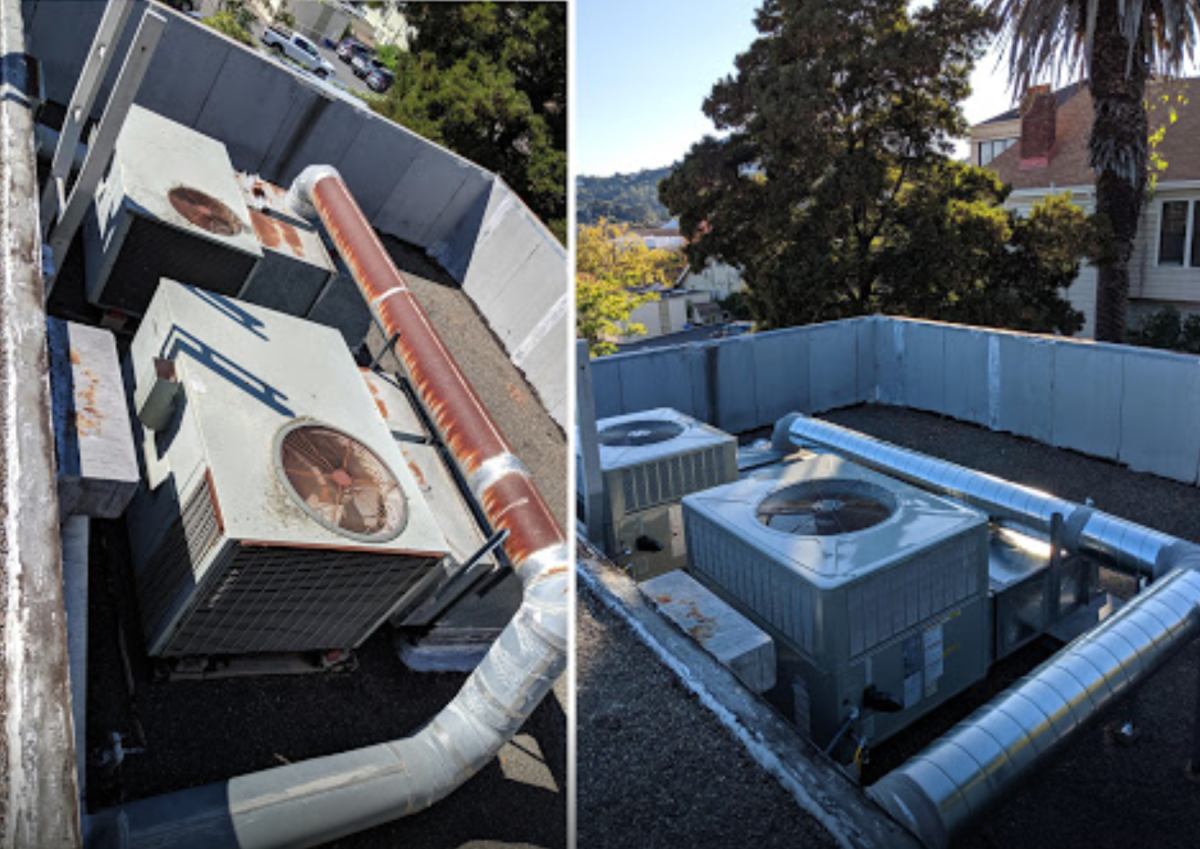
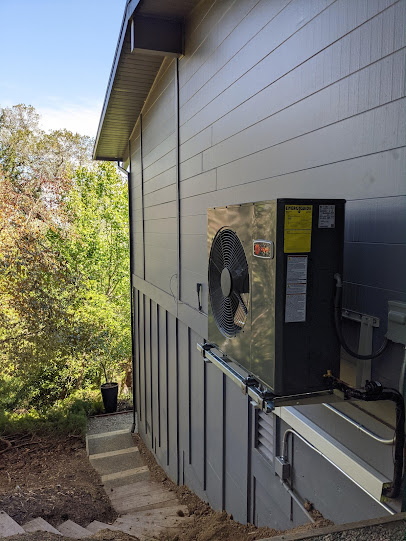
The condenser unit plays a crucial role in releasing the heat absorbed from your home. If the condenser is blocked by debris, dirt, or vegetation, it can’t disperse heat effectively, causing your system to blow warm air.
Imagine trying to cool yourself with a fan while wrapped in a thick blanket. That’s essentially what happens when the condenser is blocked. Regular cleaning and maintenance are vital to keep the condenser unit clear and functioning properly.
- Ensure the area around the condenser is free from debris
- Trim any plants or bushes that might obstruct airflow
- Schedule regular AC maintenance to prevent blockages
By keeping the condenser unit clean, you help ensure efficient heat dispersion and optimal cooling performance. North HVAC Services is here to assist with any ac performance issues to keep your home comfortable.
When to Call a Professional for AC Blowing Warm Air
While some air conditioning issues can be resolved with simple DIY solutions, others require the expertise of a professional. If you’ve checked the common causes of your AC blowing warm air and still can’t fix the problem, it’s time to contact a professional.
North HVAC Services is ready to help with any air conditioning services you need. Whether it’s ac troubleshooting, a complete air conditioning repair, or an ac tune-up, our team has the expertise to get your system back on track.
Don’t let warm air disrupt your comfort. Contact North HVAC Services at (415) 845-6910 for a FREE estimate and ensure your home stays cool and comfortable all year round.
Frequently Asked Questions
Why is my air conditioner blowing warm air instead of cool?
Your air conditioner may be blowing warm air due to incorrect thermostat settings. Ensure your thermostat is set to 'cool' and the fan is on 'auto.' Also, check if the thermostat is in a location free from direct sunlight and heat sources.
Could the location of my thermostat affect my AC's performance?
Yes, if your thermostat is located in direct sunlight or near heat-producing appliances, it can misread the room temperature and cause your AC to blow warm air. Moving it to a central, neutral location can help resolve this issue.
How can I tell if my thermostat needs to be replaced?
If your thermostat is old and causing performance issues, such as inaccurate temperature readings, it might be time for an upgrade. Consider installing a programmable or smart thermostat for better efficiency. North HVAC Services can assist you with diagnostics and installation.
What should I check if my AC is blowing warm air?
Start by checking your thermostat settings to ensure it's on 'cool' and the fan is set to 'auto.' Also, inspect the thermostat's location and age. If issues persist, contact North HVAC Services at (415) 845-6910 for a professional diagnosis.