
Understanding Room-Specific Temperature Differences
Have you ever wondered why some rooms in your house feel like an icebox while others remain comfortably warm? This common issue can be puzzling, but understanding the reasons behind these temperature differences can help you address the problem effectively. Factors such as insulation, HVAC design, and ventilation play significant roles in how to solve temperature differences between rooms. By delving into these elements, homeowners can gain insights into the dynamics of their home’s heating and cooling efficiency.
The Role of Insulation in Temperature Imbalances
Insulation is a critical factor that affects how warm or cold a room feels. Rooms with inadequate or poor-quality insulation are more likely to experience significant temperature swings. Insulation functions by trapping air and reducing heat loss, and when it’s insufficient, the cold air from outside can seep in, making a room feel much colder compared to others.
Consider older homes, which often have outdated or deteriorated insulation. These homes are prone to having rooms that feel much colder because the insulation no longer effectively retains heat. Upgrading to modern insulation materials can help mitigate this issue. For instance, using spray foam or high-rated fiberglass insulation can significantly improve a room’s thermal resistance.
This is often where heating services become essential for identifying the root cause. Professional evaluations can determine whether your insulation is up to par and suggest appropriate upgrades.
Impact of Windows and Doors on Room Temperature
Windows and doors are another major influence on the temperature of a room. Drafty windows and poorly sealed doors can let in cold air, turning a room into an icebox. Single-pane windows, in particular, are notorious for their ineffectiveness in maintaining consistent indoor temperatures.
- Single-pane windows allow more heat to escape compared to double or triple-pane options.
- Poorly sealed doors can contribute to drafts and heat loss.
- Window treatments, such as thermal curtains, can help reduce heat loss.
Replacing old windows with energy-efficient models or adding storm windows can make a significant difference. Additionally, weather stripping around doors and windows is a simple and cost-effective solution to prevent drafts.
HVAC System Design and Its Effect on Room Temperature
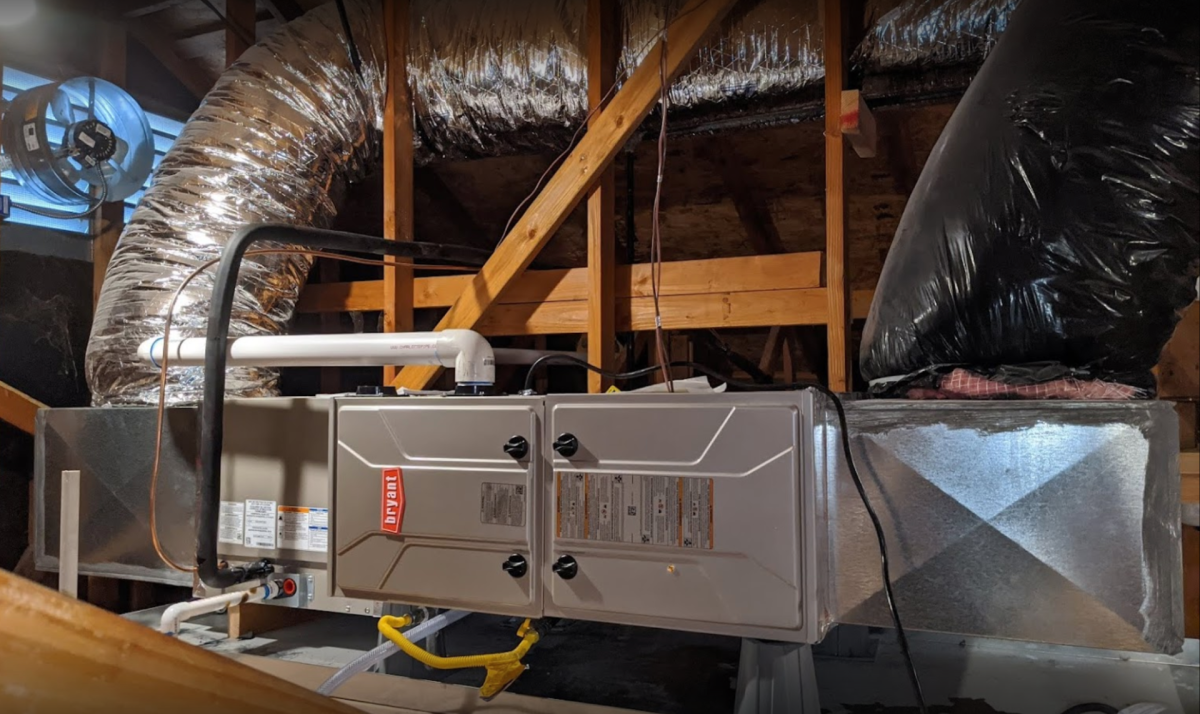
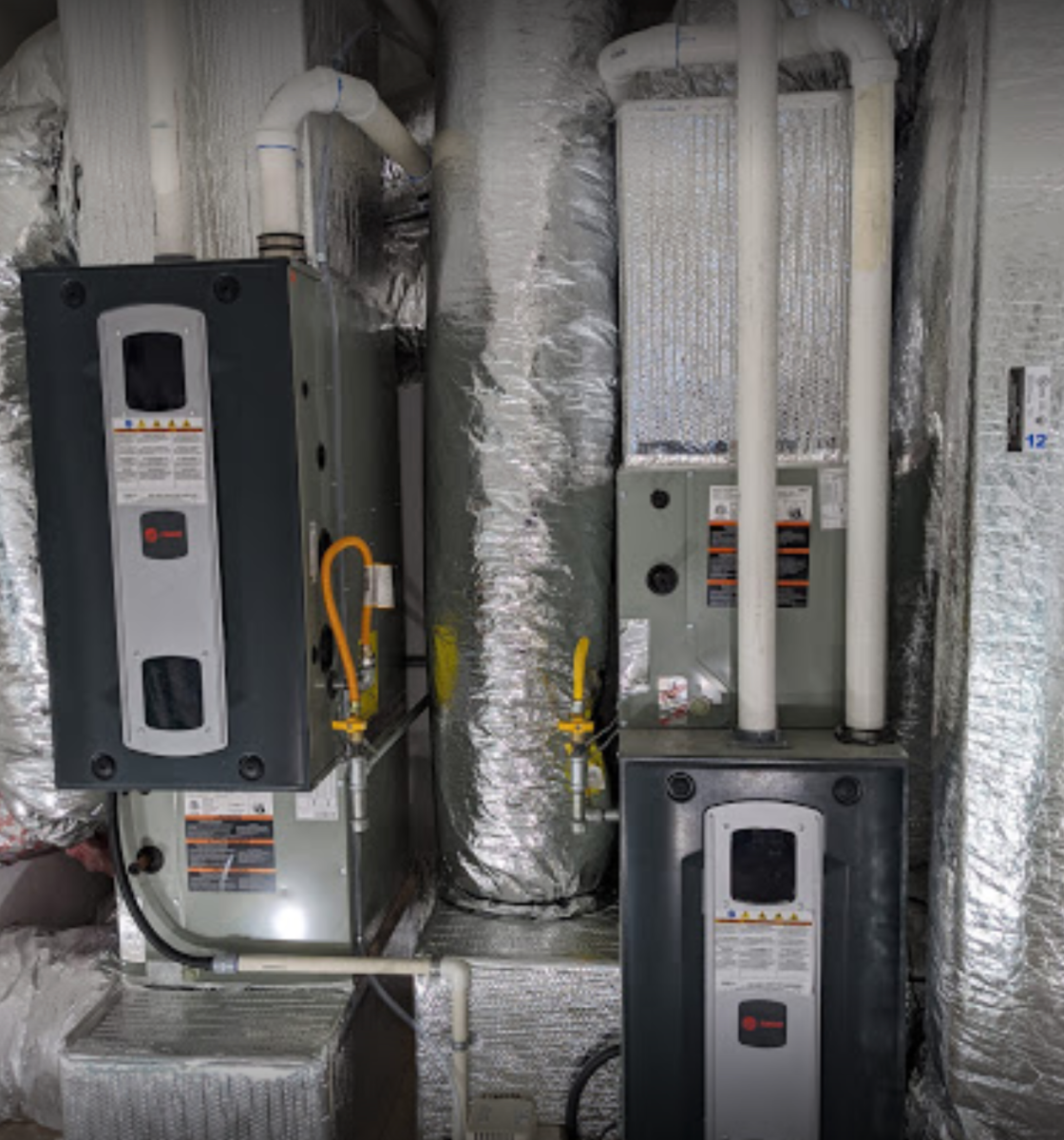
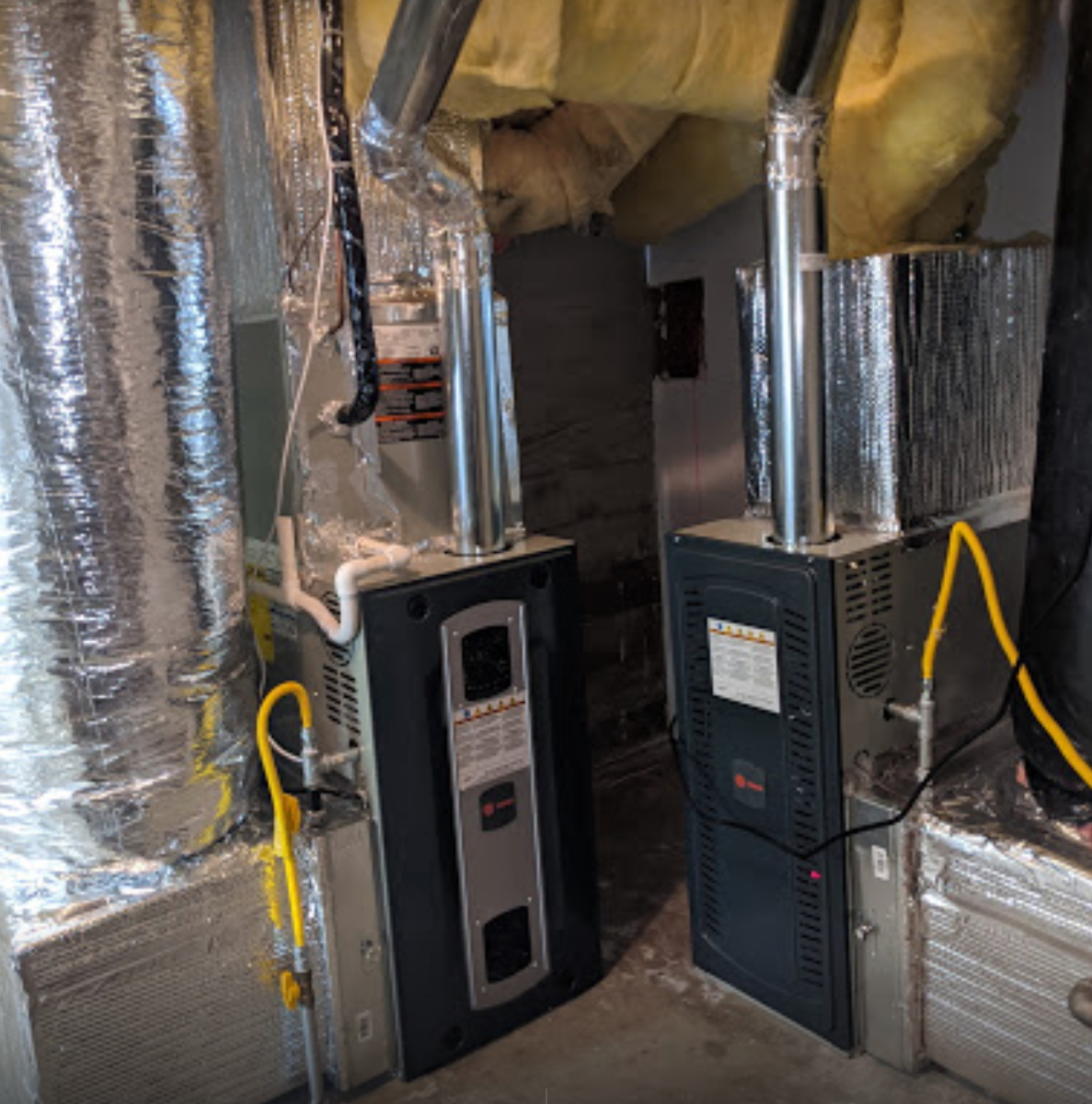
The design and layout of your HVAC system play a crucial role in how evenly heat is distributed throughout your home. If certain rooms feel colder than others, it might be due to an imbalance in your HVAC system’s airflow or an outdated system design.
A properly designed HVAC system should deliver consistent airflow to all rooms. Factors such as duct size, length, and layout can create disparities in air distribution. For example, longer duct runs or smaller duct sizes may result in less airflow reaching certain rooms, making them cooler.
This is where HVAC system upgrades can be beneficial. Upgrading or adjusting your system can help achieve more balanced airflow, ensuring all rooms receive the necessary heating or cooling.
The Influence of Room Location and Layout
The location and layout of a room can also contribute to temperature variances. Rooms that are exposed to the north or east sides of a home typically receive less sunlight, making them naturally cooler. In contrast, rooms facing south or west might be warmer due to more direct sunlight exposure.
- North-facing rooms tend to be cooler due to limited sunlight.
- South-facing rooms often benefit from more natural heat.
- Room layout impacts airflow and heat distribution.
Understanding these natural lighting patterns allows homeowners to adjust heating solutions accordingly, such as using window treatments to control sunlight exposure and retain heat where needed.
Ventilation and Airflow: Key to Balanced Room Temperatures
Proper ventilation and airflow are essential for maintaining even temperatures across different rooms. Blocked vents or obstructed airflow can lead to some rooms being colder than others. Ensuring that air vents are open and unobstructed is a simple first step towards solving this issue.
In addition to checking vents, consider the use of ceiling fans to enhance airflow. Ceiling fans can help circulate warm air that tends to rise, distributing it more evenly throughout the room. This circulation aids in achieving a balanced room temperature.
This scenario often requires HVAC troubleshooting to identify any blockages or airflow issues that could be affecting room temperatures.
How to Solve Temperature Differences Between Rooms
Diagnosing the cause of temperature variations requires a systematic approach. Here are steps to help identify and address the issue:
- Inspect insulation levels in each room and upgrade if necessary.
- Check the condition of windows and doors; replace or seal as needed.
- Evaluate the HVAC system for airflow imbalances or outdated components.
- Consider the room’s orientation and make adjustments to window treatments.
- Ensure vents are not blocked and airflow is unobstructed.
By following these steps, homeowners can often pinpoint the cause of temperature discrepancies and implement effective solutions. If the problem persists, it may be time to seek professional assistance.
When to Seek Professional Help from North HVAC Services
If you’ve tried troubleshooting on your own and rooms in your home still feel like an icebox, it might be time to call in the experts. North HVAC Services offers comprehensive solutions to address temperature imbalances in your home. Our team specializes in furnace troubleshooting, zoned comfort solutions, and heat pump repair. We provide expert diagnostics and tailored HVAC solutions to ensure each room in your home remains comfortable and efficient.
Contact North HVAC Services today for a free estimate and let us help you achieve a perfectly balanced climate in your home. Call us at (415) 845-6910 or visit our website to learn more about our services.
Frequently Asked Questions
How can I fix temperature differences between rooms in my house?
To address temperature differences, start by checking the insulation in each room. Upgrade to better materials like spray foam or fiberglass if needed. Additionally, ensure your HVAC system is properly balanced; you may need to adjust vents or use dampers to improve airflow. For a professional evaluation, consider contacting North HVAC Services at (415) 845-6910.
Why is one room in my house always colder than the others?
A room could be colder due to inadequate insulation or poor HVAC airflow. Check if there are drafts from windows or doors and consider upgrading insulation. Ensuring that vents are open and unobstructed can also help balance the temperature.
What are some DIY methods to balance the temperature in my home?
You can balance temperatures by sealing drafts with weather stripping or caulking, and using thermal curtains to retain heat. Adjusting HVAC vents to direct more airflow to colder rooms can also help. For more complex issues, a professional assessment from North HVAC Services might be necessary.
Can upgrading insulation really make a difference in room temperature?
Yes, upgrading insulation can significantly impact room temperature. Modern insulation materials like spray foam and high-rated fiberglass are much more effective at retaining heat and can prevent cold air from seeping in, making your rooms feel more comfortable.
Should I get a professional to inspect my HVAC system for uneven temperatures?
If you’ve tried basic adjustments and still experience uneven temperatures, it might be time for a professional inspection. An HVAC expert can identify issues like duct leaks or imbalances in airflow that might be causing the problem. Contact North HVAC Services for a thorough evaluation.