Choosing the right cooling system for your home in Northern California can be a daunting task. With the area’s unique climate, homeowners often find themselves torn between ductless mini splits and central air systems. Each option comes with its own set of advantages and considerations. Understanding which system aligns with your needs can greatly enhance your home’s comfort and efficiency.
Northern California’s Mediterranean climate features hot, dry summers and mild winters, making an efficient air conditioning system a priority for many homeowners. Whether you’re building a new home or upgrading an existing system, it’s crucial to weigh the benefits and limitations of ductless mini splits versus central air systems. This guide will help you navigate these options to make an informed decision.
Ductless Mini Splits: Flexibility and Efficiency
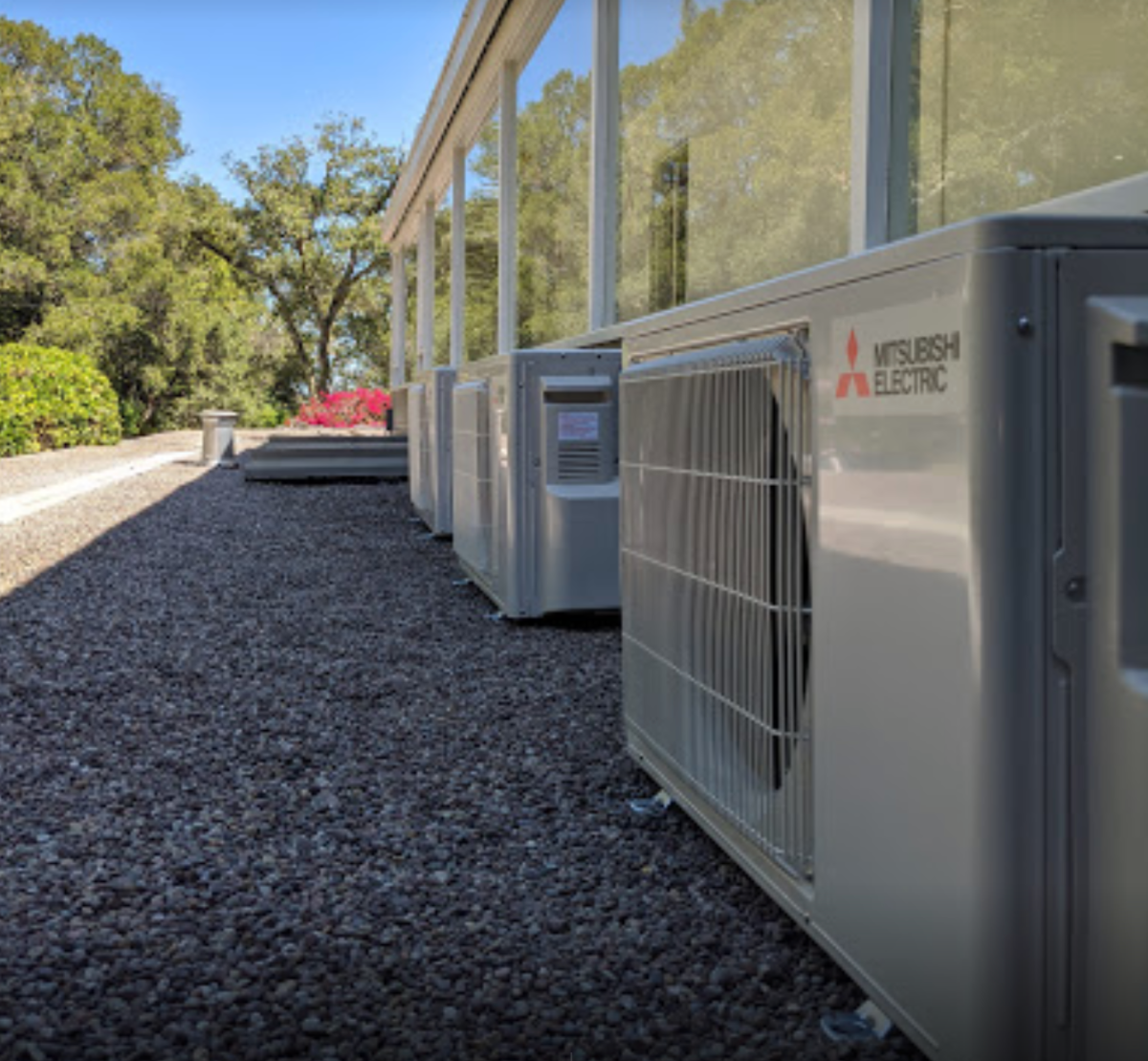
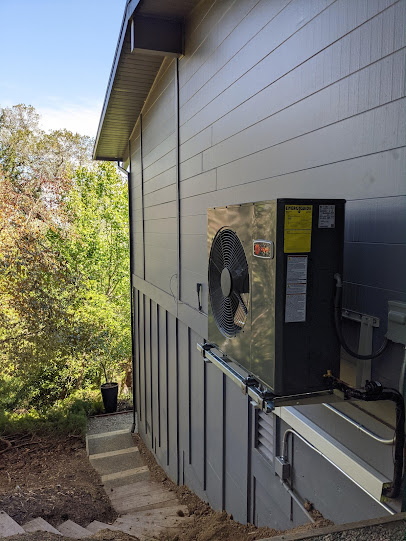
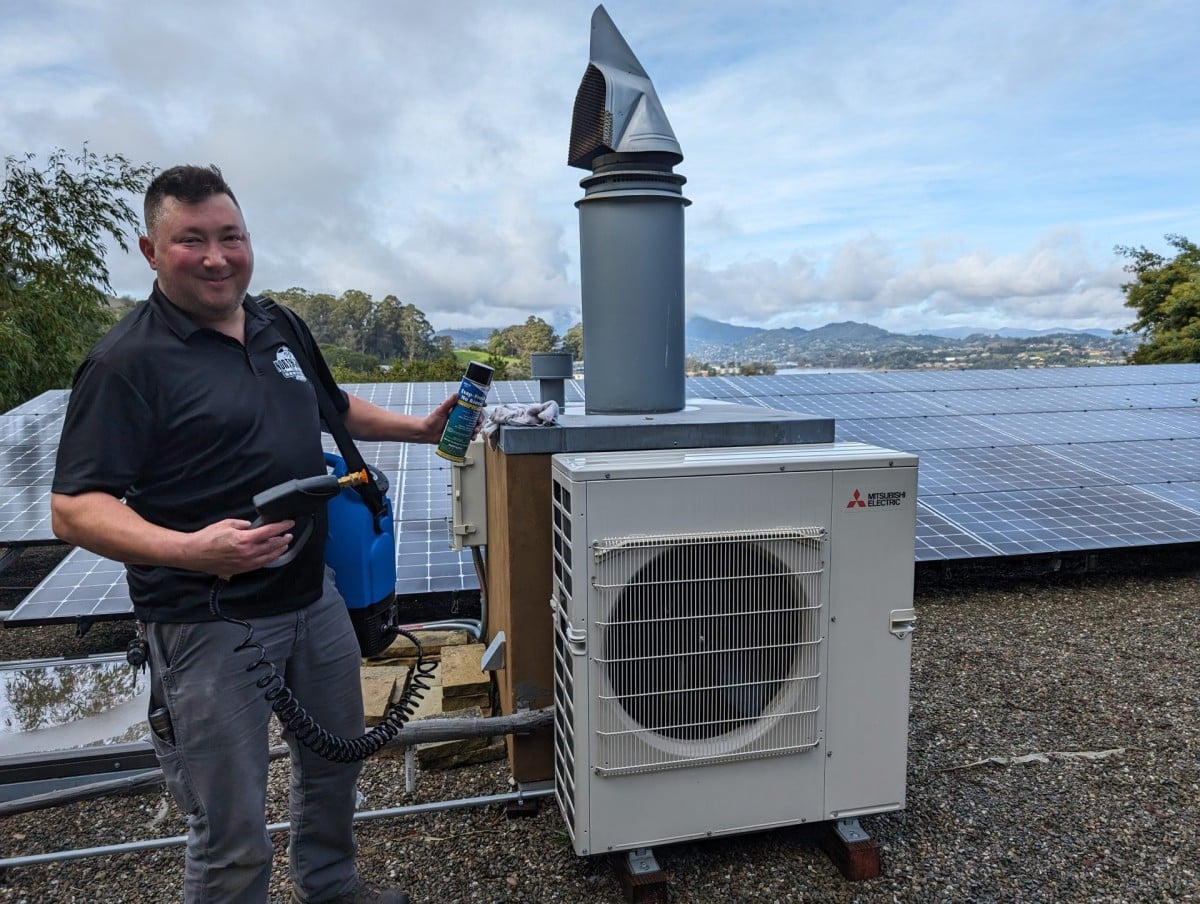
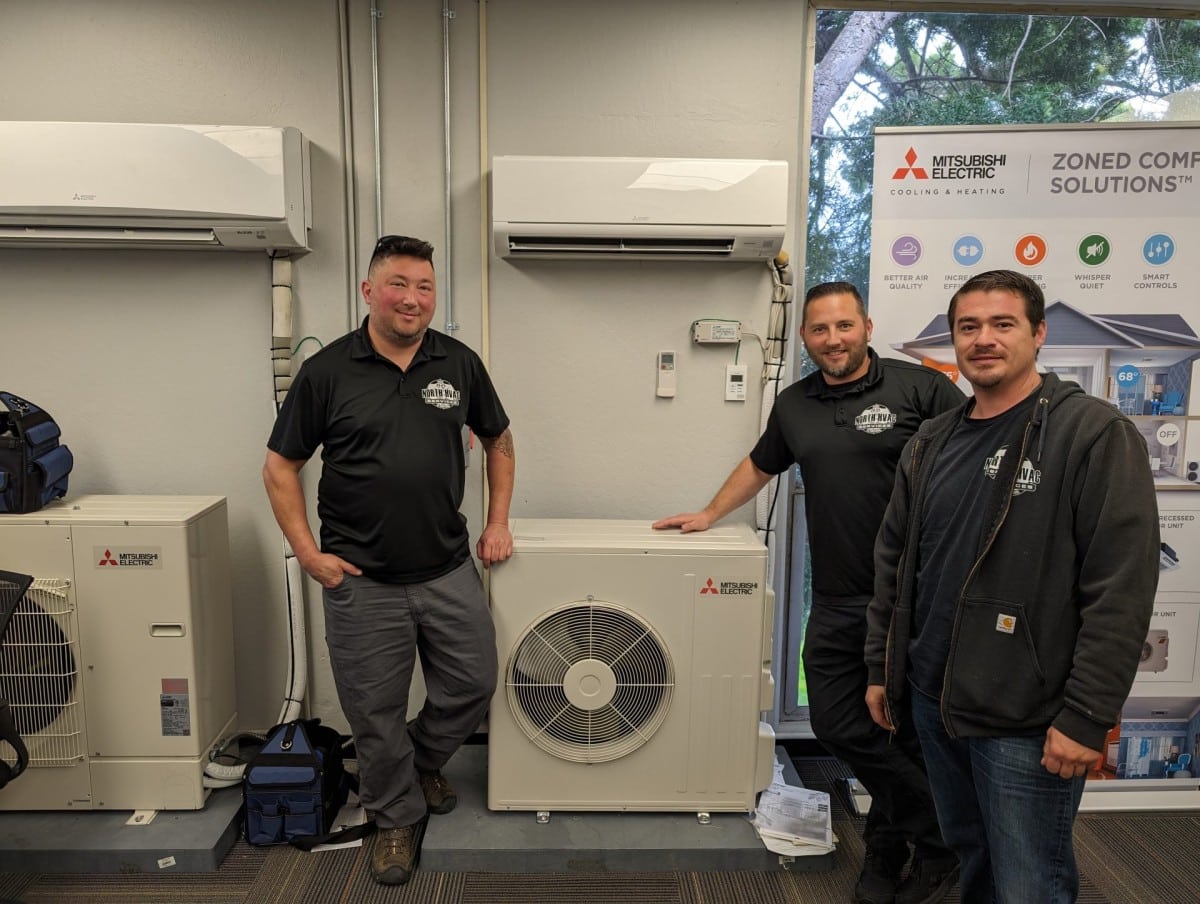
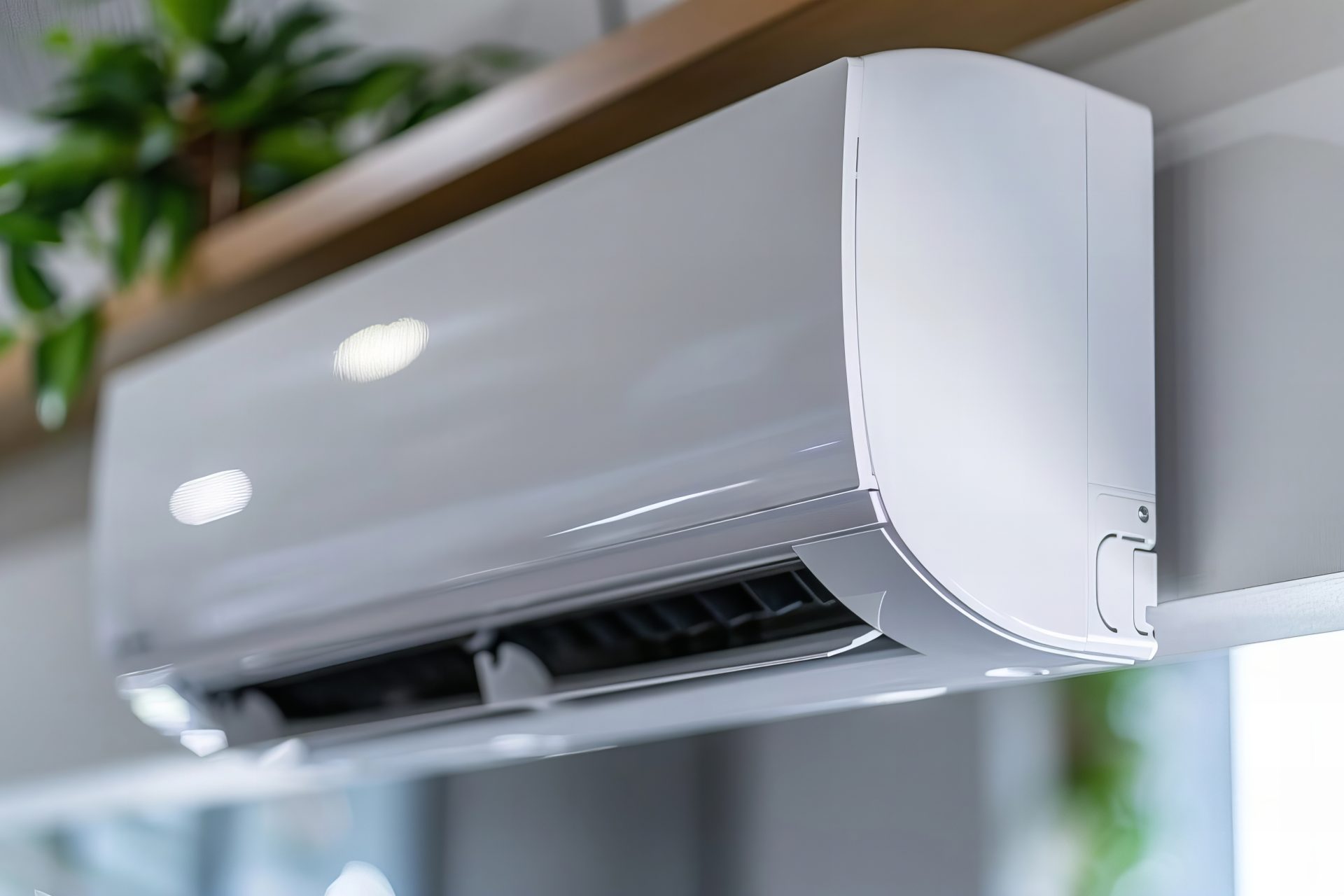
Ductless mini splits are becoming increasingly popular in Northern California, thanks to their flexibility and energy efficiency. These systems consist of an outdoor compressor unit and one or more indoor air handling units. They are connected by a conduit, which houses the power cable, refrigerant tubing, and a condensate drain.
Advantages of Ductless Mini Splits
One of the primary benefits of ductless mini splits is their flexibility. They can be installed in various configurations, making them ideal for homes without existing ductwork. This is particularly beneficial in older homes or structures where adding ducts is impractical or costly.
- Energy Efficiency: Ductless systems often outperform central air systems in terms of energy efficiency. They allow for zone-specific cooling, which means you can cool specific areas of your home without wasting energy on unoccupied rooms.
- Easy Installation: Installing a ductless mini split is generally less invasive than installing a central air system. The process involves mounting the indoor unit and drilling a small hole for the conduit, which can often be completed in a single day.
- Improved Air Quality: Without ducts, there’s less opportunity for dust and allergens to accumulate and circulate throughout your home, potentially improving indoor air quality.
Consider a family living in a historic home in Santa Rosa. They opted for ductless mini splits to avoid the complexity and expense of installing ductwork. This choice provided them with targeted cooling and improved efficiency, significantly reducing their energy bills.
Central Air: Whole-Home Comfort
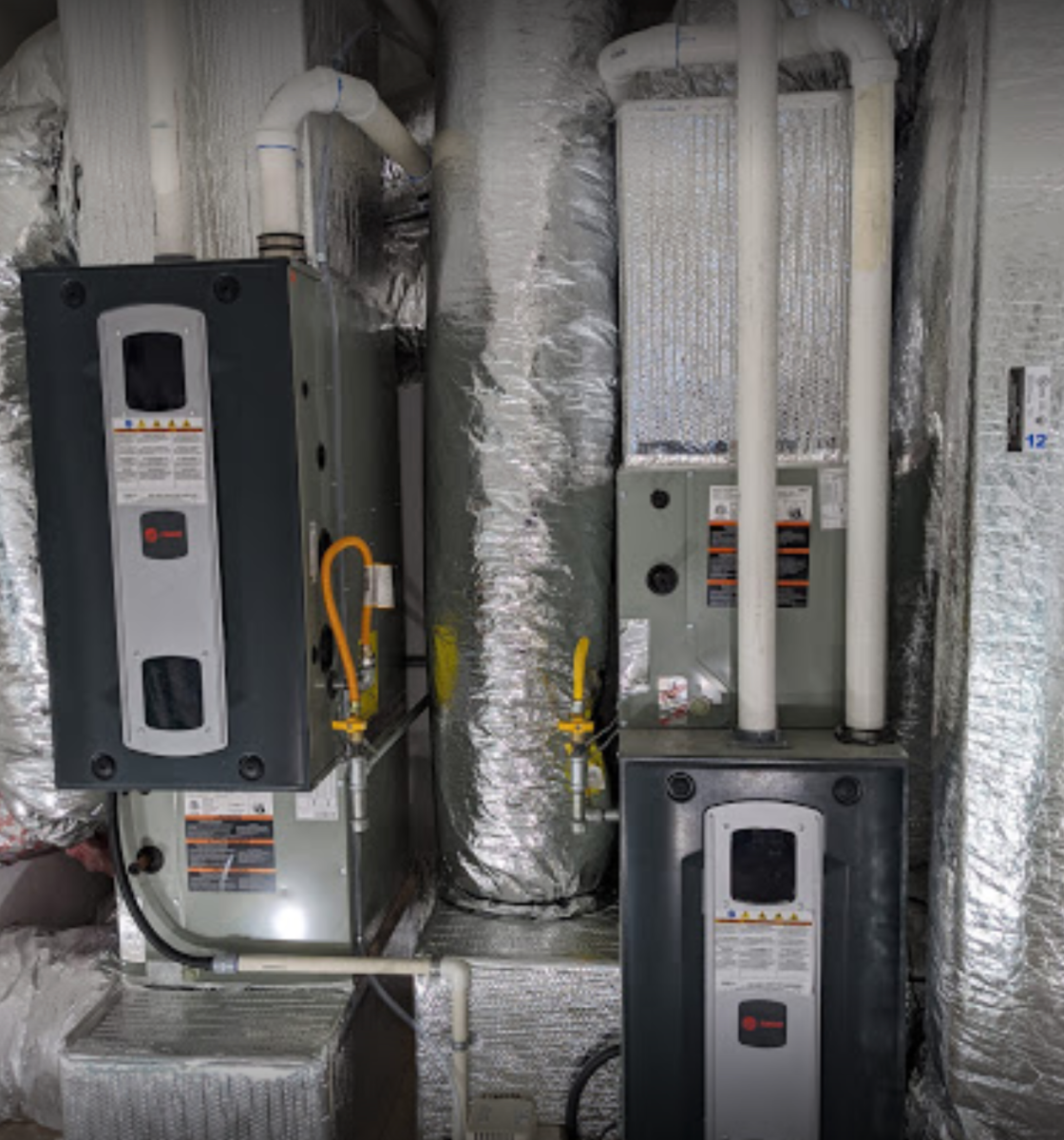
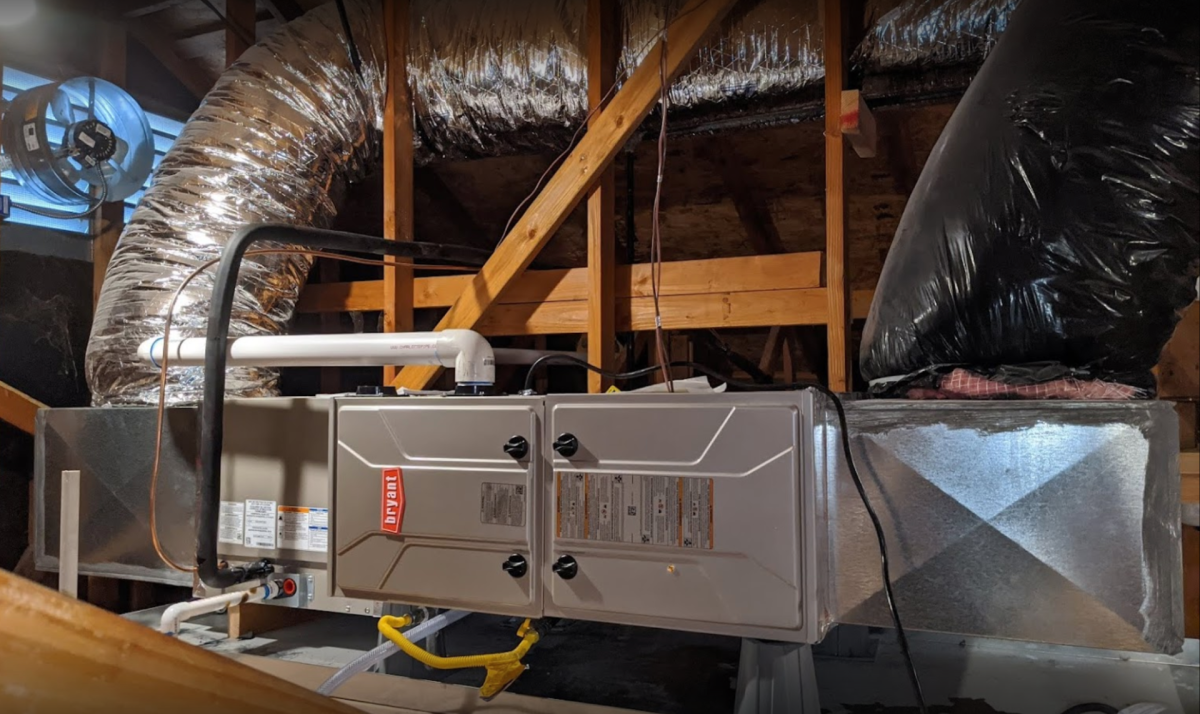
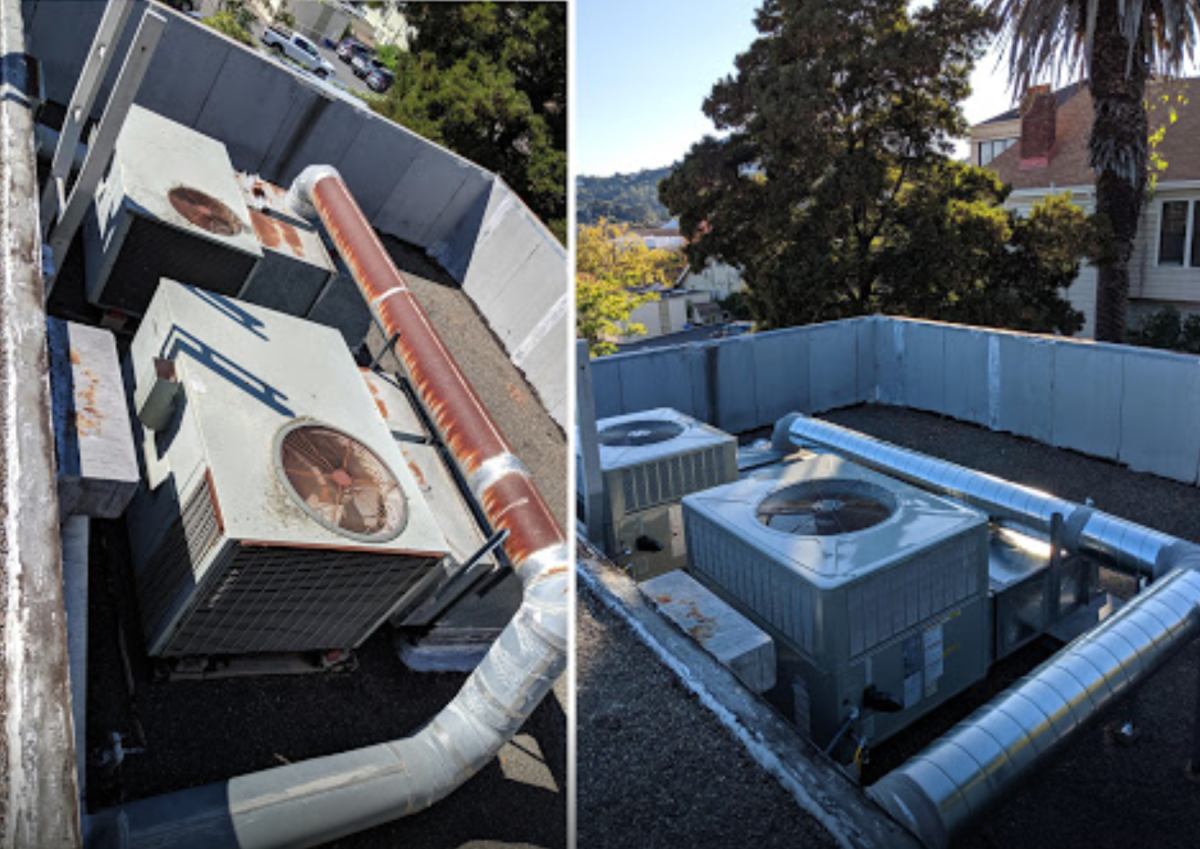
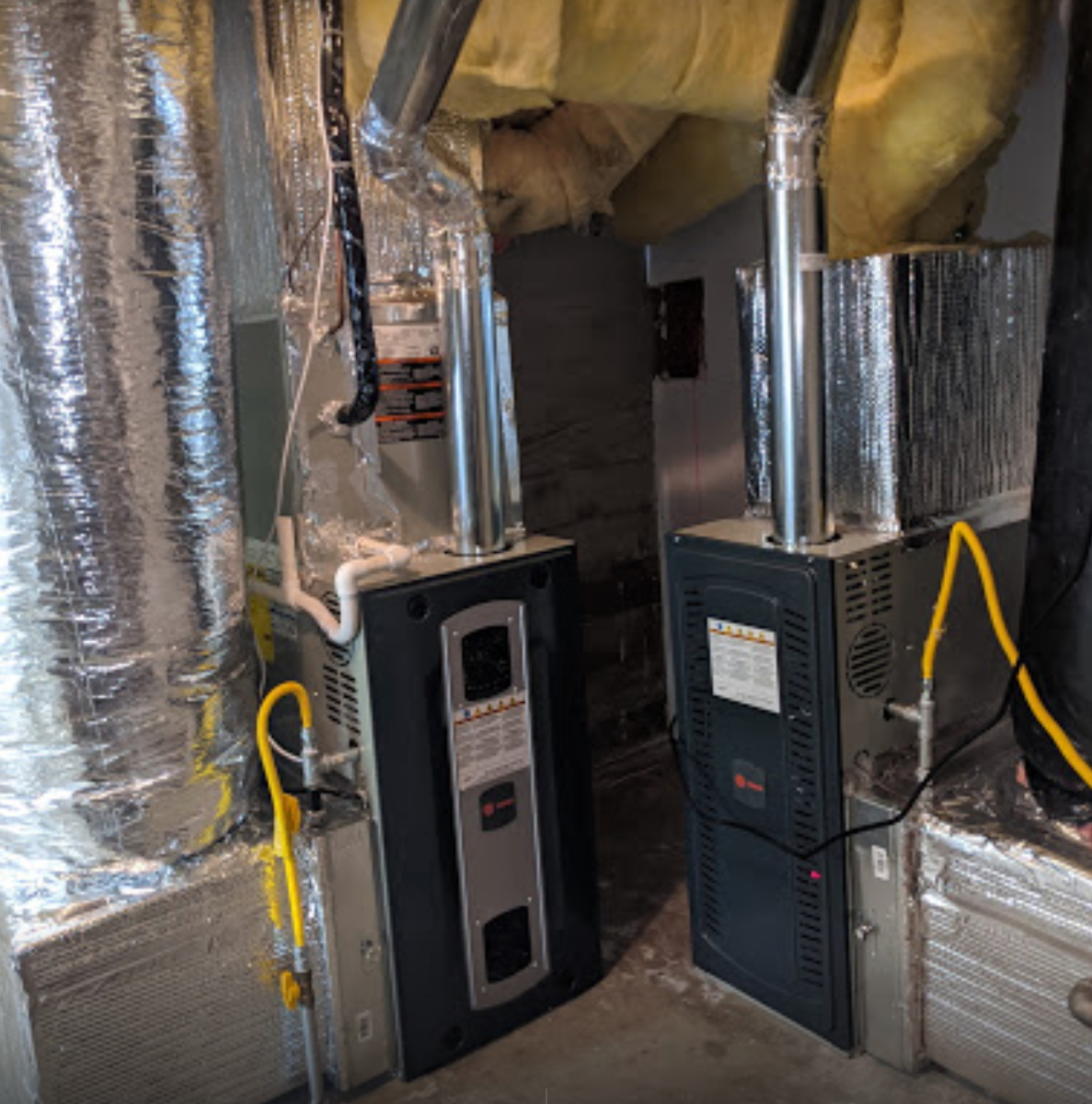
Central air systems are a more traditional choice, especially for newer homes in Northern California. These systems use a network of ducts to distribute cooled air throughout the home from a single central unit.
Benefits of Central Air Systems
Central air systems are favored for their ability to provide consistent, whole-home cooling. They are often the go-to choice for homeowners who prioritize uniform temperature control throughout their living space.
- Even Cooling: Central air systems excel at maintaining a consistent temperature across all rooms, which can be especially beneficial in larger homes.
- Integration with Heating: For homes already equipped with ductwork, central air systems can easily integrate with existing heating systems, offering a seamless transition between heating and cooling seasons.
- Higher Resale Value: Homes with central air systems often have a higher resale value, as these systems are perceived as a premium feature by potential buyers.
A family in Marin County, with a modern home equipped with ductwork, might choose a central air system for its ability to deliver consistent cooling to every corner of their home. This choice aligns with their preference for seamless climate control throughout their living space.
Cost Considerations and Maintenance
When choosing between ductless mini splits and central air systems, cost is a significant factor. Both the initial investment and ongoing maintenance expenses can vary widely based on your choice.
Initial Investment
Ductless mini splits generally have a higher upfront cost per unit compared to central air systems. However, their installation is often less expensive due to the absence of ductwork. On the other hand, central air systems may require a substantial investment in ductwork, especially in older homes.
For instance, a homeowner in Sonoma County might find that the cost of installing ductwork for a central air system outweighs the benefits, leading them to consider ductless mini splits instead.
Maintenance and Upkeep
Both systems require regular maintenance to ensure optimal performance. Ductless mini splits need routine cleaning of filters and periodic checks of the outdoor unit. Central air systems, meanwhile, require more extensive maintenance, including duct cleaning and regular inspections.
North HVAC Services offers comprehensive solutions for both systems. Homeowners can explore heating options alongside cooling systems to ensure year-round comfort. Regular maintenance, including furnace maintenance tips and air conditioning repair, can extend the lifespan of your system and improve efficiency.
Which System Is Right for You?
Choosing between ductless mini splits and central air systems depends on various factors, including your home’s layout, your budget, and your comfort preferences. Each system has its strengths, and understanding your specific needs is crucial to making the right decision.
Consider Your Home’s Layout
If your home lacks existing ductwork or has areas that are difficult to cool evenly, ductless mini splits might be the ideal solution. They offer targeted cooling, which is perfect for homes with multiple levels or unique architectural features.
Conversely, if your home already has ductwork in place and you desire consistent cooling throughout, a central air system may be more suitable.
Evaluate Your Budget
Assess your budget for both initial installation and long-term maintenance. While ductless mini splits might have a higher upfront cost, their energy efficiency and lower maintenance needs can lead to savings over time. Central air systems might be more cost-effective for homes with existing ductwork, but they can incur higher maintenance costs.
North HVAC Services can assist in diagnosing heating issues and providing furnace troubleshooting tips, ensuring your system operates efficiently regardless of your choice.
Conclusion: Making an Informed Decision
Ultimately, the decision between ductless mini splits and central air should be based on your home’s specific needs and your personal preferences. Both systems offer unique benefits, and understanding these can help you make a choice that enhances your home’s comfort and efficiency.
For personalized advice and professional installation, consider consulting with North HVAC Services. Our expertise in air conditioning replacement and heating diagnostics service ensures you make a sound investment in your home’s climate control. Whether you need to replace your furnace or install your air conditioner, we are here to help you achieve optimal comfort in Northern California.