
Wait until spring to install AC? That’s the expensive approach.
Most homeowners follow the same pattern. They endure another hot summer with an aging air conditioner, promise themselves they’ll replace it next year, then suddenly May arrives with climbing temperatures, and they’re scrambling for emergency installation during the busiest season.
This reactive approach costs more, delivers rushed service, and means settling for whatever equipment remains available.
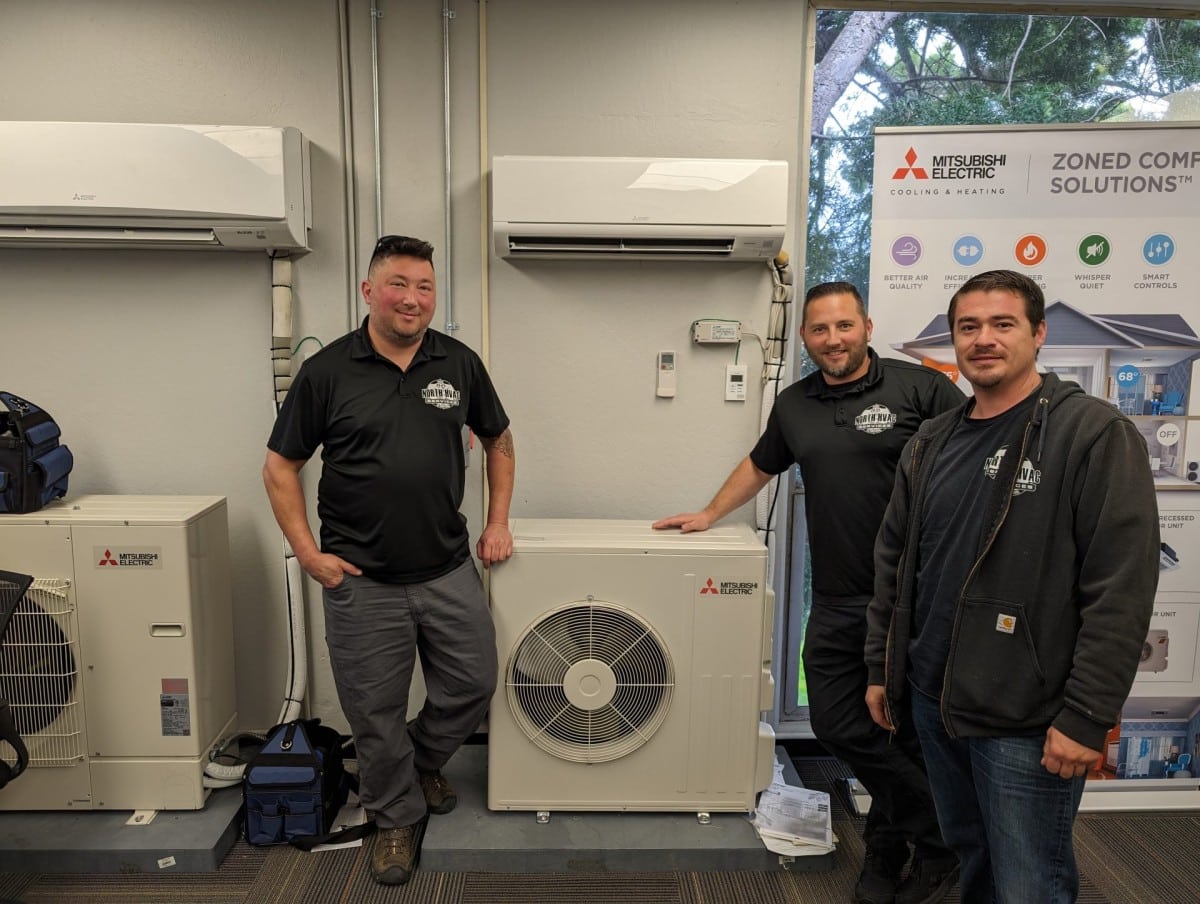
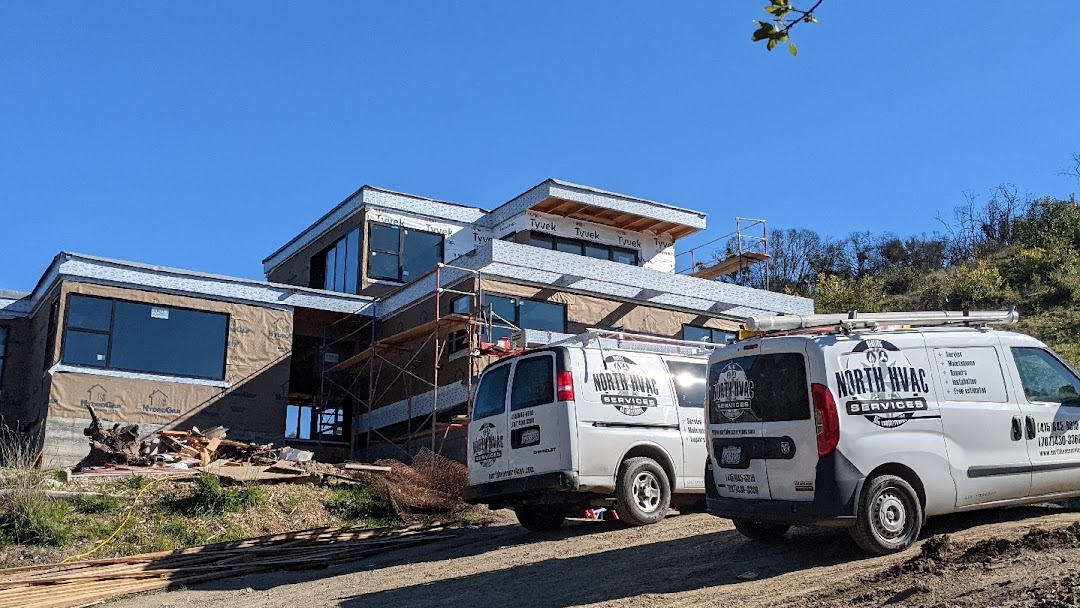
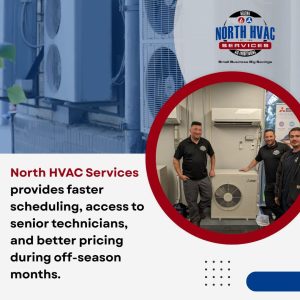
North HVAC Services, Inc Heating & Air Conditioning traces its roots back to 1988 and has served Marin and Sonoma Counties for decades. Note that our current ownership team has been leading the company since 2019, bringing experienced technicians and factory-authorized training to local installations.
Northern California’s mild winters allow HVAC work to be performed throughout the year. In Santa Rosa, winter months typically see average daytime high temperatures in the mid-to-upper 50s Fahrenheit (approximately 55–58°F), while overnight lows commonly fall into the upper 30s to low 40s. These moderate conditions often support continued installation, maintenance, and system testing during winter, allowing projects to be completed or prepared ahead of the spring season.
The Hidden Costs of Spring Installation
Why Waiting Until You Need Cooling Costs More
The HVAC industry operates on predictable seasonal demand cycles. HVAC demand is seasonal. In Northern California and much of the U.S., interest and installation activity rise through spring and reach their highest levels in late spring to mid-summer. Peak months can vary by year and local weather patterns, so expect heavier demand and longer lead times from late spring into summer.
Costs for air conditioning installation in Santa Rosa are frequently lower in the off-season and higher during peak demand, but the exact difference varies by market, equipment, and project scope. Homeowners typically see better pricing flexibility and promotional offers during slower winter months, while rapid or emergency summer installs often cost more.
These differences stem from several factors:
- Labor availability shifts dramatically. Labor availability tightens in peak season, and contractors often schedule more installs per day. That heavier schedule can mean fewer flexible appointment windows and greater reliance on field crews. For this reason, many homeowners prefer off-season scheduling for longer appointment windows and more focused technician attention.
- Equipment pricing fluctuates with demand. Equipment pricing and availability can change with seasonal demand and manufacturer promotions. Some dealers and distributors do run year-end incentives, and scheduling installations in winter can increase the chance of taking advantage of off-season promotions. Homeowners should ask contractors about current dealer incentives and inventory availability.
- Emergency situations eliminate negotiating power. When a system fails during peak heat, homeowners often face less time to compare bids and limited scheduling options, which can reduce negotiating leverage. Emergency service work can cost more than planned installations, though the premium varies by contractor and situation.
- Financing terms vary seasonally. Financing offers change with manufacturer and dealer promotions. Some year-end or off-season promotions may include 0 percent or reduced-rate financing, but terms vary widely. Homeowners should request current financing options and written terms from their contractor before signing.
- Equipment selection becomes limited. Popular models and sizes sell out during peak season. You might compromise on your ideal system because it’s unavailable, or pay premium pricing for expedited special orders.
Beyond direct costs, spring installation creates indirect financial pressure. Emergency situations eliminate time for proper research, multiple bids, or financing comparison.
Installation Quality Benefits During Winter Months
At North HVAC Services, we know that proper air conditioner installation affects your system’s performance, lifespan, and comfort for the next 15 to 20 years.
Why Your System Gets Better Attention During Winter
1. Contractor Capacity Improves
Winter represents the off-season for cooling installations. Service call volume drops dramatically. Installation teams aren’t juggling multiple emergency repairs alongside scheduled installations.
During the winter months, your project gets assigned to experienced lead technicians rather than recently hired seasonal workers. These veterans have performed thousands of installations. They recognize potential complications before they become problems.
Project management improves when contractors aren’t overwhelmed. Communication becomes proactive rather than reactive. You receive detailed preparation instructions, clear timelines, and realistic completion estimates.
2. Weather Conditions Support Quality Work
Winter climate provides ideal conditions for AC installation in Santa Rosa, CA. Average temperatures of 55-60°F during working hours mean comfortable conditions for precision work.
System commissioning is affected by ambient temperature because refrigerant pressures change with temperature. Technicians use winter charge procedures and manufacturer guidance to properly set refrigerant charge when outside temperatures are low. Many commissioning steps can be completed in winter, but contractors may use specific test procedures to verify performance that are optimized for moderate ambient conditions.
3. Quality Control Becomes Thorough
Time availability transforms quality control from cursory to thorough:
- Multiple system tests and performance verifications
- Complete heating and cooling cycle testing
- Proper duct sealing verification
- Balanced airflow confirmation throughout your home
- Adequate homeowner training on system operation
Financial and Planning Advantages
How Winter Installation Improves Your Budget
Winter installation creates multiple financial advantages beyond straightforward pricing differences.
Year-End Financial Timing
Many homeowners receive year-end bonuses or have accumulated savings designated for home improvements. Winter months allow you to use planned funds rather than emergency credit when your system fails in July.
Manufacturer promotions peak during slow seasons. Equipment manufacturers offer dealer incentives during the winter months to maintain production levels. These promotions translate to customer savings through contractor discounts, including upgrades or extended warranties.
2026 Rebate Planning
Rebate programs and launch dates change year to year. TECH Clean California, the state energy office, and some utilities have programs tied to federal and state funding that may open in new cycles early in the year. Planning an air conditioner installation in December can help position homeowners to apply quickly when a program opens, but homeowners should confirm program windows, eligibility rules, and reservation processes with the California Energy Commission, PG&E, or their contractor.
Energy Efficiency Considerations
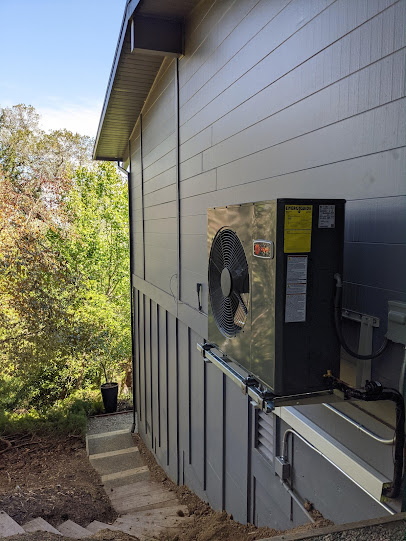
Winter air conditioner installation provides time to consider transitioning from traditional air conditioning to heat pump systems. Modern heat pumps deliver both heating and cooling, potentially replacing both your furnace and AC with a single system.
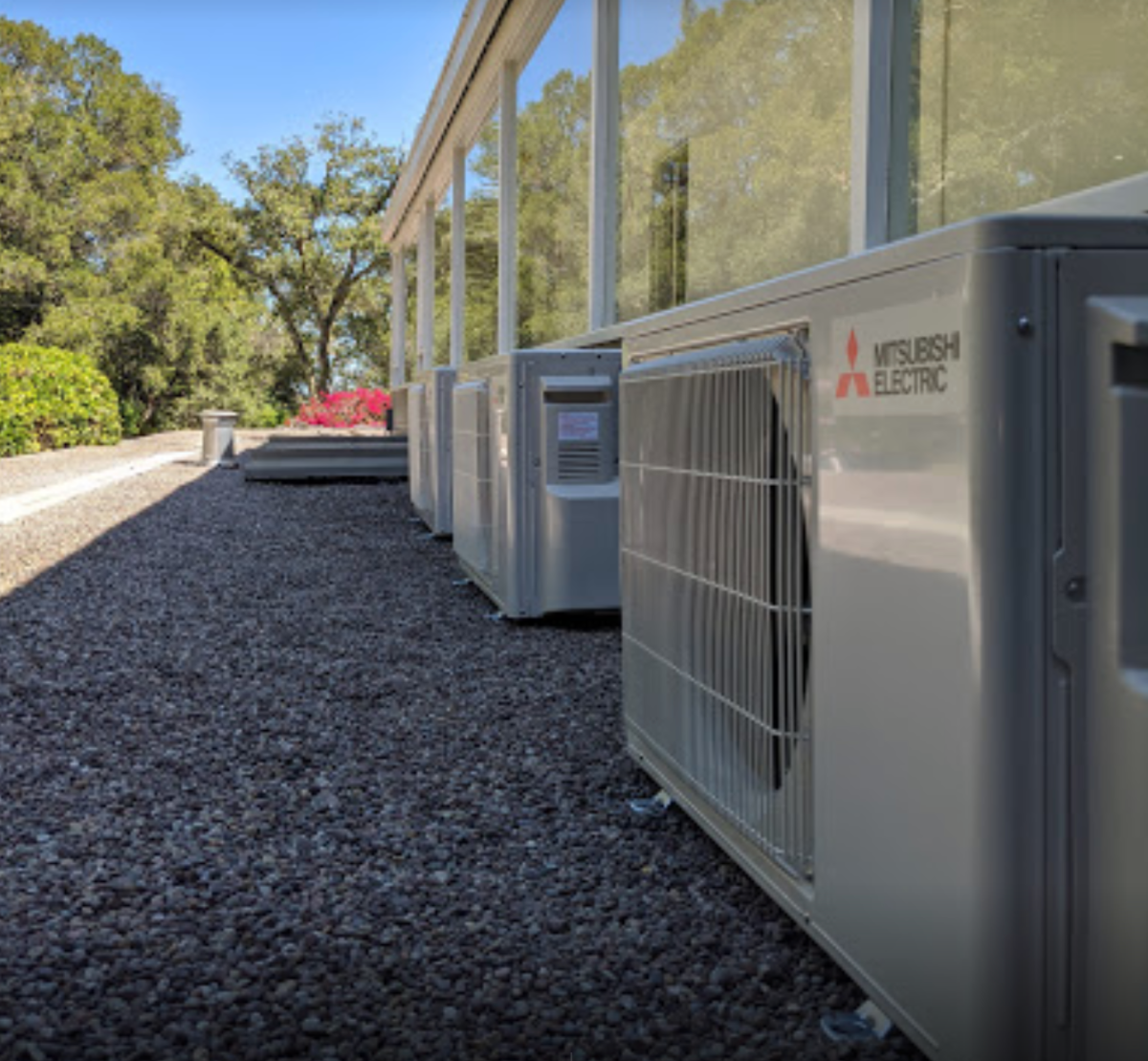
Ductless mini-split systems offer zoning flexibility impossible with traditional central air. Winter planning allows proper evaluation of multi-zone configurations that address specific comfort challenges.
Smart thermostat integration requires planning for optimum performance. Winter installation allows time to configure schedules, establish temperature preferences, and integrate with home automation systems.
System Selection Without Emergency Pressure
Making the Right Choice for Your Home
Emergency replacements force compromised decisions. Winter installation removes this pressure entirely.
1. Proper Evaluation Time
Accurate cooling load calculations require careful evaluation of your home’s characteristics:
- Square footage and ceiling heights
- Insulation quality and condition
- Window exposure and thermal mass
- Existing ductwork efficiency
Rushed calculations lead to oversized or undersized equipment. Oversized units cycle frequently, reducing efficiency and humidity control. Undersized units run continuously without achieving comfort.
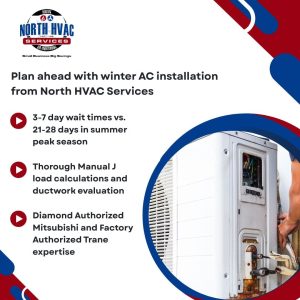
Manual J load calculations are the industry standard for right-sizing equipment. A proper Manual J typically requires a home visit and measurements and commonly takes one to three hours, with extra time for data entry and report preparation. Emergency replacements that skip Manual J often rely on rough estimates by matching previous equipment size, which risks oversizing or undersizing the new unit.
2. Ductwork Evaluation
Ductwork evaluation is important because the U.S. Energy Star program estimates that about 20 to 30 percent of the air that moves through a typical home’s duct system is lost due to leaks, holes, and poorly connected ducts.
3. System Comparison Opportunity
Traditional central air conditioning remains cost-effective for many homes. However, heat pump technology has advanced substantially. Modern systems deliver efficient heating and cooling.
Ductless mini-split configurations work excellently for homes without existing ductwork, room additions, or spaces requiring independent temperature control.
Energy efficiency ratings have evolved. SEER2 and EER2 are the updated testing metrics tied to the Department of Energy’s newer efficiency standards. These new test procedures became part of the updated federal efficiency requirements that began taking effect in 2023, so modern equipment is tested and rated under SEER2 terminology. Understanding these metrics requires time that emergency replacements don’t allow.
4. Manufacturer Selection
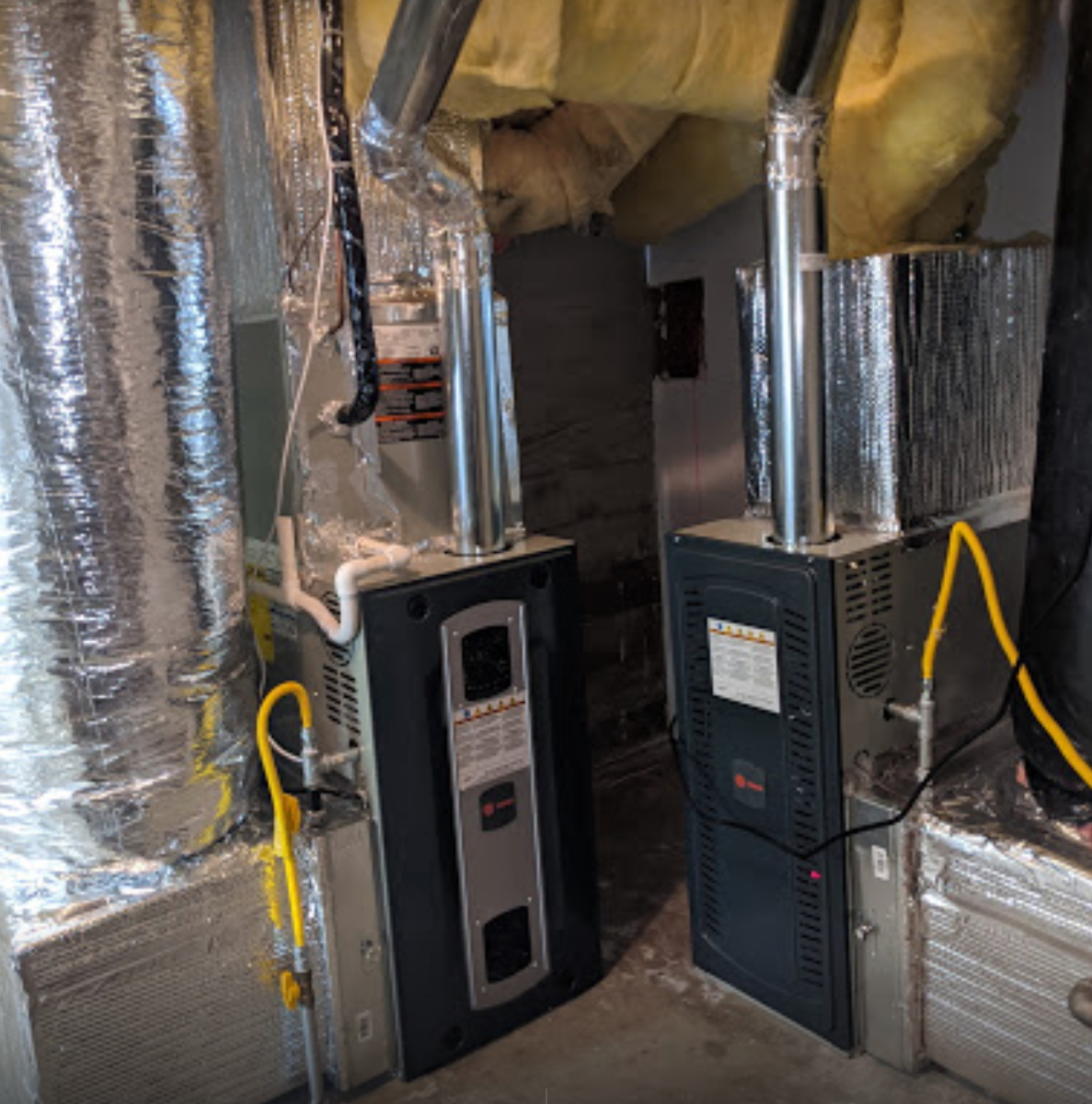
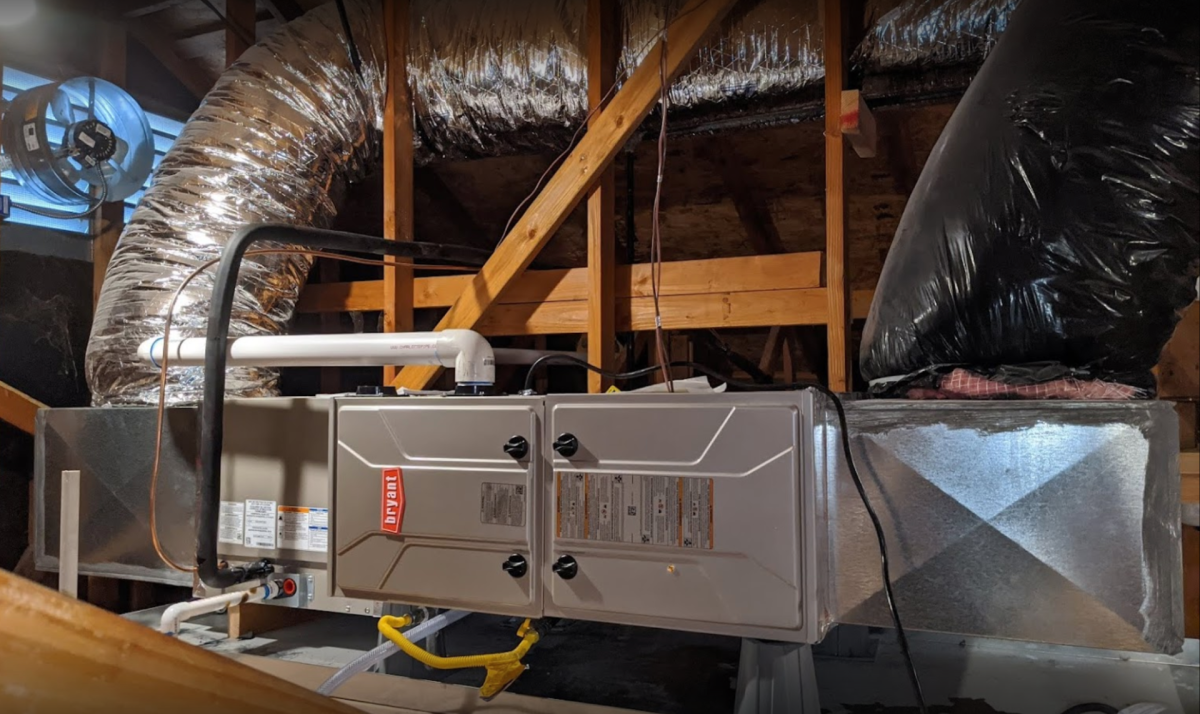
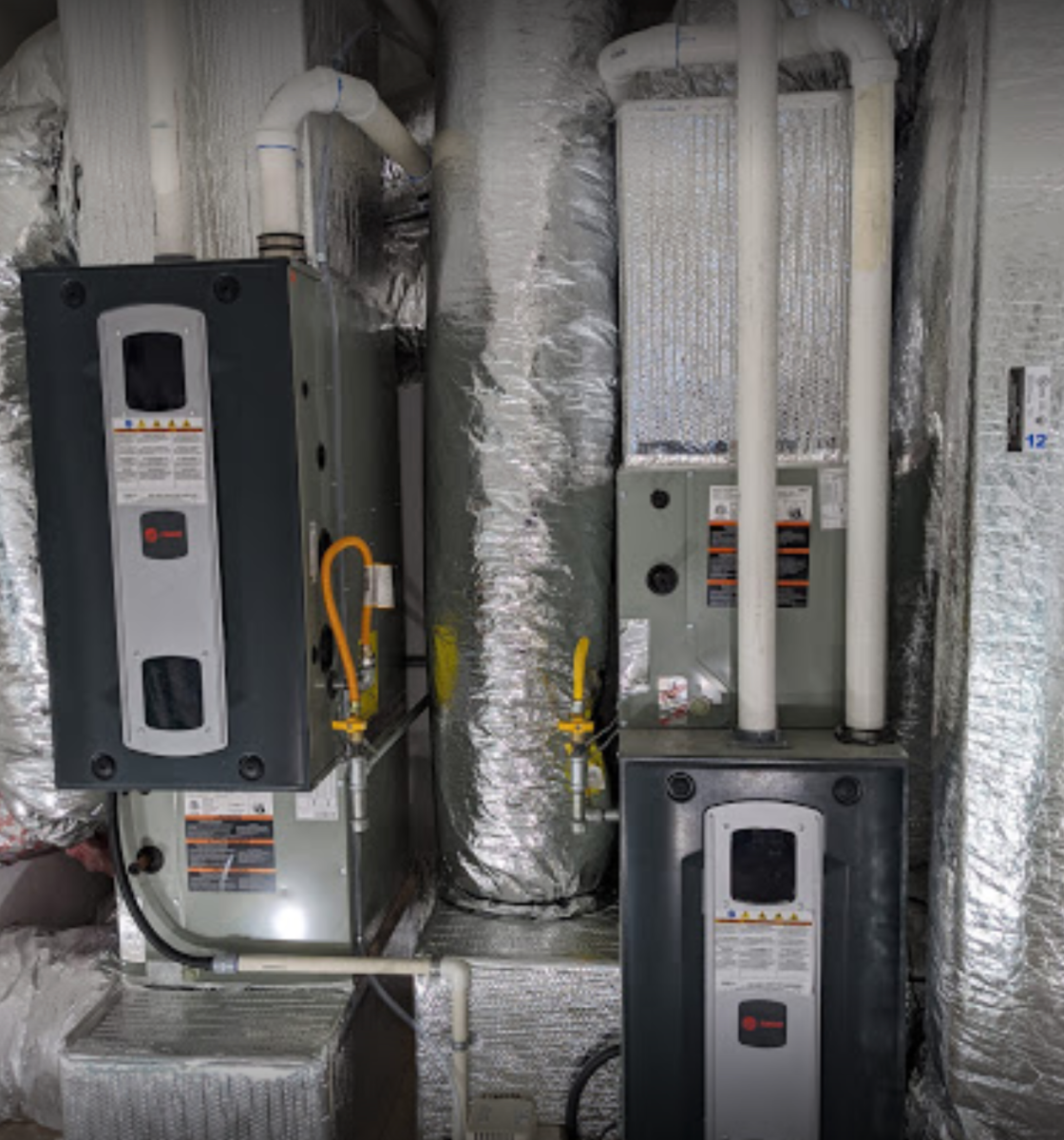
We specialize in Mitsubishi, Trane, and Day & Night equipment because these manufacturers consistently deliver reliable performance. Each brand offers specific advantages for different applications and budgets.
The Spring Readiness Advantage
Being Prepared When The Weather Turns Warm
At North HVAC Services, we understand that Northern California’s weather patterns are increasingly unpredictable. Early heat waves catch many homeowners unprepared.
1. System Performance Confidence
Your winter-installed system gets tested during mild winter days. When temperatures reach the 70s during late winter or early spring, you can run your new AC and verify performance. Any initial issues are identified and resolved before you depend on cooling.
A winter installation can give you time to identify and correct initial commissioning items, such as refrigerant charge adjustments and airflow balancing, before you rely on the system in peak heat. Note that in some cases, full cooling capacity verification requires warmer outdoor temperatures, so confirm with your contractor how and when they will validate full performance.
2. Avoiding Spring Rush
While neighbors call contractors desperately during the first 90°F day in May, your system operates perfectly. You’re not waiting days or weeks for service appointments. You’re not compromising on equipment selection because inventory has been depleted.
Emergency repair calls disappear from your spring and summer experience. Your new system, properly installed and tested, operates reliably throughout the cooling season.
3. Maintenance Program Foundation
The best time to join annual maintenance programs is immediately after installation. Your new system receives its first tune-up right before heavy summer use.
Pre-season tune-up scheduling becomes straightforward. While others scramble for spring maintenance appointments, yours gets scheduled during your installation process.
Building relationships with service technicians starts immediately. The team that installed your system knows its configuration intimately.
Taking Action This Winter
Steps to Start Your Installation Project
Winter air conditioning installation begins with proper planning and contractor selection.
1. Initial Consultation
Home inspection starts the process. A qualified technician visits your property, evaluates existing equipment, inspects ductwork and electrical capacity, and discusses your comfort priorities and budget parameters.
Proposal review should include itemized costs separating equipment, labor, materials, permits, and optional upgrades. Equipment specifications should detail exact model numbers, efficiency ratings, and warranty coverage.
The timeline from consultation to completed installation typically spans 1-2 weeks during the winter months, compared to 3-4 weeks during the summer.
2. Contractor Verification
Protect your investment by verifying:
- Active California contractor license through CSLB
- Insurance coverage, including general liability and workers’ compensation
- EPA Section 608 certification for refrigerant handling
- Manufacturer authorization status
3. Investment Protection
Warranty registration requires proper documentation submitted to manufacturers within specified timeframes. Your contractor should handle this process, but verify completion and retain copies.
Maintenance agreement options deserve consideration during installation. Annual service contracts provide substantial value through regular tune-ups, priority service scheduling, and repair discounts.
At North HVAC Services, we always take documentation organization seriously. Keep installation contracts, warranty paperwork, equipment specifications, and maintenance records in one location.
Schedule Your Inspection Today
Winter installation represents strategic planning rather than reactive scrambling. The financial advantages provide an immediate return on your decision to act now. Spring readiness provides comfort and confidence. When Northern California’s first heat wave arrives, you’re prepared rather than desperate.
North HVAC Services has served Marin and Sonoma Counties since 1988. Our EPA-certified installation teams deliver quality workmanship your investment deserves. We offer free in-home inspections that provide detailed system recommendations without pressure. Call us at (415) 845-6910 or email northhvacservices@gmail.com to schedule your consultation.
The best time for air conditioner installation services isn’t when you’re desperate for cooling. It’s when you have time to make the right choice, secure the best value, and prepare your home properly for the seasons ahead.
Visit our website to learn more about our AC installation process, equipment options, and customer testimonials from homeowners throughout Santa Rosa, Petaluma, Novato, San Rafael, and surrounding wine country communities.