The Costly Impact of Incorrect Thermostat Settings
Have you ever wondered, “why is my heating bill so high”? A significant factor could be a simple mistake with your thermostat settings. Many homeowners unknowingly set their thermostats in ways that lead to inefficient energy use, driving up utility costs. It’s easy to overlook the impact of thermostat settings, but understanding and correcting these errors can save you hundreds of dollars annually.
Incorrect thermostat usage isn’t just about comfort levels; it directly affects energy efficiency. For example, setting your thermostat too high during winter or too low during summer forces your HVAC system to work harder than necessary. This not only increases your energy bills but also strains your heating and cooling equipment, potentially leading to costly repairs or replacements.
Common Thermostat Mistakes That Drain Your Wallet
Homeowners often make several common mistakes with their thermostats that can lead to increased energy expenses. By identifying and correcting these mistakes, you can significantly reduce your heating bills.
- Setting Extreme Temperatures: Adjusting your thermostat to an extreme temperature with the hope of heating or cooling your home faster doesn’t work. Your HVAC system operates at a consistent rate, meaning it won’t heat or cool faster than its designed capacity.
- Ignoring the Thermostat’s Schedule Feature: Modern thermostats often come with scheduling features that allow you to set different temperatures for different times of the day. Ignoring this feature means your system runs constantly, wasting energy when no one is home.
- Placing the Thermostat in the Wrong Location: If your thermostat is located near heat sources or in direct sunlight, it may give inaccurate readings, causing your system to run unnecessarily.
- Not Using the Energy Saving Mode: Many thermostats have an energy-saving mode that optimizes heating and cooling cycles for efficiency. Failing to use this mode can lead to higher bills.
How Leaving Your Thermostat on ‘Auto’ Can Backfire
The ‘Auto’ setting on your thermostat is designed to automatically switch your system on and off to maintain a set temperature. While this seems convenient, it can sometimes lead to inefficiencies if not managed properly. Here’s why:
When set to ‘Auto’, your system only runs when the temperature drops below or rises above the set point. This can be energy efficient, but if your thermostat settings are not optimal, your system might cycle on and off more frequently than necessary, leading to wear and tear. Additionally, if the temperature swings are too wide, your system will work harder to catch up, increasing energy usage.
It’s important to regularly check and adjust your settings, especially during seasonal changes. A system that cycles too frequently might indicate that your home is losing heat or cool air due to poor insulation or leaks. It’s a good practice to conduct regular maintenance checks, which North HVAC Services can assist with, to ensure your system operates efficiently.
Why Ignoring Seasonal Adjustments Costs More
Many homeowners forget to adjust their thermostat settings as seasons change, which can lead to increased energy use. For instance, during winter, setting your thermostat to a lower temperature when you’re asleep or away can result in significant savings.
The U.S. Department of Energy suggests setting your thermostat back 7-10 degrees for 8 hours a day to save up to 10% a year on heating and cooling. This simple adjustment can make a substantial difference in your energy costs. If you have a programmable thermostat, take advantage of this feature to automate these changes without manual intervention.
Regularly updating your thermostat settings according to the season ensures your HVAC system doesn’t work harder than necessary. This not only saves money but also extends the lifespan of your heating and cooling equipment.
The Hidden Costs of an Outdated Thermostat
Relying on an outdated thermostat can also lead to unnecessary expenses. Older models often lack the precision and features of modern thermostats, which can result in inefficient energy use.
- Lack of Precision: Old thermostats may have inaccurate temperature readings, causing your HVAC system to run longer than needed.
- No Scheduling Features: Without the ability to program different temperatures for different times, you can’t optimize your energy use.
- Manual Adjustments: Constantly adjusting your thermostat manually can lead to inconsistent temperatures and higher energy use.
Upgrading to a new thermostat can prevent these issues. North HVAC Services offers thermostat installation and replacement, helping you choose a model that fits your needs and reduces energy consumption.
How Smart Thermostats Can Prevent Expensive Mistakes
Smart thermostats offer a solution to many of the problems associated with traditional thermostats. They provide advanced features that help manage your home’s temperature efficiently, helping to avoid costly errors.
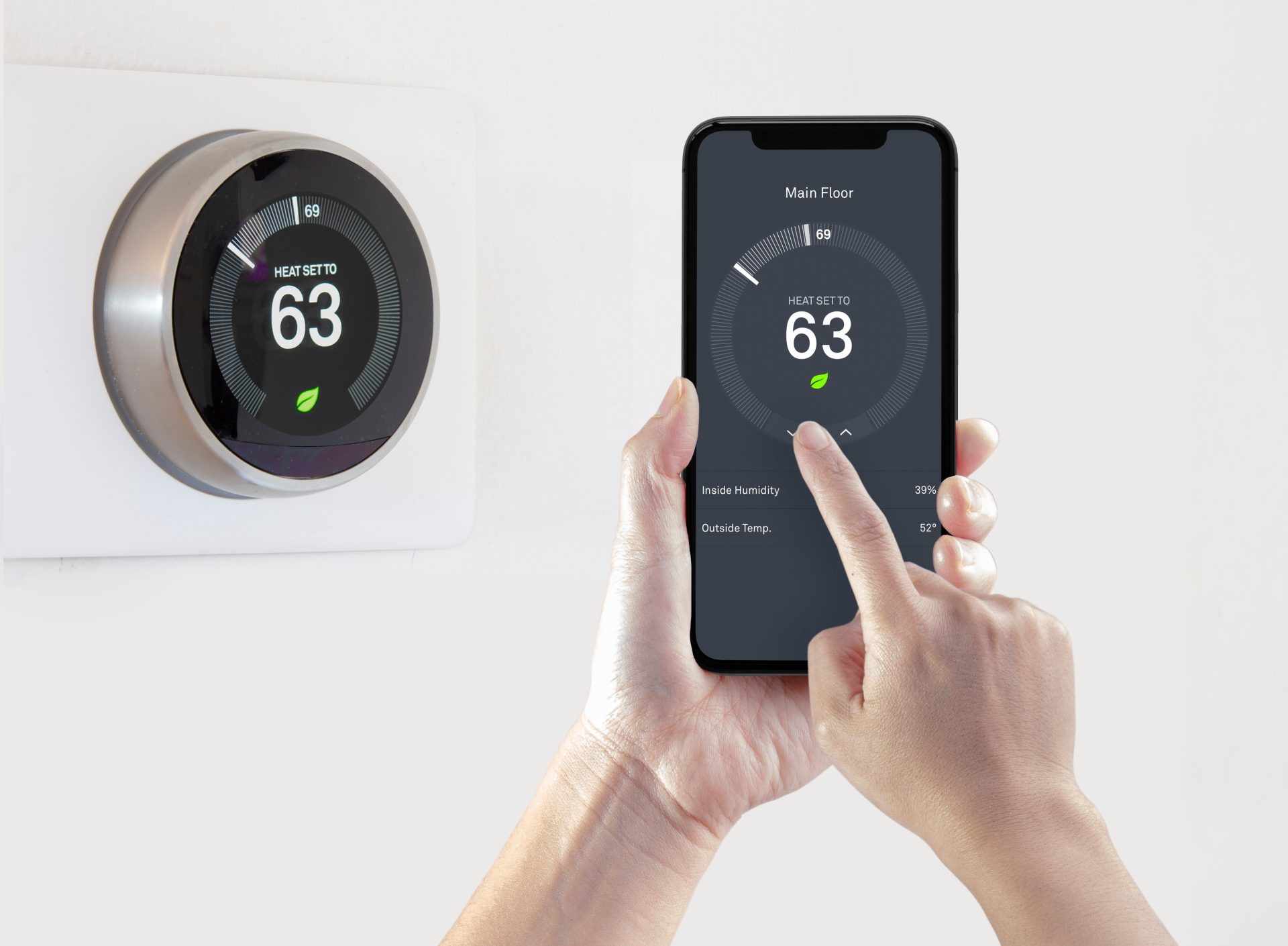
Smart thermostats learn your schedule and preferences, automatically adjusting temperatures to save energy. They offer remote control via smartphone apps, allowing you to adjust settings even when you’re not at home. This feature helps prevent energy waste by ensuring your HVAC system doesn’t run unnecessarily.
Additionally, smart thermostats provide detailed energy reports, helping you understand your energy usage patterns and identify opportunities for savings. By upgrading to a smart thermostat, you can reduce your heating bills and enhance your home’s energy efficiency.
DIY Tips to Correct Thermostat Mistakes and Save
Here are some simple steps you can take to correct thermostat mistakes and save on your heating bills:
- Set a Schedule: Use your thermostat’s scheduling feature to set appropriate temperatures for when you’re home, asleep, or away.
- Check Placement: Ensure your thermostat is placed in a location that accurately reflects your home’s average temperature, away from heat sources or drafts.
- Use Energy-Saving Modes: Activate energy-saving modes during peak usage times to reduce energy consumption.
- Conduct Regular Maintenance: Regularly check your HVAC system for issues. North HVAC Services provides furnace repair and troubleshooting to ensure your system runs efficiently.
- Consider an Upgrade: Evaluate whether upgrading to a smart thermostat could provide better energy management and cost savings.
When to Call in the Experts to Avoid Costly Errors
While there are many DIY steps you can take, sometimes professional intervention is necessary to avoid costly mistakes. If your heating bills are consistently high and DIY solutions don’t help, it might be time to consult experts.
North HVAC Services offers comprehensive HVAC system diagnostics to identify inefficiencies and recommend solutions tailored to your needs. Whether it’s a furnace installation and replacement, heat pump repair, or advice on ductless mini-split systems, our experienced technicians are here to help.
Don’t let a simple thermostat mistake cost you hundreds. Contact North HVAC Services at (415) 845-6910 for a FREE estimate and ensure your thermostat is set for efficiency and savings. For more information on energy-saving tips, visit the U.S. Department of Energy’s guide on thermostats.
Frequently Asked Questions
Why does setting my thermostat to an extreme temperature increase my heating bill?
Setting your thermostat to an extreme temperature doesn’t make your HVAC system heat or cool your home faster. Instead, it makes the system work longer, consuming more energy and increasing your heating bill.
How can I use my thermostat’s schedule feature to save on heating costs?
Utilize your thermostat’s schedule feature to automatically adjust temperatures when you’re asleep or away from home. This ensures your system isn’t working hard unnecessarily, reducing energy consumption and saving you money.
What are the best thermostat settings for winter to keep bills low?
During winter, it’s recommended to set your thermostat to 68°F when you’re home and awake, and lower it by 7-10°F when you’re asleep or away. This can significantly reduce your heating bills.
How can I tell if my thermostat is set incorrectly?
If your heating bills are unexpectedly high, review your thermostat settings to ensure they align with energy-saving recommendations. Consider consulting with a professional, like North HVAC Services in Petaluma, CA, at (415) 845-6910, for a thorough assessment.
What impact does a malfunctioning thermostat have on my energy bills?
A malfunctioning thermostat can cause your HVAC system to run inefficiently, either overworking or not working enough, leading to higher energy bills. Regularly check and maintain your thermostat to ensure it’s functioning correctly.