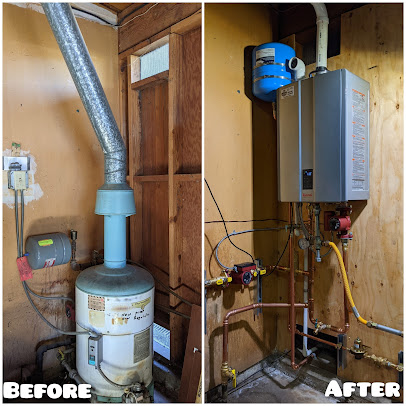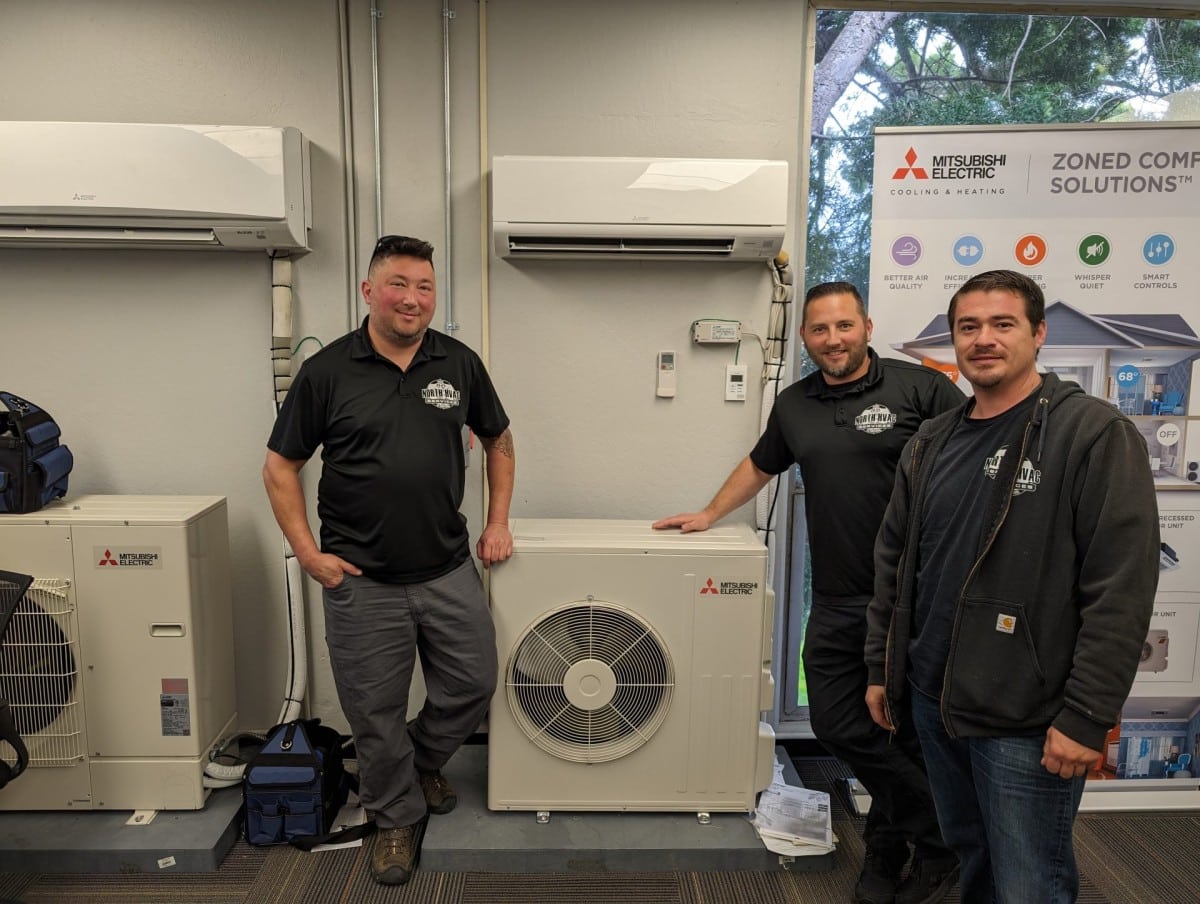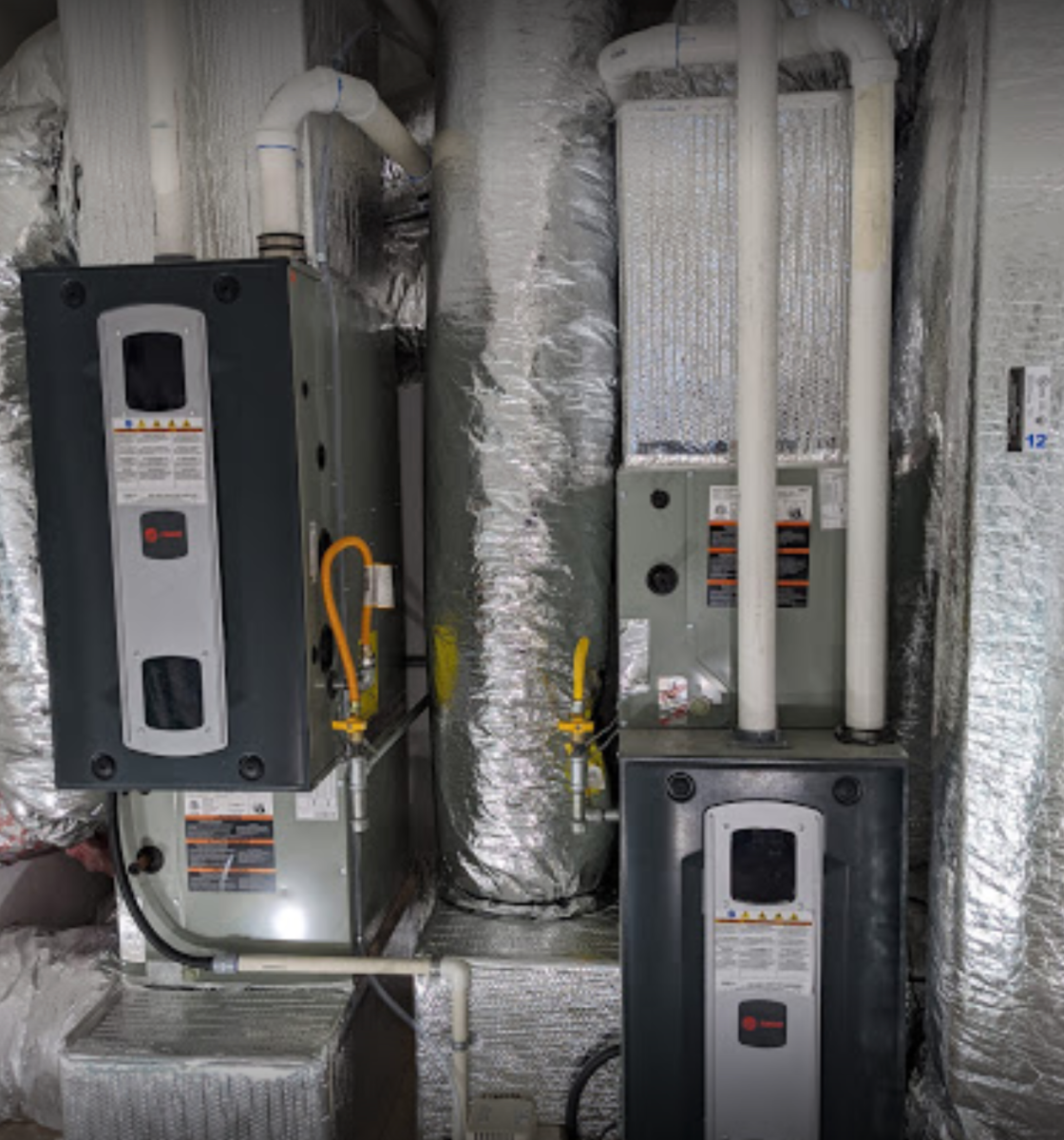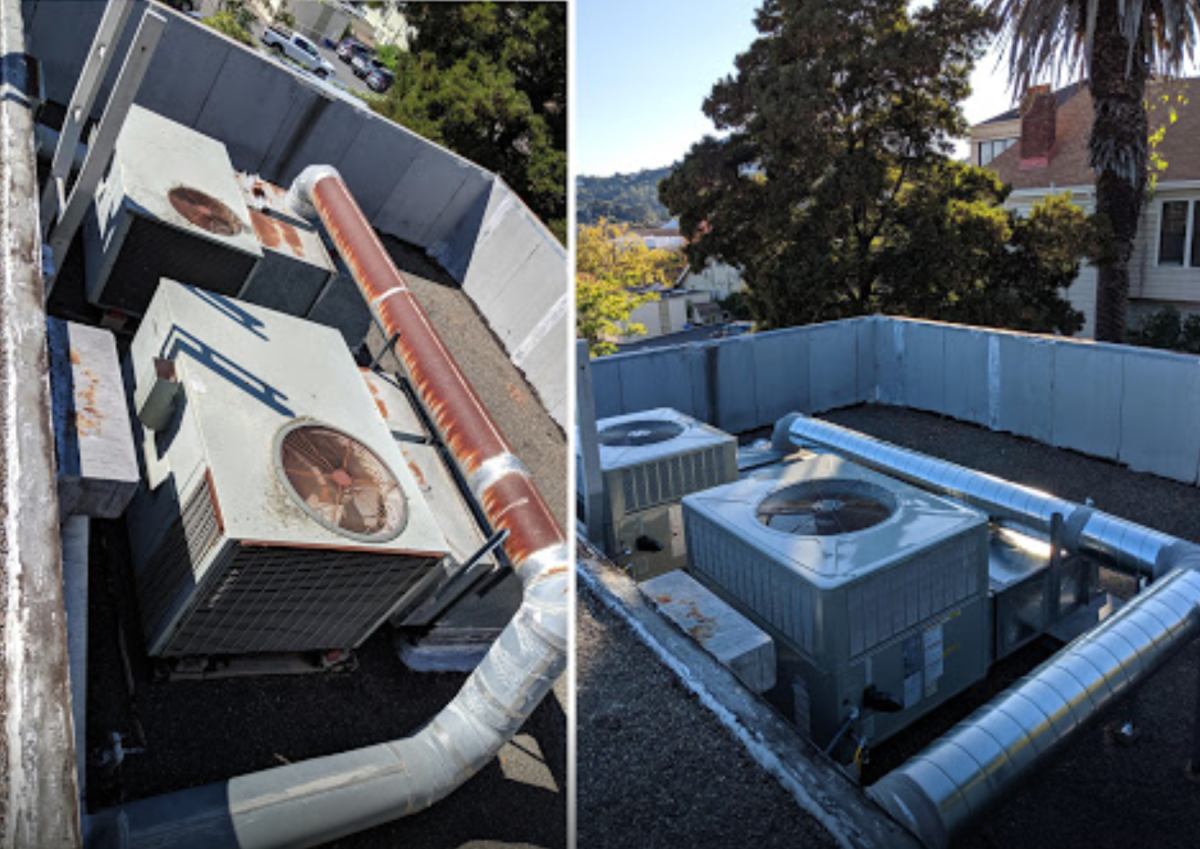
Transitioning from a traditional furnace to a heat pump can seem daunting, but it is a decision that many homeowners in Marin and Sonoma counties are considering. As energy costs rise and the focus on sustainability grows, heat pumps provide an attractive alternative for efficient home heating. However, one question frequently arises: Do you need a new furnace if you’re making the switch to a heat pump?
In this comprehensive guide, we will explore the factors involved in this decision, helping you weigh the pros and cons. We’ll also discuss practical scenarios and considerations to ensure your home remains comfortable and efficient throughout the year.
Understanding the Differences: Furnace vs. Heat Pump
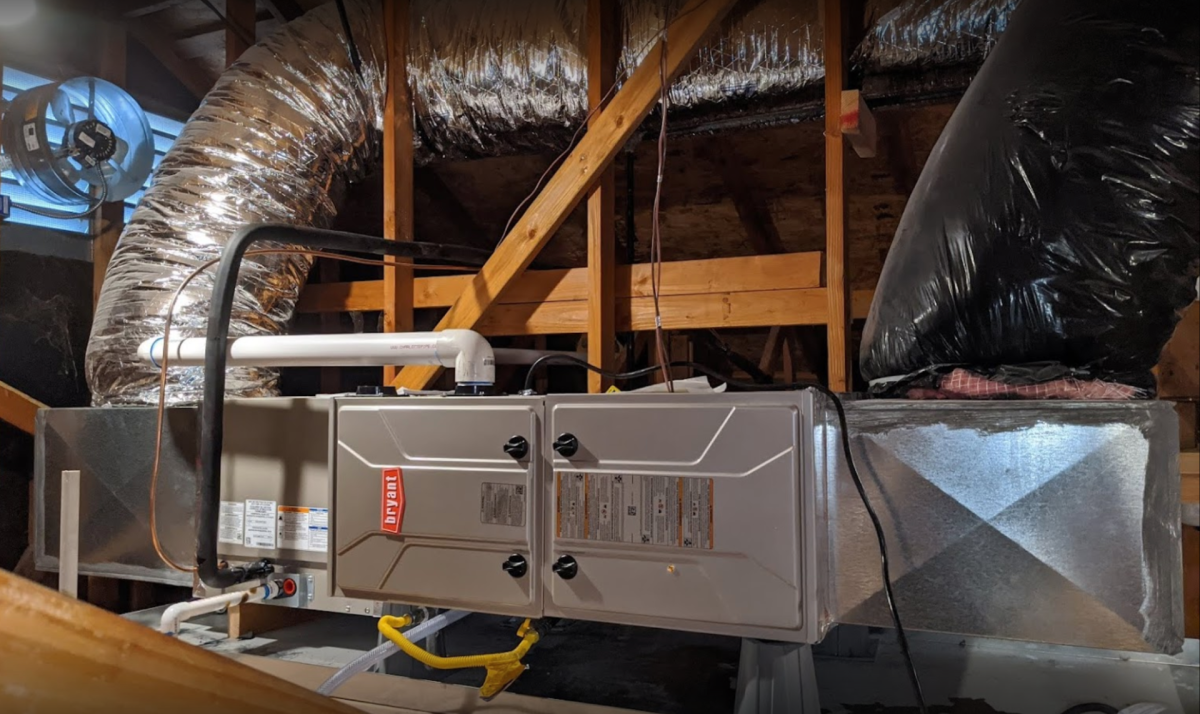
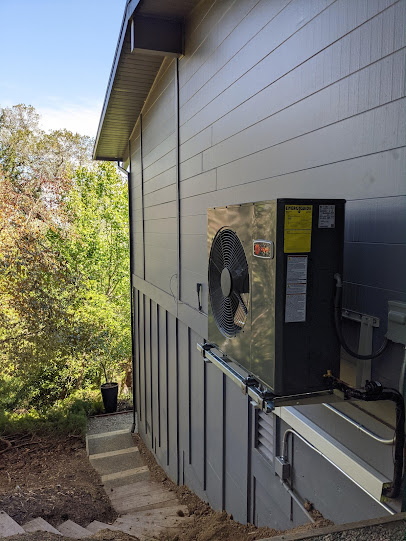
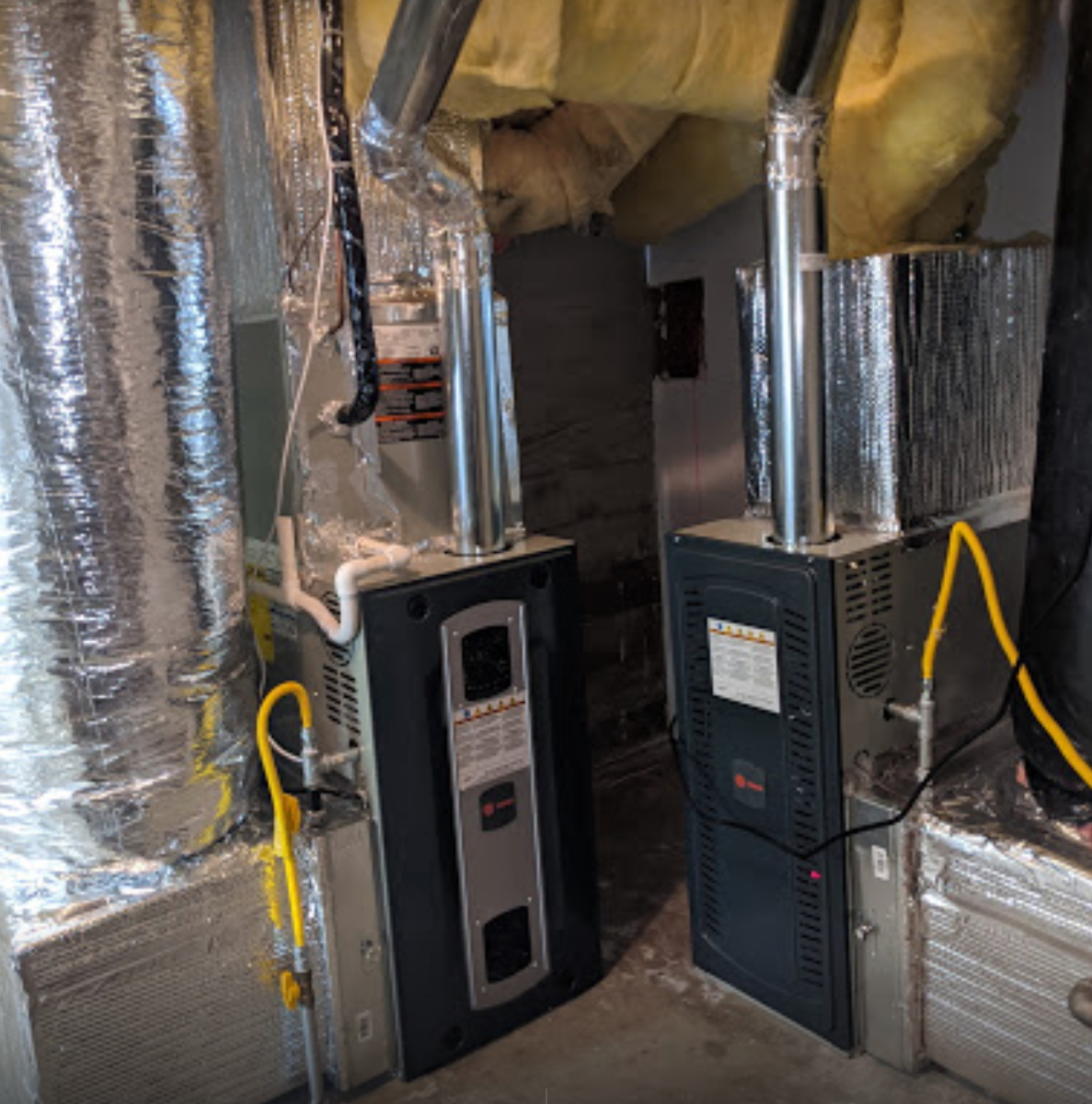
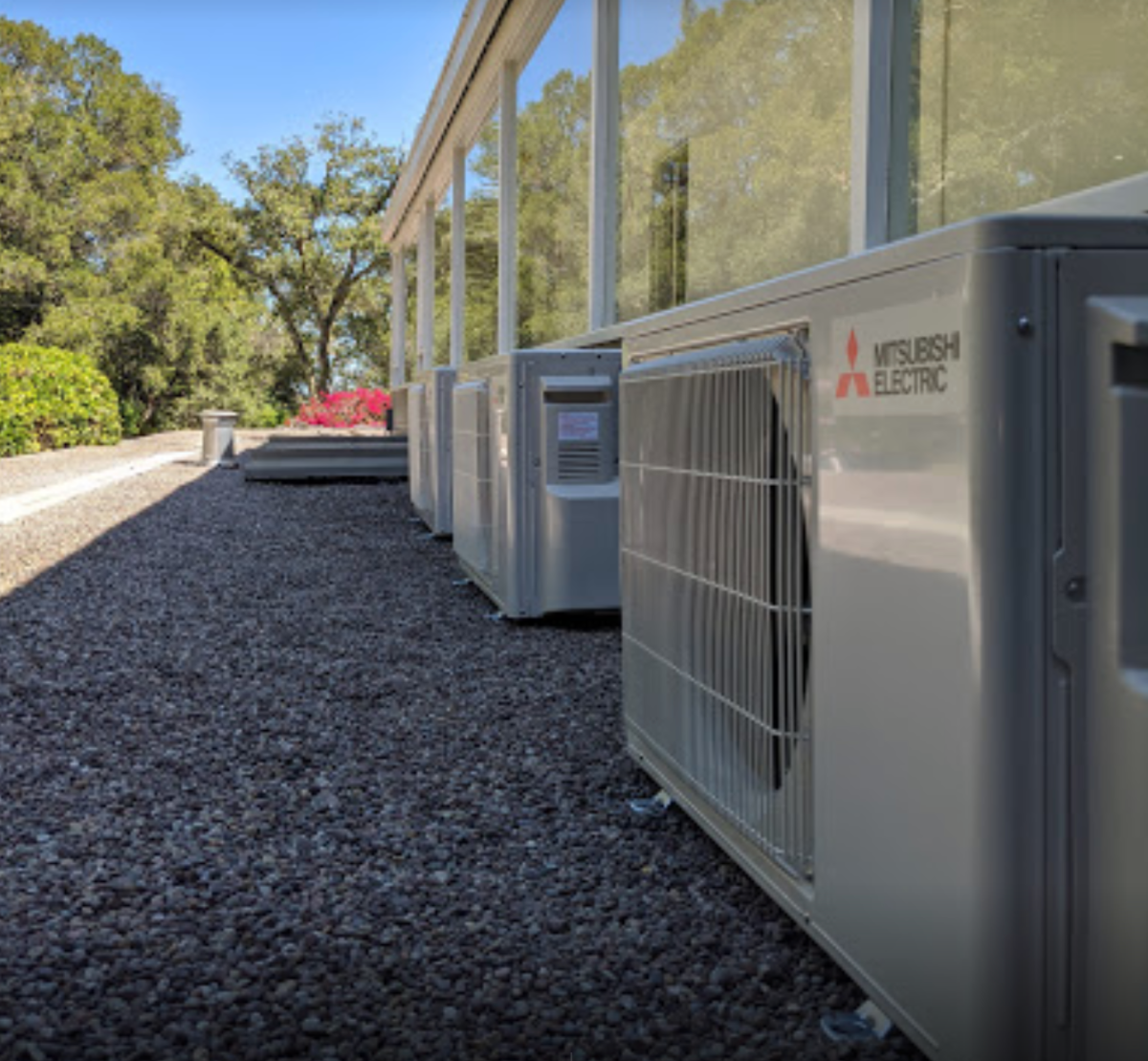
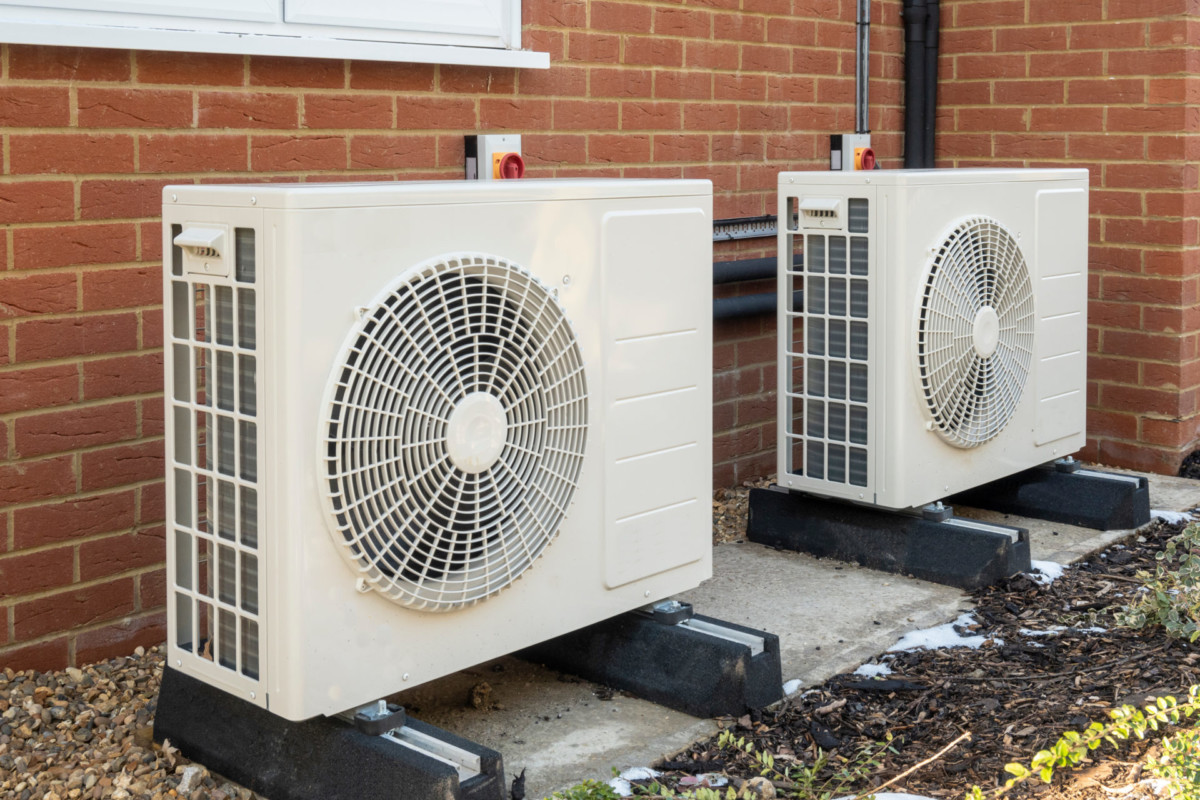
Before deciding on a new heating system, it’s essential to understand how furnaces and heat pumps operate. A furnace generates heat by burning fuel, such as natural gas, propane, or heating oil. It distributes this heat through your home using ductwork. In contrast, a heat pump transfers heat from the outside air (or ground) into your home. This process is reversed during the summer months, allowing the heat pump to cool your home.
Efficiency and Cost Considerations
Heat pumps are known for their energy efficiency, as they move heat rather than generating it. This can lead to significant savings on your energy bills, especially in moderate climates like those found in Marin and Sonoma counties. However, while heat pumps are efficient, they may require a higher upfront investment compared to traditional furnaces.
- Initial Costs: Heat pumps generally have a higher purchase price and installation cost compared to furnaces.
- Operational Savings: Over time, heat pumps can reduce energy costs due to their efficient operation.
- Government Incentives: Look for potential rebates or tax credits for installing an energy-efficient heating system.
Climate Suitability
Heat pumps are highly effective in moderate climates, making them suitable for many homes in our region. During milder winters, they can efficiently heat your home. In colder climates, a heat pump’s efficiency might decrease, and a supplementary heating system, like a furnace, could be beneficial.
For those concerned about colder winter days, a dual system that includes both a heat pump and a furnace might be the best solution. This hybrid approach ensures your home remains warm and comfortable, regardless of the outside temperature.
When Should You Consider a New Furnace?
If your furnace is relatively new and in good condition, you might not need a new one when switching to a heat pump. However, there are scenarios where replacing your furnace makes sense:
Age and Condition of the Existing Furnace
Furnaces typically last about 15-20 years. If your furnace is approaching or has exceeded this lifespan, it might be time for a replacement. Older furnaces are generally less efficient and may require more frequent furnace repair and troubleshooting, which can add up in costs.
A new furnace installation alongside a heat pump can provide a reliable backup system during particularly cold spells, ensuring your home is always warm. This approach also allows you to benefit from the latest energy-efficient models.
Compatibility with a Heat Pump
Before installing a heat pump, it’s crucial to evaluate whether your current furnace can integrate with the new system. Some older furnaces may not be compatible with modern heat pump systems, making a furnace replacement necessary.
Consulting with an expert in furnace installation and replacement can help determine if your current setup is suitable for a seamless transition. They can also provide insights into the most efficient furnace installation options available.
Maintenance and Safety Concerns
Regular furnace maintenance and safety checks are essential to ensure your system is functioning correctly and safely. If your furnace requires frequent repairs or is prone to breakdowns, it may be more cost-effective to invest in a new furnace rather than continuing with ongoing furnace repair and troubleshooting.
A new system will not only improve efficiency but also enhance safety by reducing the risk of carbon monoxide leaks or other hazards associated with older furnaces.
Advantages of a Heat Pump System
Switching to a heat pump system offers several benefits that can make it a worthwhile investment for your home. Here are some of the key advantages:
Year-Round Comfort
One of the standout features of heat pumps is their ability to provide both heating and cooling. This dual functionality means you can maintain a comfortable indoor temperature throughout the year without needing separate systems for heating and air conditioning.
- Space Savings: A heat pump reduces the need for multiple units, saving space and simplifying maintenance.
- Convenience: With a single system managing both heating and cooling, your HVAC system becomes easier to manage.
Lower Environmental Impact
Heat pumps are environmentally friendly as they utilize renewable resources to transfer heat. This reduces your home’s carbon footprint and contributes to environmental sustainability.
Additionally, upgrading to an energy-efficient heating system can further enhance your home’s eco-friendly profile, aligning with the growing emphasis on green living in our community.
Potential for Ducted Heat Pump Installation
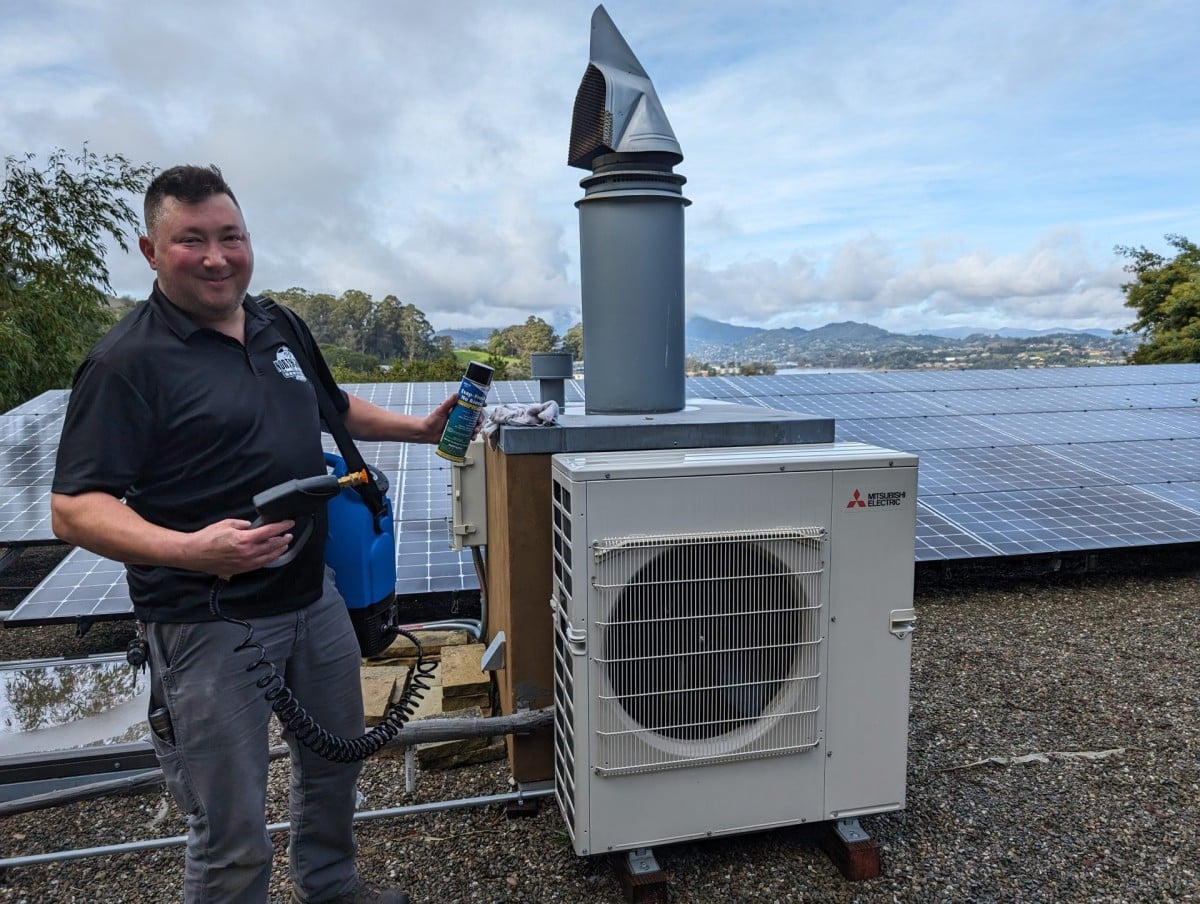
For homes with existing ductwork, a ducted heat pump installation can be a straightforward process. This option allows you to leverage your current infrastructure while upgrading to a more efficient system.
Professional heating services can ensure that your ducted heat pump systems are installed correctly, optimizing performance and enhancing comfort in every room of your home.
Making the Right Choice for Your Home
The decision to replace your furnace when switching to a heat pump depends on several factors, including the age and condition of your current system, your budget, and your home’s specific heating needs.
Consulting with Professionals
Engaging with experts in heating system diagnostics and HVAC troubleshooting can help you make an informed decision. They can assess your current system, recommend potential upgrades, and ensure that your new setup is both efficient and reliable.
Professional guidance is invaluable in navigating the complexities of furnace and heat pump integration, helping you avoid common pitfalls and ensuring a smooth transition.
Planning for the Future
Investing in a heat pump system is a long-term commitment. When considering your options, think about future needs and potential changes in energy prices. An energy-efficient heating upgrade can provide peace of mind and consistent savings over time.
Regular heat pump repair and maintenance will also be essential to keep your system running efficiently, prolonging its lifespan and maximizing your investment.
Conclusion
Switching to a heat pump can be a wise choice for homeowners seeking efficiency and environmental benefits. Whether you need a new furnace depends on several factors, including the state of your current system and your overall heating strategy.
For personalized advice and expert support, consider reaching out to North HVAC Services. Our team is committed to helping you find the best solutions for your home, ensuring comfort, safety, and efficiency throughout the year. Let us guide you through the process and ensure your heating system meets your needs today and in the future.