Why Ductwork Design Is a Key Factor in Home Comfort
Your heating and cooling system depends on good ductwork design for consistent comfort in every room. When people think of HVAC, they often picture furnaces, air conditioners, or thermostats. But the invisible network of ducts running through walls and ceilings is just as important for indoor comfort. If you want to improve your home’s feel, start by understanding the connection between ductwork and home comfort.
Poorly designed ductwork can rob your HVAC system of its effectiveness, even if you have top-tier equipment. Imagine a home where the bedrooms are always chilly, but the living room is stuffy. Or a business where one office never cools down. These problems often trace back to issues with ductwork design, not your furnace or AC unit.
- Uneven temperatures: Bad ductwork causes frustrating hot and cold spots.
- Excessive noise: Undersized or poorly placed ducts can amplify sound.
- High energy bills: Leaks and poor layout waste energy, costing you money.
- Poor air quality: Dust, allergens, and outdoor air can sneak in through gaps.
North HVAC Services has seen businesses in Petaluma deal with these issues. One local retail shop struggled with musty air and constant temperature complaints from employees. After a duct redesign, airflow balanced out and comfort complaints dropped by half.
Well-designed ductwork is not just about moving air. It’s about delivering the right amount, at the right temperature, to the right place—quietly and efficiently. Every detail from duct size to route affects your daily comfort and your bottom line as a business owner.
For further reading, see Minimizing Energy Losses in Ducts from the U.S. Department of Energy.
Airflow Balance: The Role of Duct Sizing and Layout
Balanced airflow is the foundation of comfort in any building. If your ductwork is too small, too big, or arranged poorly, you’ll run into problems. The main goal: deliver the correct amount of air to each space, so your HVAC system doesn’t work harder than it should.
Why Duct Sizing Matters
If ducts are too small, air moves too fast and makes noise. If they’re too large, air slows down and may not reach distant rooms. Both situations create discomfort. For example, a restaurant owner in Petaluma noticed customers avoided certain dining areas in summer. The culprit? Undersized ducts that couldn’t deliver enough cool air.
- Undersized ducts: Restrict airflow, strain the HVAC unit, and cause noisy air movement.
- Oversized ducts: Reduce air pressure, slowing air delivery and causing uneven temperatures.
How Layout Affects Comfort
The way ducts branch out matters. Long, winding runs or too many turns can weaken air pressure. Each bend or split in the ductwork adds resistance, meaning less air reaches the endpoint. A good design uses straight, insulated runs and minimizes sharp turns. In a local office remodel, North HVAC Services found that relocating a few key ducts improved airflow to workstations by over 40%.
- Keep runs as short and direct as possible.
- Limit the number of elbows and branches.
- Balance supply and return ducts for even air distribution.
Have you ever walked into a room that feels stuffy or stale, even though the HVAC is running? That’s a sign your ductwork and home comfort are out of sync due to poor sizing or layout.
Temperature Consistency: Preventing Hot and Cold Spots
Nothing frustrates employees or customers more than rooms that are too hot or too cold. Inconsistent temperatures are one of the most frequent complaints North HVAC Services hears from business owners in Petaluma. These uneven spots are almost always tied to ductwork design.
Common Causes of Hot and Cold Spots
- Unbalanced supply and return ducts: Some areas receive more or less air than needed.
- Poorly placed vents: If vents are too close to windows or blocked by furniture, air can’t circulate properly.
- Long duct runs: Distant rooms often get less conditioned air.
For instance, a small retail store had a storage room that was always much colder than the sales floor. The cause? The only supply vent was at the far end of a long duct run with several sharp bends. By adding a return duct and repositioning the supply, the owner saw immediate improvements.
How to Achieve Consistency
- Design each duct run to handle the heating/cooling load of its specific room.
- Use manual dampers or smart zoning systems to control airflow.
- Check for obstructions like furniture, shelving, or blocked vents.
Are you dealing with temperature swings in your building? Addressing ductwork and home comfort together can make every area feel just right—without overworking your HVAC system.
Duct Leaks and Sealing: Their Direct Impact on Comfort
Even the best HVAC system can’t perform if your ducts leak air. Studies show that up to 30% of air can escape through unsealed joints, holes, or disconnected sections. That’s air you paid to heat or cool, lost before it reaches its destination.
How Leaks Affect Comfort and Costs
- Wasted energy: Your system runs longer, using more electricity or gas.
- Uneven temperatures: Less air reaches certain rooms, causing hot/cold spots.
- Poor air quality: Leaks in attics or crawl spaces pull in dust, pollen, and insulation fibers.
One local bakery had persistent humidity and dust problems in their kitchen area. North HVAC Services discovered several leaking duct joints above the drop ceiling. After professionally sealing the ducts, both air quality and temperature stability improved dramatically.
Identifying and Fixing Leaks
- Look for visible gaps, disconnected segments, or tape that’s dried out.
- Feel for air escaping at duct joints while the system runs.
- Hire a pro to perform a duct leakage test if problems persist.
Sealing leaks with mastic or metal tape—not common duct tape—can save serious money on energy bills. If you’ve never had your ductwork inspected, you might be losing comfort and dollars without realizing it.
Insulation and Duct Placement: Keeping Conditioned Air at the Right Temperature
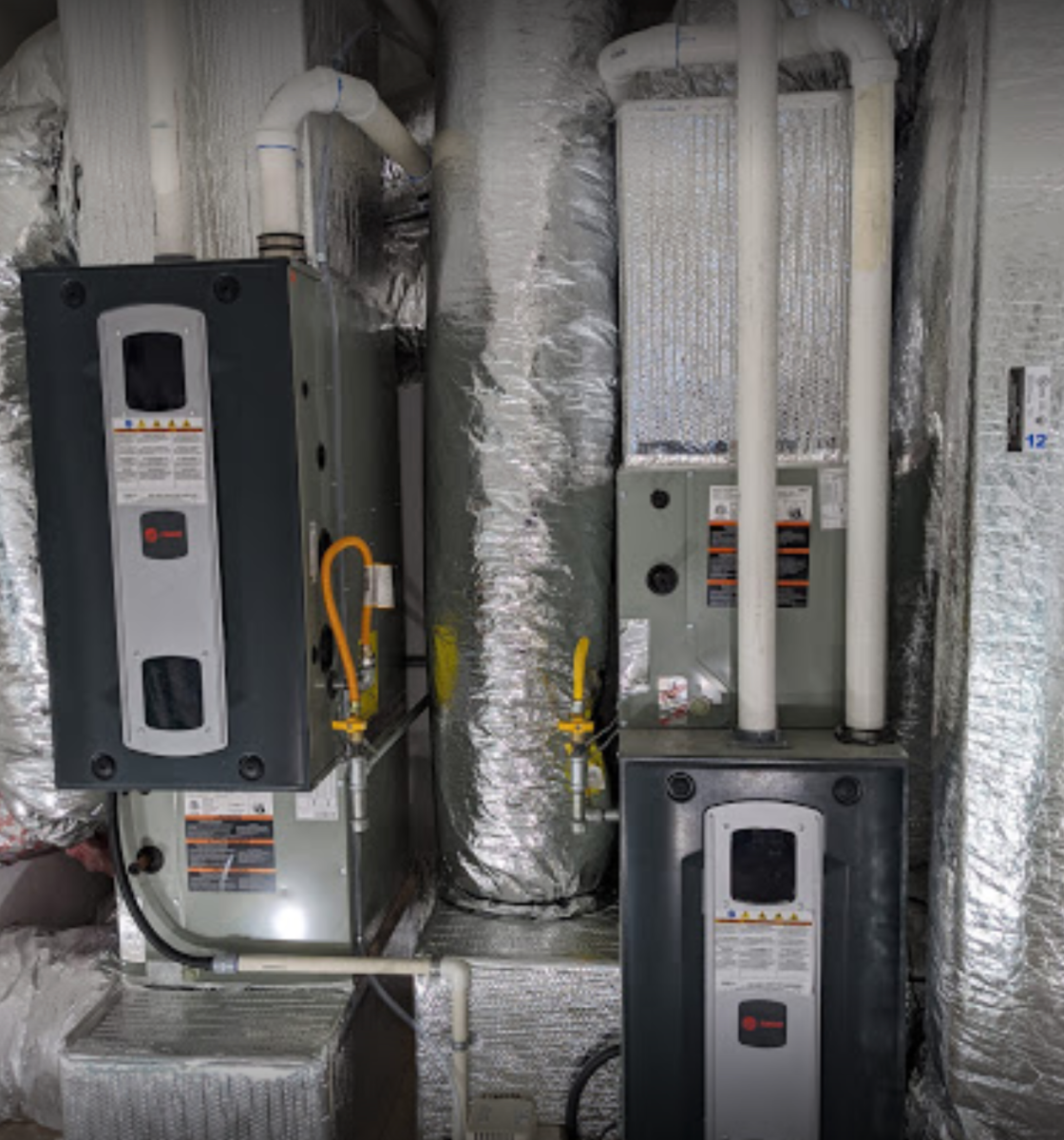
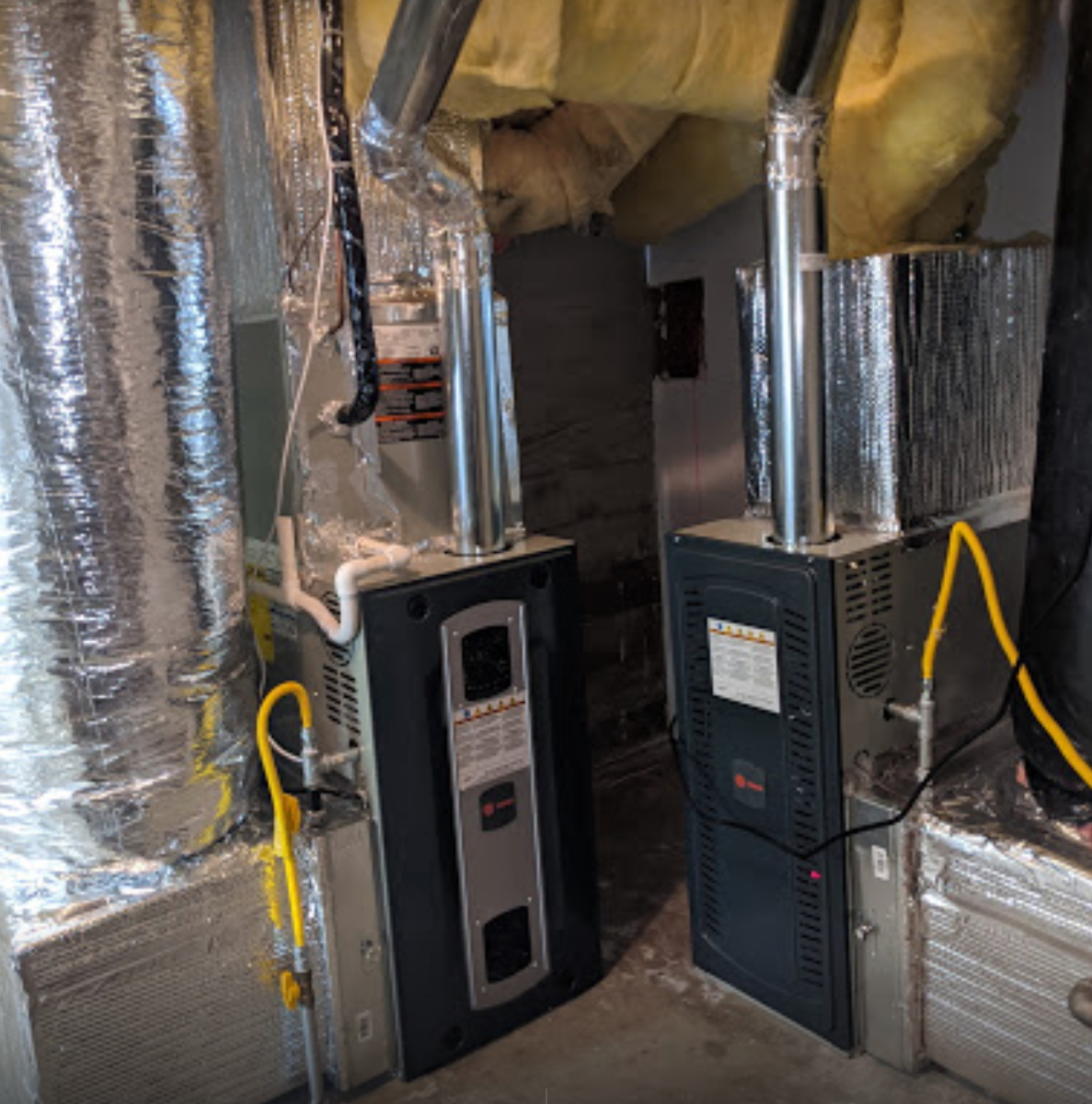
Even perfectly sealed ducts can underperform if they aren’t insulated or are installed in the wrong places. The temperature of air inside the duct can change before it ever reaches your rooms, especially if ducts run through unconditioned spaces like attics or crawl spaces.
Why Insulation Matters
- Prevents heat loss in winter: Warm air traveling through cold spaces loses heat, cooling before it’s delivered.
- Keeps air cool in summer: Cold air can warm up in hot attics, making the AC work harder.
For example, a Petaluma salon noticed the back rooms were always stuffy in summer, despite strong airflow. The cause was uninsulated ducts running through a sun-baked attic. Wrapping those ducts in insulation kept the air cool all the way to the vents, improving customer comfort.
Best Practices for Duct Placement
- Route ducts through conditioned space whenever possible.
- Insulate any ductwork located in unconditioned areas.
- Keep ducts away from sources of heat or cold, like exterior walls or roofs.
Have you checked your attic or crawl space for exposed ductwork? Insulation and smart placement are simple ways to improve both ductwork and home comfort, especially in older buildings.
Noise Levels: How Ductwork Design Affects Sound in Your Home
No one wants to hear rattling, whistling, or booming every time the HVAC kicks on. Ductwork design plays a big part in how much noise you notice. Undersized ducts, sharp bends, or thin materials can all amplify sound.
Common Noise Problems
- Whistling: Air forced through narrow ducts or small vents makes high-pitched noise.
- Popping: Metal ducts expand and contract, causing sudden sounds.
- Rattling: Loose ducts or poorly supported runs vibrate with airflow.
One small office in Petaluma had a meeting room no one wanted to use because of constant duct noise. North HVAC Services traced the problem to undersized ducts and a poorly supported run above the ceiling tiles. By upsizing the ducts and securing them, noise dropped to a barely noticeable hum.
Tips to Reduce Duct Noise
- Use properly sized ducts to reduce air velocity.
- Install flexible connectors and sound-dampening insulation.
- Support ducts with hangers to prevent vibration.
- Design gradual turns instead of sharp elbows where possible.
If your building is quiet when the HVAC is off, but noisy when it runs, your ductwork and home comfort could benefit from a design review.
Indoor Air Quality: Duct Design’s Role in Clean, Healthy Air
Good duct design does more than deliver heating and cooling—it also protects air quality. Ducts that are dirty, leaky, or poorly designed can spread dust, allergens, and even odors throughout your space. This is especially important for businesses where a healthy environment is essential for employees and customers.
Design Issues That Affect Air Quality
- Leaky ducts: Draw in dust, mold spores, and insulation fibers from attics or crawl spaces.
- Poorly placed returns: Pull air from dirty or humid areas, spreading contaminants.
- Hard-to-clean layouts: Ducts with sharp bends or inaccessible sections collect debris.
A medical office in Petaluma saw a spike in allergy complaints after a remodel. North HVAC Services found that new return ducts were pulling air from a musty storage area. By relocating the returns and sealing the ducts, indoor air quality improved and complaints stopped.
Steps to Ensure Healthy Air
- Seal all duct joints to prevent contaminant entry.
- Place return ducts in clean, central locations away from sources of dust or moisture.
- Schedule regular duct cleaning, especially after construction or renovations.
Have you noticed more dust, odors, or allergy symptoms in your building? Your ductwork and home comfort could be at risk from poor air quality due to design flaws.
Ductwork and Home Comfort Complaints: What Homeowners Experience and How Design Fixes It
Most comfort complaints trace back to ductwork issues—even if the symptoms seem unrelated. North HVAC Services often hears:
- “The back office is freezing, but the lobby is too hot.”
- “The AC runs all day, but it never feels cool.”
- “There’s a musty smell coming from the vents.”
- “I hear rattling in the ducts whenever the heat turns on.”
Each of these has a duct design solution:
- Temperature imbalances: Fix by resizing ducts, adding returns, or installing dampers.
- Weak airflow: Address with layout improvements, leak sealing, or fan upgrades.
- Odors and dust: Seal leaks and relocate returns away from problem areas.
- Noise: Upsize ducts, add sound insulation, and secure loose segments.
For example, a Petaluma coworking space had constant complaints about stuffy conference rooms. By redesigning the ductwork and adding zoning controls, North HVAC Services helped them achieve balanced temperatures and quiet operation—boosting tenant satisfaction.
If you hear complaints or notice discomfort in your building, don’t assume you need new equipment. Often, improving the ductwork and home comfort together can solve the problem faster and for less money.
Ready to Improve Your Ductwork and Home Comfort?
Are you tired of uneven temperatures, noise, or air quality problems in your business or home? The right ductwork design can solve these issues and make your space more comfortable, efficient, and healthy. North HVAC Services specializes in ductwork and home comfort solutions tailored for Petaluma and the North Bay. Call (415) 845-6910 today to schedule a duct inspection or comfort consultation. Let us help you create a space where every room feels just right.
Frequently Asked Questions
How can I tell if my ductwork is affecting my home’s comfort?
If you notice uneven temperatures, stuffy rooms, or higher energy bills, your ductwork might be the culprit. Common signs include hot or cold spots, excessive HVAC noise, and visible dust around vents.
Will redesigning my ductwork really improve air quality and comfort?
Yes, updating poorly designed ductwork can significantly boost air quality and even out temperatures throughout your home. Sealing leaks and optimizing airflow helps your HVAC system work more efficiently and keeps every room comfortable.
How do I know if my ductwork needs to be replaced or just repaired?
A professional HVAC inspection can identify whether your ducts have minor leaks that can be sealed or if they are undersized, damaged, or too outdated to function well. North HVAC Services in Petaluma can assess your system and recommend the best solution.
Can fixing my ductwork lower my energy bills?
Absolutely—leaky or badly designed ducts force your HVAC system to work harder, driving up your energy costs. Repairing or redesigning ductwork can improve efficiency and lead to noticeable savings on your utility bills.
Who should I contact for ductwork design or repairs in Petaluma?
For expert ductwork design or repair in Petaluma, reach out to North HVAC Services at (415) 845-6910. Their team can help diagnose your comfort issues and offer effective, lasting solutions.