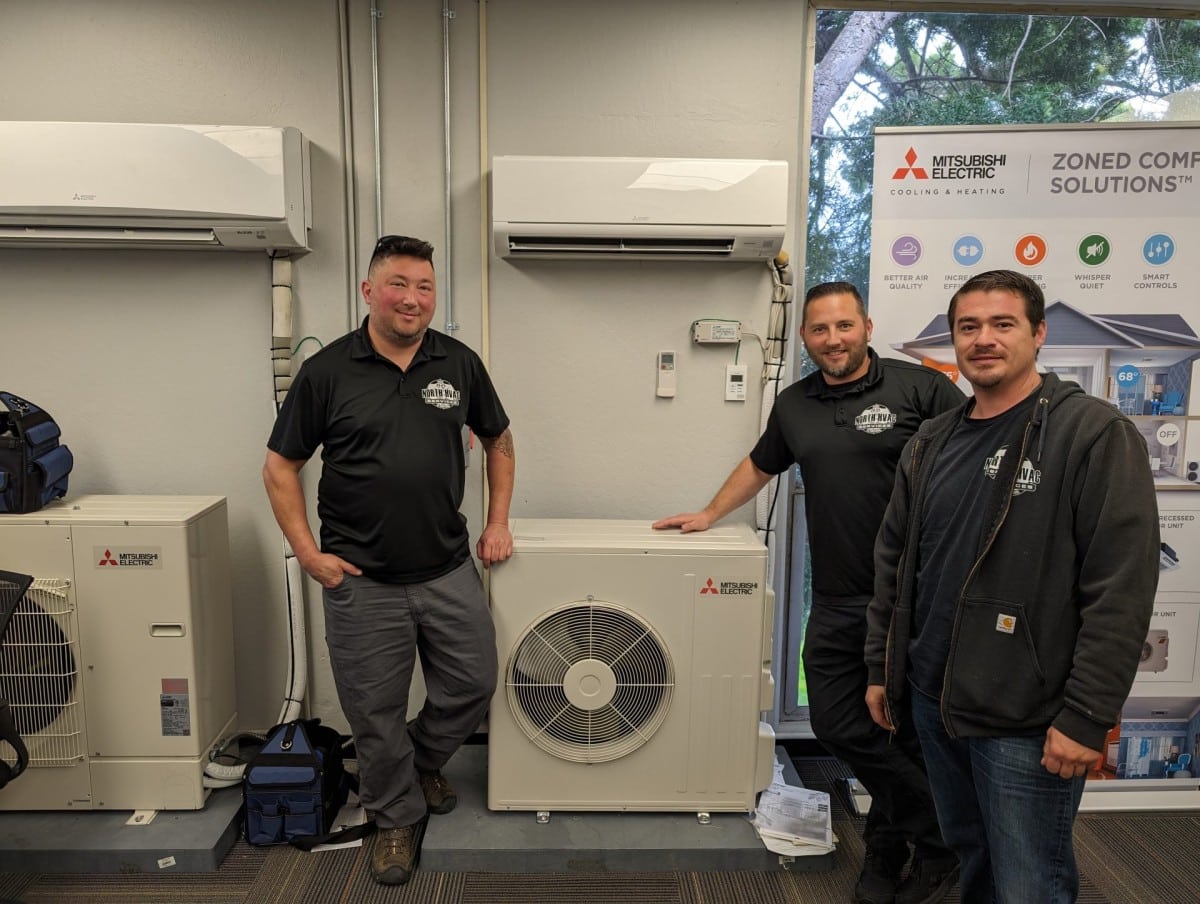
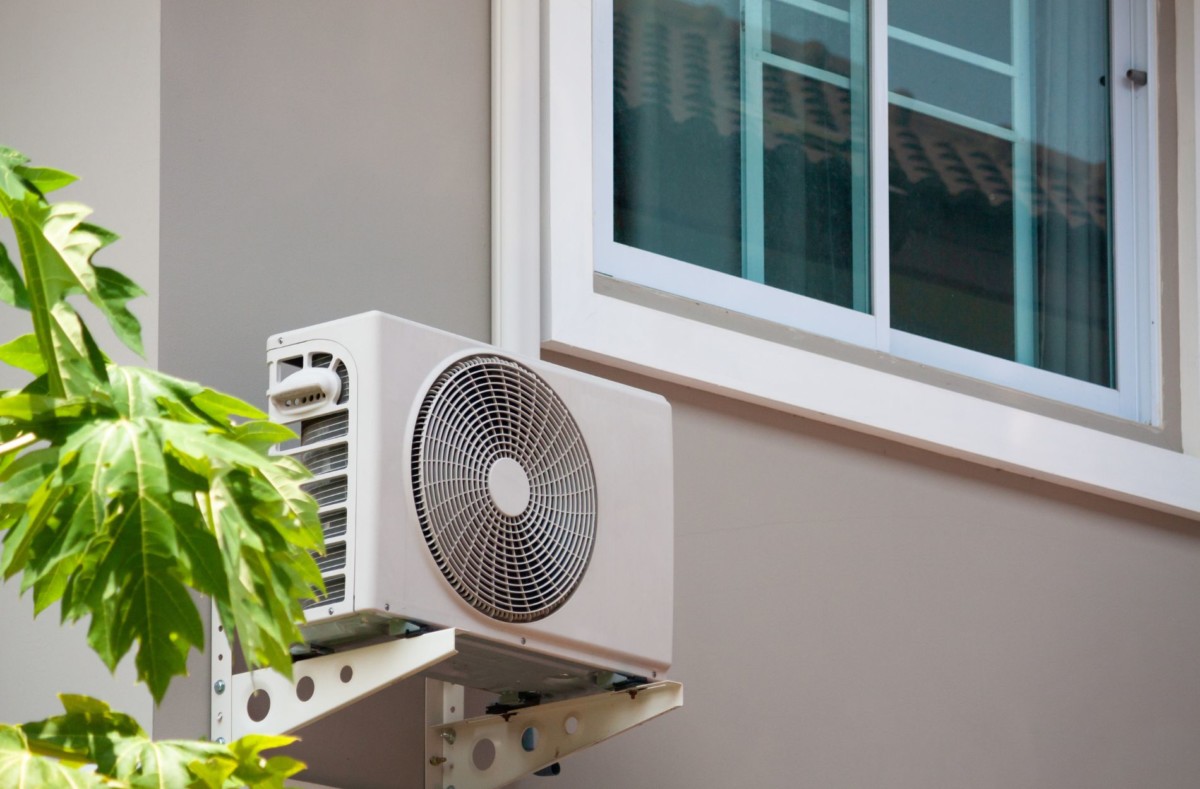
Choosing the right HVAC system for your home is a significant decision that impacts your comfort, energy bills, and overall satisfaction. With various options available in the market, it can be overwhelming to determine which system best suits your needs. In this guide, we’ll walk you through essential factors to consider when selecting an HVAC system, ensuring you make an informed choice that enhances your home’s comfort and efficiency.
Understanding Your Home’s Heating and Cooling Needs
The first step in choosing the best HVAC system is to understand your home’s specific heating and cooling requirements. Various factors influence these needs, including the size of your home, climate, and insulation quality. A system that works well in one home might not be suitable for another.
Assessing Home Size and Layout
The size and layout of your home play a crucial role in determining the appropriate HVAC system. A system that is too large may lead to inefficient operation, while one that is too small won’t sufficiently heat or cool your home. Consider consulting with a professional for an accurate load calculation, which will ensure you select a system that matches your home’s specifications.
- Calculate square footage for accurate sizing.
- Consider ceiling height and room layout.
- Factor in the number of windows and their insulation quality.
Climate Considerations
Your local climate significantly influences the type of HVAC system you should choose. Homes in cooler climates may benefit from a high efficiency furnace, while those in warmer areas might prioritize efficient air conditioning systems. Remember, proper hvac maintenance and tune-ups are essential for any system’s longevity and performance.
- Consider the average temperature range throughout the year.
- Account for humidity levels common in your area.
- Choose systems designed to handle your specific climate conditions.
Types of HVAC Systems
There are several types of HVAC systems available, each with its own set of advantages and considerations. Understanding these options will help you determine which system aligns with your home’s needs.
Split Systems
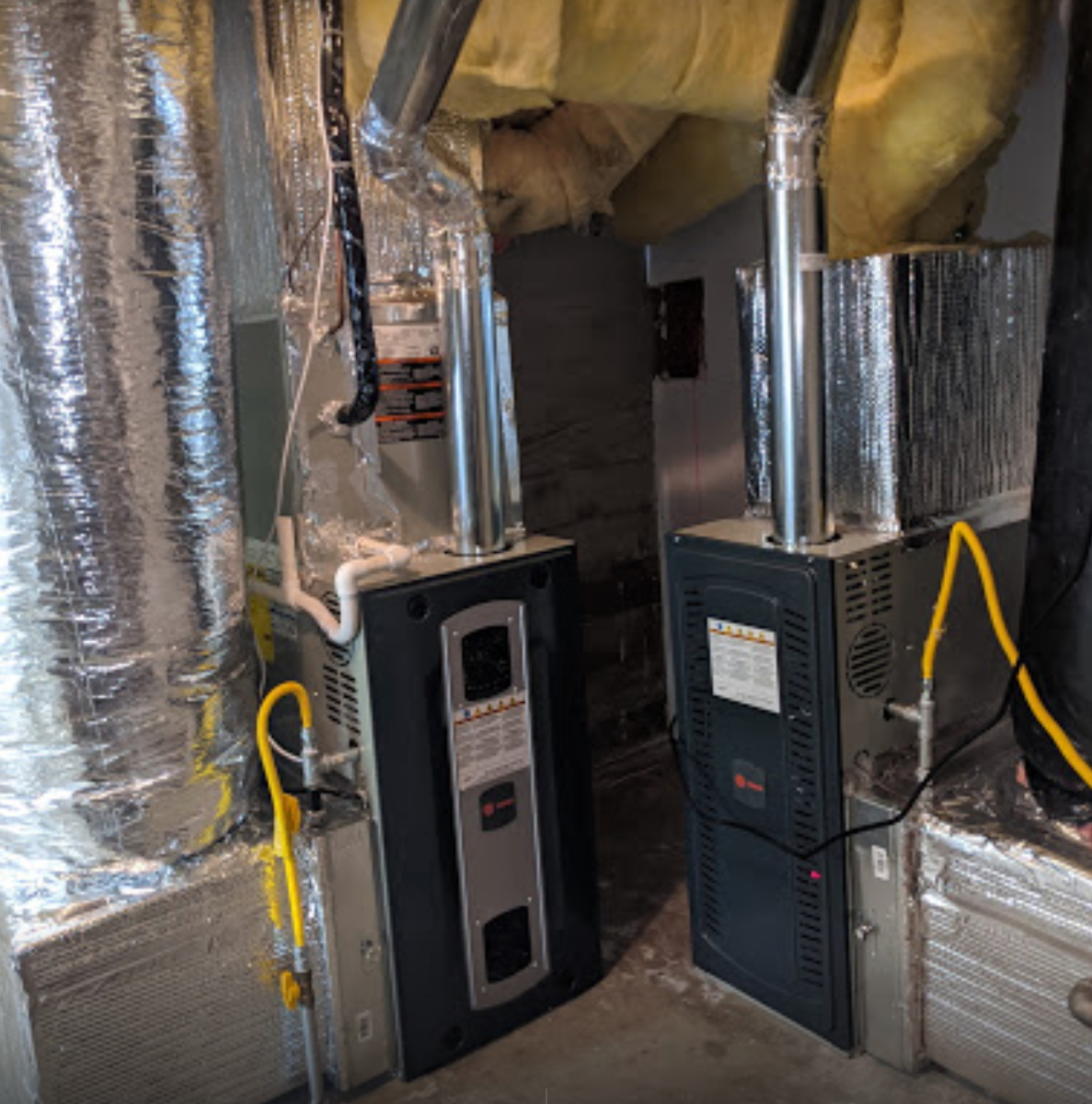
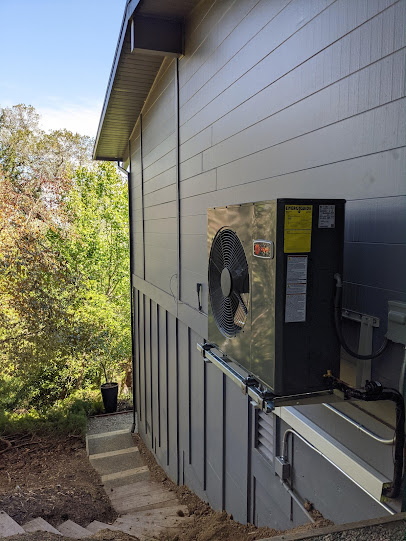
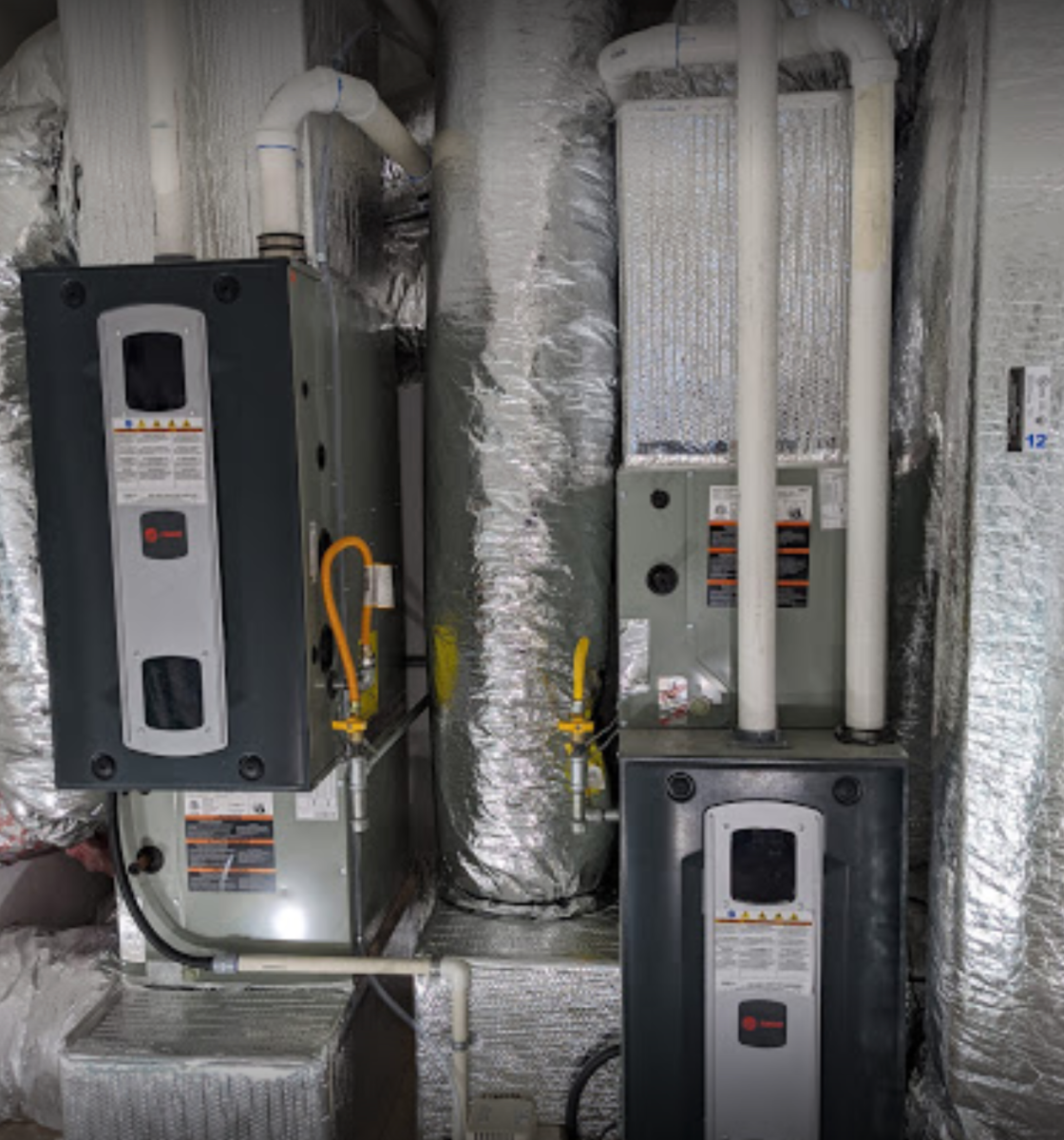
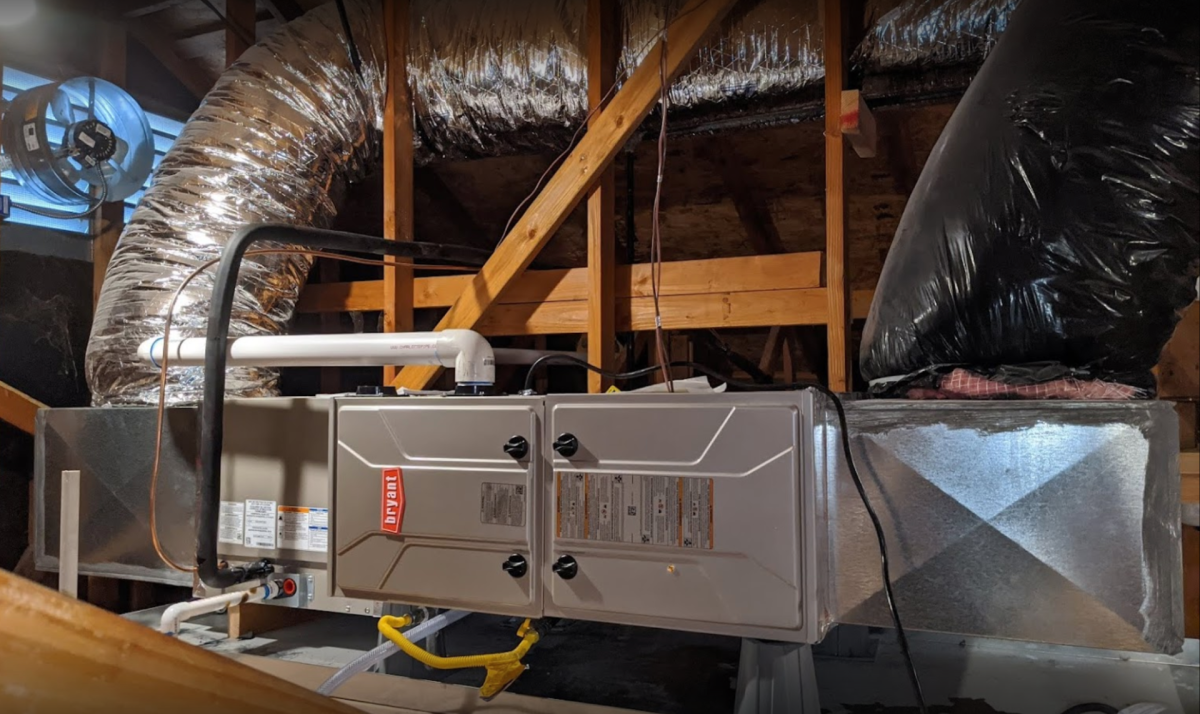
Split systems are the most common type of HVAC system, consisting of an outdoor unit and an indoor unit. These systems can efficiently heat and cool your home, making them a versatile choice for various climates.
- Provide efficient heating and cooling.
- Allow for zoning capabilities to control different areas individually.
- Regular air conditioning maintenance enhances performance and lifespan.
Heat Pumps
Heat pumps are an energy-efficient choice for milder climates, offering both heating and cooling capabilities. They transfer heat rather than generate it, which can lead to significant energy savings.
- Ideal for moderate climates.
- Can reduce energy consumption with proper hvac maintenance checks.
- Suitable for both residential and commercial hvac installations.
Packaged Systems
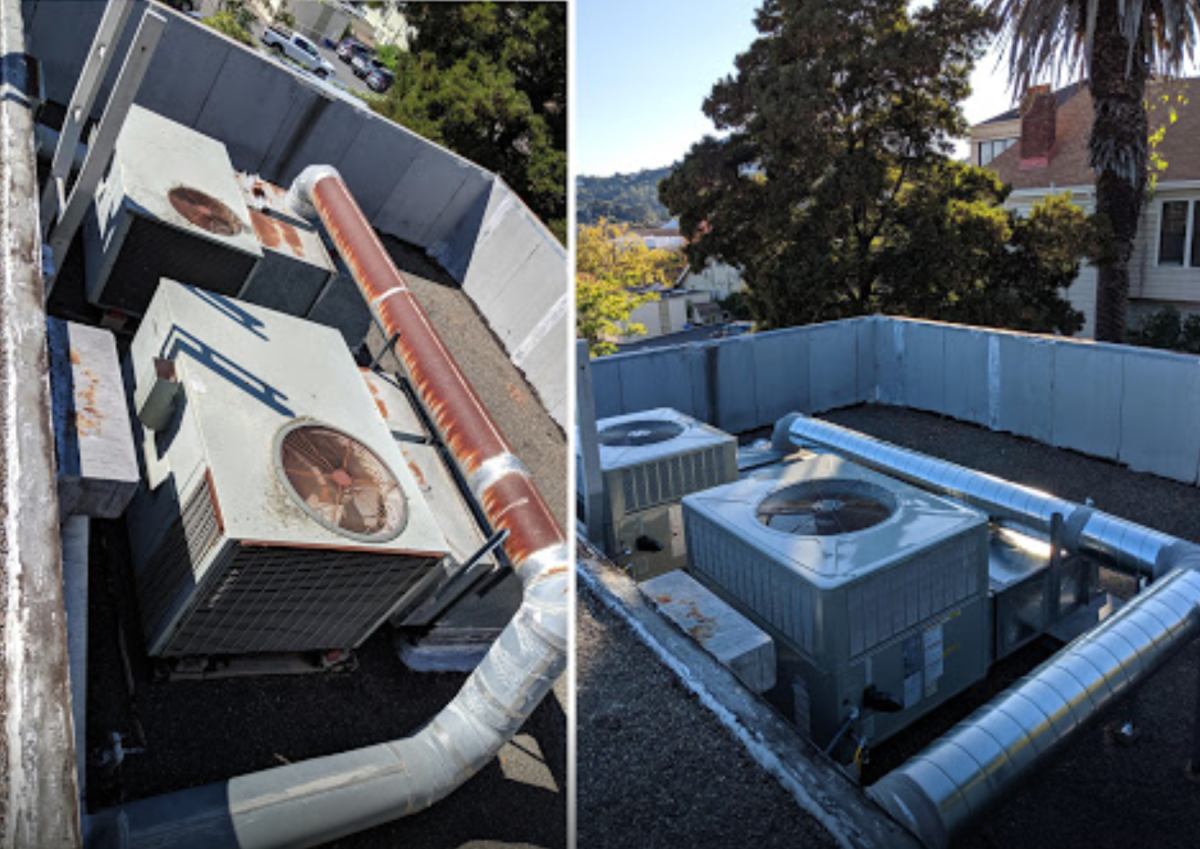
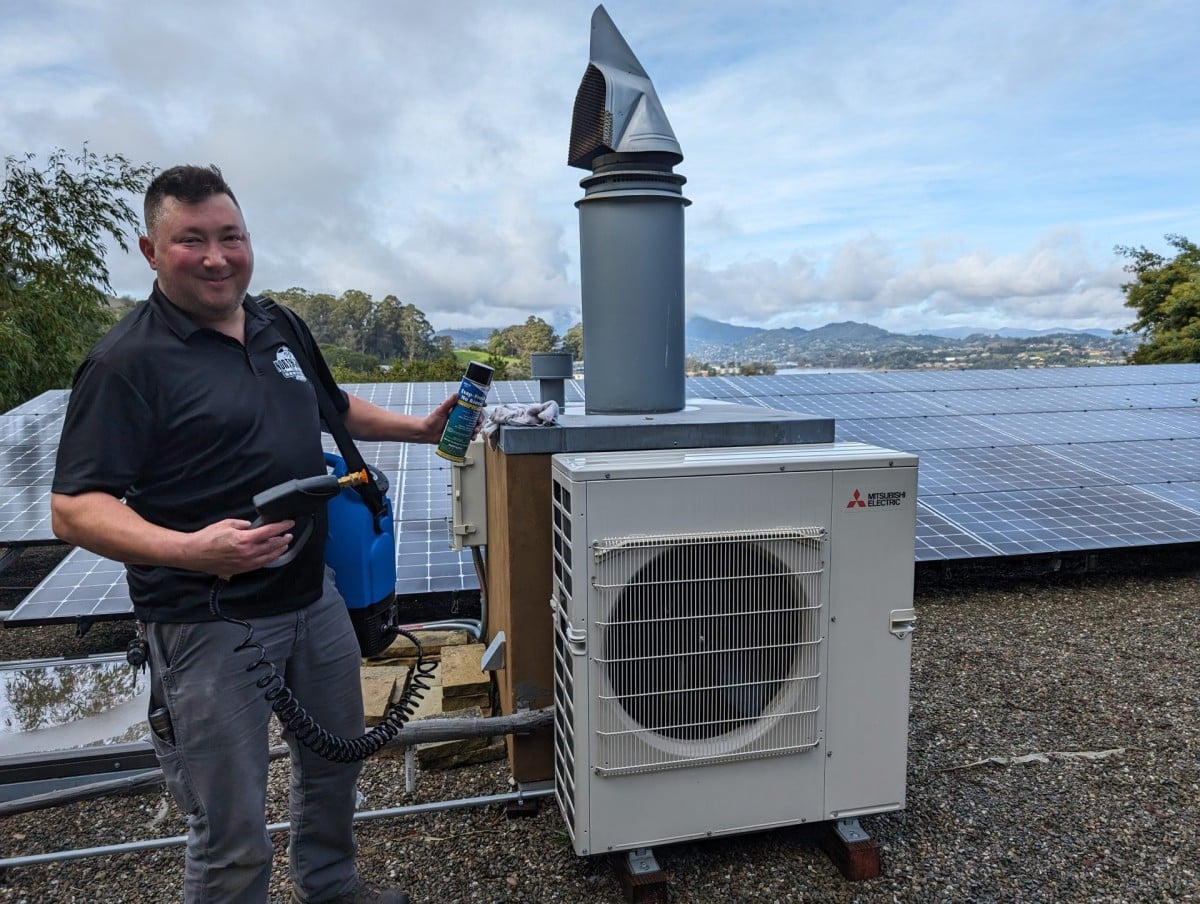
Packaged systems house all components in a single unit, often installed on the roof or a concrete slab beside the house. They are a space-saving option, particularly for homes with limited indoor space.
- Compact design saves indoor space.
- Easy to install and service.
- Beneficial in areas with limited indoor space for separate units.
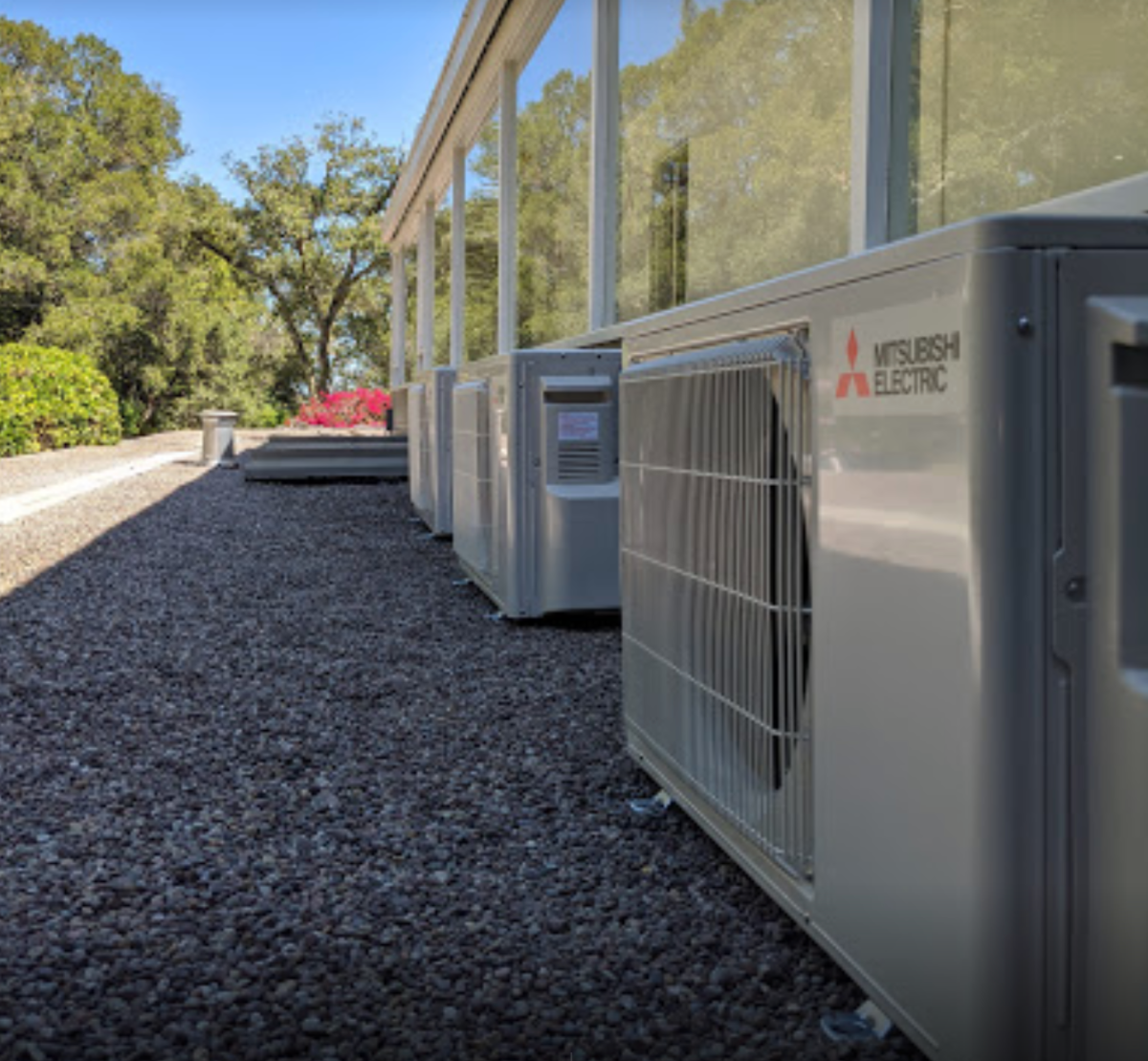
Ductless Mini-Split Systems
Ductless mini-split systems are ideal for homes without existing ductwork. These systems offer flexibility and efficiency, allowing for individual temperature control in different rooms.
- Provide targeted heating and cooling.
- Great for room additions or homes without ducts.
- Require professional furnace installation in certain setups.
Energy Efficiency and Costs
Energy efficiency is a critical factor when choosing an HVAC system. More efficient systems may have a higher upfront cost, but they usually pay off in lower energy bills over time. It’s essential to consider both the initial investment and long-term savings.
SEER and AFUE Ratings
The Seasonal Energy Efficiency Ratio (SEER) and Annual Fuel Utilization Efficiency (AFUE) ratings indicate the efficiency of cooling and heating systems, respectively. Higher ratings mean better efficiency.
- Look for a high SEER rating for cooling efficiency.
- Choose a high AFUE rating for heating efficiency.
- Consider energy efficient hvac systems to reduce utility bills.
Budget Considerations
While energy efficiency is crucial, your budget will also influence your decision. It’s important to strike a balance between upfront costs and potential savings. Consider long-term costs, including installation, maintenance, and energy use.
- Factor in the cost of regular hvac system service.
- Explore financing options for high-efficiency systems.
- Evaluate potential savings from seasonal ac maintenance.
Installation and Maintenance
Proper installation and maintenance are vital to the performance and longevity of your HVAC system. A poorly installed system can lead to inefficiencies and frequent repairs. Regular maintenance ensures your system runs smoothly and efficiently.
Professional Installation
The quality of installation significantly affects your system’s performance. Professional installation ensures your system operates efficiently and safely. Whether you choose a split system or require commercial hvac installation, hiring experienced technicians is crucial.
- Ensure proper sizing and installation for optimal performance.
- Choose professionals with experience in hvac system upgrades.
- Seek recommendations for reliable installers in your area.
Regular Maintenance
Regular maintenance, such as hvac tune-up services, is essential to keep your system running efficiently. Maintenance checks help identify potential issues before they become costly repairs, ensuring your system lasts longer and performs better.
- Schedule seasonal hvac tune-ups to optimize performance.
- Include air conditioning maintenance in your routine.
- Consider hvac maintenance plans for ongoing system care.
Conclusion
Choosing the right HVAC system for your home involves careful consideration of your specific needs, budget, and climate. By understanding your home’s requirements and exploring different system types, you can make an informed decision that enhances comfort and efficiency. Remember, professional installation and regular maintenance are key to ensuring your system operates at its best. For expert advice and reliable service, consider reaching out to North HVAC Services. We are here to assist you with all your HVAC needs, from installation to ongoing maintenance, ensuring your comfort and peace of mind.