What Does ‘Upgrading to Smart Controls’ Actually Mean?
Upgrading to smart controls means replacing your old thermostat with a device that connects to Wi-Fi and offers advanced features like remote scheduling, learning your patterns, and integrating with other smart home devices.
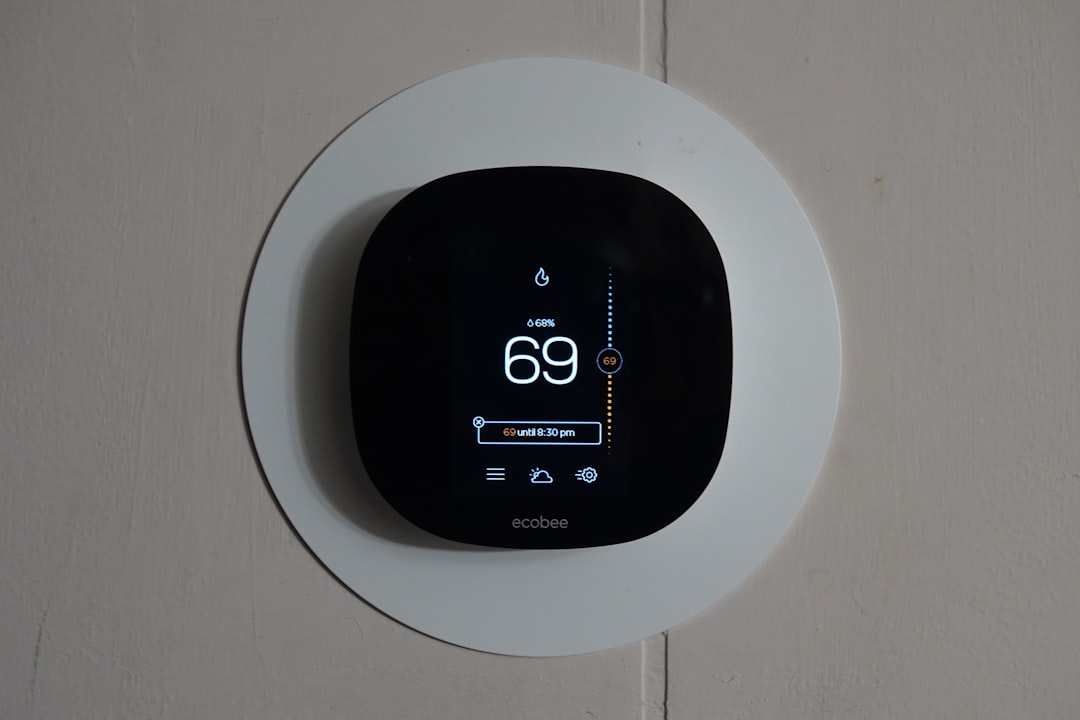
Smart thermostats go beyond simple temperature adjustments. They let you control your heating and cooling from your smartphone, even when you’re away from your property. Many models, like the Nest Learning Thermostat or ecobee SmartThermostat, can detect when you’re home, adjust settings automatically, and provide detailed usage reports.
Some smart thermostats support smart speakers (like Amazon Alexa or Google Home), and can tie into broader building management systems. For business owners, smart controls can mean tighter control over energy costs and easier troubleshooting, since some models alert you to system issues or filter change reminders.
If you’re used to manual or programmable thermostats, smart controls can feel like a big step forward. But not every thermostat replacement leads to these features, and not every system or building benefits from them equally.
For further reading, see Best Thermostat Buying Guide from consumerreports.org.
Does Every Thermostat Replacement Automatically Include Smart Controls?
No, replacing an old thermostat does not automatically mean you get smart controls—unless you specifically choose a smart thermostat and your HVAC system supports it.
Many property owners assume that installing a new thermostat will bring the latest technology, but the type of thermostat you receive depends on your choice and system compatibility. Standard digital thermostats, which simply show the temperature and let you set heating or cooling points, are still common. Some programmable models allow scheduling but don’t have Wi-Fi or app features.
Smart thermostats require extra wiring (usually a “C-wire” for power), a stable Wi-Fi network, and compatibility with your existing HVAC equipment. If you hire an installer and don’t ask for a smart upgrade, you might just get a newer version of what you already had. At North HVAC Services, we always ask our clients about their preferences and explain the options, but not every contractor or retailer does this by default.
Why Do Some Homes Not Get Smart Thermostats When Replacing Old Ones?
Many homes do not get smart thermostats during thermostat replacement for several reasons.
- Wiring Limitations: Older HVAC systems often lack the necessary “C-wire” for powering smart thermostats. Without this, smart models can’t function reliably.
- HVAC System Incompatibility: Some older heating or cooling systems do not communicate well with modern smart thermostats, especially if they use proprietary controls or advanced multi-stage setups.
- Weak or No Wi-Fi: Smart thermostats need a stable wireless connection. In rural or brick-heavy buildings, Wi-Fi might be unreliable or nonexistent.
- Cost Concerns: Smart thermostats usually cost more upfront than standard digital models. Some business owners prefer a lower-cost option if advanced features aren’t needed.
- Tenant Simplicity: In rental properties, landlords sometimes choose basic thermostats to avoid confusion or tampering by tenants.
- User Preference: Not everyone wants the learning curve or privacy implications of a Wi-Fi-connected device. Some people prefer traditional, non-connected controls.
It’s always worth discussing these factors with a trusted HVAC contractor before making your thermostat replacement decision.
What Are the Main Options When Replacing an Old Thermostat?
When you replace an old thermostat, you can typically choose from three main types.
- Manual (Non-Programmable) Thermostats: These are basic models where you adjust the temperature up or down as needed. They’re simple and reliable, with no scheduling or Wi-Fi features.
- Programmable Thermostats: These allow you to set daily or weekly schedules. For example, you can automatically lower the heat after business hours or during weekends. Some models support multiple time periods per day.
- Smart (Wi-Fi-Connected) Thermostats: These offer app control, voice commands, remote monitoring, learning features, and integration with other smart devices. They’re the most feature-rich option but require compatibility and setup.
For many business owners in Marin and Sonoma Counties, programmable thermostats offer a middle ground between cost and convenience. Smart thermostats bring automation and energy savings when the system and Wi-Fi can support them. If you’re unsure, North HVAC Services can help walk you through your best options during a thermostat replacement.
How Can You Tell If Your System Supports Smart Thermostat Replacement?
You can check if your system supports smart thermostat replacement by inspecting your wiring, HVAC type, and Wi-Fi setup.
- Look for a C-Wire: Remove your current thermostat cover and look for a wire labeled “C” (common). Smart thermostats usually need this for constant power.
- Check System Compatibility: Identify your HVAC type—forced air, heat pump, radiant, or proprietary systems. Most smart thermostats list compatible systems in their manuals or on their websites.
- Test Your Wi-Fi: Make sure you have a reliable wireless connection at the thermostat location. Try streaming a video or running a speed test on your phone in the same spot.
- Consult a Professional: An HVAC technician can quickly determine compatibility and recommend solutions, such as adding a C-wire or suggesting a compatible model.
- Read Manufacturer Guides: Brands like Nest, ecobee, and Honeywell publish compatibility checklists. These can save you from buying a thermostat that won’t work with your system.
If you’re unsure, North HVAC Services offers compatibility checks and can install the right thermostat for your setup.
Is a Smart Thermostat Always the Best Choice for Every Home?
No, a smart thermostat is not always the best choice for every home or business.
While smart thermostats offer impressive features, they’re not always practical or cost-effective for all properties. If your building lacks reliable Wi-Fi, you won’t get remote access or updates. Older HVAC systems might not support the wiring or communication protocols smart thermostats use. For small spaces or infrequently used areas, the energy savings might not justify the higher cost.
Some business owners prefer simple controls that anyone can use without training. In multi-tenant buildings, programmable or manual options may be less confusing for guests or renters. If privacy is a concern, a non-connected thermostat avoids data sharing or app permissions altogether.
Before investing in smart controls, consider your building’s layout, your team’s comfort with technology, and whether you’ll use features like scheduling, monitoring, or integration with other smart devices.
Thermostat Replacement in Marin and Sonoma: What North HVAC Services Sees Most Often
In Marin and Sonoma counties, North HVAC Services sees a mix of manual, programmable, and smart thermostat replacements—often driven by system age and property type.
In historic homes or older commercial buildings, we often encounter basic thermostats that lack modern wiring. Programmable models remain popular for small offices and retail spaces, where schedules are predictable but Wi-Fi access may be limited. Smart thermostats are gaining ground in newer builds and homes undergoing major upgrades, especially where energy savings and convenience are a priority.
We frequently advise business owners to weigh the benefits of each type before committing. If your HVAC system is older, a programmable thermostat might be the best fit. For tech-forward buildings with strong Wi-Fi and updated systems, smart thermostats can deliver real energy and management advantages. We always confirm compatibility before starting any thermostat replacement project.
How to Decide Between a Standard and Smart Thermostat During Replacement
You should decide between a standard and smart thermostat during replacement by weighing your needs, system compatibility, and budget.
- Review Your HVAC System: Check for a C-wire and confirm your heating and cooling system supports smart controls.
- Assess Internet Access: If Wi-Fi coverage is weak, a smart thermostat may not function as intended.
- Consider Your Schedule: Do you need remote access or advanced scheduling, or will a basic programmable model suffice?
- Set Your Budget: Smart thermostats cost more up front and may involve professional installation or wiring upgrades.
- Think About User Experience: Will all users be comfortable with app controls, or is simplicity a higher priority?
- Plan for the Future: If you’re upgrading your HVAC system soon, a smart thermostat might make more sense down the road.
- Consult a Pro: An HVAC contractor like North HVAC Services can help you compare models and make the right decision for your property.
Choosing the right thermostat replacement can impact your comfort, energy bills, and long-term satisfaction—so it’s worth taking the time to get it right.
Ready to Replace Your Thermostat?
If you’re considering thermostat replacement in Petaluma, Marin, or Sonoma, North HVAC Services is ready to help. We’ll walk you through your options, confirm compatibility, and handle installation—whether you want a simple upgrade or a full smart home setup. Call (415) 845-6910 today to schedule a consultation or visit northhvacservices.com for more information.
Frequently Asked Questions
Does replacing my old thermostat automatically upgrade it to a smart thermostat?
No, replacing your old thermostat does not automatically make it a smart thermostat. To get smart features like Wi-Fi connectivity and remote control, you need to specifically choose a smart thermostat model and ensure your HVAC system is compatible.
How do I know if my HVAC system supports a smart thermostat?
Check your HVAC system’s compatibility before purchasing a smart thermostat. You can consult your system’s manual, look for compatibility tools on smart thermostat websites, or contact an HVAC professional like North HVAC Services for guidance.
What are the benefits of upgrading to a smart thermostat?
Upgrading to a smart thermostat allows you to control your heating and cooling remotely, automate temperature schedules, and potentially save on energy costs. Many models also provide maintenance alerts and integrate with smart home devices for added convenience.
Can North HVAC Services help install or recommend a smart thermostat?
Yes, North HVAC Services can help you choose and install a smart thermostat that fits your system and needs. Reach out to them for professional advice and installation services in the Petaluma, CA area.
Is it worth replacing my manual thermostat if I don’t want smart features?
Yes, replacing a manual thermostat with a basic programmable model can still improve comfort and efficiency without adding smart controls. Programmable thermostats let you set heating and cooling schedules, which can help reduce energy usage even without Wi-Fi features.