
Identifying the Unseen Culprit: Poorly Insulated Ductwork
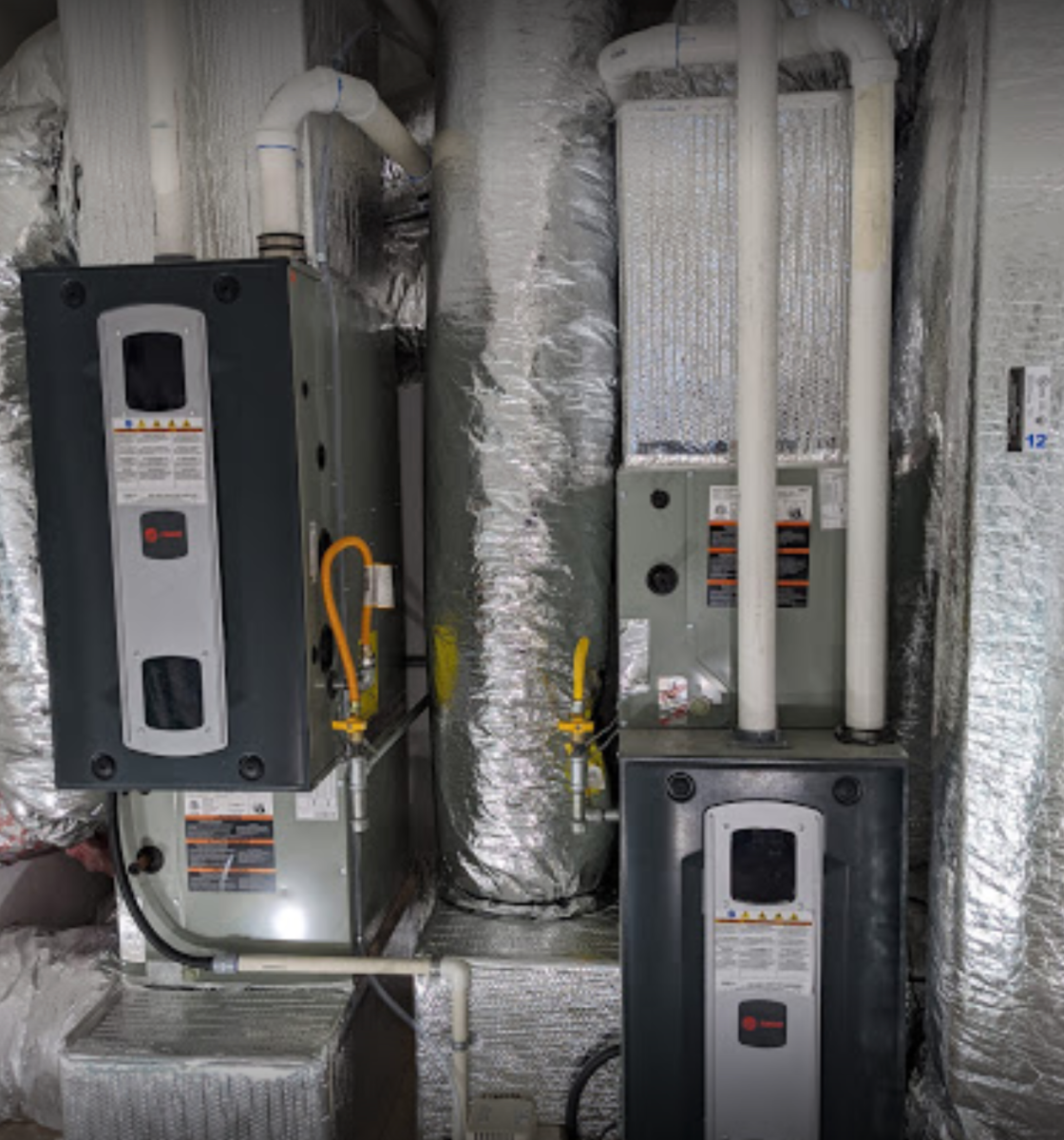
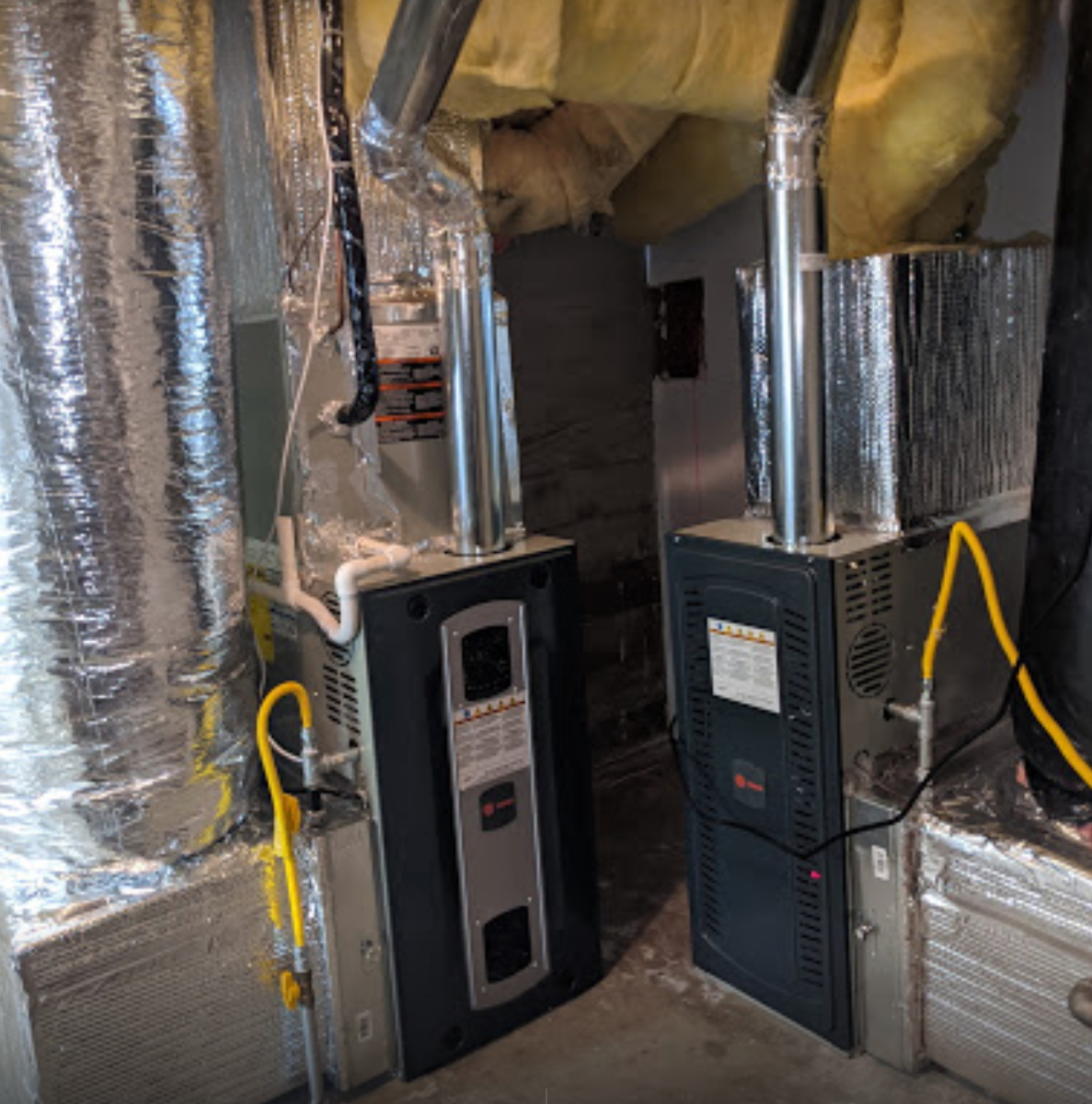
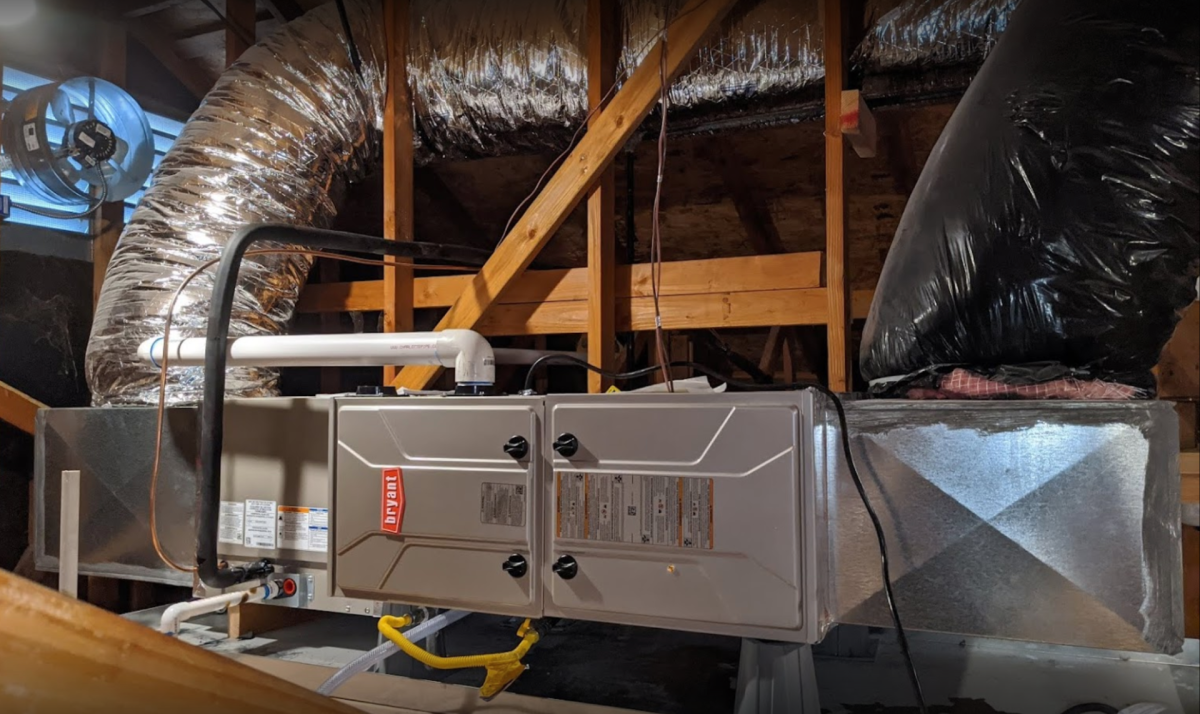
When it comes to causes of different temperatures in house, one of the main causes of different temperatures in a house is poorly insulated ductwork. This unseen culprit often goes unnoticed, yet it plays a significant role in how evenly air is distributed throughout your home. Ductwork is responsible for carrying conditioned air from your HVAC system to various rooms, and if it’s not properly insulated, you may experience significant temperature variations.
Poor insulation can lead to heat loss in the winter and cool air loss in the summer. As the air travels through the ducts, the temperature can change, leading to uneven heating or cooling. This is particularly problematic in older homes where duct insulation may have deteriorated over time or in newer homes where insulation was insufficiently installed.
- Energy inefficiency: Poorly insulated ducts can increase energy bills by up to 30% as your HVAC system works harder to maintain the desired temperature.
- Comfort issues: Rooms located further from the HVAC unit may receive less conditioned air, resulting in uneven temperatures.
- System strain: Overworking your HVAC system can lead to more frequent repairs and a shorter lifespan.
Addressing duct insulation issues can greatly enhance your home’s comfort and energy efficiency. Consider consulting with North HVAC Services for a professional assessment to ensure your ductwork is adequately insulated.
The Role of Air Leaks in Temperature Variability
Air leaks are another hidden factor contributing to uneven temperatures in your home. These leaks can occur in various places, such as windows, doors, and even within your HVAC system, leading to an inconsistent temperature distribution.
When air escapes through leaks, your HVAC system has to work harder to maintain the desired temperature, leading to higher energy costs and uneven temperatures across different rooms.
- Identify leaks: Check for drafts around windows and doors, and listen for hissing sounds in your ductwork.
- Seal leaks: Use weatherstripping or caulk to seal leaks around windows and doors. For ductwork, professional sealing may be necessary.
- Regular maintenance: Regular HVAC inspections can help identify and address leaks early.
A simple test, such as holding a candle near suspected leak areas, can help you identify air leaks. Addressing these leaks not only improves temperature consistency but also enhances overall home energy efficiency.
Hidden Blockages: The Impact of Obstructed Vents
Obstructed vents can significantly impact temperature distribution in your home. Furniture, drapes, or other items blocking vents prevent air from circulating efficiently, leading to hot and cold spots.
- Reduced airflow: Blockages limit the amount of air reaching certain areas, causing uneven temperatures.
- Pressure imbalance: Blocked vents can cause pressure changes, making some rooms warmer or cooler than others.
- Increased energy use: The HVAC system may use more energy to compensate for restricted airflow.
To ensure optimal airflow, regularly check that all vents are open and unobstructed. This simple step can help maintain a consistent temperature throughout your home.
The Influence of Thermostat Placement on Home Temperature
Thermostat placement is a crucial yet often overlooked factor in maintaining even temperatures. A thermostat placed in a location exposed to direct sunlight, drafts, or near a heat source can misread the actual room temperature, leading to uneven heating or cooling.
Ensure your thermostat is located in a central, neutral area of your home to accurately gauge the ambient temperature. Avoid placing it near windows, doors, or appliances that emit heat, as these can skew temperature readings.
- Central location: Place the thermostat in a common area, away from direct sunlight and drafts.
- Consistent readings: Proper placement ensures the thermostat accurately reflects the home’s average temperature, improving comfort.
- Energy efficiency: Accurate readings help the HVAC system run efficiently, reducing energy waste.
If you’re unsure about the best location for your thermostat, consulting with a professional from North HVAC Services can provide valuable insights to optimize your home’s temperature regulation.
Unmasking the Effects of Inadequate Airflow
Inadequate airflow within your HVAC system can lead to temperature inconsistencies. This issue might stem from a variety of causes, such as clogged filters, undersized ducts, or even faulty fans.
Clogged air filters are a common culprit, as they restrict airflow, making it difficult for your HVAC system to distribute air evenly. Regularly replacing or cleaning filters is essential to maintain proper airflow.
- Filter maintenance: Check and replace filters every 1-3 months to ensure optimal airflow.
- Duct size: Ensure ducts are appropriately sized for your home’s needs to prevent airflow issues.
- Fan functionality: A malfunctioning fan can hinder air distribution, leading to uneven temperatures.
Regular maintenance and inspections by professionals like those at North HVAC Services can prevent airflow issues, ensuring your home remains comfortable year-round.
The Subtle Role of External Weatherproofing
External weatherproofing, such as sealing cracks and adding insulation, plays a subtle yet vital role in maintaining even temperatures. Poor weatherproofing allows external temperatures to influence indoor conditions, especially in older homes.
Effective weatherproofing involves sealing cracks in walls and around windows and doors. Additionally, adding insulation can help maintain a stable indoor temperature despite external weather conditions.
- Seal gaps: Use caulk or weatherstripping to seal gaps around windows and doors.
- Add insulation: Proper insulation in walls and attics helps maintain indoor temperatures.
- Regular checks: Inspect the exterior of your home for potential weatherproofing issues.
Enhancing your home’s weatherproofing can reduce the strain on your HVAC system and improve overall comfort. For a detailed evaluation, consider reaching out to North HVAC Services.
The Overlooked Factor: Aging HVAC Systems
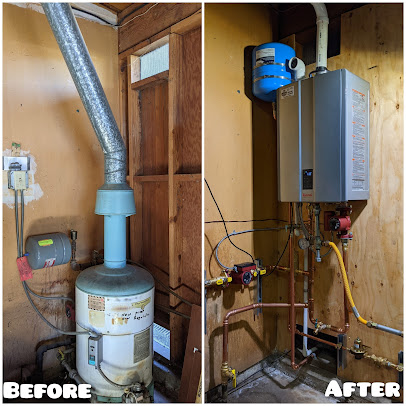
An aging HVAC system can be an overlooked factor leading to uneven temperatures. As systems age, their efficiency decreases, affecting their ability to heat or cool your home evenly. Common signs include frequent repairs, unusual noises, and increased energy bills.
Older systems may struggle to keep up with demand, leading to temperature inconsistencies across your home. Upgrading to a modern, energy-efficient system can resolve these issues and improve home comfort.
- Energy efficiency: Newer systems are designed to be more energy-efficient, reducing costs.
- Improved comfort: Modern systems provide more consistent heating and cooling.
- Long-term savings: Although an initial investment, new systems can save money on repairs and energy bills over time.
If your HVAC system is over 15 years old, it might be time to consider a replacement. North HVAC Services offers comprehensive HVAC system installation services to ensure your home remains comfortable.
How Seasonal Changes Expose Hidden Temperature Issues
Seasonal changes can highlight hidden temperature issues in your home. As temperatures fluctuate, existing problems such as poor insulation, air leaks, or an inefficient HVAC system become more apparent.
During colder months, inadequate insulation or drafty windows can result in noticeable cold spots, while in the summer, these same issues may lead to hot spots. Regular seasonal maintenance can help identify and address these issues before they become major problems.
- Spring check-up: Inspect your home for potential issues as temperatures rise.
- Fall preparation: Prepare your HVAC system for the colder months with a professional tune-up.
- Year-round maintenance: Regular inspections help maintain system efficiency and comfort.
For homeowners in Sonoma, Marin, and Napa counties, addressing these temperature issues can make a significant difference in comfort and energy efficiency. Contact North HVAC Services at (415) 845-6910 for a comprehensive home evaluation to identify and resolve temperature inconsistencies.
Frequently Asked Questions
Why are some rooms in my house colder than others?
Uneven temperatures can often be traced back to poorly insulated ductwork. This causes conditioned air to lose or gain heat as it travels, leading to some rooms feeling colder or warmer. Addressing duct insulation can help even out the temperatures across your home.
How can poor duct insulation affect my energy bills?
Poorly insulated ducts can cause your HVAC system to work harder to maintain the desired temperature, potentially increasing energy bills by up to 30%. Ensuring your ductwork is properly insulated can help reduce these costs and improve efficiency.
What are signs of poorly insulated ductwork?
Signs include uneven temperatures across different rooms, increased energy bills, and frequent HVAC system repairs. If you notice these issues, consider consulting with North HVAC Services at (415) 845-6910 for a ductwork assessment.
Can poorly insulated ducts damage my HVAC system?
Yes, poorly insulated ducts can strain your HVAC system by making it work harder to achieve the desired temperature, leading to more frequent repairs and potentially shortening its lifespan. Properly insulating your ducts can help alleviate this strain.
How do I improve duct insulation in my home?
Improving duct insulation involves sealing leaks and adding insulation to prevent heat loss or gain. For a thorough inspection and professional insulation, consider reaching out to North HVAC Services in Petaluma, CA.
For more information, see Air Sealing Your Home.