Sep 30, 2025 | HVAC
Choosing the right heating system for your Northern California home can be a daunting decision. With various options available, it’s essential to select a system that not only meets your comfort needs but also aligns with energy efficiency and cost-effectiveness. One such option is the heat pump, an increasingly popular choice for homeowners in Marin and Sonoma counties. But is a heat pump right for your home? Let’s delve into the specifics and help you make an informed decision.
Understanding Heat Pumps
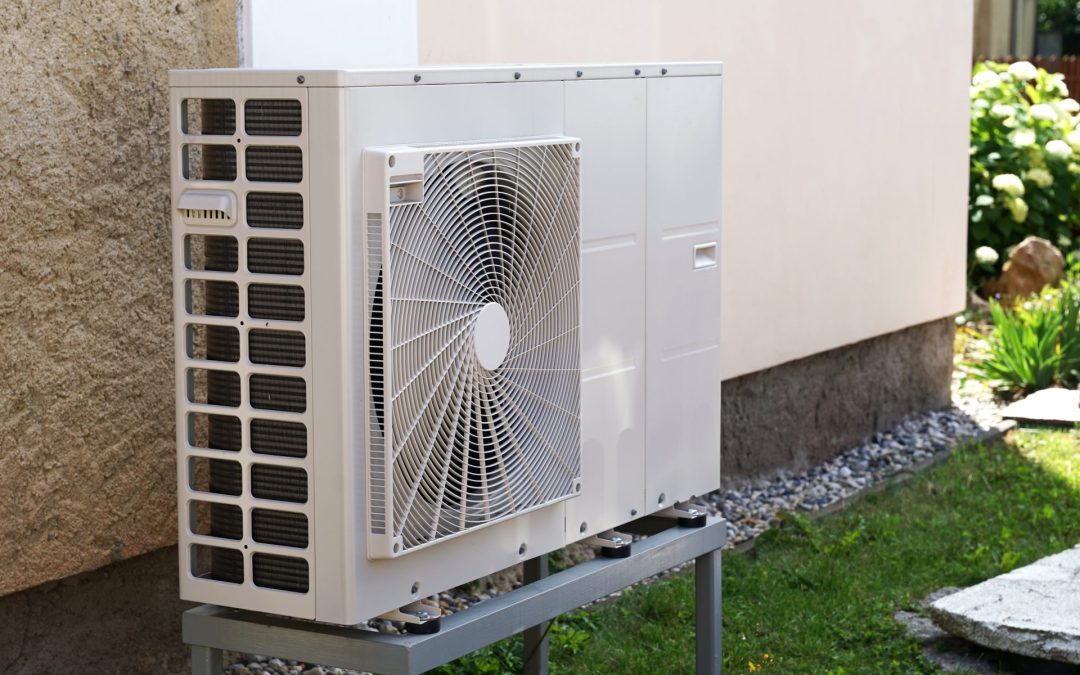
Heat pumps are versatile systems that provide both heating and cooling, making them an attractive option for many homeowners. Unlike traditional furnaces or air conditioners that generate heat or cold air, heat pumps transfer heat from one place to another. During the colder months, they extract heat from the outside air and move it indoors, while in the warmer months, they reverse the process to cool your home.
How Heat Pumps Work in Northern California’s Climate
In Northern California, the climate is characterized by mild winters and warm summers, making heat pumps particularly effective. Their ability to efficiently heat and cool your home without the need for separate systems is a significant advantage. For homes in areas like Marin and Sonoma, where temperatures rarely drop to extreme lows, a heat pump can provide sufficient warmth and cooling year-round.
Consider a typical winter day in Sonoma. Temperatures might dip to the low 40s, where a heat pump can easily extract enough outdoor heat to keep your home comfortable. During summer, when the mercury rises, the same system can efficiently cool your living space. This dual functionality makes it a practical choice for those looking to streamline their home heating and cooling systems.
Energy Efficiency and Cost Savings
One of the main reasons homeowners opt for heat pumps is their energy efficiency. They consume significantly less electricity compared to traditional heating methods, which can lead to substantial savings on utility bills. For those interested in “energy-efficient heating,” a heat pump is a smart investment.
- Heat pumps have a higher coefficient of performance (COP) than electric resistance heaters, meaning they can produce more heat per unit of energy consumed.
- The absence of combustion means no emissions, which is beneficial for the environment and aligns with California’s push towards greener energy solutions.
- While the initial installation cost may be higher, the long-term savings on energy bills often justify the investment.
Imagine a household in Marin County that switches from a traditional electric furnace to a heat pump. The reduced energy consumption not only lowers monthly bills but also contributes to a smaller carbon footprint, aligning with the homeowner’s commitment to sustainability.
Practical Considerations for Heat Pump Installation
Before deciding on a heat pump, it’s crucial to evaluate several factors to ensure it suits your home’s specific needs.
Home Size and Insulation
The size of your home and its insulation quality play a significant role in determining the effectiveness of a heat pump. Larger homes or those with poor insulation may require additional considerations to achieve optimal efficiency. It’s essential to “explore heating options” that match your home’s energy demands.
For instance, a well-insulated home in Northern California can maximize the benefits of a heat pump. In contrast, a poorly insulated home might struggle to maintain desired temperatures, leading to increased energy consumption. In such cases, improving insulation before installation can enhance system performance.
Professional Installation and Maintenance
Proper installation is critical to the efficiency and longevity of a heat pump. Engaging a certified professional for “furnace installation help” ensures the system is correctly sized and installed, preventing common issues that can arise from a DIY approach.
Additionally, regular maintenance is vital to keep your heat pump running efficiently. Scheduling “furnace maintenance tips” can help identify potential problems early and ensure the system operates at peak performance. Routine checks can prevent costly repairs and extend the lifespan of your investment.
Comparing Heat Pumps with Other Heating Options
While heat pumps offer many benefits, comparing them with other heating solutions helps ensure you make the best choice for your home.
Heat Pumps vs. Traditional Furnaces
Traditional furnaces use combustion to generate heat, whereas heat pumps transfer existing heat. This fundamental difference impacts efficiency and cost. For those considering “furnace installation services,” it’s worth noting that furnaces may provide more heat in extremely cold climates, but are often less efficient in milder areas like Northern California.
- Furnaces can be more effective in below-freezing temperatures, where a heat pump’s efficiency might decrease.
- Heat pumps provide the added benefit of air conditioning, eliminating the need for a separate cooling system.
Consider a scenario where a homeowner in a cooler part of Sonoma prefers a furnace for its robust heating capabilities. However, for those in milder areas, the dual functionality of a heat pump may be more appealing.
Heat Pumps vs. Mini-Split Systems
Mini-split systems, or ductless heat pumps, offer similar benefits but are designed for homes without existing ductwork. They provide flexibility in zoning, allowing different areas of the home to be heated or cooled independently.
- Ideal for homes with specific heating or cooling needs in different rooms.
- A great option for room additions or renovations where extending ductwork is impractical.
For a homeowner looking to “upgrade your heating” in a newly added sunroom without impacting the rest of the house, a mini-split system could be the ideal solution.
Is a Heat Pump Right for You?
Deciding on a heat pump for your Northern California home involves weighing the benefits against your specific needs and circumstances. If you’re looking for a versatile, energy-efficient solution that offers both heating and cooling, a heat pump might be the right fit.
Consider consulting with North HVAC Services for “heating diagnostics service” to evaluate your current system and explore the potential benefits of a heat pump. Our team is committed to providing clear, practical solutions that enhance your home’s comfort and efficiency.
Ultimately, whether you choose a heat pump or explore other “professional heating solutions,” the goal is to ensure your home remains comfortable year-round. With careful consideration and expert guidance, you can make a choice that aligns with your lifestyle and environmental values.
Contact North HVAC Services today to discuss your heating needs and find the best solution for your Northern California home. We’re here to help you make informed decisions for comfort and efficiency all year round.
Sep 19, 2025 | HVAC
With energy costs on the rise, homeowners are constantly seeking ways to reduce their bills while maintaining comfort. One effective solution is the integration of smart thermostats and HVAC zoning. These technologies not only enhance comfort but also improve energy efficiency, leading to noticeable savings on your energy bills. In this article, we’ll explore how these modern technologies can help you save money and improve your home’s comfort.
Understanding Smart Thermostats
Smart thermostats have revolutionized the way we control home temperatures. Unlike traditional thermostats, smart thermostats offer advanced features that allow homeowners to control their HVAC systems more efficiently. By learning your habits and adjusting settings automatically, these devices ensure your home is always comfortable without wasting energy.
Features and Benefits
Smart thermostats come with a variety of features designed to optimize your heating and cooling systems:
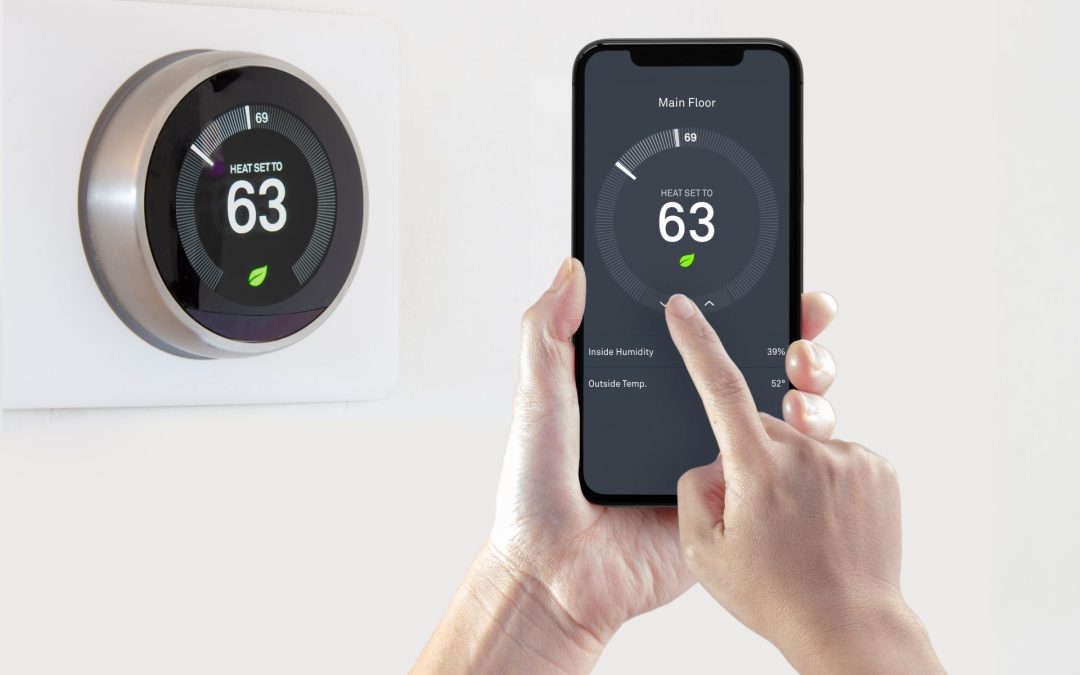
- Remote Control: With a smart thermostat, you can adjust your home’s temperature from anywhere using your smartphone. This feature is particularly useful if you forget to adjust the thermostat before leaving home.
- Learning Capabilities: Many smart thermostats learn your schedule and preferences over time, automatically adjusting the temperature when you’re home or away.
- Energy Reports: These devices provide detailed energy reports, allowing you to understand your consumption patterns and identify opportunities for savings.
- Integration with Other Smart Devices: Smart thermostats can integrate with other smart home devices, offering seamless control and added convenience.
For homeowners looking to upgrade their heating systems, smart thermostats can be a key component in energy-efficient heating solutions. By optimizing your system’s performance, they help reduce energy waste and lower your bills.
Real-World Example
Consider a family living in a two-story home. Before installing a smart thermostat, they often left the heating on while they were at work, leading to high energy bills. After installation, they could adjust the temperature remotely, ensuring the system only ran when needed. This simple change resulted in a 20% reduction in their monthly energy costs.
The Power of HVAC Zoning
HVAC zoning is another effective strategy to enhance comfort and reduce energy costs. By dividing your home into separate zones, each with its own thermostat, you can customize the climate in different areas according to their specific needs.
How HVAC Zoning Works
In a zoned HVAC system, dampers are installed within the ductwork, allowing for independent control of each zone. This means you can heat or cool only the areas of your home that are in use, significantly reducing energy consumption.
- Customized Comfort: Each zone can be set to a different temperature, catering to the preferences of different family members.
- Reduced Energy Waste: By focusing heating or cooling efforts only where needed, energy waste is minimized.
- Improved System Efficiency: Zoning reduces the workload on your HVAC systems, potentially extending their lifespan.
For those considering a comprehensive heating and cooling strategy, HVAC zoning can be particularly beneficial when combined with smart thermostats.
Real-World Example
Imagine a couple with a large home, where they primarily use only a few rooms during the day. By implementing HVAC zoning, they could set their system to focus on these areas, saving energy by not heating or cooling unused spaces. This approach not only improved their comfort but also significantly reduced their energy bills.
Combining Smart Thermostats with HVAC Zoning
The combination of smart thermostats and HVAC zoning offers a powerful way to optimize home comfort and energy efficiency. Together, they provide precise control over your home’s climate, ensuring maximum savings and comfort.
Enhanced Control and Flexibility
When integrated, smart thermostats can enhance the functionality of a zoned system by allowing you to control each zone individually from your smartphone. This flexibility ensures that energy is not wasted on unoccupied areas, and each room can be adjusted to its optimal temperature.
By choosing to explore heating options that include smart technologies, you can create a home environment that is both comfortable and efficient.
Real-World Example
Consider a homeowner who installed both smart thermostats and an HVAC zoning system. With these technologies working together, they could adjust temperatures for different zones from their phone, ensuring that their living room was cozy during movie nights, while the bedrooms remained cool for sleeping. Over time, they noticed a marked decrease in their energy usage and costs.
Getting Started with Smart Thermostats and HVAC Zoning
Implementing these technologies in your home is a straightforward process, especially with the help of professional services. Here’s how you can get started:
Assess Your Current HVAC System
Before making any changes, evaluate your current HVAC system. You may need to upgrade your heating or cooling systems to fully benefit from these technologies. Professional heating solutions can guide you through this process, ensuring you make informed decisions.
Seek Professional Advice
Consulting with HVAC experts is crucial when considering smart thermostats and zoning. They can provide furnace troubleshooting tips and help you understand the best options for your home. Whether you need to repair your furnace or are considering furnace installation help, professionals can ensure seamless integration of new technologies.
Focus on Regular Maintenance
To maintain the efficiency of your new systems, regular maintenance is key. Schedule safety checks and keep up with furnace maintenance tips to ensure everything runs smoothly. Regular maintenance not only extends the life of your HVAC systems but also maintains their energy efficiency.
By taking these steps, you can fully leverage the benefits of smart thermostats and HVAC zoning, leading to a comfortable home and reduced energy expenses.
Conclusion
Investing in smart thermostats and HVAC zoning is a strategic way to lower your energy bills while enhancing home comfort. These technologies provide precise control, reduce energy waste, and are adaptable to individual preferences. For homeowners in Marin and Sonoma counties, North HVAC Services is here to assist with all your HVAC needs, from installation to maintenance. By integrating these smart solutions, you can enjoy a more efficient and comfortable home environment. Contact us today to learn more about how we can help you improve your home’s energy efficiency.
Sep 11, 2025 | HVAC
As a homeowner in California considering HVAC upgrades, you might wonder how to make these improvements more affordable. The good news is that there are various rebates and tax credits available in 2025 designed to ease the financial burden of updating or replacing your heating and cooling systems. These incentives not only help reduce upfront costs but also ensure long-term savings through increased energy efficiency. At North HVAC Services, we’re here to guide you through understanding these opportunities, so you can make informed decisions about your home comfort.
HVAC upgrades can significantly impact your home’s energy efficiency and comfort. However, the initial investment can be daunting. Fortunately, California’s state and federal programs offer several financial incentives to encourage homeowners to transition to more energy-efficient systems. Whether you’re looking to upgrade your heating, replace your furnace, or install a new air conditioning system, these rebates and credits can make a significant difference.
Understanding Federal Tax Credits
Federal tax credits are key incentives for homeowners investing in energy-efficient HVAC systems. In 2025, these credits can cover a portion of the costs associated with purchasing and installing qualifying systems. Understanding which systems are eligible and how to claim these credits is crucial for maximizing savings.
Eligibility for Federal Tax Credits
To qualify for federal tax credits, the HVAC system must meet certain energy efficiency standards. This often includes systems certified by Energy Star, a program that identifies products meeting strict energy efficiency guidelines. For instance, upgrading to a high-efficiency furnace or heat pump could make you eligible for these credits.
Consider a scenario where you decide to replace your furnace with a new high-efficiency model. By doing so, you not only improve your home’s heating efficiency but also qualify for federal tax credits, reducing your overall investment. It’s a win-win situation that benefits your wallet and the environment.
Claiming Tax Credits
Claiming these tax credits involves a straightforward process. When filing your taxes, you’ll need to complete IRS Form 5695, which details the energy-efficient improvements made in your home. Be sure to keep all receipts and documentation related to your purchase and installation in case of an audit. This proactive approach ensures you receive the full benefit of the credits available.
California State Rebates
In addition to federal tax credits, California offers state-specific rebates to further encourage energy-efficient upgrades. These rebates are often part of broader initiatives to reduce carbon emissions and promote sustainable living.
Exploring State-Sponsored Programs
California’s utility companies frequently offer rebates for HVAC upgrades. For example, PG&E, Southern California Edison, and other local utilities provide incentives for installing high-efficiency air conditioners, heat pumps, and furnaces. These rebates can vary based on the type of system and its efficiency rating.
Imagine you’re planning to install your air conditioner with a model that exceeds state efficiency standards. By opting for a qualifying unit, you could receive a rebate from your utility provider, significantly lowering your installation costs. This strategic choice not only saves money upfront but also reduces energy bills over time.
How to Apply for State Rebates
Applying for state rebates typically involves submitting an application to your utility provider. This process may require proof of purchase, installation details, and certification that the system meets efficiency requirements. North HVAC Services can assist in ensuring all necessary documentation is properly completed and submitted, allowing you to focus on enjoying your upgraded system.
Local Incentives and Programs
Beyond federal and state incentives, local programs can also provide valuable financial support for HVAC upgrades. These initiatives often reflect the unique energy goals and challenges of specific communities within California.
Community-Based Programs
Some local governments and organizations offer additional incentives for energy-efficient home improvements. These programs might include rebates for specific technologies, such as solar-assisted HVAC systems, or grants for comprehensive energy upgrades.
For example, if you live in Marin or Sonoma counties, you may find local incentives that align with broader state goals. These programs not only make it easier to upgrade your heating but also strengthen community-wide efforts to reduce energy consumption and environmental impact.
Engaging with Local Experts
Working with local experts like North HVAC Services ensures you have access to the latest information on available rebates and credits. Our team understands the specific needs and opportunities within the communities we serve, helping you navigate the complexities of securing financial incentives for your HVAC projects.
Maximizing Savings with Energy-Efficient Upgrades
Ultimately, the goal of these rebates and tax credits is to make energy-efficient upgrades more accessible and affordable. By taking advantage of these opportunities, homeowners can significantly reduce both the upfront and long-term costs associated with HVAC improvements.
Choosing the Right System
When considering an upgrade, it’s essential to select a system that meets your home’s specific needs and qualifies for available incentives. Whether you’re looking to upgrade your heating system or get AC installed, selecting the right equipment can maximize both comfort and savings.
For instance, replacing an outdated furnace with a new, energy-efficient model can lead to substantial savings on energy bills while qualifying for various rebates and credits. Our professional heating solutions ensure you choose the best system for your home, delivering both financial and comfort benefits.
Long-Term Benefits
Investing in energy-efficient HVAC systems offers numerous long-term benefits, including reduced energy consumption, lower utility bills, and improved home comfort. Moreover, these upgrades contribute to broader efforts to reduce greenhouse gas emissions and combat climate change.
By implementing furnace maintenance tips and scheduling regular safety checks, you can extend the lifespan of your new system and maintain its efficiency. This proactive approach ensures that your investment continues to pay off for years to come.
Start Planning Your HVAC Upgrade
Embarking on an HVAC upgrade journey can be daunting, but understanding and utilizing available rebates and tax credits can make the process more manageable. At North HVAC Services, we’re committed to helping you navigate these options, ensuring you make informed decisions about your home’s comfort and efficiency.
If you’re ready to explore heating options or need furnace installation help, our team is here to assist every step of the way. Contact North HVAC Services today to learn more about maximizing your savings and enhancing your home’s energy efficiency with our expert guidance and support.
Aug 22, 2025 | HVAC
Choosing the right cooling system for your home in Northern California can be a daunting task. With the area’s unique climate, homeowners often find themselves torn between ductless mini splits and central air systems. Each option comes with its own set of advantages and considerations. Understanding which system aligns with your needs can greatly enhance your home’s comfort and efficiency.
Northern California’s Mediterranean climate features hot, dry summers and mild winters, making an efficient air conditioning system a priority for many homeowners. Whether you’re building a new home or upgrading an existing system, it’s crucial to weigh the benefits and limitations of ductless mini splits versus central air systems. This guide will help you navigate these options to make an informed decision.
Ductless Mini Splits: Flexibility and Efficiency
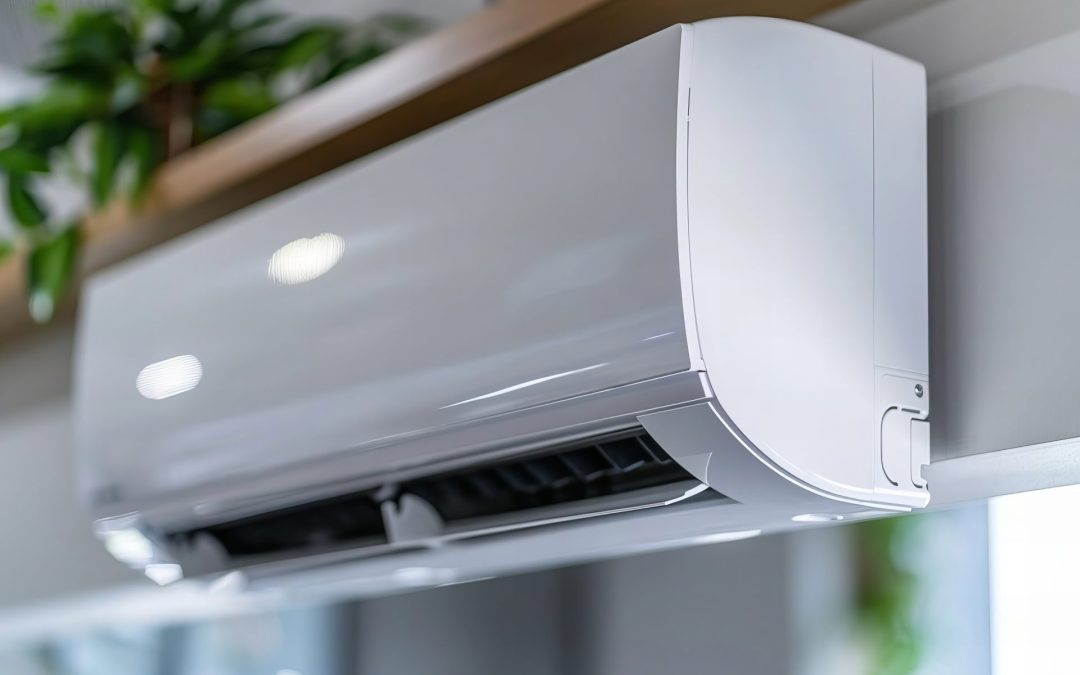
Ductless mini splits are becoming increasingly popular in Northern California, thanks to their flexibility and energy efficiency. These systems consist of an outdoor compressor unit and one or more indoor air handling units. They are connected by a conduit, which houses the power cable, refrigerant tubing, and a condensate drain.
Advantages of Ductless Mini Splits
One of the primary benefits of ductless mini splits is their flexibility. They can be installed in various configurations, making them ideal for homes without existing ductwork. This is particularly beneficial in older homes or structures where adding ducts is impractical or costly.
- Energy Efficiency: Ductless systems often outperform central air systems in terms of energy efficiency. They allow for zone-specific cooling, which means you can cool specific areas of your home without wasting energy on unoccupied rooms.
- Easy Installation: Installing a ductless mini split is generally less invasive than installing a central air system. The process involves mounting the indoor unit and drilling a small hole for the conduit, which can often be completed in a single day.
- Improved Air Quality: Without ducts, there’s less opportunity for dust and allergens to accumulate and circulate throughout your home, potentially improving indoor air quality.
Consider a family living in a historic home in Santa Rosa. They opted for ductless mini splits to avoid the complexity and expense of installing ductwork. This choice provided them with targeted cooling and improved efficiency, significantly reducing their energy bills.
Central Air: Whole-Home Comfort
Central air systems are a more traditional choice, especially for newer homes in Northern California. These systems use a network of ducts to distribute cooled air throughout the home from a single central unit.
Benefits of Central Air Systems
Central air systems are favored for their ability to provide consistent, whole-home cooling. They are often the go-to choice for homeowners who prioritize uniform temperature control throughout their living space.
- Even Cooling: Central air systems excel at maintaining a consistent temperature across all rooms, which can be especially beneficial in larger homes.
- Integration with Heating: For homes already equipped with ductwork, central air systems can easily integrate with existing heating systems, offering a seamless transition between heating and cooling seasons.
- Higher Resale Value: Homes with central air systems often have a higher resale value, as these systems are perceived as a premium feature by potential buyers.
A family in Marin County, with a modern home equipped with ductwork, might choose a central air system for its ability to deliver consistent cooling to every corner of their home. This choice aligns with their preference for seamless climate control throughout their living space.
Cost Considerations and Maintenance
When choosing between ductless mini splits and central air systems, cost is a significant factor. Both the initial investment and ongoing maintenance expenses can vary widely based on your choice.
Initial Investment
Ductless mini splits generally have a higher upfront cost per unit compared to central air systems. However, their installation is often less expensive due to the absence of ductwork. On the other hand, central air systems may require a substantial investment in ductwork, especially in older homes.
For instance, a homeowner in Sonoma County might find that the cost of installing ductwork for a central air system outweighs the benefits, leading them to consider ductless mini splits instead.
Maintenance and Upkeep
Both systems require regular maintenance to ensure optimal performance. Ductless mini splits need routine cleaning of filters and periodic checks of the outdoor unit. Central air systems, meanwhile, require more extensive maintenance, including duct cleaning and regular inspections.
North HVAC Services offers comprehensive solutions for both systems. Homeowners can explore heating options alongside cooling systems to ensure year-round comfort. Regular maintenance, including furnace maintenance tips and air conditioning repair, can extend the lifespan of your system and improve efficiency.
Which System Is Right for You?
Choosing between ductless mini splits and central air systems depends on various factors, including your home’s layout, your budget, and your comfort preferences. Each system has its strengths, and understanding your specific needs is crucial to making the right decision.
Consider Your Home’s Layout
If your home lacks existing ductwork or has areas that are difficult to cool evenly, ductless mini splits might be the ideal solution. They offer targeted cooling, which is perfect for homes with multiple levels or unique architectural features.
Conversely, if your home already has ductwork in place and you desire consistent cooling throughout, a central air system may be more suitable.
Evaluate Your Budget
Assess your budget for both initial installation and long-term maintenance. While ductless mini splits might have a higher upfront cost, their energy efficiency and lower maintenance needs can lead to savings over time. Central air systems might be more cost-effective for homes with existing ductwork, but they can incur higher maintenance costs.
North HVAC Services can assist in diagnosing heating issues and providing furnace troubleshooting tips, ensuring your system operates efficiently regardless of your choice.
Conclusion: Making an Informed Decision
Ultimately, the decision between ductless mini splits and central air should be based on your home’s specific needs and your personal preferences. Both systems offer unique benefits, and understanding these can help you make a choice that enhances your home’s comfort and efficiency.
For personalized advice and professional installation, consider consulting with North HVAC Services. Our expertise in air conditioning replacement and heating diagnostics service ensures you make a sound investment in your home’s climate control. Whether you need to replace your furnace or install your air conditioner, we are here to help you achieve optimal comfort in Northern California.

Sep 10, 2024 | HVAC
Choosing the right heat pump installer in Cotati, CA can feel overwhelming with so many options available. However, making the right choice is crucial for the efficiency and longevity of your heating system. Understanding what sets the best heat pump installers apart can help you make an informed decision that ensures optimal comfort and performance in your home.
In this post, we’ll explore the key characteristics of top-tier heat pump installation services and why these factors matter. Whether you’re looking to upgrade your heating or simply need a new installation, knowing what to look for can save you time, money, and future headaches.
Experience and Expertise Matter
One of the most important factors in selecting a heat pump installer is their experience and expertise. An experienced installer will have a deep understanding of various systems and how to tailor them to your specific needs.
Understanding Local Climate
In Cotati, CA, the climate can vary significantly between seasons. An experienced installer will consider these variations when recommending a heat pump system. They will ensure that your system can handle both the chilly winters and warm summers, providing year-round comfort.
- Example: A seasoned installer might suggest a system with variable speed technology to efficiently manage temperature fluctuations.
- Example: They may recommend a dual-fuel system that pairs your heat pump with a gas furnace for optimal efficiency during colder months.
Technical Proficiency
Technical proficiency is essential for proper installation. A knowledgeable installer will have the skills to diagnose heating issues effectively and ensure the system is installed to manufacturer specifications.
Consider asking potential installers about their certifications and training. This can give you confidence that they stay updated on the latest technologies and best practices in the industry.
Commitment to Quality and Customer Service
Top installers are committed to quality workmanship and exceptional customer service. They understand that a successful installation goes beyond technical skills—it’s also about ensuring customer satisfaction and peace of mind.
Attention to Detail
Quality installers pay close attention to every detail of the installation process. This includes precise measurements, proper sealing of ducts, and thorough testing of the system after installation.
- Example: Ensuring that the heat pump is installed on a solid, level surface to prevent operational issues.
- Example: Checking for refrigerant leaks that can reduce efficiency and lead to costly repairs.
Responsive Customer Support
Responsive customer support is a hallmark of the best heat pump installers. They are available to answer questions, provide furnace troubleshooting tips, and address any concerns you may have post-installation.
Look for installers who offer extended warranties and ongoing support services. This demonstrates their commitment to standing behind their work and ensuring your system operates smoothly over time.
Transparency and Trustworthiness
Transparency in communication and pricing is crucial when selecting an installer. The best installers provide clear, upfront pricing and are honest about what you can expect from your system.
Clear Communication
Effective communication is key to a successful installation. A reliable installer will discuss your heating options, explain the installation process, and keep you informed at every step.
- Example: They may explain the benefits of energy-efficient heating options and help you decide on the best system for your home.
- Example: They’ll walk you through the installation timeline and what to expect during each phase.
Honesty in Pricing
Transparent pricing is a sign of a trustworthy installer. They should provide a detailed estimate before beginning work, so you know exactly what you’re paying for.
Beware of installers who offer suspiciously low quotes, as they may cut corners or surprise you with hidden fees later. Choose a provider who is open about costs and helps you understand the value of your investment.
Local Knowledge and Accountability
Finally, local knowledge and accountability set the best installers apart. A provider familiar with Cotati, CA and its specific climate challenges can offer tailored solutions that non-local companies may overlook.
Understanding Local Building Codes
Local installers are well-versed in regional building codes and regulations. This ensures your installation is compliant and avoids any potential legal issues down the line.
- Example: Installing a system that meets California’s stringent energy efficiency standards.
- Example: Ensuring all permits are secured and inspections are passed for your peace of mind.
Community Engagement
A local installer who is engaged with the community often provides better service. They rely on word-of-mouth referrals and are motivated to maintain a positive reputation in the area.
Choose a company that is involved in local events or supports community initiatives. This indicates a commitment to the area and a vested interest in maintaining strong relationships with customers.
Conclusion
When selecting a heat pump installer in Cotati, CA, look for providers who demonstrate experience, quality service, transparency, and local expertise. By focusing on these key factors, you can ensure that your home’s heating system is installed efficiently and effectively.
For those considering a new heat pump or needing to replace your furnace, North HVAC Services offers professional heating solutions tailored to your specific needs. Our team is committed to providing exceptional service with a focus on long-term performance and customer satisfaction. Contact us today to explore heating options that best suit your home.
Sep 9, 2024 | HVAC
Indoor air quality is a crucial aspect of maintaining a healthy and comfortable living environment, particularly in places like Larkspur, CA, where many homes are nestled amidst lush greenery and natural landscapes. While the scenic surroundings offer a breath of fresh air, indoor spaces can often tell a different story. From allergens to pollutants, the air inside your home can sometimes be more contaminated than you realize, impacting your family’s health and well-being.
At North HVAC Services, we understand the unique challenges homeowners face in optimizing their indoor air quality. Our expertise is grounded in practical, real-world solutions that are tailored to the specific needs of homes in Marin and Sonoma counties. Our goal is to provide you with the knowledge and tools needed to transform your indoor environment from polluted to pristine, ensuring that your home remains a safe haven for you and your loved ones.
Understanding Indoor Air Quality Challenges
Indoor air quality can be compromised by a variety of factors, including dust, pollen, mold spores, and volatile organic compounds (VOCs) emitted from household products. In Larkspur, where older homes are common, these issues can be exacerbated by outdated ventilation systems that fail to adequately filter and circulate air.
Common Pollutants in Larkspur Homes
Many households in Larkspur experience indoor air quality issues due to a combination of natural and human-made factors. For instance, the beautiful trees that line the streets can also contribute to pollen accumulation inside homes, triggering allergies and respiratory issues. Additionally, cooking fumes, pet dander, and cleaning agents often introduce VOCs into the air, further degrading air quality.
- Pollen and Allergens: During certain seasons, pollen can infiltrate your home, leading to sneezing, coughing, and other allergy symptoms.
- VOC Emissions: Everyday products like paint, varnishes, and cleaning supplies can release harmful chemicals into the air.
- Dust and Pet Dander: These common pollutants can accumulate in carpets, upholstery, and air ducts, contributing to poor air quality.
Addressing these issues requires a comprehensive approach that includes both proactive measures and professional services.
Effective Strategies for Improving Indoor Air Quality
Improving indoor air quality involves a mix of simple lifestyle changes and more substantial upgrades to your home’s systems. Here are some practical strategies to consider:
Regular Cleaning and Maintenance
Keeping your home clean is the first step in reducing indoor pollutants. Regular vacuuming, dusting, and mopping can significantly cut down on dust and allergens. Additionally, maintaining your HVAC system is crucial. North HVAC Services recommends that you schedule safety checks and follow furnace maintenance tips to ensure your heating and cooling systems are operating efficiently and not contributing to indoor pollution.
- Vacuuming with HEPA Filters: Use a vacuum cleaner with a HEPA filter to capture tiny particles that traditional vacuums might miss.
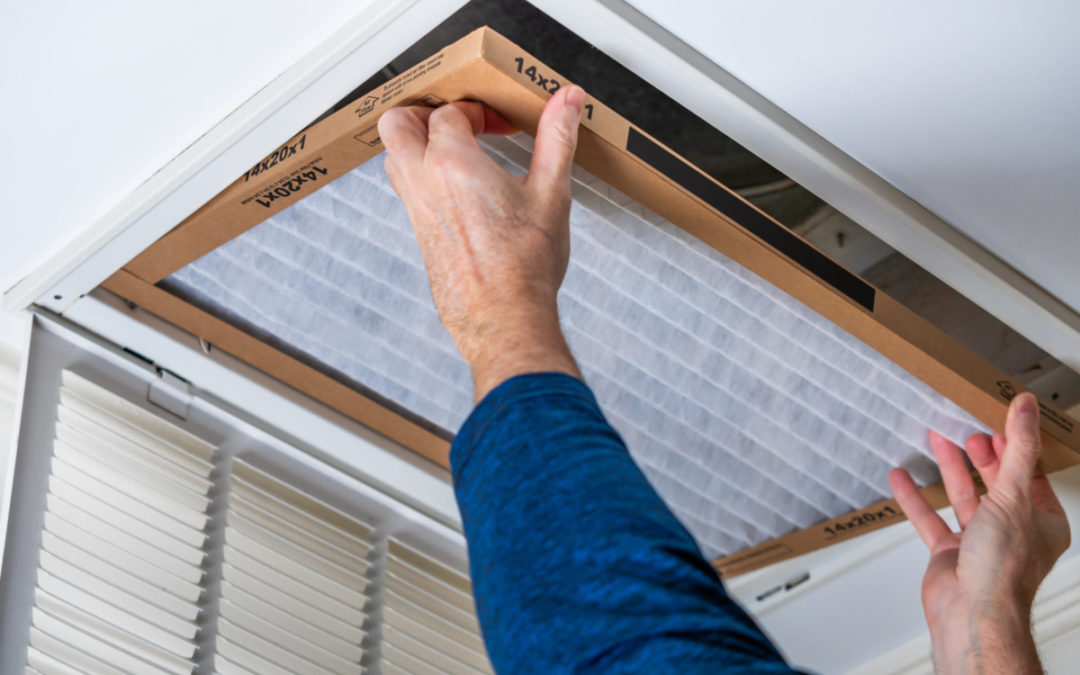
- Regular HVAC Maintenance: Change air filters regularly and consider professional cleaning of air ducts to prevent the recirculation of dust and debris.
- Use of Eco-Friendly Products: Opt for cleaning agents that are free from harsh chemicals to reduce VOC emissions.
Enhancing Ventilation
Proper ventilation is key to maintaining good indoor air quality. This means not only ensuring that your home is well-sealed to prevent outdoor pollutants but also allowing for adequate airflow to disperse indoor contaminants.
Consider consulting North HVAC Services to explore heating options that integrate advanced ventilation solutions. Our team can help diagnose heating issues that may be affecting your home’s airflow, ensuring that your indoor environment remains healthy and comfortable.
- Install Exhaust Fans: In areas like kitchens and bathrooms, exhaust fans can help remove moisture and odors quickly.
- Open Windows: When weather permits, open windows to allow fresh air to circulate through your home.
- Consider Air Purifiers: High-quality air purifiers with HEPA filters can effectively remove airborne particles in specific rooms.
Advanced Solutions for Air Quality Improvement
For more persistent air quality issues, advanced solutions may be necessary. These involve upgrading existing systems or installing new technologies designed to enhance indoor air quality.
HVAC Upgrades and Air Filtration Systems
Upgrading your HVAC system can have a significant impact on your indoor air quality. Modern systems often include advanced filtration options that can capture even the smallest particles. North HVAC Services offers heating system upgrades and energy-efficient heating solutions that not only improve air quality but also enhance overall comfort and reduce energy costs.
- High-Efficiency Filters: Consider installing high-efficiency particulate air (HEPA) filters in your HVAC system for superior filtration.
- Whole-Home Air Purifiers: These systems work alongside your HVAC to clean the air throughout your entire home.
- Humidity Control: Maintain optimal humidity levels to prevent mold growth and reduce allergens.
Professional Air Quality Assessments
For a comprehensive understanding of your home’s air quality, consider a professional assessment. North HVAC Services can conduct thorough evaluations and provide tailored recommendations to address specific issues. Whether you need to repair your furnace or are considering furnace installation services, our experts are here to help you make informed decisions.
- Identify Pollutants: Determine the specific pollutants affecting your home and their sources.
- Customized Solutions: Receive expert advice on the best course of action for your unique situation.
- Ongoing Monitoring: Implement solutions that include regular monitoring to ensure continued air quality improvement.
Creating a Healthier Home Environment
Improving indoor air quality in Larkspur goes beyond just comfort—it’s about ensuring the health and safety of your family. By taking proactive steps and utilizing professional services from North HVAC Services, you can transform your home into a sanctuary of clean air and comfort.
Whether you’re looking to install your air conditioner, fix your air conditioner, or need furnace installation help, North HVAC Services is your trusted partner in achieving pristine indoor air quality. Our team is committed to providing solutions that are both effective and tailored to the unique needs of your home.
For more information on how we can assist you in improving your home’s indoor air quality, contact North HVAC Services today. We’re here to help you breathe easier and live better in your Larkspur home.