Feb 10, 2026 | HVAC, Mini Splits
Adapting to Older Home Structures: The Flexibility of Mini Splits
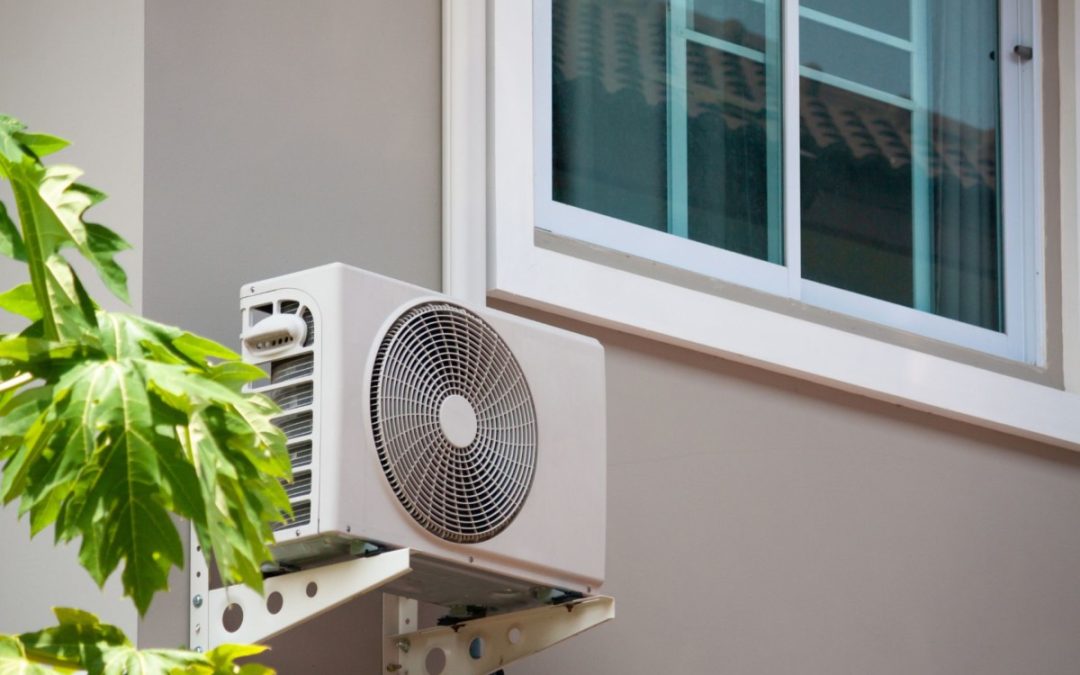
Older homes often present unique challenges when it comes to installing modern HVAC systems. Traditional central air systems require extensive ductwork, which can be difficult to retrofit into homes with historical or complex architecture. This is where a mini split for older homes becomes particularly advantageous. These systems are ductless, allowing for greater flexibility in installation without the need to alter the existing structure significantly.
The key benefit here is the ability to preserve the integrity and original design of your older home. Mini splits require only a small hole to connect the indoor and outdoor units, minimizing disruption to walls and ceilings. This is especially beneficial for homes with thick walls or intricate moldings that homeowners wish to preserve. Additionally, the compact size of mini split units means they can be installed in spaces where traditional systems simply wouldn’t fit.
Moreover, the flexibility of mini split systems allows for strategic placement of indoor units to maximize efficiency and comfort. Whether your home has large open spaces or smaller, compartmentalized rooms, mini splits can be adapted to suit your specific needs. This adaptability makes them an excellent choice for maintaining both the aesthetic and functional value of older homes.
Energy Efficiency in Older Homes with Mini Split Systems
Older homes are notorious for their lack of energy efficiency, often due to outdated insulation and leaky windows. Mini split systems offer a solution by providing targeted heating and cooling, which can significantly reduce energy consumption. Unlike central HVAC systems, mini splits allow you to control the temperature in individual rooms, ensuring that you’re not wasting energy heating or cooling unused spaces, according to energystar.gov.
In fact, mini splits can reduce energy usage by up to 30% compared to traditional HVAC systems. This is partly because they avoid the energy loss associated with ductwork, which can account for up to 30% of energy consumption in a home. By optimizing energy use, mini splits not only lower utility bills but also reduce the carbon footprint of your older home, aligning with North HVAC Services’ commitment to environmental sustainability.
Furthermore, the advanced technology in mini splits, such as variable speed compressors, allows for precise temperature control and improved efficiency. This means your home stays comfortable without the constant cycling on and off of traditional systems, which can be both inefficient and costly. For older homes, where maintaining consistent comfort can be a challenge, mini splits provide a reliable and economical solution.
Preserving Aesthetic Value: Mini Splits Blend Seamlessly
One of the primary concerns for owners of older homes is preserving the aesthetic value of their property. Mini splits excel in this area, offering a sleek and unobtrusive solution that integrates seamlessly with any home decor. Unlike bulkier traditional HVAC components, mini split indoor units are designed to be discreet, often installed high on the wall or even recessed into ceilings.
This subtle design ensures that the charm and character of your older home remain intact. Homeowners can choose from a variety of styles and colors to match the existing decor, making it easy to blend the units into any room. Additionally, the lack of ductwork means there is no need to alter the structural or visual elements of your home, preserving its original details and craftsmanship.
Moreover, North HVAC Services offers professional mini split installation, ensuring that each unit is placed optimally to complement your home’s design while providing maximum comfort. The ability to maintain the historical and aesthetic integrity of older homes is a significant advantage, making mini splits a preferred choice for discerning homeowners.
Improved Comfort Control in Older Homes with Mini Splits
Older homes often suffer from uneven temperature distribution, with some rooms being too hot or too cold. Mini splits address this issue by providing zoned comfort solutions, allowing homeowners to control the temperature in each room independently. This level of customization ensures that every area of your home can be comfortable, regardless of the season.
The precision of mini split systems means that you can maintain optimal comfort without the inefficiencies of a central system. For instance, during a hot summer day in Petaluma, you can cool only the rooms you are using, reducing energy consumption and improving comfort. Conversely, in winter, you can heat specific areas, avoiding the need to warm the entire house.
With features such as remote control and programmable settings, mini splits offer unparalleled convenience. You can set different temperatures for different times of the day, ensuring your home is always at the perfect temperature when you arrive. This adaptability not only enhances comfort but also contributes to energy savings, making mini splits an ideal choice for older homes.
Mini Split Installation for Older Homes: A Simple Process
Installing a mini split system in an older home is a straightforward process that minimizes disruption. Unlike traditional HVAC systems that require extensive ductwork and structural modifications, mini splits involve a quick and easy installation. North HVAC Services specializes in ductless mini-split installation, ensuring a seamless process from start to finish.
The installation involves mounting the indoor unit in a strategic location, connecting it to the outdoor unit via a small conduit. This conduit requires only a three-inch hole through the wall, preserving the structural integrity of your home. The outdoor unit can be placed up to 50 feet away, allowing for flexible placement to suit your home’s layout.
This simplicity means that the installation can often be completed in a day, reducing the inconvenience to homeowners. Furthermore, because mini splits do not require ductwork, there is no need for extensive renovations or repairs, which can be costly and time-consuming. This ease of installation makes mini splits a practical choice for older homes.
Enhancing Indoor Air Quality in Older Homes with Mini Splits
Indoor air quality is a significant concern in older homes, which may have accumulated dust, mold, and other allergens over the years. Mini splits can help improve air quality by providing advanced filtration systems that capture these particles, ensuring cleaner air inside your home. North HVAC Services offers expertise in ductless system troubleshooting to maintain these filters for optimal performance.
Mini split systems typically come with multi-stage filtration, which effectively removes dust, pollen, and other airborne contaminants. This is particularly beneficial in older homes where traditional HVAC systems might not provide adequate filtration. By enhancing indoor air quality, mini splits contribute to a healthier living environment.
Additionally, because mini splits do not rely on ductwork, they avoid the common issue of duct-related contaminants. Traditional HVAC systems can spread dust and allergens throughout a home if the ducts are not regularly cleaned. By eliminating the need for ducts, mini splits help maintain a cleaner and healthier indoor environment, making them a wise choice for older homes.
Cost-Effective Climate Control for Older Homes
For homeowners concerned about the cost of climate control, mini splits offer a cost-effective solution. The energy efficiency of mini splits translates into lower utility bills, providing significant savings over time. Additionally, the targeted heating and cooling of mini splits mean that you only pay for the comfort you need, reducing unnecessary energy expenditure.
North HVAC Services offers competitive pricing on mini split installation and repair, ensuring that your investment in comfort is both affordable and reliable. Furthermore, the longevity and low maintenance requirements of mini splits make them a financially sound choice. With fewer moving parts and no ductwork to worry about, mini splits require less frequent repairs and maintenance.
Overall, the combination of reduced energy costs, minimal maintenance, and long-term durability makes mini splits an economical option for older homes. By choosing mini splits, homeowners can enjoy modern comfort without breaking the bank.
Why Choose a Mini Split for Older Homes in Marin and Sonoma Counties
For residents of Marin and Sonoma counties, choosing a mini split for older homes is a practical and efficient decision. The unique climate of this region, with its hot summers and cool winters, makes temperature control essential. Mini splits provide the flexibility and efficiency needed to maintain comfort throughout the year.
Additionally, North HVAC Services, based in Petaluma, CA, is well-versed in the specific needs of homes in this area. With over 48 years of experience, our team understands the challenges associated with older homes and provides tailored solutions to meet those needs. Whether you require a new ductless mini-split installation or expert mini split repair, our team is ready to assist.
By choosing North HVAC Services for your mini split needs, you benefit from our commitment to quality craftsmanship and customer satisfaction. We stand behind our work, ensuring that your older home remains comfortable, efficient, and beautiful. Get a FREE Estimate Today for Your Older Home’s HVAC Needs by contacting us at (415) 845-6910.
Frequently Asked Questions
Why are mini split systems suitable for older homes?
Mini split systems are perfect for older homes because they are ductless, meaning they don't require extensive ductwork that could disrupt the home's structure. This preserves the historical integrity and design of your home, making installation easier and less invasive.
How do mini split systems help maintain the design of older homes?
Mini splits require only a small hole to connect the indoor and outdoor units, which minimizes disruption to walls and ceilings. This is ideal for preserving features like thick walls and intricate moldings that are common in older homes.
Can mini split systems be installed in homes with limited space?
Yes, mini split systems are compact and can be installed in spaces where traditional HVAC systems wouldn't fit. This makes them highly adaptable to both large open areas and smaller, compartmentalized rooms found in older homes.
Who can I contact for installing a mini split system in my older home?
If you're in Petaluma, CA, you can contact North HVAC Services at (415) 845-6910 for professional installation of mini split systems that suit the specific needs of your older home.
Are mini split systems energy efficient for older homes?
Yes, mini split systems are known for their energy efficiency, which can be particularly beneficial in older homes that often lack modern insulation. They provide zoned heating and cooling, allowing you to control temperatures in individual rooms and reduce overall energy consumption.
Jan 26, 2026 | HVAC, HVAC Maintenance
The Costly Impact of Incorrect Thermostat Settings
Have you ever wondered, “why is my heating bill so high”? A significant factor could be a simple mistake with your thermostat settings. Many homeowners unknowingly set their thermostats in ways that lead to inefficient energy use, driving up utility costs. It’s easy to overlook the impact of thermostat settings, but understanding and correcting these errors can save you hundreds of dollars annually.
Incorrect thermostat usage isn’t just about comfort levels; it directly affects energy efficiency. For example, setting your thermostat too high during winter or too low during summer forces your HVAC system to work harder than necessary. This not only increases your energy bills but also strains your heating and cooling equipment, potentially leading to costly repairs or replacements.
Common Thermostat Mistakes That Drain Your Wallet
Homeowners often make several common mistakes with their thermostats that can lead to increased energy expenses. By identifying and correcting these mistakes, you can significantly reduce your heating bills.
- Setting Extreme Temperatures: Adjusting your thermostat to an extreme temperature with the hope of heating or cooling your home faster doesn’t work. Your HVAC system operates at a consistent rate, meaning it won’t heat or cool faster than its designed capacity.
- Ignoring the Thermostat’s Schedule Feature: Modern thermostats often come with scheduling features that allow you to set different temperatures for different times of the day. Ignoring this feature means your system runs constantly, wasting energy when no one is home.
- Placing the Thermostat in the Wrong Location: If your thermostat is located near heat sources or in direct sunlight, it may give inaccurate readings, causing your system to run unnecessarily.
- Not Using the Energy Saving Mode: Many thermostats have an energy-saving mode that optimizes heating and cooling cycles for efficiency. Failing to use this mode can lead to higher bills.
How Leaving Your Thermostat on ‘Auto’ Can Backfire
The ‘Auto’ setting on your thermostat is designed to automatically switch your system on and off to maintain a set temperature. While this seems convenient, it can sometimes lead to inefficiencies if not managed properly. Here’s why:
When set to ‘Auto’, your system only runs when the temperature drops below or rises above the set point. This can be energy efficient, but if your thermostat settings are not optimal, your system might cycle on and off more frequently than necessary, leading to wear and tear. Additionally, if the temperature swings are too wide, your system will work harder to catch up, increasing energy usage.
It’s important to regularly check and adjust your settings, especially during seasonal changes. A system that cycles too frequently might indicate that your home is losing heat or cool air due to poor insulation or leaks. It’s a good practice to conduct regular maintenance checks, which North HVAC Services can assist with, to ensure your system operates efficiently.
Why Ignoring Seasonal Adjustments Costs More
Many homeowners forget to adjust their thermostat settings as seasons change, which can lead to increased energy use. For instance, during winter, setting your thermostat to a lower temperature when you’re asleep or away can result in significant savings.
The U.S. Department of Energy suggests setting your thermostat back 7-10 degrees for 8 hours a day to save up to 10% a year on heating and cooling. This simple adjustment can make a substantial difference in your energy costs. If you have a programmable thermostat, take advantage of this feature to automate these changes without manual intervention.
Regularly updating your thermostat settings according to the season ensures your HVAC system doesn’t work harder than necessary. This not only saves money but also extends the lifespan of your heating and cooling equipment.
The Hidden Costs of an Outdated Thermostat
Relying on an outdated thermostat can also lead to unnecessary expenses. Older models often lack the precision and features of modern thermostats, which can result in inefficient energy use.
- Lack of Precision: Old thermostats may have inaccurate temperature readings, causing your HVAC system to run longer than needed.
- No Scheduling Features: Without the ability to program different temperatures for different times, you can’t optimize your energy use.
- Manual Adjustments: Constantly adjusting your thermostat manually can lead to inconsistent temperatures and higher energy use.
Upgrading to a new thermostat can prevent these issues. North HVAC Services offers thermostat installation and replacement, helping you choose a model that fits your needs and reduces energy consumption.
How Smart Thermostats Can Prevent Expensive Mistakes
Smart thermostats offer a solution to many of the problems associated with traditional thermostats. They provide advanced features that help manage your home’s temperature efficiently, helping to avoid costly errors.
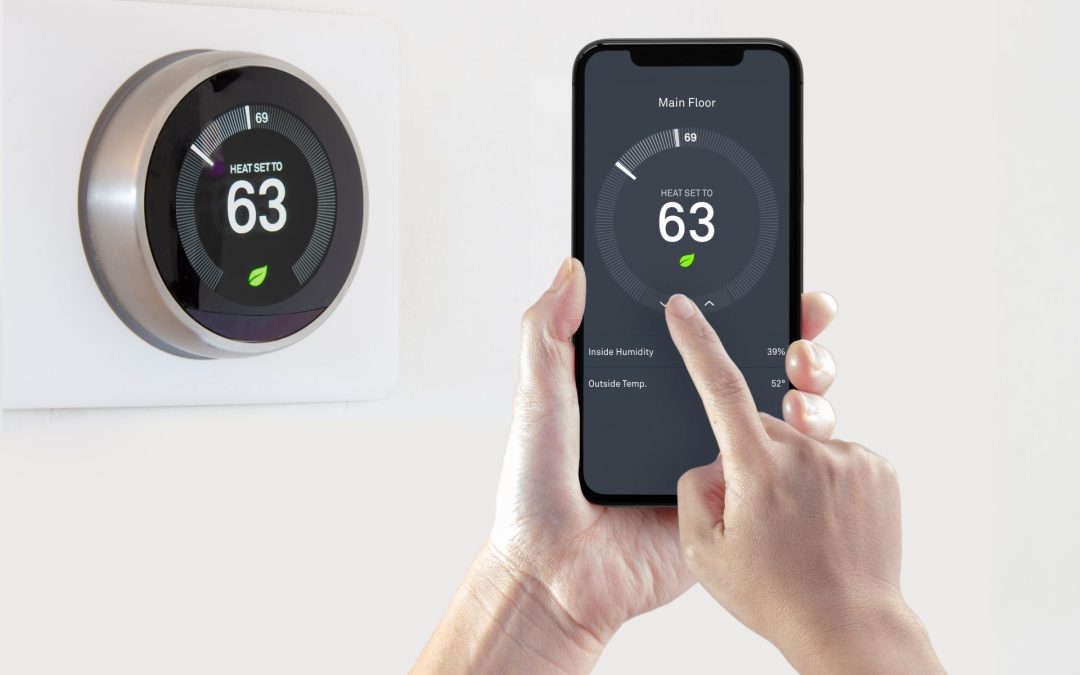
Smart thermostats learn your schedule and preferences, automatically adjusting temperatures to save energy. They offer remote control via smartphone apps, allowing you to adjust settings even when you’re not at home. This feature helps prevent energy waste by ensuring your HVAC system doesn’t run unnecessarily.
Additionally, smart thermostats provide detailed energy reports, helping you understand your energy usage patterns and identify opportunities for savings. By upgrading to a smart thermostat, you can reduce your heating bills and enhance your home’s energy efficiency.
DIY Tips to Correct Thermostat Mistakes and Save
Here are some simple steps you can take to correct thermostat mistakes and save on your heating bills:
- Set a Schedule: Use your thermostat’s scheduling feature to set appropriate temperatures for when you’re home, asleep, or away.
- Check Placement: Ensure your thermostat is placed in a location that accurately reflects your home’s average temperature, away from heat sources or drafts.
- Use Energy-Saving Modes: Activate energy-saving modes during peak usage times to reduce energy consumption.
- Conduct Regular Maintenance: Regularly check your HVAC system for issues. North HVAC Services provides furnace repair and troubleshooting to ensure your system runs efficiently.
- Consider an Upgrade: Evaluate whether upgrading to a smart thermostat could provide better energy management and cost savings.
When to Call in the Experts to Avoid Costly Errors
While there are many DIY steps you can take, sometimes professional intervention is necessary to avoid costly mistakes. If your heating bills are consistently high and DIY solutions don’t help, it might be time to consult experts.
North HVAC Services offers comprehensive HVAC system diagnostics to identify inefficiencies and recommend solutions tailored to your needs. Whether it’s a furnace installation and replacement, heat pump repair, or advice on ductless mini-split systems, our experienced technicians are here to help.
Don’t let a simple thermostat mistake cost you hundreds. Contact North HVAC Services at (415) 845-6910 for a FREE estimate and ensure your thermostat is set for efficiency and savings. For more information on energy-saving tips, visit the U.S. Department of Energy’s guide on thermostats.
Frequently Asked Questions
Why does setting my thermostat to an extreme temperature increase my heating bill?
Setting your thermostat to an extreme temperature doesn’t make your HVAC system heat or cool your home faster. Instead, it makes the system work longer, consuming more energy and increasing your heating bill.
How can I use my thermostat’s schedule feature to save on heating costs?
Utilize your thermostat’s schedule feature to automatically adjust temperatures when you’re asleep or away from home. This ensures your system isn’t working hard unnecessarily, reducing energy consumption and saving you money.
What are the best thermostat settings for winter to keep bills low?
During winter, it’s recommended to set your thermostat to 68°F when you’re home and awake, and lower it by 7-10°F when you’re asleep or away. This can significantly reduce your heating bills.
How can I tell if my thermostat is set incorrectly?
If your heating bills are unexpectedly high, review your thermostat settings to ensure they align with energy-saving recommendations. Consider consulting with a professional, like North HVAC Services in Petaluma, CA, at (415) 845-6910, for a thorough assessment.
What impact does a malfunctioning thermostat have on my energy bills?
A malfunctioning thermostat can cause your HVAC system to run inefficiently, either overworking or not working enough, leading to higher energy bills. Regularly check and maintain your thermostat to ensure it’s functioning correctly.
Jan 19, 2026 | AC Installation, HVAC
Understanding the Intricacies of HVAC Systems
When it comes to heating, ventilation, and air conditioning (HVAC) systems, there’s a lot more than meets the eye. While online resources can provide basic guidelines and troubleshooting tips, they often miss the nuances that a 35-year HVAC veteran like North HVAC Services brings to the table. This deep well of experience translates into a comprehensive understanding of system behaviors, local climate influences, and the unique needs of homes in the SF North Bay area.
For instance, the microclimates of Sonoma, Marin, and Napa counties require tailored solutions. An experienced technician knows how different weather patterns affect HVAC performance, ensuring that your system operates efficiently throughout the year. This level of understanding is crucial for optimizing comfort and energy efficiency in local homes. North HVAC Services excels in providing solutions that are not only effective but also considerate of environmental impacts, aligning with their commitment to sustainability.
Understanding these microclimates involves recognizing the seasonal variations and the specific challenges they present. For example, the coastal fog in Marin County can lead to increased humidity levels, affecting system efficiency and indoor air quality. An experienced HVAC technician will account for these factors, recommending dehumidification solutions or advising on the best HVAC systems that are designed to handle such conditions. Similarly, in the hotter Napa Valley, where vineyards flourish under the sun, efficient cooling solutions become paramount. Tailoring HVAC systems to meet these diverse climatic needs ensures optimal performance and comfort throughout the year.
The Human Element in HVAC Diagnostics
HVAC troubleshooting involves more than just identifying error codes or replacing faulty parts. It requires a keen eye and a methodical approach to diagnosing issues that might not be apparent at first glance. A seasoned technician can identify subtle signs of wear or potential failure that a layperson might overlook.
Beyond the Basics
Consider a scenario where your heating system starts making an unusual noise. While a search engine might suggest a range of potential causes, it takes a professional to pinpoint the exact issue. A veteran technician will listen carefully, considering the system’s age, recent weather conditions, and even the quality of previous maintenance.
This human touch ensures that potential problems are addressed before they escalate into costly repairs. North HVAC Services prioritizes thorough inspections and maintenance, catching minor issues early and extending the lifespan of your equipment.
For example, a rattling noise might indicate something as simple as a loose panel or as complex as a failing blower motor. A professional can distinguish between these issues quickly, saving you time and money. Furthermore, an expert can assess whether the problem is indicative of a larger issue, like ductwork misalignment or inadequate airflow, both of which can compromise system efficiency if left unaddressed. By methodically evaluating each component and its interactions, an experienced technician ensures that your system remains in peak condition.
The Importance of Tailored HVAC Solutions
Every home is unique, and so are its HVAC needs. A one-size-fits-all approach simply doesn’t work when it comes to maintaining ideal indoor climates. Experienced professionals understand the importance of customizing solutions to fit each home’s specific requirements.
For example, a home with an open floor plan might benefit from a different air distribution strategy than a house with multiple, smaller rooms. North HVAC Services offers personalized assessments that consider factors such as layout, insulation quality, and homeowner preferences.
This tailored approach not only enhances comfort but also improves energy efficiency, reducing utility bills and environmental impact. With their commitment to eco-friendly practices, North HVAC Services helps homeowners achieve sustainable heating and cooling solutions.
Customization also involves considering the lifestyle and preferences of homeowners. For instance, a family that spends significant time indoors may prioritize air quality and comfort, requiring enhanced filtration systems or zoned heating and cooling. On the other hand, a household focused on eco-conscious living might opt for solar-powered systems or geothermal heat pumps. By understanding and catering to these individual needs, North HVAC Services ensures that each system installation is aligned with the homeowner’s values and lifestyle choices.
Craftsmanship in Furnace and AC Installation
Installing a new furnace or air conditioning system is a significant investment, and getting it right the first time is crucial. While instruction manuals and online guides can provide installation steps, they can’t replace the craftsmanship that comes from years of hands-on experience.
Precision and Expertise
A seasoned HVAC technician ensures that every component is installed correctly and efficiently. This attention to detail can prevent common issues such as poor airflow, uneven heating or cooling, and premature system failures. North HVAC Services prides itself on delivering quality craftsmanship, ensuring that installations are done right, with a focus on long-term performance.
Moreover, they offer free in-home evaluations for residential HVAC replacements and upgrades, providing homeowners with valuable insights into the best systems and configurations for their specific needs.
The installation process involves more than just connecting wires and ducts. It requires a deep understanding of system design and the latest technological advancements. For example, modern HVAC systems often include smart thermostats and automated controls that require precise calibration to function optimally. An expert installer will ensure these components are integrated seamlessly, offering homeowners improved control over their indoor environment and the ability to maximize energy savings. Such attention to detail during installation prevents future issues and guarantees system reliability for years to come.
Emergency HVAC Repair: A Rapid Response
When your HVAC system fails unexpectedly, it can disrupt your daily routine and compromise your home’s comfort and safety. In such situations, having a reliable service provider like North HVAC Services is invaluable. Their rapid response and expert diagnosis can restore your system’s functionality quickly and efficiently.
With a team of skilled technicians available for emergency HVAC repair, North HVAC Services ensures that you are never left without heating or cooling for long. Their expertise allows them to diagnose and fix issues swiftly, minimizing downtime and restoring comfort to your home.
In addition to emergency services, they offer comprehensive HVAC system diagnostics to identify underlying issues and prevent future breakdowns. This proactive approach helps maintain system reliability, giving homeowners peace of mind.
Imagine facing a mid-winter furnace breakdown in the middle of the night. The anxiety of such a situation is compounded by the potential for frozen pipes and uncomfortable living conditions. North HVAC Services’ prompt emergency response ensures that such emergencies are handled with urgency and precision. Their technicians arrive equipped with the necessary tools and parts to address a wide range of issues immediately, reducing the need for multiple visits and ensuring that your home environment is quickly restored to its optimal state.
The Role of Regular Maintenance
Regular maintenance is essential for keeping your HVAC system running smoothly and efficiently. While some homeowners might attempt DIY checks, a professional’s touch can make a significant difference in the system’s longevity and performance.
Routine furnace maintenance and safety checks by North HVAC Services include thorough inspections, cleaning, and adjustments. These services are designed to catch potential issues before they escalate, ensuring your system operates at peak efficiency. Regular maintenance also helps improve indoor air quality, crucial for a healthy living environment.
By investing in professional maintenance, you not only enhance your system’s performance but also extend its lifespan, saving money in the long run. North HVAC Services’ dedication to quality service ensures that your HVAC system remains reliable and efficient.
Regular maintenance is akin to giving your car an oil change; it keeps everything running smoothly and prevents major issues down the line. During these check-ups, technicians can also provide valuable insights into system performance, offering suggestions for optimizing energy consumption and improving air quality. For instance, they might recommend upgrading to high-efficiency filters or adjusting system settings to better match current usage patterns. This proactive approach ensures that homeowners can enjoy consistent comfort and efficiency throughout the year.
Energy-Efficient Heating Upgrades
As energy costs continue to rise, more homeowners are looking for ways to improve their HVAC system’s efficiency. Energy-efficient heating upgrades can significantly reduce energy consumption and utility bills while enhancing indoor comfort.
North HVAC Services offers a range of energy-efficient solutions, from high-efficiency furnaces to ducted heat pump installations. Their team of NATE and EPA certified technicians provides expert advice on the best upgrades for your home, considering factors like climate, system age, and budget.
By choosing energy-efficient systems, you also contribute to environmental sustainability, aligning with North HVAC Services’ commitment to reducing carbon footprints. Their focus on eco-friendly practices ensures that you can enjoy a comfortable home while minimizing your impact on the planet.
Energy-efficient upgrades are not just about replacing old systems with new ones. They involve a comprehensive assessment of your home’s energy use and identifying areas for improvement. For example, upgrading to a variable-speed furnace can offer significant energy savings by adjusting the heating output to your home’s demands, rather than operating at full capacity constantly. Similarly, incorporating programmable thermostats allows homeowners to set specific temperatures for different times of the day, ensuring efficient use of energy based on occupancy and lifestyle patterns. These smart approaches to heating and cooling reflect a modern, responsible approach to home comfort.
Choosing the Right HVAC Partner
When it comes to your home’s comfort and safety, choosing the right HVAC partner is crucial. With decades of experience and a commitment to quality service, North HVAC Services stands out as a reliable and trustworthy provider.
Their comprehensive service offerings, from installation and maintenance to emergency repairs, ensure that all your HVAC needs are covered. With a focus on customer satisfaction and environmental sustainability, North HVAC Services delivers solutions that are both effective and responsible.
Whether you need furnace installation, heat pump repair, or any other HVAC service, North HVAC Services is here to help. Contact them today for a free estimate at (415) 845-6910, and experience the difference that comes from working with a seasoned professional.
Choosing the right partner is more than just about technical expertise; it’s about finding a company that aligns with your values and understands your needs. North HVAC Services is committed to transparency, providing detailed explanations of their services and costs, ensuring that homeowners are informed and confident in their decisions. Their customer-centric approach, combined with a deep understanding of modern HVAC technology, makes them an ideal partner for homeowners seeking both reliability and innovation in their heating and cooling solutions.

Jan 10, 2026 | HVAC, HVAC Maintenance
The Role of Ductwork in Indoor Air Quality
When considering the comfort and safety of your home, ductwork might not be the first thing that comes to mind. However, the condition and design of your ductwork play a significant role in maintaining indoor air quality. As a central component of your HVAC system, ductwork distributes heated or cooled air throughout your home. If these ducts are compromised, they can introduce contaminants such as dust, mold, and allergens into the air you breathe.
Properly maintained ductwork ensures that air is circulated efficiently and cleanly, enhancing the overall air quality in your home. This is particularly crucial for families with members who suffer from allergies or respiratory conditions. Regular inspections and maintenance, such as those offered by North HVAC Services, can identify issues like leaks or blockages, which can be rectified to improve air quality. Moreover, effective ductwork maintenance can enhance the longevity of your HVAC system, preventing premature breakdowns and ensuring consistent performance throughout the year.
Signs of Ductwork Issues
There are several indicators that your ductwork may be affecting your indoor air quality:
- Increased dust accumulation around vents
- Unusual odors coming from the HVAC system
- Inconsistent temperatures across different rooms
- Noticeable spikes in energy bills
Addressing these issues promptly can help maintain a healthier living environment and improve the efficiency of your heating and cooling systems. For example, if you notice a musty smell, it could indicate mold growth within the ducts, which requires immediate attention to prevent health risks. Similarly, uneven temperatures could suggest airflow problems, often due to blockages or leaks, which can be corrected with professional duct cleaning and repair services.
Health Implications of Poor Ductwork
The impact of ductwork on health is often underestimated. Poorly maintained ducts can harbor dust mites, mold spores, and other pollutants that trigger allergic reactions and respiratory issues. For individuals with asthma or other chronic respiratory conditions, exposure to these contaminants can exacerbate symptoms. For instance, children and elderly family members are particularly vulnerable, and maintaining clean ductwork can provide them with a safer environment.
Moreover, inefficient ductwork can lead to poor ventilation, which may cause a buildup of indoor air pollutants. This can result in symptoms such as headaches, dizziness, and fatigue. Ensuring your ductwork is clean and properly sealed can significantly reduce these risks. A well-maintained system will circulate fresh, clean air, reducing the likelihood of these symptoms and contributing to overall well-being.
Long-term Health Benefits
Investing in regular ductwork maintenance, like those services offered by North HVAC Services, can lead to long-term health benefits. Clean ducts ensure a steady supply of fresh air, reducing the concentration of indoor pollutants and creating a healthier home environment. This proactive approach not only improves immediate air quality but also supports long-term respiratory health. For example, regular cleaning can prevent the buildup of allergens and pathogens, providing a safer environment, particularly for those with compromised immune systems.
The Importance of Ductwork Design
Good ductwork design is essential for optimizing HVAC system performance. It ensures that air is evenly distributed throughout your home, maintaining consistent temperatures and efficient energy use. Poorly designed ductwork can lead to air leaks and uneven heating or cooling, which can affect comfort and increase energy costs.
When planning for new ductwork, consider factors such as duct size, layout, and insulation. Professional HVAC contractors, like North HVAC Services, can design and install ductwork that meets your specific needs, ensuring optimal performance and energy efficiency. They can also advise on the best materials and technologies to use, ensuring that your system remains efficient and effective in the long term.
Custom Solutions for Your Home
Every home is unique, and a one-size-fits-all approach to ductwork design can result in inefficiencies. Tailoring the ductwork design to your home’s layout and your family’s needs can enhance comfort and reduce energy consumption. By working with experienced professionals, you can achieve a balance between performance and efficiency. For instance, homes with open floor plans may require different duct configurations than those with multiple small rooms, and a custom design can accommodate these differences effectively.
Maintaining Your Ductwork
Routine maintenance is crucial to ensure your ductwork remains in top condition. Regular inspections can help identify and address potential issues before they become major problems. This includes checking for leaks, ensuring ducts are properly sealed, and cleaning to remove any accumulated dust or debris.
North HVAC Services offers comprehensive ductwork maintenance services that can help extend the life of your system and maintain high indoor air quality. These services are designed to be thorough yet minimally invasive, providing peace of mind with minimal disruption to your home. Additionally, they can provide detailed reports after each inspection, helping you understand the condition of your system and any necessary repairs or upgrades.
DIY Maintenance Tips
While professional maintenance is recommended, there are simple steps you can take between services to keep your ductwork in good condition:
- Regularly replace air filters to prevent dust buildup
- Seal any visible leaks with duct tape
- Keep vents unobstructed to ensure proper airflow
- Schedule annual HVAC system diagnostics to catch potential issues early
These small actions can make a big difference in the efficiency and effectiveness of your HVAC system. For example, changing filters every three months can prevent clogs and improve air quality, while ensuring vents are clear can enhance airflow and reduce strain on the system.
Energy Efficiency and Ductwork
The efficiency of your HVAC system is directly linked to the condition of your ductwork. Leaky or poorly insulated ducts can lead to significant energy loss, increasing your heating and cooling costs. Ensuring your ductwork is properly sealed and insulated can enhance your system’s efficiency.
Energy-efficient heating upgrades can include optimizing your ductwork to reduce energy waste. By investing in high-quality duct materials and professional installation, you can achieve better energy efficiency, contributing to lower utility bills and a reduced carbon footprint. For instance, upgrading to insulated ducts can significantly reduce heat loss in the winter and heat gain in the summer, improving overall system performance.
Environmental Benefits
Optimized ductwork not only benefits your wallet but also the environment. By reducing energy consumption, you’re contributing to a more sustainable future. North HVAC Services is committed to promoting eco-friendly practices, ensuring that your HVAC system is both efficient and environmentally responsible. Implementing energy-efficient solutions can also qualify you for local government incentives, further offsetting the costs of upgrades.
Choosing the Right HVAC Contractor
Selecting a professional and experienced HVAC contractor is crucial for ensuring your ductwork is installed and maintained correctly. A reputable contractor like North HVAC Services will prioritize quality craftsmanship and customer satisfaction.
When choosing a contractor, consider their experience, credentials, and customer reviews. North HVAC Services has over 48 years of combined experience and a strong reputation in the Sonoma and Marin county areas. This local expertise ensures that your HVAC needs are met with personalized service and in-depth knowledge of local climate conditions. Additionally, their certification from industry bodies provides assurance of their technical competence and commitment to quality.
Questions to Ask Your Contractor
When discussing your ductwork needs with a contractor, consider asking the following questions:
- What experience do you have with ductwork installation and repair?
- Can you provide references from previous clients?
- How do you ensure the quality of your work?
- What maintenance services do you offer?
These questions can help you assess the contractor’s capability and ensure they meet your expectations. A reliable contractor should be transparent in their processes, willing to provide detailed explanations, and offer a comprehensive warranty on their work.
Understanding Ductwork Costs
The cost of ductwork installation or repair can vary based on several factors, including the size of your home, the complexity of the ductwork design, and the quality of materials used. While it might be tempting to opt for the cheapest option, investing in quality ductwork can save you money in the long run through improved efficiency and reduced repair costs.
North HVAC Services offers competitive pricing and transparent estimates, ensuring you understand what you’re paying for and why. This transparency helps you make informed decisions about your HVAC system, balancing upfront costs with long-term benefits. They also offer financing options to make it easier for homeowners to invest in essential upgrades without undue financial strain.
Budgeting for Ductwork Services
When planning for ductwork services, consider setting aside a budget for regular maintenance. This proactive approach can prevent costly repairs and ensure your ductwork continues to perform efficiently. Regular check-ups and minor repairs can extend the life of your system, offering better value over time. Planning for these expenses in advance helps manage your home maintenance budget more effectively.
Take Action for Better Air Quality
Maintaining your ductwork is an essential step in ensuring a healthy and comfortable home environment. By understanding the connection between ductwork and your health, you can take proactive measures to improve air quality and system efficiency. North HVAC Services is here to assist with all your HVAC needs, offering expert advice and reliable service.
Ready to improve your home’s air quality and efficiency? Contact North HVAC Services for a free estimate at (415) 845-6910. Our team of professionals is dedicated to providing top-notch service to residents in the Marin and Sonoma counties, ensuring your home remains comfortable and safe year-round. By partnering with experts, you ensure your HVAC system receives the best care, optimizing its performance for years to come.

Dec 23, 2025 | HVAC
Identifying the Unseen Culprit: Poorly Insulated Ductwork
When it comes to causes of different temperatures in house, one of the main causes of different temperatures in a house is poorly insulated ductwork. This unseen culprit often goes unnoticed, yet it plays a significant role in how evenly air is distributed throughout your home. Ductwork is responsible for carrying conditioned air from your HVAC system to various rooms, and if it’s not properly insulated, you may experience significant temperature variations.
Poor insulation can lead to heat loss in the winter and cool air loss in the summer. As the air travels through the ducts, the temperature can change, leading to uneven heating or cooling. This is particularly problematic in older homes where duct insulation may have deteriorated over time or in newer homes where insulation was insufficiently installed.
- Energy inefficiency: Poorly insulated ducts can increase energy bills by up to 30% as your HVAC system works harder to maintain the desired temperature.
- Comfort issues: Rooms located further from the HVAC unit may receive less conditioned air, resulting in uneven temperatures.
- System strain: Overworking your HVAC system can lead to more frequent repairs and a shorter lifespan.
Addressing duct insulation issues can greatly enhance your home’s comfort and energy efficiency. Consider consulting with North HVAC Services for a professional assessment to ensure your ductwork is adequately insulated.
The Role of Air Leaks in Temperature Variability
Air leaks are another hidden factor contributing to uneven temperatures in your home. These leaks can occur in various places, such as windows, doors, and even within your HVAC system, leading to an inconsistent temperature distribution.
When air escapes through leaks, your HVAC system has to work harder to maintain the desired temperature, leading to higher energy costs and uneven temperatures across different rooms.
- Identify leaks: Check for drafts around windows and doors, and listen for hissing sounds in your ductwork.
- Seal leaks: Use weatherstripping or caulk to seal leaks around windows and doors. For ductwork, professional sealing may be necessary.
- Regular maintenance: Regular HVAC inspections can help identify and address leaks early.
A simple test, such as holding a candle near suspected leak areas, can help you identify air leaks. Addressing these leaks not only improves temperature consistency but also enhances overall home energy efficiency.
Hidden Blockages: The Impact of Obstructed Vents
Obstructed vents can significantly impact temperature distribution in your home. Furniture, drapes, or other items blocking vents prevent air from circulating efficiently, leading to hot and cold spots.
- Reduced airflow: Blockages limit the amount of air reaching certain areas, causing uneven temperatures.
- Pressure imbalance: Blocked vents can cause pressure changes, making some rooms warmer or cooler than others.
- Increased energy use: The HVAC system may use more energy to compensate for restricted airflow.
To ensure optimal airflow, regularly check that all vents are open and unobstructed. This simple step can help maintain a consistent temperature throughout your home.
The Influence of Thermostat Placement on Home Temperature
Thermostat placement is a crucial yet often overlooked factor in maintaining even temperatures. A thermostat placed in a location exposed to direct sunlight, drafts, or near a heat source can misread the actual room temperature, leading to uneven heating or cooling.
Ensure your thermostat is located in a central, neutral area of your home to accurately gauge the ambient temperature. Avoid placing it near windows, doors, or appliances that emit heat, as these can skew temperature readings.
- Central location: Place the thermostat in a common area, away from direct sunlight and drafts.
- Consistent readings: Proper placement ensures the thermostat accurately reflects the home’s average temperature, improving comfort.
- Energy efficiency: Accurate readings help the HVAC system run efficiently, reducing energy waste.
If you’re unsure about the best location for your thermostat, consulting with a professional from North HVAC Services can provide valuable insights to optimize your home’s temperature regulation.
Unmasking the Effects of Inadequate Airflow
Inadequate airflow within your HVAC system can lead to temperature inconsistencies. This issue might stem from a variety of causes, such as clogged filters, undersized ducts, or even faulty fans.
Clogged air filters are a common culprit, as they restrict airflow, making it difficult for your HVAC system to distribute air evenly. Regularly replacing or cleaning filters is essential to maintain proper airflow.
- Filter maintenance: Check and replace filters every 1-3 months to ensure optimal airflow.
- Duct size: Ensure ducts are appropriately sized for your home’s needs to prevent airflow issues.
- Fan functionality: A malfunctioning fan can hinder air distribution, leading to uneven temperatures.
Regular maintenance and inspections by professionals like those at North HVAC Services can prevent airflow issues, ensuring your home remains comfortable year-round.
The Subtle Role of External Weatherproofing
External weatherproofing, such as sealing cracks and adding insulation, plays a subtle yet vital role in maintaining even temperatures. Poor weatherproofing allows external temperatures to influence indoor conditions, especially in older homes.
Effective weatherproofing involves sealing cracks in walls and around windows and doors. Additionally, adding insulation can help maintain a stable indoor temperature despite external weather conditions.
- Seal gaps: Use caulk or weatherstripping to seal gaps around windows and doors.
- Add insulation: Proper insulation in walls and attics helps maintain indoor temperatures.
- Regular checks: Inspect the exterior of your home for potential weatherproofing issues.
Enhancing your home’s weatherproofing can reduce the strain on your HVAC system and improve overall comfort. For a detailed evaluation, consider reaching out to North HVAC Services.
The Overlooked Factor: Aging HVAC Systems
An aging HVAC system can be an overlooked factor leading to uneven temperatures. As systems age, their efficiency decreases, affecting their ability to heat or cool your home evenly. Common signs include frequent repairs, unusual noises, and increased energy bills.
Older systems may struggle to keep up with demand, leading to temperature inconsistencies across your home. Upgrading to a modern, energy-efficient system can resolve these issues and improve home comfort.
- Energy efficiency: Newer systems are designed to be more energy-efficient, reducing costs.
- Improved comfort: Modern systems provide more consistent heating and cooling.
- Long-term savings: Although an initial investment, new systems can save money on repairs and energy bills over time.
If your HVAC system is over 15 years old, it might be time to consider a replacement. North HVAC Services offers comprehensive HVAC system installation services to ensure your home remains comfortable.
How Seasonal Changes Expose Hidden Temperature Issues
Seasonal changes can highlight hidden temperature issues in your home. As temperatures fluctuate, existing problems such as poor insulation, air leaks, or an inefficient HVAC system become more apparent.
During colder months, inadequate insulation or drafty windows can result in noticeable cold spots, while in the summer, these same issues may lead to hot spots. Regular seasonal maintenance can help identify and address these issues before they become major problems.
- Spring check-up: Inspect your home for potential issues as temperatures rise.
- Fall preparation: Prepare your HVAC system for the colder months with a professional tune-up.
- Year-round maintenance: Regular inspections help maintain system efficiency and comfort.
For homeowners in Sonoma, Marin, and Napa counties, addressing these temperature issues can make a significant difference in comfort and energy efficiency. Contact North HVAC Services at (415) 845-6910 for a comprehensive home evaluation to identify and resolve temperature inconsistencies.
Frequently Asked Questions
Why are some rooms in my house colder than others?
Uneven temperatures can often be traced back to poorly insulated ductwork. This causes conditioned air to lose or gain heat as it travels, leading to some rooms feeling colder or warmer. Addressing duct insulation can help even out the temperatures across your home.
How can poor duct insulation affect my energy bills?
Poorly insulated ducts can cause your HVAC system to work harder to maintain the desired temperature, potentially increasing energy bills by up to 30%. Ensuring your ductwork is properly insulated can help reduce these costs and improve efficiency.
What are signs of poorly insulated ductwork?
Signs include uneven temperatures across different rooms, increased energy bills, and frequent HVAC system repairs. If you notice these issues, consider consulting with North HVAC Services at (415) 845-6910 for a ductwork assessment.
Can poorly insulated ducts damage my HVAC system?
Yes, poorly insulated ducts can strain your HVAC system by making it work harder to achieve the desired temperature, leading to more frequent repairs and potentially shortening its lifespan. Properly insulating your ducts can help alleviate this strain.
How do I improve duct insulation in my home?
Improving duct insulation involves sealing leaks and adding insulation to prevent heat loss or gain. For a thorough inspection and professional insulation, consider reaching out to North HVAC Services in Petaluma, CA.
For more information, see Air Sealing Your Home.
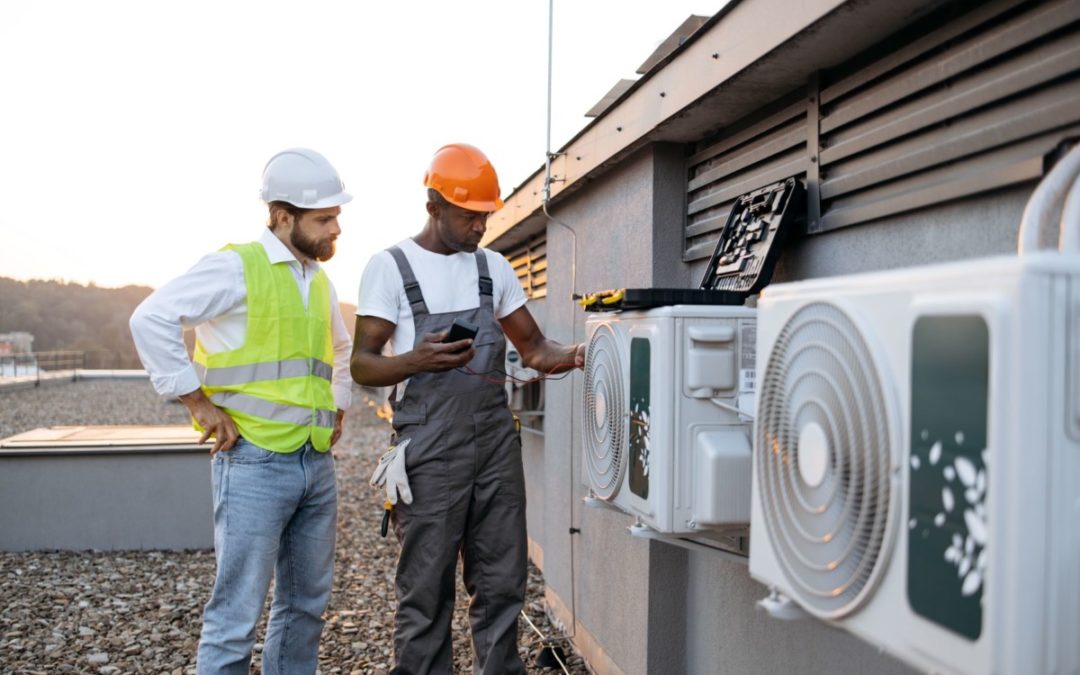
Dec 6, 2025 | HVAC, HVAC Maintenance
As a homeowner, ensuring your HVAC system is functioning optimally is crucial for maintaining a comfortable and energy-efficient home. But how do you know when it’s time to consider a complete HVAC system installation? This decision can impact your home’s comfort, energy bills, and overall air quality. Understanding the signs that indicate a need for a new system can prevent unexpected breakdowns and ensure your home remains a haven of comfort.
In this comprehensive guide, we’ll explore the key indicators that suggest it might be time to install a new HVAC system. We’ll also delve into the benefits of making this investment and offer practical advice on how to approach the process. Whether you’re dealing with an aging system or facing frequent repairs, this information will help you make an informed decision about your home’s heating and cooling needs.
Signs Your HVAC System Needs Replacement
Recognizing when your current HVAC system is no longer efficient or reliable is the first step towards ensuring your home remains comfortable year-round. Here are some common signs that it might be time to consider a complete system installation:
1. Frequent Breakdowns and Repairs
If you find yourself constantly calling for furnace troubleshooting tips or air conditioning repair, it’s a clear sign your HVAC system is struggling. Frequent breakdowns not only lead to discomfort but also result in mounting repair costs. Instead of pouring money into an aging system, it might be more cost-effective to invest in a new installation.
For example, if your furnace is over 15 years old and requires frequent repairs, it might be more practical to replace your furnace with a newer, more efficient model. Modern systems are designed to be more reliable and energy-efficient, reducing the likelihood of unexpected failures.
2. Rising Energy Bills
Another indicator that your HVAC system may need replacement is a steady increase in your energy bills. As systems age, they lose efficiency, causing them to work harder to maintain the desired temperature. This increased workload results in higher energy consumption and, consequently, higher bills.
Consider having a heating diagnostics service performed to determine if your system is the culprit behind your rising energy costs. If inefficiencies are found, it may be time to upgrade your heating system to a more energy-efficient model. Not only will this reduce your energy bills, but it will also decrease your home’s carbon footprint.
3. Uneven Heating or Cooling
If some rooms in your home are consistently warmer or cooler than others, your HVAC system might be struggling to distribute air evenly. This issue could be due to several factors, including ductwork problems or an inadequately sized system. Installing a new system that’s properly sized and configured to your home’s layout can resolve these issues, ensuring consistent comfort throughout your home.
For instance, if your current system isn’t adequately heating your home during the winter months, it might be time to explore heating options that better suit your home’s needs. Professional heating solutions can help you select a system that provides even heating and improved air distribution.
Benefits of a New HVAC System
Investing in a new HVAC system offers numerous advantages that go beyond improved comfort and reliability. Here are some key benefits to consider:
1. Enhanced Energy Efficiency
Modern HVAC systems are designed with energy efficiency in mind, utilizing advanced technology to reduce energy consumption. By upgrading your heating and cooling equipment, you can significantly lower your energy bills and enjoy a more sustainable home.
This is particularly important for homeowners in Marin and Sonoma counties, where energy efficiency is a priority. With the right energy-efficient heating system, you’ll not only save money but also contribute to environmental conservation.
2. Improved Air Quality
A new HVAC system can greatly enhance your home’s air quality. Older systems may struggle with proper ventilation and humidity control, leading to poor indoor air quality. A new installation can incorporate advanced filtration and humidity control features, ensuring cleaner, healthier air for your family.
For example, if you’ve been dealing with allergies or respiratory issues, a new system with enhanced air filtration capabilities can make a significant difference in your home’s air quality. This upgrade can lead to a healthier living environment for you and your loved ones.
3. Increased Home Value
Installing a new HVAC system can boost your home’s market value, making it more attractive to potential buyers. A modern, efficient system is a selling point that assures potential homeowners of lower maintenance and energy costs.
If you’re planning to sell your home in the near future, consider investing in a new HVAC system to enhance its appeal and increase its resale value. This strategic move can make your property stand out in the competitive real estate market.
Steps to Take Before Installing a New System
Before deciding on a new HVAC system, there are several steps you should take to ensure you make the best choice for your home:
1. Conduct a Professional Assessment
Start by scheduling a professional assessment with North HVAC Services. Our team can diagnose heating issues and help you determine the best course of action. This assessment will evaluate your current system’s performance and identify any underlying problems that may need addressing.
By having a thorough evaluation, you’ll gain a clear understanding of your home’s heating and cooling needs, allowing you to select the right system for optimal performance and efficiency.
2. Consider Your Budget and Financing Options
While a new HVAC system is a significant investment, it’s important to consider the long-term savings on energy bills and maintenance costs. Explore financing options that can make this investment more manageable for your budget.
Many HVAC companies offer financing plans that allow you to spread the cost over time, making it easier to upgrade your system without financial strain. Be sure to discuss these options with your chosen provider to find a plan that suits your needs.
3. Choose the Right System for Your Home
When selecting a new HVAC system, consider factors such as the size of your home, climate conditions, and your comfort preferences. Consult with HVAC professionals to explore heating options and air conditioning replacement models that align with your requirements.
For example, if you’re looking to install your air conditioner, make sure to select a unit that can adequately cool your home without overworking, ensuring efficiency and longevity.
Final Thoughts
Deciding to install a new HVAC system is a substantial decision that can greatly enhance your home’s comfort and efficiency. By recognizing the signs of an aging system, understanding the benefits of a new installation, and following the necessary steps before making a purchase, you can make an informed choice that meets your home’s needs.
At North HVAC Services, we’re committed to providing expert guidance and top-quality HVAC solutions to homeowners in Marin and Sonoma counties. If you’re considering a new HVAC system, contact us today to discuss your options and ensure your home remains a comfortable, energy-efficient haven for years to come.