
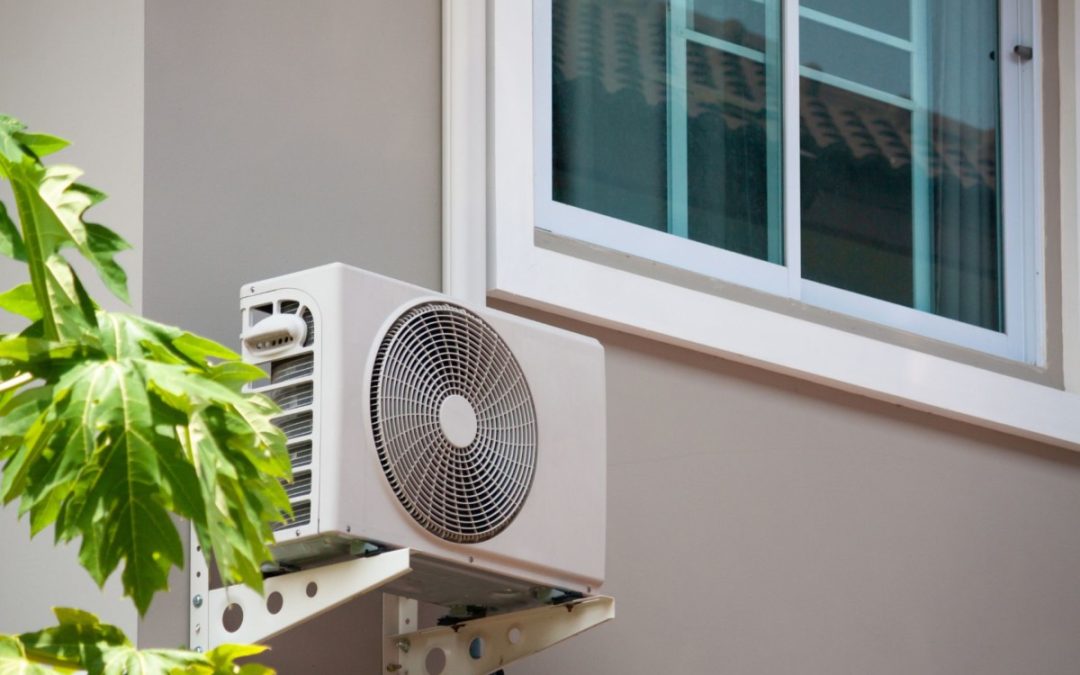
Do I Need a Ductless Mini-Split HVAC for My Sonoma Home Addition?

Do I Need a Ductless Mini-Split HVAC for My Sonoma Home Addition?

A ductless mini-split delivers heating and cooling to a home addition without extending existing ductwork. For Sonoma County ADUs, garage conversions, attic finishes, and sunrooms, ductless mini-split installation costs less than a duct extension, supports per-room temperature control, and may qualify for California heat pump rebates. North HVAC Services helps North Bay homeowners find the right system for their space.

Key Takeaways

  • Ductless mini-splits handle heating and cooling year-round; window units and space heaters do not.
  • Most additions overload central HVAC equipment sized for the original square footage.
  • Mitsubishi Diamond Authorized installers carry advanced training in ductless system design.
  • California Title 24 standards favor heat pump and mini-split installations over gas system add-ons.

Ductless mini-split HVAC

Why Do Home Additions Strain Your Existing HVAC System?

HVAC equipment is sized to your home’s original square footage, insulation, and window load using a calculation called Manual J. Adding 400 to 800 square feet forces the existing system into longer run cycles and makes holding setpoint temperature difficult, shortening its remaining service life. With ADU construction accelerating under California SB 9, this is a growing challenge across Sonoma and Marin Counties.

How Does Ductless Mini-Split Installation Work in a New Addition?

Phase What Happens Typical Duration
Load calculation Manual J sizing for square footage, orientation, and insulation 1 visit
System selection Single-zone or multi-zone; indoor head placement 1 to 2 days planning
Installation Condenser placement, line set, indoor head, electrical 1 to 2 days on-site
Commissioning Refrigerant verification, performance test, owner walkthrough Same day


North HVAC Services holds Mitsubishi Diamond Authorized Dealer status, Mitsubishi’s highest dealer designation, requiring advanced ductless design and installation training. See available options on our cooling and AC services page.

Is Ductless Better Than Traditional AC Installation in Santa Rosa, CA, for Additions?

For single-room additions, AC installation in Santa Rosa, through a ductless system, typically costs less and installs faster than extending central ductwork.

Factor Ductless Mini-Split Extending Central Ductwork
Initial cost Lower for single-room additions Higher; ductwork labor adds up
Heating and cooling Both in one system Cooling only unless furnace also upgraded
Zoned control Per-room Whole-house single thermostat
Existing system impact None May require equipment upsize
Install time 1 to 2 days 3 to 5 days with drywall work


HomeAdvisor places ductless mini-split installation costs between $2,000 and $14,500, depending on system size, number of zones, and installation complexity. Central systems still make sense when whole-house ductwork is already being modified.

What Heat Pump Installation Configurations Fit ADUs, Garage Conversions, and Sunrooms?

Heat pump installation options depend on your addition type:

  • ADUs (400 to 1,200 sq ft): Single-zone ductless heat pump, 9,000 to 24,000 BTU
  • Garage conversions: Wall-mounted single-zone head with insulation upgrades
  • Finished attics: Concealed-duct mini-split for low-profile installation
  • Sunrooms: Multi-zone if connected to adjacent rooms; single-zone if standalone

Our team covers these configurations through our heating and installation services.

Which Rebates Apply to Heat Pump Services in Santa Rosa, CA?

Heat pump services in Santa Rosa, CA, may qualify for multiple stacked incentives:

Program Incentive Type
Sonoma Clean Power Advanced Energy Rebuild Rebates for qualifying heat pump installations
BayREN Home+ Program Bay Area ductless and heat pump incentives
Federal Inflation Reduction Act 30% tax credit on qualifying equipment, subject to IRS caps
PG&E Electrification Programs Rate plans and rebates for electric heat pump conversions


Rebate amounts change. Verify eligibility with the issuing agency. Current state program details are at energy.ca.gov.

Mini-split system for home

Talk With Trusted Santa Rosa HVAC Contractors About Your Addition

North HVAC Services is a Mitsubishi Diamond Authorized Dealer, family-owned since 1988, with 48+ combined years of owner experience. We offer free in-home estimates with no obligation.

Call (415) 845-6910, email northhvacservices@gmail.com, or visit our Contact Us page to schedule.

We serve Santa Rosa, Petaluma, Rohnert Park, Windsor, Healdsburg, Sonoma, Sebastopol, Napa, Novato, San Rafael, Mill Valley, and nearby North Bay communities.

Do Ductless Mini-Splits Work Year-Round in Sonoma County?

Do Ductless Mini-Splits Work Year-Round in Sonoma County?

A ductless mini-split heat pump cools in summer and heats in winter using one outdoor unit and one or more indoor heads. Cold-climate models hold rated heating output well below Sonoma County’s winter lows. Twice-yearly filter cleaning and annual professional service keep efficiency steady and the system under warranty.

Key Takeaways

  • Heat pumps move heat rather than create it, reaching efficiencies above 300% versus 95% for high-efficiency gas furnaces.
  • Cold-climate ductless models maintain heating capacity at outdoor temperatures well below Santa Rosa’s recorded winter range.
  • Mitsubishi Diamond Authorized installation includes a load calculation, refrigerant line set design, and commissioning.
  • Manufacturer maintenance schedules typically call for filter checks every 30 to 90 days and annual professional service.

Efficient mini-split AC and heat pump

How Does a Ductless Mini-Split Cool and Heat the Same Room Year-Round?

A ductless mini-split runs on a refrigerant cycle. In summer, it pulls heat from inside your home and releases it outdoors. In winter, a reversing valve flips the direction, extracting heat from outdoor air and delivering it inside — even when temperatures drop.

According to the U.S. Department of Energy, modern air-source heat pumps, including ductless mini-split systems, can deliver two to three times more heating energy than the electrical energy they consume.

Homeowners often ask: “Will it keep up in January?” Santa Rosa’s typical winter lows fall in the high 30s to low 40s°F, based on WeatherSpark climate data for Santa Rosa. Cold-climate ductless models are engineered to maintain heating capacity at temperatures well below that range, so local winters are well within their operating window.

What Annual Heat Pump Services in Santa Rosa, CA, Keep a Ductless System Healthy?

Proper upkeep divides clearly into what you handle and what requires a licensed technician.

Frequency Homeowner Task Professional Task
Every 30 to 90 days Clean or rinse indoor head filters
Twice yearly Inspect outdoor unit for debris
Annually Refrigerant level check, coil cleaning, electrical inspection, condensate drain flush
As needed Clear leaves and yard debris from outdoor unit Refrigerant leak repair under EPA Section 608


The U.S. Environmental Protection Agency (EPA) recommends checking HVAC air filters regularly and replacing or cleaning them as needed to maintain indoor air quality. Most ductless mini-split indoor unit filters are washable, reducing ongoing maintenance costs. 

A dirty filter restricts airflow, reduces heating and cooling performance, can cause the evaporator coil to freeze during cooling mode, and may increase compressor strain over time. Consistent heat pump services in Santa Rosa, CA cost less over time than a premature compressor replacement.

Where Do Ductless Mini-Splits Fall Short in a Sonoma County Home?

Every system has tradeoffs worth understanding before you commit:

  • Very large homes: Multi-zone outdoor units can support four to eight indoor heads, but very large homes may benefit more from a central ducted heat pump.
  • Visible indoor heads: Wall-mounted units are visible in each room, while concealed-duct and ceiling-cassette options are available at a higher cost.
  • Existing ductwork: Ductless mini-split installation doesn’t use existing ducts. Homes with quality ducts may find central heat pumps more cost-effective.
  • Hot water heating: Mini-splits are for space conditioning only; a heat pump water heater is needed for complete home electrification.

What Should You Ask HVAC Contractors in Santa Rosa Before Heat Pump Installation?

Carry these questions into any estimate:

  • Is the contractor a Mitsubishi Diamond Authorized Dealer or certified installer?
  • Are technicians NATE-certified and EPA Section 608-certified?
  • Will the quote include a Manual J load calculation for your home?
  • What do the warranties cover, and what is the labor warranty term?
  • Which rebate programs will the contractor assist you with?

North HVAC Services meets all five. As HVAC contractors in Santa Rosa and across the North Bay, our team holds Mitsubishi Diamond Authorized Dealer status, employs NATE- and EPA Section 608-certified technicians, and has served Sonoma and Marin County homeowners since 1988. When you search for reliable heating and air conditioning near you, these are the credentials that separate a factory-trained installation from a generic one.

Energy-efficient ductless HVAC in Sonoma County

Talk With Trusted HVAC Contractors About Heat Pump Installation in Santa Rosa and Nearby Areas

Ready to find out whether a ductless system fits your home? North HVAC Services offers free in-home estimates and system guidance – from ductless mini-split installation to AC installation in Santa Rosa, CA, to full heating and furnace services.

Call us at (415) 845-6910, email northhvacservices@gmail.com, or connect through our Contact Us page.

Choosing a Ductless Mini Split System Can Be the Easiest Way to Solve Hot and Cold Spots in Your Home

Choosing a Ductless Mini Split System Can Be the Easiest Way to Solve Hot and Cold Spots in Your Home

Why Do Homes Develop Hot and Cold Spots?

Homes develop hot and cold spots because of uneven airflow, insulation issues, or limitations in traditional ducted HVAC systems. These temperature differences are common in both older and newer properties.

Poor air distribution is often the main culprit. In many homes, the existing ductwork doesn’t reach every room equally. An office above a garage, a sunroom, or an addition may never feel as comfortable as the rest of the house. Rooms far from the furnace or air conditioner may get less air, creating chilly or stuffy areas.

Insulation gaps, leaky windows, or doors can also cause temperature swings. Even the direction your windows face can make rooms hotter in the afternoon. If you remodel or change how you use a space, the original HVAC design may not keep up with your needs.

For business owners with converted garages or new offices, these issues are especially noticeable. Traditional fixes like closing vents or portable heaters rarely solve the issue and can even stress your HVAC system.

How Does a Ductless Mini Split System Fix Uneven Temperatures?

A ductless mini split system solves uneven temperatures by providing targeted heating and cooling exactly where you need it, without relying on existing ducts. Each indoor unit operates independently, delivering precise comfort control to specific zones.

Mini splits use two main components: an outdoor condenser and one or more indoor air handlers. The indoor units mount directly in the rooms that need attention. They connect to the outdoor unit via small refrigerant lines—no bulky ductwork required.

This design allows you to address areas that your main system misses. For example, if your conference room is always too warm because of sun exposure, a mini split can actively cool just that space. If you have a chilly back office, an indoor unit can keep it comfortable year-round.

With separate temperature controls for each zone, people can set their preferred comfort level. This flexibility is ideal for homes with rooms that serve different functions or have different occupancy patterns.

What Makes Choosing a Mini Split the Easiest Solution for Hot and Cold Spots?

Choosing a mini split is the easiest solution because installation is quick, the system is flexible, and you avoid the mess and cost of ductwork renovations. Mini splits adapt to almost any room without major disruption.

For further reading, see Mini Split Install Video from sawmillcreek.org.

  • Fast Installation: Most mini split installation projects finish in one day, with minimal impact on daily operations or home life.
  • No Ducts Needed: You don’t need to modify or extend existing ducts, making mini splits perfect for additions, garages, or historic buildings where ductwork isn’t practical.
  • Customizable Comfort: Control each zone independently. Only heat or cool spaces you use, reducing wasted energy.
  • Energy Efficiency: Mini splits often use less electricity than traditional systems, especially when only heating or cooling specific rooms.
  • Quiet Operation: Indoor units run quietly, making them ideal for offices, bedrooms, or meeting spaces.
  • Versatile Placement: Wall-mounted, floor-mounted, or ceiling cassette options fit almost any room design.

Business owners appreciate that their operations aren’t disrupted by lengthy construction, and homeowners like that there’s no need to patch walls or tear up ceilings.

Is Mini Split Installation Right for My Home?

Mini split installation is right for your home if you have rooms with persistent temperature issues, lack existing ductwork, or want more control over your comfort. It works especially well for targeted upgrades or unique spaces.

If you own a business in Petaluma or have a home office, garage apartment, sunroom, or older property, a mini split can address hot and cold spots without reworking your entire HVAC system.

Mini splits are also a smart choice if energy savings and quiet operation matter to you. You can start with one unit and expand later as your needs change.

If you’re unsure, North HVAC Services can assess your property and recommend the best approach based on your building’s layout and your comfort goals.

How Does Mini Split Installation Work in Practice?

Mini split installation involves selecting the right system, mounting the indoor and outdoor units, and connecting them with refrigerant and electrical lines. The process is straightforward, clean, and usually quick.

  1. Assessment: A technician evaluates your space, recommends the correct size and number of indoor units, and identifies optimal mounting locations.
  2. Mounting Indoor Units: The installer secures the air handlers on the wall, ceiling, or floor in the rooms you want to condition.
  3. Installing the Outdoor Unit: The outdoor condenser is placed on a stable base outside, close to the indoor units for efficiency.
  4. Connecting Units: A small hole (usually 3 inches) is drilled through the wall for refrigerant lines, power cables, and a condensate drain. No major construction is involved.
  5. System Testing: The technician checks for leaks, tests system performance, and calibrates each indoor unit for optimal comfort.
  6. Walkthrough and Training: You’ll learn how to operate the remote controls, set schedules, and adjust temperatures for each zone.

Most installations take less than a day, keeping disruption to a minimum. North HVAC Services ensures the process is efficient and the workspace is left clean.

What Should I Know About Mini Split Installation Cost?

Mini split installation cost depends on the number of zones, system size, and installation complexity. While it’s often higher upfront than window units, it’s usually less expensive than extending or adding ductwork to an existing HVAC system.

The price covers the outdoor condenser, indoor air handlers, refrigerant lines, electrical work, and labor. Adding more zones increases the cost, but also boosts comfort and efficiency. Energy savings over time can offset part of the investment, especially if you use the system to condition specific rooms rather than the whole building.

Local rebates or incentives may be available, especially for high-efficiency models. For an accurate quote, it’s best to schedule a site visit. North HVAC Services can provide a detailed estimate based on your unique needs and building layout.

Can I Install a Mini Split Myself, or Should I Call an Expert?

While some mini split systems market themselves as DIY-friendly, professional installation is strongly recommended for safety, performance, and warranty coverage. HVAC professionals have the training and tools to ensure a safe, efficient installation.

  • Electrical Safety: Connecting high-voltage power and handling refrigerant requires expertise. Incorrect installation can be dangerous.
  • Proper Sizing: Professionals size the system accurately, ensuring each zone receives the right level of heating or cooling.
  • Warranty Protection: Many manufacturers require professional installation to validate the warranty.
  • Code Compliance: Local codes and regulations must be followed—HVAC contractors are familiar with these requirements.
  • Optimal Performance: Technicians can identify the best locations for indoor and outdoor units, maximizing system efficiency and comfort.

Trying to install a mini split without the right tools or experience risks damaging the equipment or voiding the warranty. For reliable results, call an expert like North HVAC Services in Petaluma.

What Results Can You Expect After Installing a Ductless Mini Split?

After mini split installation, you can expect even temperatures in every zone, improved comfort, and lower energy bills if you use the system strategically. Occupants will notice a more consistent climate, quieter operation, and the flexibility to adjust each space to their liking.

Business owners often see improved employee productivity in comfortable offices, fewer complaints about drafty or stuffy rooms, and reduced strain on the central HVAC system. Homeowners enjoy a peaceful environment, better sleep in bedrooms, and reliable comfort in previously unusable spaces like garages or additions.

Over time, you’ll likely notice less dust and fewer allergens compared to ducted systems, since mini splits don’t circulate air through long ducts. Many users find that the system pays for itself through energy savings and enhanced comfort.

Ready to solve hot and cold spots for good? Call North HVAC Services at (415) 845-6910 to schedule your mini split installation or get expert advice tailored to your property.

Frequently Asked Questions

How difficult is it to install a ductless mini split system?

Installing a ductless mini split system is generally less invasive than traditional HVAC systems, but it does require professional expertise. The process involves mounting the indoor unit, installing the outdoor condenser, and running refrigerant and electrical lines between them.

Can I install a mini split system myself, or do I need a professional?

You should hire a licensed HVAC contractor to install a mini split system, as it involves electrical work and refrigerant handling. DIY installation can void warranties and lead to safety issues or poor performance.

How long does it take to install a ductless mini split?

A typical mini split installation takes about one day for a single-zone system, though multi-zone setups may take longer. Factors like the complexity of the installation and accessibility of the space can affect the timeline.

Will installing a mini split damage my walls or home?

Mini split installation requires only a small hole in the wall for the connecting lines, minimizing disruption to your home. Professional installers, like North HVAC Services in Petaluma, CA, ensure the work is clean and minimally invasive.

Who should I call for mini split installation in Petaluma, CA?

For expert mini split installation in Petaluma, contact North HVAC Services at (415) 845-6910. They can assess your home’s needs and provide a tailored solution for hot and cold spots.

Why Mini Split Systems Are Perfect for Older Homes

Why Mini Split Systems Are Perfect for Older Homes

Adapting to Older Home Structures: The Flexibility of Mini Splits

Older homes often present unique challenges when it comes to installing modern HVAC systems. Traditional central air systems require extensive ductwork, which can be difficult to retrofit into homes with historical or complex architecture. This is where a mini split for older homes becomes particularly advantageous. These systems are ductless, allowing for greater flexibility in installation without the need to alter the existing structure significantly.

The key benefit here is the ability to preserve the integrity and original design of your older home. Mini splits require only a small hole to connect the indoor and outdoor units, minimizing disruption to walls and ceilings. This is especially beneficial for homes with thick walls or intricate moldings that homeowners wish to preserve. Additionally, the compact size of mini split units means they can be installed in spaces where traditional systems simply wouldn’t fit.

Moreover, the flexibility of mini split systems allows for strategic placement of indoor units to maximize efficiency and comfort. Whether your home has large open spaces or smaller, compartmentalized rooms, mini splits can be adapted to suit your specific needs. This adaptability makes them an excellent choice for maintaining both the aesthetic and functional value of older homes.

Energy Efficiency in Older Homes with Mini Split Systems

Older homes are notorious for their lack of energy efficiency, often due to outdated insulation and leaky windows. Mini split systems offer a solution by providing targeted heating and cooling, which can significantly reduce energy consumption. Unlike central HVAC systems, mini splits allow you to control the temperature in individual rooms, ensuring that you’re not wasting energy heating or cooling unused spaces, according to energystar.gov.

In fact, mini splits can reduce energy usage by up to 30% compared to traditional HVAC systems. This is partly because they avoid the energy loss associated with ductwork, which can account for up to 30% of energy consumption in a home. By optimizing energy use, mini splits not only lower utility bills but also reduce the carbon footprint of your older home, aligning with North HVAC Services’ commitment to environmental sustainability.

Furthermore, the advanced technology in mini splits, such as variable speed compressors, allows for precise temperature control and improved efficiency. This means your home stays comfortable without the constant cycling on and off of traditional systems, which can be both inefficient and costly. For older homes, where maintaining consistent comfort can be a challenge, mini splits provide a reliable and economical solution.

Preserving Aesthetic Value: Mini Splits Blend Seamlessly

One of the primary concerns for owners of older homes is preserving the aesthetic value of their property. Mini splits excel in this area, offering a sleek and unobtrusive solution that integrates seamlessly with any home decor. Unlike bulkier traditional HVAC components, mini split indoor units are designed to be discreet, often installed high on the wall or even recessed into ceilings.

This subtle design ensures that the charm and character of your older home remain intact. Homeowners can choose from a variety of styles and colors to match the existing decor, making it easy to blend the units into any room. Additionally, the lack of ductwork means there is no need to alter the structural or visual elements of your home, preserving its original details and craftsmanship.

Moreover, North HVAC Services offers professional mini split installation, ensuring that each unit is placed optimally to complement your home’s design while providing maximum comfort. The ability to maintain the historical and aesthetic integrity of older homes is a significant advantage, making mini splits a preferred choice for discerning homeowners.

Improved Comfort Control in Older Homes with Mini Splits

Older homes often suffer from uneven temperature distribution, with some rooms being too hot or too cold. Mini splits address this issue by providing zoned comfort solutions, allowing homeowners to control the temperature in each room independently. This level of customization ensures that every area of your home can be comfortable, regardless of the season.

The precision of mini split systems means that you can maintain optimal comfort without the inefficiencies of a central system. For instance, during a hot summer day in Petaluma, you can cool only the rooms you are using, reducing energy consumption and improving comfort. Conversely, in winter, you can heat specific areas, avoiding the need to warm the entire house.

With features such as remote control and programmable settings, mini splits offer unparalleled convenience. You can set different temperatures for different times of the day, ensuring your home is always at the perfect temperature when you arrive. This adaptability not only enhances comfort but also contributes to energy savings, making mini splits an ideal choice for older homes.

Mini Split Installation for Older Homes: A Simple Process

Installing a mini split system in an older home is a straightforward process that minimizes disruption. Unlike traditional HVAC systems that require extensive ductwork and structural modifications, mini splits involve a quick and easy installation. North HVAC Services specializes in ductless mini-split installation, ensuring a seamless process from start to finish.

The installation involves mounting the indoor unit in a strategic location, connecting it to the outdoor unit via a small conduit. This conduit requires only a three-inch hole through the wall, preserving the structural integrity of your home. The outdoor unit can be placed up to 50 feet away, allowing for flexible placement to suit your home’s layout.

This simplicity means that the installation can often be completed in a day, reducing the inconvenience to homeowners. Furthermore, because mini splits do not require ductwork, there is no need for extensive renovations or repairs, which can be costly and time-consuming. This ease of installation makes mini splits a practical choice for older homes.

Enhancing Indoor Air Quality in Older Homes with Mini Splits

Indoor air quality is a significant concern in older homes, which may have accumulated dust, mold, and other allergens over the years. Mini splits can help improve air quality by providing advanced filtration systems that capture these particles, ensuring cleaner air inside your home. North HVAC Services offers expertise in ductless system troubleshooting to maintain these filters for optimal performance.

Mini split systems typically come with multi-stage filtration, which effectively removes dust, pollen, and other airborne contaminants. This is particularly beneficial in older homes where traditional HVAC systems might not provide adequate filtration. By enhancing indoor air quality, mini splits contribute to a healthier living environment.

Additionally, because mini splits do not rely on ductwork, they avoid the common issue of duct-related contaminants. Traditional HVAC systems can spread dust and allergens throughout a home if the ducts are not regularly cleaned. By eliminating the need for ducts, mini splits help maintain a cleaner and healthier indoor environment, making them a wise choice for older homes.

Cost-Effective Climate Control for Older Homes

For homeowners concerned about the cost of climate control, mini splits offer a cost-effective solution. The energy efficiency of mini splits translates into lower utility bills, providing significant savings over time. Additionally, the targeted heating and cooling of mini splits mean that you only pay for the comfort you need, reducing unnecessary energy expenditure.

North HVAC Services offers competitive pricing on mini split installation and repair, ensuring that your investment in comfort is both affordable and reliable. Furthermore, the longevity and low maintenance requirements of mini splits make them a financially sound choice. With fewer moving parts and no ductwork to worry about, mini splits require less frequent repairs and maintenance.

Overall, the combination of reduced energy costs, minimal maintenance, and long-term durability makes mini splits an economical option for older homes. By choosing mini splits, homeowners can enjoy modern comfort without breaking the bank.

Why Choose a Mini Split for Older Homes in Marin and Sonoma Counties

For residents of Marin and Sonoma counties, choosing a mini split for older homes is a practical and efficient decision. The unique climate of this region, with its hot summers and cool winters, makes temperature control essential. Mini splits provide the flexibility and efficiency needed to maintain comfort throughout the year.

Additionally, North HVAC Services, based in Petaluma, CA, is well-versed in the specific needs of homes in this area. With over 48 years of experience, our team understands the challenges associated with older homes and provides tailored solutions to meet those needs. Whether you require a new ductless mini-split installation or expert mini split repair, our team is ready to assist.

By choosing North HVAC Services for your mini split needs, you benefit from our commitment to quality craftsmanship and customer satisfaction. We stand behind our work, ensuring that your older home remains comfortable, efficient, and beautiful. Get a FREE Estimate Today for Your Older Home’s HVAC Needs by contacting us at (415) 845-6910.

Frequently Asked Questions

Why are mini split systems suitable for older homes?

Mini split systems are perfect for older homes because they are ductless, meaning they don't require extensive ductwork that could disrupt the home's structure. This preserves the historical integrity and design of your home, making installation easier and less invasive.

How do mini split systems help maintain the design of older homes?

Mini splits require only a small hole to connect the indoor and outdoor units, which minimizes disruption to walls and ceilings. This is ideal for preserving features like thick walls and intricate moldings that are common in older homes.

Can mini split systems be installed in homes with limited space?

Yes, mini split systems are compact and can be installed in spaces where traditional HVAC systems wouldn't fit. This makes them highly adaptable to both large open areas and smaller, compartmentalized rooms found in older homes.

Who can I contact for installing a mini split system in my older home?

If you're in Petaluma, CA, you can contact North HVAC Services at (415) 845-6910 for professional installation of mini split systems that suit the specific needs of your older home.

Are mini split systems energy efficient for older homes?

Yes, mini split systems are known for their energy efficiency, which can be particularly beneficial in older homes that often lack modern insulation. They provide zoned heating and cooling, allowing you to control temperatures in individual rooms and reduce overall energy consumption.