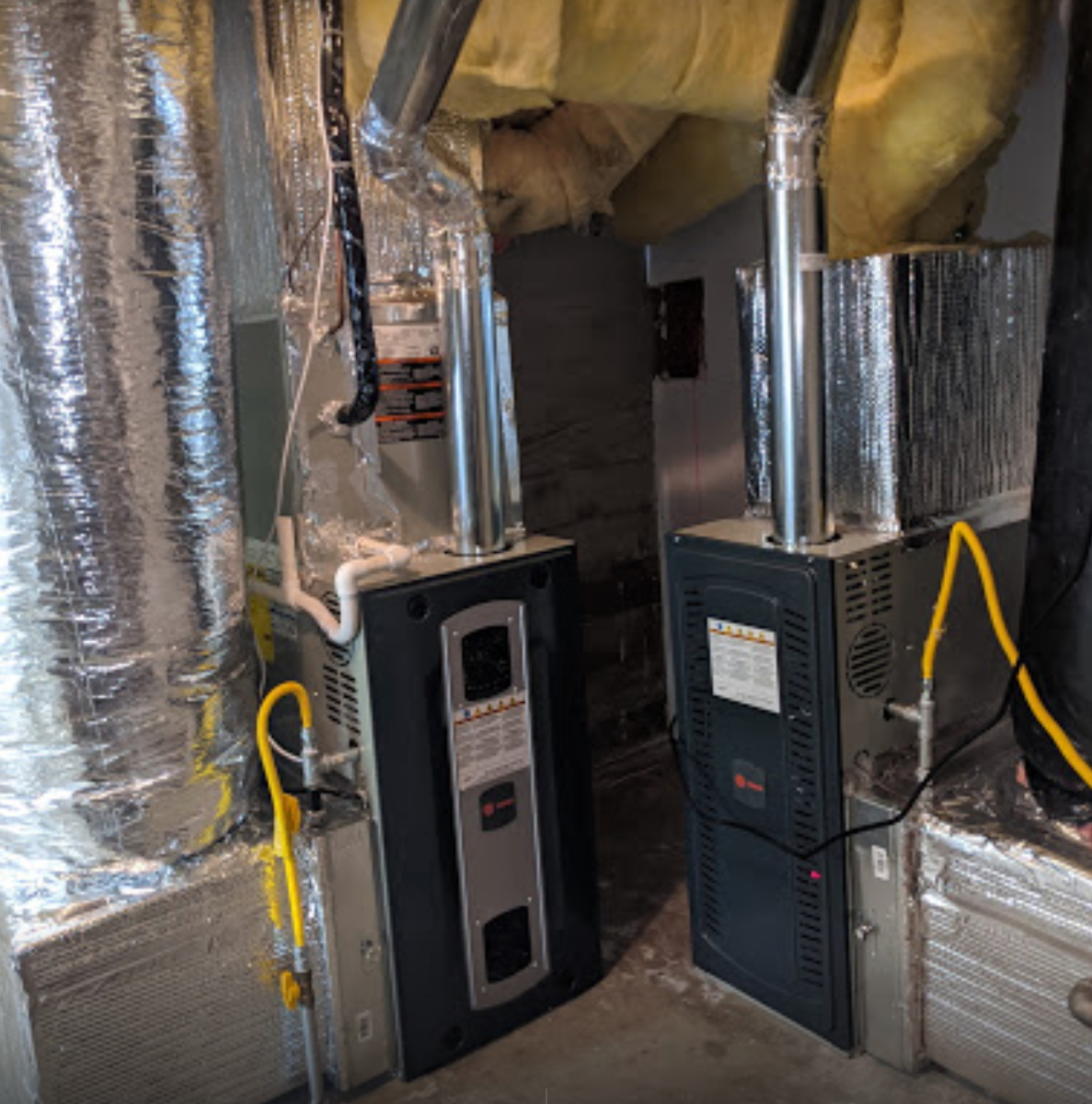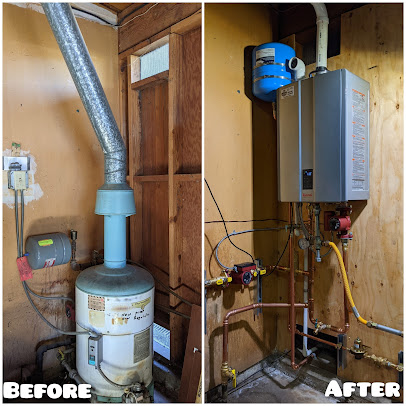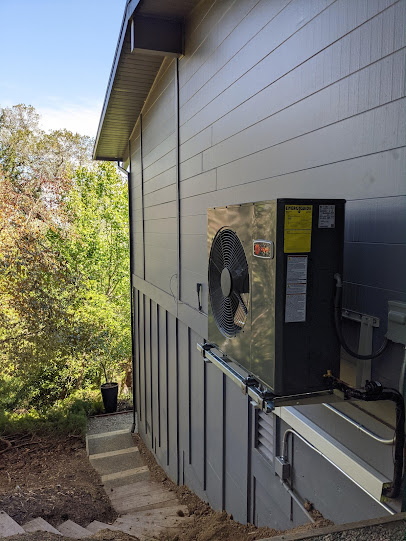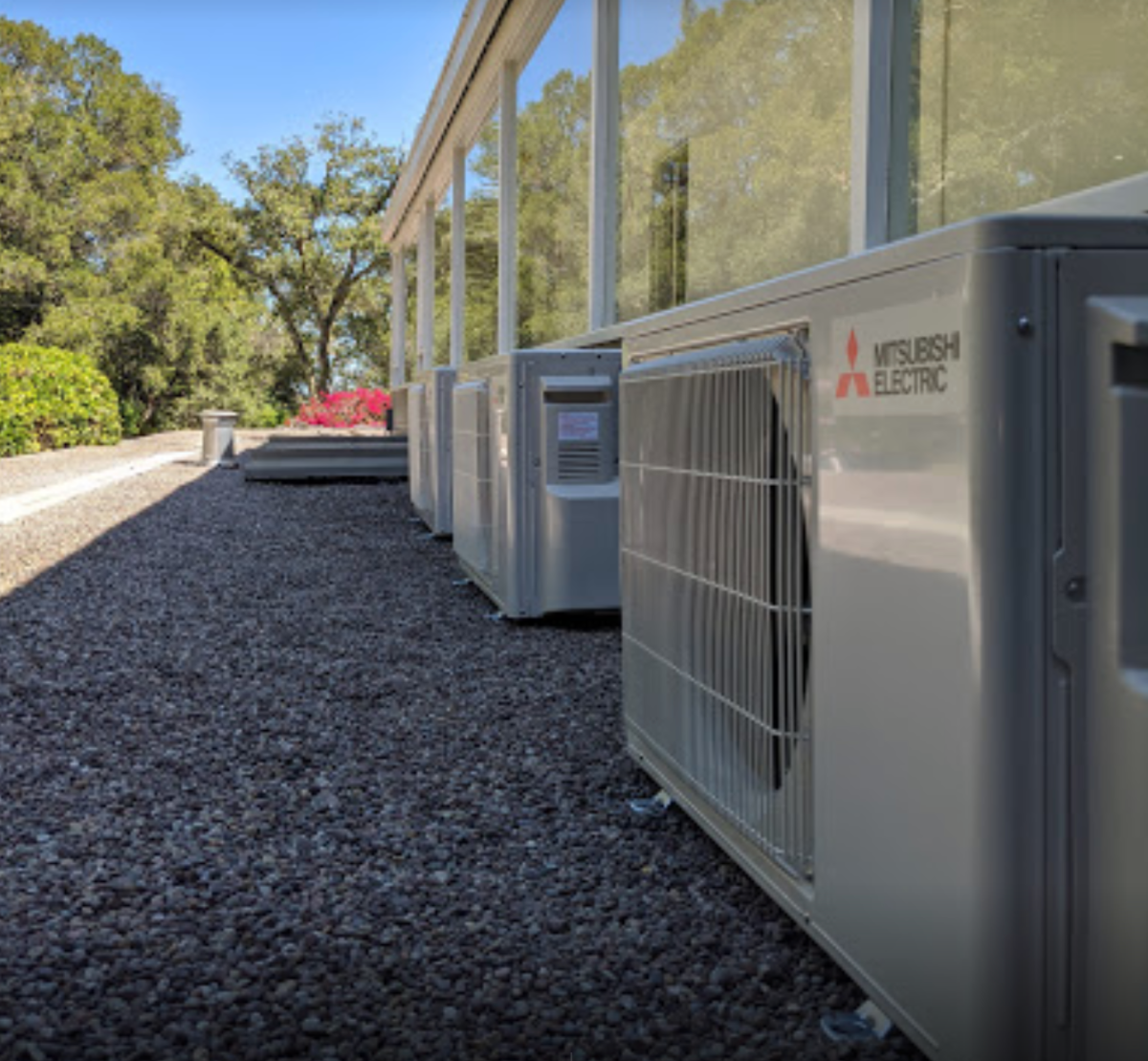

You walk through your Santa Rosa home on a pleasant December afternoon. The thermometer reads 68°F, and sunlight streams through your south-facing windows. Your living room feels stuffy, so you adjust the thermostat to cooling mode. Nothing happens.
Most homeowners dismiss this moment. “It’s winter, who needs AC?” they think. But if you live in Northern California’s wine country, this assumption creates problems. When an air conditioner does not start on a warm winter day, common causes include electrical or control faults such as dead thermostat batteries, tripped breakers, or failing capacitors. Other possibilities include issues related to prolonged idle time, such as oil migration or degraded components, and external causes like debris blocking the outdoor coil or rodent damage.
At North HVAC Services, Inc Heating & Air Conditioning, we see these winter AC failures regularly across Marin and Sonoma Counties. Professional diagnostic testing identifies the actual problem and determines whether repair or replacement makes financial sense.
Finding AC problems during winter gives you advantages. You avoid spring emergency pricing, schedule repairs when technicians have availability, and gain time to plan if replacement becomes necessary. Understanding why your system failed starts with recognizing how Northern California’s climate affects air conditioning repair in Santa Rosa, CA, differently than anywhere else.
Why Your AC Matters Year-Round in Sonoma County
Santa Rosa doesn’t follow traditional heating and cooling seasons. Local climate data shows average high temperatures in Santa Rosa of about 57 degrees Fahrenheit in December. Occasional warm days can push temperatures much higher than the monthly average, which helps explain why homeowners sometimes need cooling during winter.
These numbers explain why your cooling system cannot hibernate. Santa Rosa AC repair becomes necessary during months when most of the country has forgotten that AC exists.
Real scenarios happen regularly. South-facing rooms during afternoon sun reach interior temperatures of 75-80°F. Post-holiday gatherings with 15-20 people generate body heat. Home offices where computers create heat loads need cooling. Well-insulated modern homes retain heat effectively.
You don’t test your cooling system from November through March. Then a warm spell arrives, you need cooling, and the system doesn’t respond. Discovering problems during winter gives you control over predictable repair costs and flexible technician scheduling.

Common Causes of Mid-Winter AC Failures
Electrical and Control Issues
Thermostat battery failure is a common, easily fixed cause of no-start issues. Batteries can die after months of light use, and a depleted thermostat battery prevents the thermostat from sending the start signal to the system. Breaker trips create confusion. Holiday decorations and space heaters stress circuits. The AC breaker trips, you reset it, but nobody checks if the cooling still works.
Failing capacitors often show physical signs such as swelling or leakage. Technicians usually test-run and start capacitors using a meter with capacitance mode or a dedicated capacitor tester. When using resistance mode as a basic check, a reading that stays near zero suggests a shorted capacitor, while a reading that rises toward open circuit as the part charges indicates the capacitor is able to hold a charge. For safety and accuracy, have a qualified technician perform capacitor testing.
Mechanical Problems During Dormancy
Refrigeration compressors can suffer oil migration or inadequate oil return after long idle periods or repeated short-run cycles, which can harm starting reliability. In some systems, a crankcase heater or minimum run strategy prevents oil migration, so having a technician inspect and maintain the compressor before peak season is a sensible precaution.
Capacitors degrade during non-use periods. These components store electrical energy to start motors. A capacitor that worked in October might fail by February from age alone. Refrigerant leaks that started small become obvious by January. Your system lost charge over four months. When you test it on a mild day, it won’t cool because the refrigerant has dropped below operational minimums.
External Factors
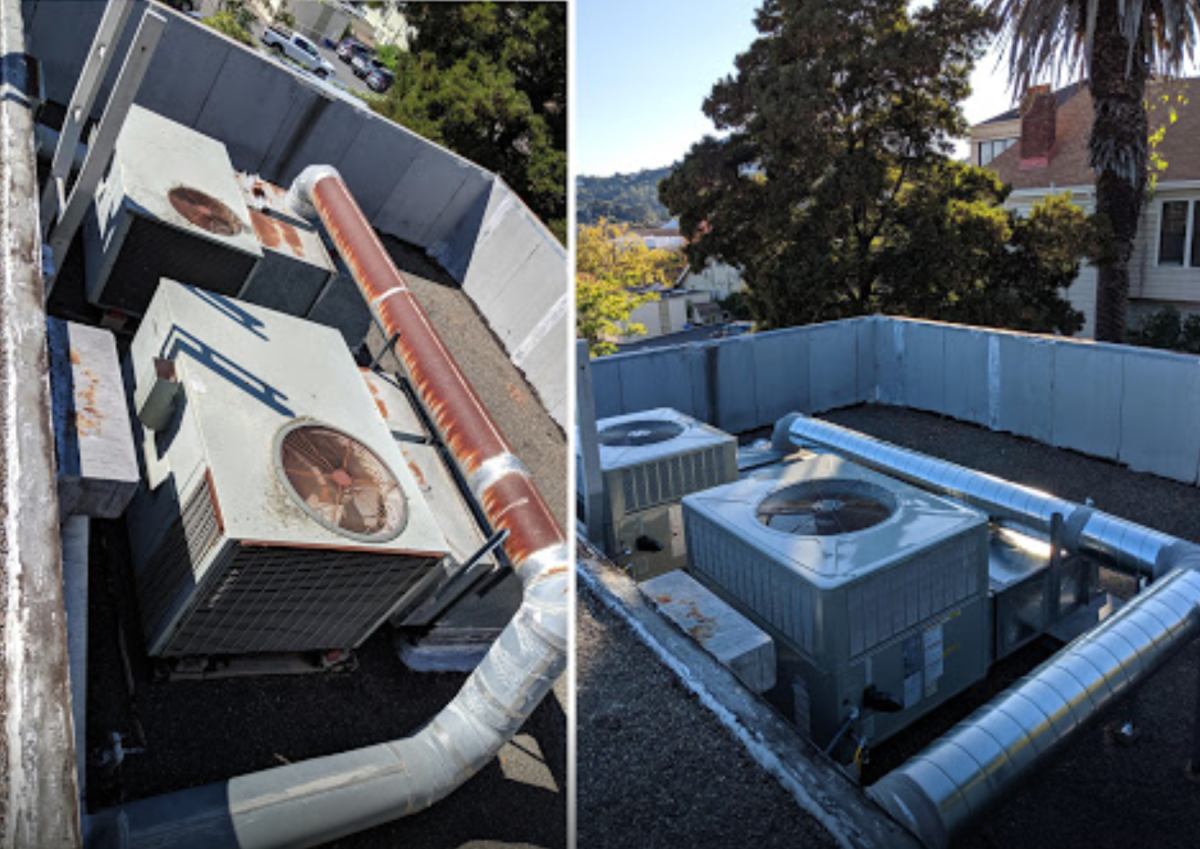
Debris accumulation intensifies during fall storms. Leaves and dirt collect around outdoor units, blocking airflow. When you need cooling, the blocked unit overheats within minutes. Rodent damage peaks in winter. Mice and rats nest in outdoor AC units, chewing through wiring. Drainage line blockages develop from algae growth in condensate pans.
Age-Related Decline
Systems over 10 years old show accumulated wear. Research from the University of Central Florida found that typical system life averages 15-18 years, with severe performance drop-off after 15 years.
When air conditioning repair services address winter failures in older systems, the repair-versus-replace decision becomes critical.
The Step-by-Step Diagnostic Process
1. Initial Assessment
Before calling for service, verify basic issues. Check thermostat settings (mode on “COOL,” temperature below room temp). Replace thermostat batteries. Inspect breaker panel (both indoor and outdoor units). Visually inspect outdoor units (debris, damage, ice). Check the air filter condition.
Performing basic checks first often resolves many no-start situations. Homeowner steps to try include checking thermostat mode and batteries, inspecting the breaker, looking for obvious debris on the outdoor unit, and checking the air filter.
2. Professional Diagnostic Protocol
Technicians verify that the outdoor unit is receiving the proper residential supply voltage, typically about 240 volts. Low voltage readings can point to a tripped breaker or other electrical problems, such as loose connections, and should be addressed by a qualified electrician or HVAC technician.
Capacitor testing uses multimeters on start and run capacitors. Zero reading indicates a shorted capacitor. Compressor resistance testing measures resistance across terminals. Infinite resistance indicates a failed compressor.
Refrigerant pressure analysis connects manifold gauges to service ports. Low pressure indicates refrigerant loss. High pressure suggests blockages. Control board verification tests the voltage during operation cycles.
Why This Approach Saves Money
Systematic diagnosis prevents costly trial-and-error. Consider this scenario. The system won’t start, the technician guesses it’s the capacitor, replaces it for $250, but the system still doesn’t work. Now they test the contactor, replace it for $200, but the problem persists. Finally, they discover the thermostat had dead batteries (a $0 fix).
Professional air conditioner repair in Santa Rosa, CA, technicians test first, identify the actual problem, and then recommend specific repairs with accurate cost estimates. Modern diagnostic tools provide accuracy impossible 20 years ago. EPA-certified technicians measure refrigerant levels with precision equipment rather than guessing.
Repair Solutions for Common Off-Season Problems
Minor Repairs
Thermostat replacement addresses control failures quickly. Modern programmable thermostats cost $150-250 plus 1-2 hours of installation labor. Capacitor replacement ranks among the most common air conditioning repair fixes. Replacement takes about one hour. Costs range from $180-350, depending on capacitor type. Contactor repair replaces the switch controlling high-voltage power to the compressor. Total costs run $200-350.
Moderate Repairs
Refrigerant leak repair follows a specific process. Locate the leak, repair the leak point, vacuum the system, then recharge with the correct refrigerant. This work takes 2-3 hours and costs $300-800. Fan motor replacement addresses failures in indoor blower motors or outdoor condenser fan motors. New motors cost $200-500 for parts, with labor adding $150-300. Control board replacement costs $150-600, depending on system type, with labor adding $100-200.
Major Repairs
Compressor replacement represents the most significant repair decision. When they fail, replacement costs $1,500-3,500, including parts, labor, refrigerant, and system testing.
The critical question becomes repair or replace the entire system. Major manufacturers and industry guidance typically indicate a central air system lifespan in the 15 to 20 year range with proper maintenance.
If your system is 12+ years old and needs a $2,500 compressor, replacement often makes more financial sense. New systems cost $4,000-8,000 installed but include warranties, improved efficiency, and modern features. For systems in the 10-15 year range requiring major repairs, AC repairs at North HVAC Services include an honest cost-benefit analysis.
The Off-Season Advantage
Identifying repair needs between December and March comes with key benefits. Emergency and after-hours services often carry premium rates (sometimes 50% higher or more), especially on weekends or holidays. Scheduling is typically more flexible in the off-season, with same-week availability compared to the weeks-long wait times common in summer. You’ll also have time to research service options without the urgency that comes with extreme weather. Plus, some manufacturers offer rebates during slower months, adding even more value to winter repairs.
Preventive Measures and Winter Service Scheduling
Year-Round Maintenance
Wine country residents need heating and cooling system awareness twelve months a year. Your AC potentially operates 180+ days (April through October) with occasional winter use. Bi-annual service schedules (spring AC preparation and fall heating checks) provide the best protection.
Homeowner Actions
Monthly thermostat function tests prevent surprise failures. Even in January, run your AC for 10 minutes on a warm day. Listen for normal startup sounds. Feel for cool air from vents.
Quarterly outdoor unit inspections catch developing issues. Clear debris from around the unit. Check for physical damage or corrosion. Look for ice formation indicating refrigerant issues. Confirm electrical connections appear intact.
Air filter changes maintain proper airflow. Replace standard filters monthly during high-use periods, every 90 days during low-use periods. Maintain 2-foot clearance around outdoor units.

When to Call for Service
Certain symptoms demand immediate attention. Unusual sounds when the system attempts to start. Visible ice formation on the outdoor unit. Tripped breakers that reset but trip again. Warm air is blowing instead of cool air. Water is leaking from the indoor unit. Systems 10+ years old benefit from winter professional inspections.
December Diagnostic Advantage
Scheduling air conditioning repair service evaluations during December offers strategic benefits. Many HVAC companies have more appointment availability in the winter months and face heavier demand in the spring and summer cooling season. Customers are more likely to get faster scheduling in the off-season, while peak months can produce multi-week waits.
Schedule Your Winter AC Diagnostic Today
That mild December afternoon when your air conditioner repair in Santa Rosa, CA, becomes necessary isn’t a disaster. It’s an opportunity. Northern California’s wine country climate creates unique demands. Your home needs both heating and cooling capability year-round.
The diagnostic approach gives you control. Professional technicians identify actual problems rather than guessing. You understand repair costs versus replacement benefits. Winter timing advantages matter financially.
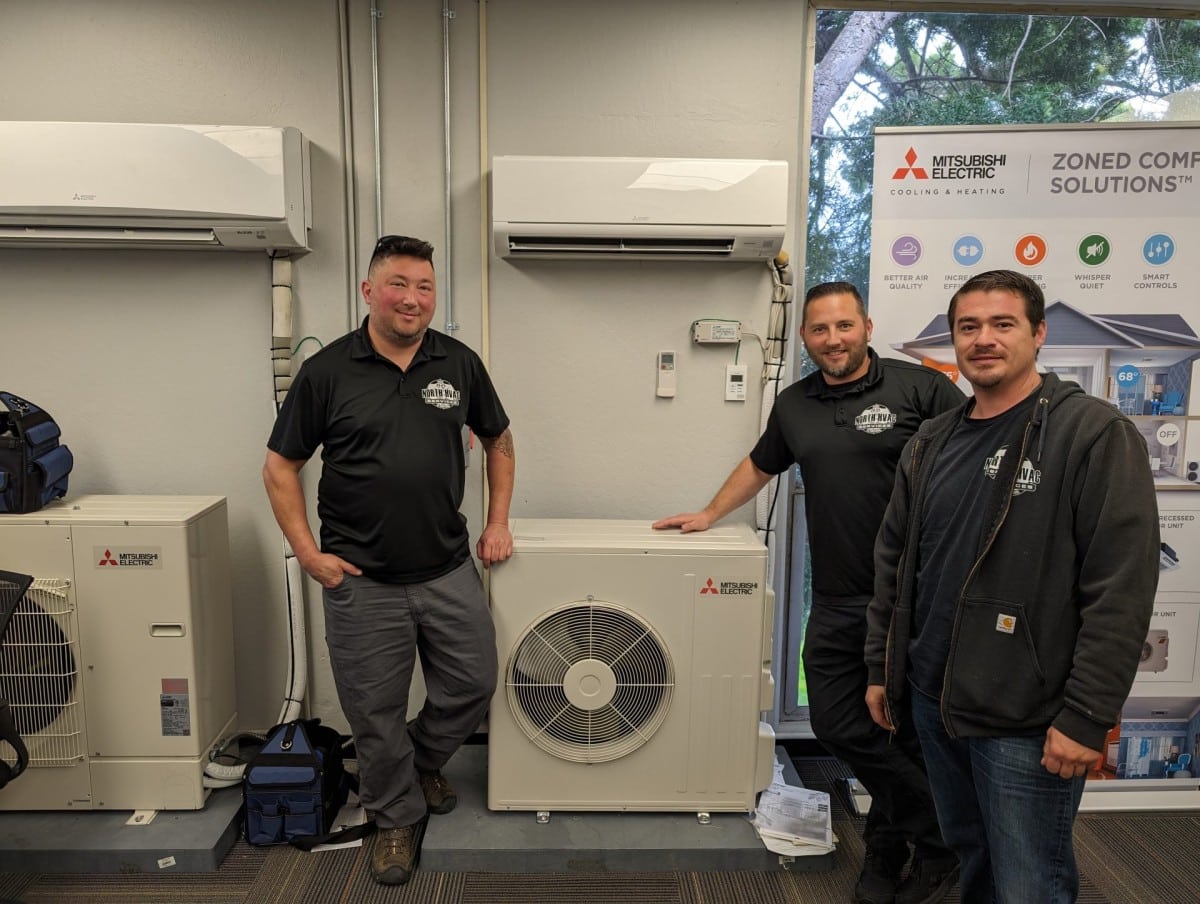
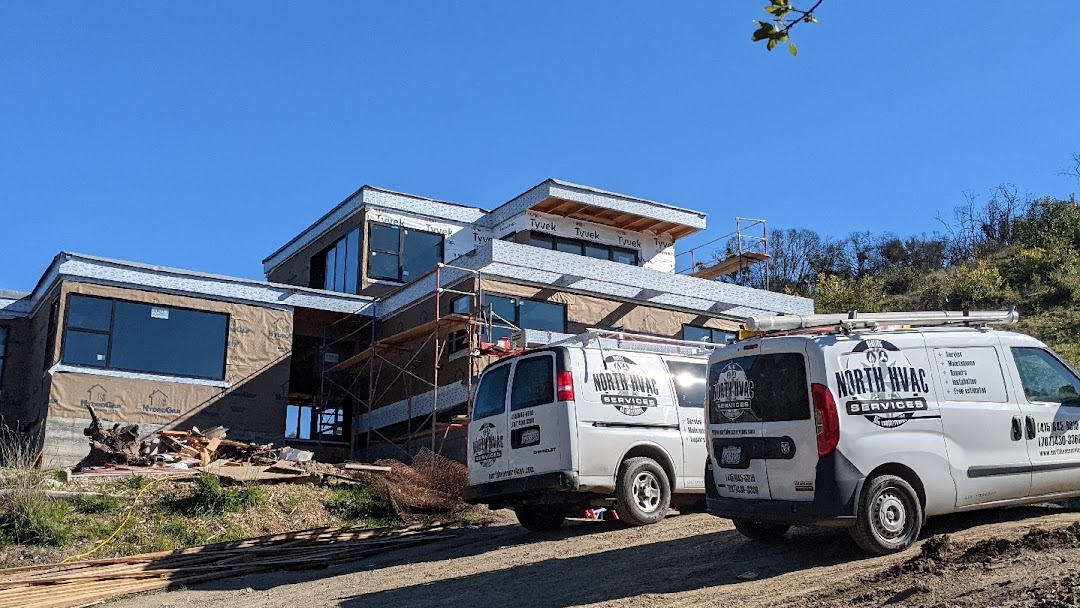
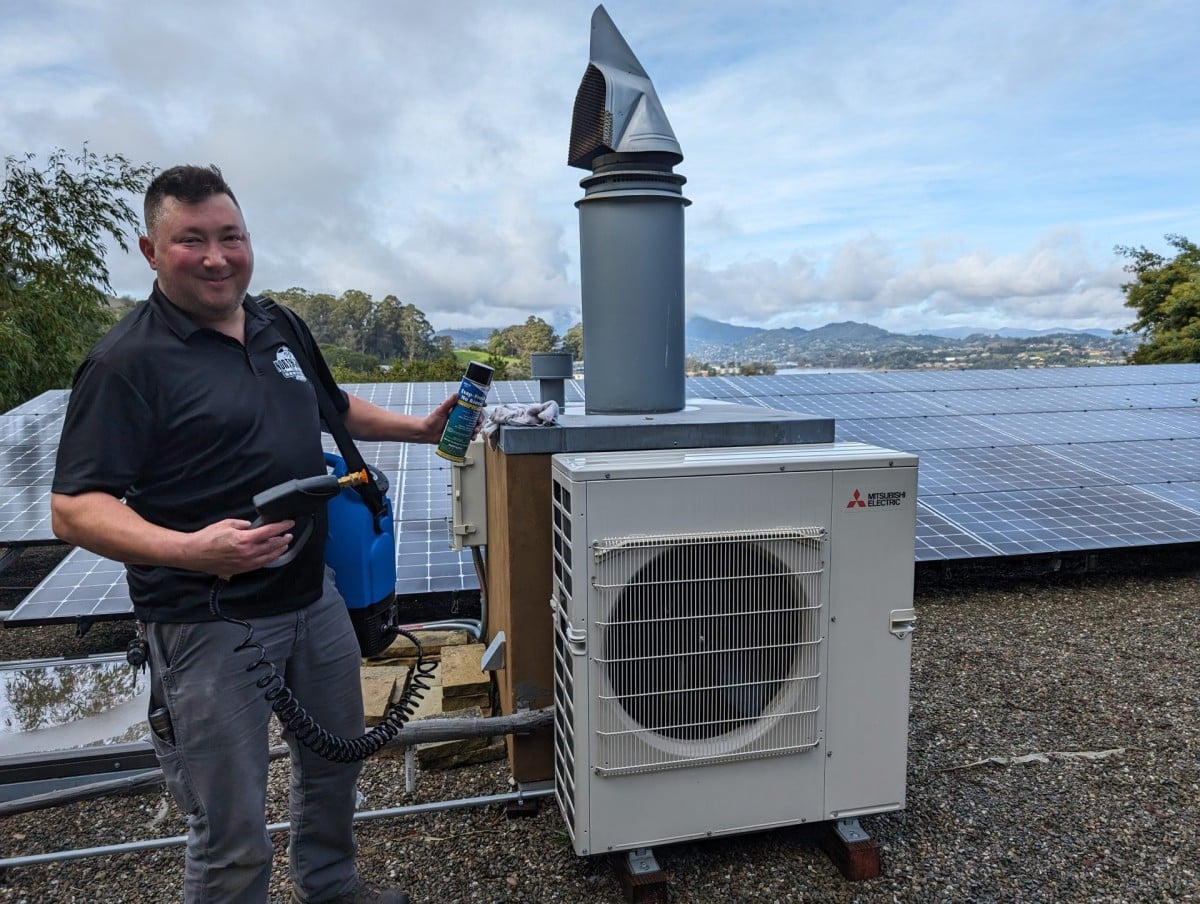
We’ve served Marin and Sonoma Counties since 1988 with EPA-certified technicians who use systematic diagnostic processes. As a Diamond Authorized Mitsubishi Dealer and Factory Authorized Trane & Day & Night Dealer, our AC repairs at North HVAC Services identify exactly what failed and whether repair or replacement makes better financial sense.
Call us today at (415) 845-6910 or email no***************@***il.com to schedule your winter air conditioning repair in Santa Rosa, CA.
That winter AC test run might be the smartest maintenance decision you make all year.