Jul 9, 2024 | HVAC
In the serene surroundings of Monte Rio, where towering redwoods meet the Russian River, the air feels refreshingly pure. However, when it comes to the air inside our homes, the situation can be quite different. Indoor air quality is a crucial factor that affects the health and well-being of your family. While the natural environment outside can be pristine, indoor air can harbor pollutants that impact your comfort and health.
Understanding the importance of indoor air quality and taking steps to improve it can make a significant difference in your family’s well-being. From reducing allergens to preventing respiratory issues, maintaining clean indoor air is vital. This guide will explore the impact of indoor air quality on your family’s health and provide practical solutions to ensure a healthier living space.
Why Indoor Air Quality Matters
Indoor air quality refers to the condition of the air within your home and how it affects the health of those living there. Poor indoor air quality can lead to a range of health problems, from mild discomfort to serious respiratory conditions. In Monte Rio, where the climate can be damp and cool, maintaining good air quality is essential to prevent mold growth and other air quality issues.
Health Implications
Indoor air pollutants, such as dust mites, pet dander, mold spores, and volatile organic compounds (VOCs), can aggravate allergies and asthma. For families with young children, elderly members, or individuals with preexisting health conditions, the stakes are even higher. Poor indoor air quality can lead to symptoms such as coughing, sneezing, eye irritation, and fatigue.
- Allergies and Asthma: Dust mites, pet dander, and pollen can trigger allergic reactions and asthma attacks, making it difficult for affected individuals to breathe easily.
- Respiratory Infections: Prolonged exposure to poor air quality can increase the risk of respiratory infections, particularly in children and the elderly.
- Long-term Health Effects: Continuous exposure to VOCs and other pollutants can contribute to chronic respiratory diseases and even cardiovascular problems.
Comfort and Productivity
Beyond health, indoor air quality affects the overall comfort and productivity of your household. Poor air quality can lead to discomfort, headaches, and a lack of focus. For those who work from home or have children studying, maintaining a clean and healthy indoor environment is essential for optimal performance.
Identifying Indoor Air Quality Issues
Before implementing solutions, it’s important to identify the specific air quality issues present in your home. There are several signs and symptoms that can help you determine if your indoor air quality needs improvement.
Common Indicators
- Persistent Odors: If you notice lingering odors from cooking, pets, or cleaning products, it could indicate poor ventilation and trapped pollutants.
- Frequent Dust Accumulation: Excessive dust buildup on surfaces and in air vents can signal inadequate filtration and circulation.
- Mold Growth: Visible mold or a musty smell often indicates moisture problems and poor air circulation, which can degrade air quality.
Assessing Your HVAC System
Your home’s HVAC system plays a crucial role in maintaining indoor air quality. Regular furnace maintenance and safety checks are essential to ensure your system is not contributing to air quality problems. A well-maintained system can effectively filter out pollutants and circulate clean air throughout your home.
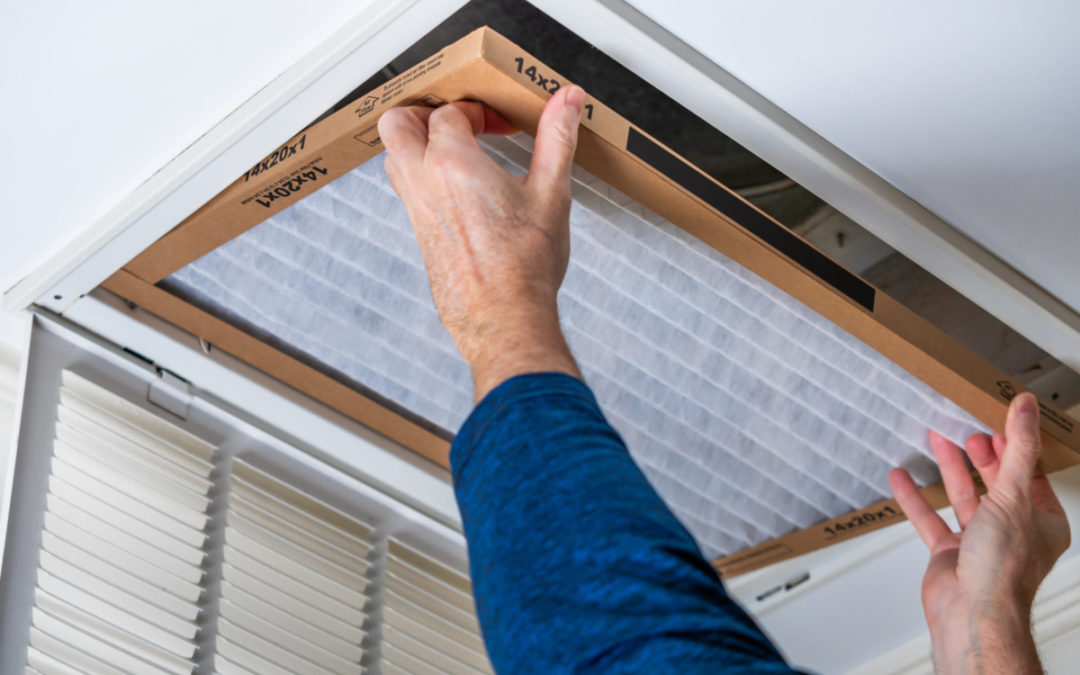
- Check HVAC Air Filters: Dirty or clogged filters can reduce airflow and allow pollutants to circulate. Consider upgrading to high-efficiency HVAC air filters for better filtration.
- Schedule Regular Inspections: Regular furnace maintenance and safety checks can help identify any issues that may be affecting your indoor air quality.
Effective Solutions for Improving Indoor Air Quality
Once you have identified the issues affecting your indoor air quality, it’s time to implement solutions that will create a healthier living environment for your family.
Air Purification Systems
Installing air purification systems can effectively remove pollutants from your home. These systems use advanced filtration technology to capture particles as small as allergens and bacteria, significantly improving the air you breathe.
- HEPA Filters: High-Efficiency Particulate Air (HEPA) filters are designed to trap 99.97% of airborne particles, providing an effective barrier against dust, pollen, and other allergens.
- UV Air Purifiers: UV purifiers use ultraviolet light to destroy bacteria and viruses, enhancing your home’s overall air quality.
Whole-Home Air Quality Solutions
For comprehensive improvement, consider implementing whole-home air quality solutions. These systems work seamlessly with your existing HVAC system to provide consistent air quality throughout your home.
- Ventilation Systems: Proper ventilation is crucial in reducing humidity and preventing mold growth. A well-designed system can improve air circulation and expel pollutants.
- Dehumidifiers: Reducing excess moisture in the air can prevent mold and mildew growth, enhancing indoor air quality.
Regular HVAC Maintenance
Ensuring your HVAC system is functioning optimally is key to maintaining good indoor air quality. Scheduling regular air conditioning maintenance and tune-ups can prevent issues such as ac not cooling and ensure efficient operation.
- Furnace Troubleshooting: Addressing any issues with your heating system promptly can prevent pollutants from circulating in your home.
- AC Repair Service: If your air conditioning system is not functioning correctly, an ac repair service can restore its efficiency and improve indoor air quality.
Creating a Healthier Home Environment
Improving indoor air quality in your Monte Rio home is an investment in your family’s health and comfort. By understanding the impact of indoor air quality, identifying potential issues, and implementing effective solutions, you can create a healthier living space for everyone.
North HVAC Services is here to help you achieve the best possible indoor air quality. Our team of professionals offers a range of services, from professional furnace installation to whole-home air quality solutions, ensuring your home is a safe and comfortable haven. Contact us today to learn more about how we can assist you in improving your home’s air quality and enhancing your family’s well-being.
Jul 8, 2024 | HVAC
Living in Fountaingrove, you understand the importance of a reliable heating unit as temperatures drop. However, like any mechanical system, heating units can face issues that disrupt their performance. Recognizing common problems early can help maintain comfort in your home while avoiding more significant issues down the line.
Understanding Common Heating Unit Issues
Heating units can face various problems, each affecting their efficiency and your home’s comfort. Understanding these common issues can help you identify when you need professional assistance. Let’s explore some of the most frequent problems encountered by homeowners in Fountaingrove.
Inconsistent Heating
One of the most frustrating issues homeowners face is inconsistent heating, where some rooms are warm while others remain cold. This problem can result from several factors:
- Blocked Vents: Ensure that furniture or drapes aren’t obstructing the airflow from vents. This blockage can create uneven heating distribution.
- Thermostat Issues: A malfunctioning thermostat may not accurately gauge the temperature, leading to uneven heating. Regular hvac troubleshooting can help identify and resolve these issues.
- Improperly Sized Unit: If your heating unit is not appropriately sized for your home, it can lead to uneven heating. An hvac system evaluation can help determine if your unit fits your home’s needs.
Inconsistent heating often requires a comprehensive system performance check to diagnose the issue accurately. Engaging in professional heating repair services can ensure that your system is functioning optimally.
Frequent Cycling
Another common issue is when a heating unit cycles on and off more frequently than usual. This behavior, known as short cycling, can stem from various underlying problems:
- Overheating: If the unit overheats, it may shut off to prevent damage. This can be caused by clogged filters or blocked vents, which restrict airflow.
- Thermostat Location: If the thermostat is located in a spot that doesn’t accurately reflect the home’s average temperature, such as near a drafty window, it can cause frequent cycling.
- Faulty Components: Issues with the blower motor or heat exchanger can also lead to short cycling.
Addressing frequent cycling usually requires an hvac system diagnostics approach to pinpoint and resolve the root cause. Regular reliable furnace maintenance can help prevent short cycling by keeping all components in good working order.
Unusual Noises
No one wants their heating unit to become a source of disruptive noise. Unusual sounds often indicate a problem that needs attention:
- Banging or Clanking: These noises might suggest loose or broken components within the system, such as a loose blower wheel or motor mounts.
- Whistling: A high-pitched whistle often indicates restricted airflow, which could be due to a dirty filter or closed vents.
- Squealing: This noise may result from a worn-out belt or bearings that need lubrication.
Ignoring these sounds can lead to more severe damage over time. Scheduling heat pump maintenance or heat pump repair can help address these issues promptly.
High Energy Bills
If you notice a sudden spike in your energy bills, your heating system might be to blame. Several factors can contribute to increased energy consumption:
- Inefficient System: Older systems or those needing repair can consume more energy than necessary. Consider an efficient furnace installation or upgrade heating system to improve efficiency.
- Poor Insulation: If your home isn’t well-insulated, your heating unit has to work harder to maintain a comfortable temperature.
- Lack of Maintenance: Without regular heat pump tune-up, your system can become less efficient over time.
To tackle high energy bills, consider energy-efficient heating upgrades. Options like all-electric home heating and cooling systems or ducted heat pump installation can significantly enhance your home’s energy efficiency.
Steps to Prevent Heating Unit Problems
Preventive measures are crucial to avoid common heating unit issues. By taking proactive steps, you can ensure your system runs smoothly and efficiently, minimizing the risk of unexpected breakdowns.
Regular Maintenance
Routine maintenance is key to preventing many heating unit problems. It involves a series of checks and services that keep your system in top shape:
- Change Filters Regularly: Dirty filters can restrict airflow and cause your system to work harder, leading to potential damage.
- Schedule Annual Inspections: An annual hvac system diagnostics can catch potential issues early before they become significant problems.
- Check Thermostat Settings: Ensure your thermostat is set correctly and functioning properly to maintain consistent temperature control.
Engaging in regular heat pump services is a wise investment in maintaining your system’s longevity and efficiency.
Upgrade and Retrofit Options
In some cases, upgrading or retrofitting your heating system can prevent ongoing issues and improve efficiency:
- Consider Heat Pump Options: Heat pump efficiency can offer a cost-effective and energy-efficient solution for many homes.
- All-Electric Systems: An all electric home systems approach reduces reliance on fossil fuels and can be more environmentally friendly.
- Smart Thermostats: Investing in a smart thermostat can improve temperature control and reduce energy consumption.
Consulting with North HVAC Services for ducted heat pump systems or other electric heating solutions can guide you in choosing the best upgrade for your home.
Conclusion
Understanding and addressing common heating unit issues in Fountaingrove can help you maintain a comfortable and efficient home environment. Regular maintenance, timely repairs, and strategic upgrades play crucial roles in preventing problems and enhancing performance. If you’re experiencing any of these issues, contact North HVAC Services for expert advice and solutions tailored to your needs. Our team is committed to ensuring your heating system runs smoothly all season long.
Jul 5, 2024 | HVAC
Living in Bodega Bay, CA, offers unique coastal charm and a temperate climate, making it an ideal place for homeowners who appreciate the blend of sea breezes and serene landscapes. However, maintaining comfort in your home goes beyond just having a beautiful view. Proper ductwork is crucial to ensuring that your heating and cooling systems operate efficiently, keeping your home comfortable throughout the year.
At North HVAC Services, we understand that well-maintained ductwork is key to maximizing your home’s comfort. In this article, we will explore the importance of ductwork repair, how it impacts your HVAC system, and what you can do to ensure your ductwork is in top condition.
Understanding the Importance of Ductwork
Ductwork is a vital component of your home’s HVAC system. It serves as the pathway for conditioned air to travel from your heating or cooling unit to various rooms. When ductwork is compromised due to leaks, blockages, or poor installation, it can lead to inefficient system performance, increased energy bills, and uneven temperatures throughout your home.
Common Ductwork Issues
Several problems can affect the efficiency of your ductwork:
- Leaks: Even small leaks can cause significant energy loss. As conditioned air escapes, your system works harder to maintain the desired temperature.
- Blockages: Dust, debris, and even pests can block ducts, reducing airflow and decreasing system efficiency.
- Poor Insulation: Inadequate insulation can lead to temperature loss, particularly in unconditioned spaces like attics or crawl spaces.
- Improper Installation: Incorrectly installed ductwork can cause airflow issues and strain on your HVAC system.
Addressing these issues promptly can prevent more significant problems down the line and improve your system’s overall performance.
Improving Home Comfort with Ductwork Repair
Repairing and maintaining your ductwork is essential for maximizing comfort in your Bodega Bay home. Here are some ways ductwork repair can enhance your living environment:
Enhanced System Efficiency
When ductwork is in good condition, your HVAC system doesn’t have to work as hard to maintain the desired temperature. This efficiency translates to lower energy bills and a reduced carbon footprint. Imagine having a heating system repair only to find that the root of the inefficiency lies in leaky ducts. By investing in proper ductwork repair, you ensure that every part of your system, from the furnace to the ducts, is working in harmony.
Improved Air Quality
Leaky or damaged ductwork can allow contaminants like dust, pollen, and mold spores to enter your home, impacting indoor air quality. By sealing leaks and cleaning ducts, you can significantly reduce these pollutants. This improvement is crucial, especially if you or your family members suffer from allergies or respiratory issues. Complement your ductwork improvements with air purification systems or hvac air filters to further enhance the air quality in your home.
Consistent Temperature Control
One of the most noticeable benefits of proper ductwork is consistent temperature control. Without obstructions or leaks, air can flow evenly into each room, eliminating cold spots in winter and warm spots in summer. This uniformity ensures every room in your home is comfortable, regardless of the season.
Steps to Repair and Maintain Ductwork
Maintaining your ductwork involves a series of steps that ensure long-term efficiency and comfort. Here’s how you can take care of your duct system:
Professional Inspection
Start with a professional inspection to identify any issues with your ductwork. North HVAC Services offers comprehensive evaluations to pinpoint leaks, blockages, or other concerns. Our experts will provide you with a detailed report and recommend the best course of action. This proactive approach can save you from unnecessary emergency furnace repair or ac repair service in the future.
Sealing Leaks
Once leaks are identified, sealing them is crucial. Professionals use specialized materials to ensure airtight seals that prevent air loss. This step not only improves efficiency but also contributes to better indoor air quality.
Cleaning Ducts
Regular cleaning of your ductwork removes dust and debris that can accumulate over time. This cleaning helps maintain optimal airflow and reduces strain on your HVAC system. Incorporating this into your regular home maintenance routine can prevent many common issues associated with clogged ducts.
Insulating Ducts
In areas where ducts run through unconditioned spaces, adding insulation can prevent energy loss. Proper insulation is particularly important in Bodega Bay, where temperature fluctuations can be frequent. This step ensures that your heating and cooling efforts are not wasted.
The Role of Regular HVAC Maintenance
While ductwork repair is essential, regular HVAC maintenance also plays a significant role in the overall performance of your system. Services such as ac maintenance and tune-ups are vital to keep your system running smoothly and efficiently.
Scheduling Regular Maintenance
Routine air conditioning maintenance and tune-ups help identify potential issues before they become significant problems. By performing regular checks, you can avoid unexpected breakdowns and extend the life of your HVAC system. Think of it as a simple investment that pays off by reducing the need for emergency furnace repair or ac troubleshooting.
Upgrading System Components
As part of your maintenance routine, consider upgrading certain components of your system. For instance, air filtration upgrades can significantly enhance your indoor air quality. Additionally, if your system is outdated, exploring options like a new ac system or ductless mini split service might offer better efficiency and comfort.
Conclusion: Taking Action for Comfort
Maximizing your home’s comfort in Bodega Bay starts with ensuring that your ductwork is in optimal condition. By addressing issues early and maintaining your HVAC system regularly, you can enjoy consistent temperatures, improved air quality, and lower energy bills.
At North HVAC Services, we are committed to helping you achieve the highest level of comfort in your home. Whether you need ductwork repair, heat pump troubleshooting, or assistance with air conditioning installation and replacement, our team is ready to provide expert guidance and service. Contact us today to learn more about our comprehensive HVAC solutions and how we can help enhance your home’s comfort and efficiency.

Jul 4, 2024 | HVAC
As a homeowner in Bodega, you’re likely familiar with the unique challenges of maintaining a comfortable indoor temperature throughout the year. With fluctuating weather conditions, particularly during the chilly months, heating costs can become a significant burden. Fortunately, there are effective strategies to help you maximize your heating system’s efficiency and reduce expenses. In this guide, we’ll explore practical tips and insights to help you achieve a warm and cost-effective home environment.
Understand Your Heating System
To make significant improvements in your heating efficiency, it’s essential to start by understanding the type of heating system you have and how it operates. Whether it’s a furnace, heat pump, or a more modern system, knowing its intricacies will help you identify areas for improvement.
Identify Your System Type
Begin by determining if your home uses a furnace, heat pump, or an all-electric system. Each type has distinct characteristics:
- Furnaces: Common in many homes, furnaces operate by heating air and distributing it through ducts.
- Heat Pumps: These systems transfer heat rather than generate it, making them efficient for moderate climates.
- All-Electric Systems: These systems rely entirely on electricity for heating and cooling, offering a cleaner energy option.
If you’re unsure about your system, consider an hvac system evaluation from North HVAC Services to get a clearer picture. This step is crucial before making any upgrades or changes.
Regular Maintenance Checks
Routine maintenance is key to ensuring your heating system operates at peak efficiency. Regular furnace maintenance should be scheduled to prevent unexpected breakdowns and costly repairs. During these checks, technicians can perform hvac troubleshooting to identify potential issues early. Additionally, scheduling heat pump maintenance ensures the system runs smoothly, reducing wear and tear.
Enhance Insulation and Sealing
Even the most efficient heating system can struggle if your home isn’t properly insulated. Ensuring that your home retains heat is one of the simplest yet most impactful ways to reduce heating costs.
Inspect and Improve Insulation
Check your home’s insulation, particularly in the attic, walls, and floors. Inadequate insulation is a common culprit for heat loss. Adding or upgrading insulation can significantly reduce your heating bills. For example, adding insulation to your attic can save you up to 15% on heating costs.
Seal Drafts and Leaks
Drafts around windows, doors, and other openings can lead to significant heat loss. Use weather stripping and caulking to seal these areas. A simple draft stopper at the base of a door can also make a difference. Consider having a system performance check to ensure all potential leaks are identified and sealed.
Optimize Thermostat Settings
Your thermostat settings play a pivotal role in managing heating costs. Small adjustments can lead to substantial savings without compromising comfort.
Use a Programmable Thermostat
Investing in a programmable thermostat allows you to set specific temperatures for different times of the day. For instance, lowering the temperature by 10-15 degrees while you’re asleep or away can save around 10% on your heating bill. If you don’t have one yet, consider an efficient furnace installation that includes a modern thermostat.
Set Optimal Temperatures
Find the lowest comfortable temperature for your household and stick to it. Typically, setting the thermostat to 68°F while you’re home and lowering it when you’re away can provide a good balance between comfort and savings.
Consider Energy-Efficient Upgrades
Sometimes, the best way to lower heating costs is to upgrade your system. While this requires an initial investment, the long-term savings can be substantial.
Upgrade to a High-Efficiency Furnace or Heat Pump
If your current system is over 15 years old, it might be time to consider an upgrade heating system. Modern systems are significantly more efficient, reducing energy consumption and costs. For example, ducted heat pump installation is an excellent choice for those looking to improve efficiency and reduce environmental impact.
Explore All-Electric Options
Switching to all-electric home heating and cooling systems can be a smart move, especially in areas like Bodega where electricity is more environmentally friendly. These systems offer consistent heating and cooling, often with lower operational costs compared to traditional systems.
Leverage Professional Services
While DIY solutions are beneficial, professional expertise is invaluable for maximizing heating efficiency. Engaging with experts ensures your system is in top condition and operating efficiently.
Schedule Professional System Evaluations
Regular professional heating repair and hvac system diagnostics can identify inefficiencies and suggest cost-effective solutions. North HVAC Services offers comprehensive evaluations to help you understand your system’s current state and potential improvements.
Utilize Specialized Heat Pump Services
If you use a heat pump, professional heat pump services such as heat pump repair and heat pump tune-up are essential. Regular servicing can extend the lifespan of your equipment and ensure it operates efficiently throughout the year.
Conclusion
Maximizing heating efficiency in your Bodega home requires a combination of understanding your system, making strategic upgrades, and leveraging professional services. By taking these steps, you can enjoy a warm and comfortable home without the stress of high energy bills. For tailored advice or to schedule a service, reach out to North HVAC Services today. Our team is here to help you achieve optimal comfort and efficiency in your home.
Jul 4, 2024 | HVAC
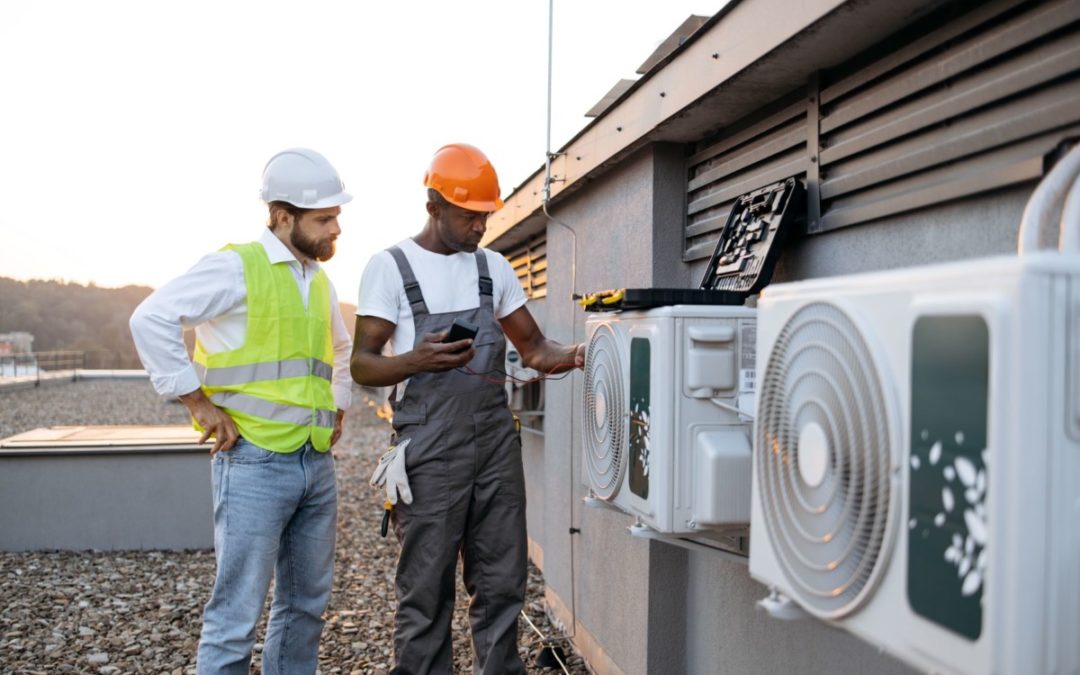
Upgrading to a high-efficiency HVAC system is a significant decision that can greatly impact your home’s comfort, energy consumption, and overall costs. As energy prices continue to rise, many homeowners in Marin and Sonoma counties are considering this upgrade to ensure long-term savings and a more comfortable living environment. Understanding the benefits and the steps involved in such an upgrade is crucial for making an informed decision.
Understanding High-Efficiency HVAC Systems
High-efficiency HVAC systems are designed to provide superior heating and cooling performance while minimizing energy use. These systems often feature advanced technology that allows them to operate more quietly and efficiently than older models. But what exactly makes an HVAC system high-efficiency?
Features of High-Efficiency Systems
High-efficiency systems typically include features such as variable speed motors, which adjust to the needs of your home more precisely. This means they consume less energy by running at lower speeds when full capacity is not needed. Additionally, they often have two-stage or modulating heat functions, providing more consistent temperatures and reducing energy wastage.
- Variable Speed Motors: Adapt to the exact heating and cooling needs, improving efficiency.
- Two-Stage Heating: Provides a more even temperature throughout your home.
- Improved Air Filtration: Enhances indoor air quality by removing more pollutants.
These systems not only lower energy bills but also contribute to a smaller carbon footprint, making them a responsible choice for environmentally-conscious homeowners.
Real-World Scenario: Energy Savings
Consider a family in Sonoma County with an outdated furnace that results in high utility bills during the winter. By upgrading to a high efficiency furnace, they could see a significant reduction in their energy costs. Many homeowners report savings of up to 20% on their monthly bills, which quickly adds up over time. Plus, with local rebates and incentives, the initial investment in a high-efficiency system can be more affordable than you might think.
Benefits of Upgrading to High-Efficiency HVAC
Upgrading to a high-efficiency HVAC system offers numerous benefits beyond energy savings. These systems are designed to improve overall comfort, air quality, and even the longevity of the equipment.
Enhanced Comfort and Air Quality
High-efficiency systems provide more consistent temperature control throughout your home. Unlike older systems that may struggle to maintain a steady temperature, these modern units adjust output to meet the demands of your space efficiently.
- Consistent Temperatures: Eliminate hot and cold spots in your home.
- Better Humidity Control: Prevents the air from becoming too dry or too humid.
- Improved Filtration: Captures more dust, pollen, and other allergens.
For instance, during Marin’s cold winters, a high efficiency furnace ensures your home remains warm without the excessive energy use associated with older models.
Long-Term Cost Savings
While the upfront cost of a high-efficiency HVAC system may be higher, the long-term savings on energy bills and reduced maintenance costs often justify the investment. Many homeowners find that the savings on utility bills alone can offset the initial cost within a few years.
Additionally, these systems often qualify for rebates and incentives, further reducing the financial burden. Regular furnace safety checks and proper heating system upkeep can extend the life of your new system, ensuring you get the most value from your investment.
For example, a homeowner who schedules regular HVAC system checkup and annual furnace inspection can prevent small issues from turning into costly repairs, maximizing the system’s lifespan and efficiency.
Steps to Upgrade Your HVAC System
Upgrading to a high-efficiency HVAC system involves several steps, from initial assessment to final installation. Understanding each step can help ensure a smooth transition and optimal results.
Initial Assessment and Planning
The first step in upgrading your HVAC system is to assess your current setup and determine your specific needs. This often involves a professional evaluation to understand your home’s heating and cooling requirements and identify the best system for your space.
- Home Energy Audit: Assesses current energy usage and identifies areas for improvement.
- Load Calculation: Ensures the new system is properly sized for your home.
For example, an AC sizing guide can help determine the appropriate size of the unit needed for efficient cooling in the summer months.
Choosing the Right System
Once you have a clear understanding of your needs, the next step is to choose the right high-efficiency system. This decision should consider factors such as the system’s efficiency rating, cost, and compatibility with your home’s existing infrastructure.
Working with a trusted provider like North HVAC Services can help simplify this process. Their expertise in furnace replacement and high efficiency furnace installation ensures you get a system that meets your needs and budget.
Professional Installation
Proper installation is crucial to the performance and longevity of your new HVAC system. A professional installation ensures that all components are correctly set up and that the system operates at peak efficiency.
During the installation, technicians will also perform important tasks such as ductwork inspection and adjustment, ensuring that your home’s air distribution is optimal.
Moreover, scheduling regular HVAC tune-up services post-installation ensures that your system continues to operate efficiently throughout its lifespan, providing peace of mind for years to come.
Maintaining Your High-Efficiency HVAC System
After installing a high-efficiency HVAC system, maintaining it properly is key to reaping its full benefits. Regular maintenance not only extends the life of your system but also ensures it operates at peak efficiency.
Regular Maintenance and Inspections
Consistent maintenance is essential for any HVAC system. Regular furnace safety checks and heating system upkeep help catch potential issues early, preventing costly repairs and ensuring the system runs smoothly.
- Seasonal Checkups: Ensure the system is ready for both summer and winter demands.
- Filter Changes: Regularly replace air filters to maintain air quality and system efficiency.
For instance, during spring AC maintenance, technicians can ensure your air conditioning is in top shape before the hot summer months arrive.
Long-Term Care Strategies
Consider enrolling in an HVAC maintenance plan that includes regular inspections and tune-ups. Such plans can offer peace of mind, knowing that your system is being looked after by professionals.
North HVAC Services provides comprehensive ac tune-up services and seasonal AC maintenance, helping you avoid unexpected breakdowns and extend the life of your system.
By following these strategies and working with professional services, you can ensure that your high-efficiency HVAC system remains a reliable and cost-effective solution for your home.
Making the Upgrade
Upgrading to a high-efficiency HVAC system is a worthwhile investment that can lead to significant savings, improved comfort, and enhanced air quality in your home. By understanding the benefits and following the necessary steps for installation and maintenance, you can enjoy the peace of mind that comes with a reliable, efficient system.
Contact North HVAC Services to learn more about high-efficiency systems and how they can benefit your home. With our expertise, you can ensure that your upgrade is seamless and that your home remains comfortable year-round.

Jul 3, 2024 | HVAC
In Kiwanis Springs, the chill of winter is no stranger to homeowners. As temperatures drop, the reliance on home heating systems becomes paramount. Yet, many wait until the first frostbite warning to consider their furnace’s health. At North HVAC Services, we believe in the power of proactive maintenance. Investing in regular furnace care not only saves money but also spares you the stress of emergency repairs during the coldest months.
The Importance of Regular Furnace Maintenance
Proactive furnace maintenance is more than just a seasonal chore—it’s a commitment to home comfort and safety. Imagine waking up on a frosty morning only to discover your heating system has failed. This scenario is all too common for those who neglect regular upkeep.
Annual furnace inspection ensures your system runs efficiently and safely. These checks can identify potential issues before they become costly problems. For instance, a small crack in the heat exchanger might seem insignificant but can lead to dangerous carbon monoxide leaks if left unchecked. By scheduling regular furnace safety checks, you not only extend the life of your furnace but also protect your family from potential hazards.
- Cost Savings: Regular maintenance can reduce energy bills by ensuring your system is running at optimal efficiency.
- Safety: Technicians can detect issues like gas leaks or faulty wiring that could pose risks.
- Longevity: Well-maintained furnaces last longer, delaying the need for a furnace replacement.
Consider a local Kiwanis Springs resident who opted for annual maintenance. During a routine check, the technician discovered a failing blower motor. By addressing this early, they avoided the inconvenience and expense of a complete system breakdown.
Preventing Costly Repairs with Proactive Upkeep
Delaying maintenance often leads to unexpected heating system repair needs. These emergency furnace repair calls typically come with a higher price tag, not to mention the discomfort of a cold home while you wait for service.
Heating system upkeep can prevent these scenarios. Regular checks can spot worn-out parts, allowing for a quick fix before they cause bigger issues. For example, a clogged filter might seem trivial, but it can lead to overheating and damage to the entire system.
Imagine the peace of mind knowing your furnace is prepared to handle the demands of winter. By addressing small issues through regular maintenance, you prevent them from escalating into significant problems. At North HVAC Services, our technicians are trained to fix furnace issues swiftly and effectively, minimizing downtime and ensuring your home remains a sanctuary of warmth.
Timing Your Furnace Maintenance for Maximum Benefit
The best time to schedule furnace maintenance is before the cold season begins. By planning an HVAC system checkup in the fall, you ensure your furnace is ready to perform when you need it most.
However, maintenance isn’t just a pre-winter task. Consider incorporating it into a broader HVAC maintenance plan that includes seasonal ac maintenance. This approach ensures your entire system, both heating and cooling, is in top condition year-round.
- Spring Check: After winter, inspect your furnace for any wear and tear.
- Fall Tune-Up: Prepare your system for the heating season with professional furnace safety checks.
- Year-Round Attention: Regular assessments keep your system efficient and reliable.
For instance, a Kiwanis Springs homeowner who embraced seasonal maintenance experienced fewer breakdowns and enjoyed more consistent indoor temperatures. Their proactive approach not only saved them money but also provided uninterrupted comfort.
The Long-Term Benefits of Proactive Maintenance
Investing in regular furnace maintenance pays dividends over time. It enhances the efficiency and reliability of your heating system, ensuring you get the most out of your investment.
Moreover, a well-maintained furnace reduces the likelihood of needing a furnace replacement. By maximizing the lifespan of your current system, you avoid the significant cost and inconvenience associated with new furnace installation.
Proactive maintenance also contributes to better indoor air quality. Clean filters and well-tuned components mean fewer allergens and pollutants circulate through your home, making the air healthier for you and your family.
Consider the case of a local business owner in Kiwanis Springs. By prioritizing commercial hvac service and maintenance, they ensured their establishment remained comfortable for both employees and customers, enhancing productivity and satisfaction.
Conclusion: Take Action Now for Peace of Mind
In Kiwanis Springs, where the winters can be unforgiving, proactive furnace maintenance is a wise investment. It saves money, reduces stress, and ensures your home remains a haven of comfort. By scheduling regular furnace safety checks and heating system upkeep with North HVAC Services, you protect your home and family from unexpected breakdowns and costly repairs.
Don’t wait until it’s too late. Embrace a proactive approach to your furnace care today, and enjoy the peace of mind that comes with knowing your home will stay warm and safe all winter long. Let North HVAC Services be your partner in maintaining the comfort and reliability of your heating system.