Spring represents the ideal window for air conditioning preparation in Santa Rosa, yet many homeowners delay servicing until temperatures spike. This timing difference often determines whether families enjoy uninterrupted cooling comfort or face emergency repair costs during Sonoma County’s hottest weeks.
Understanding when and how to service your cooling system can prevent the common scenario of discovering equipment failures on the year’s initial 90-degree day. North HVAC Services has observed consistent patterns in seasonal service demand that reveal why March and April appointments deliver better outcomes than waiting until summer arrives.
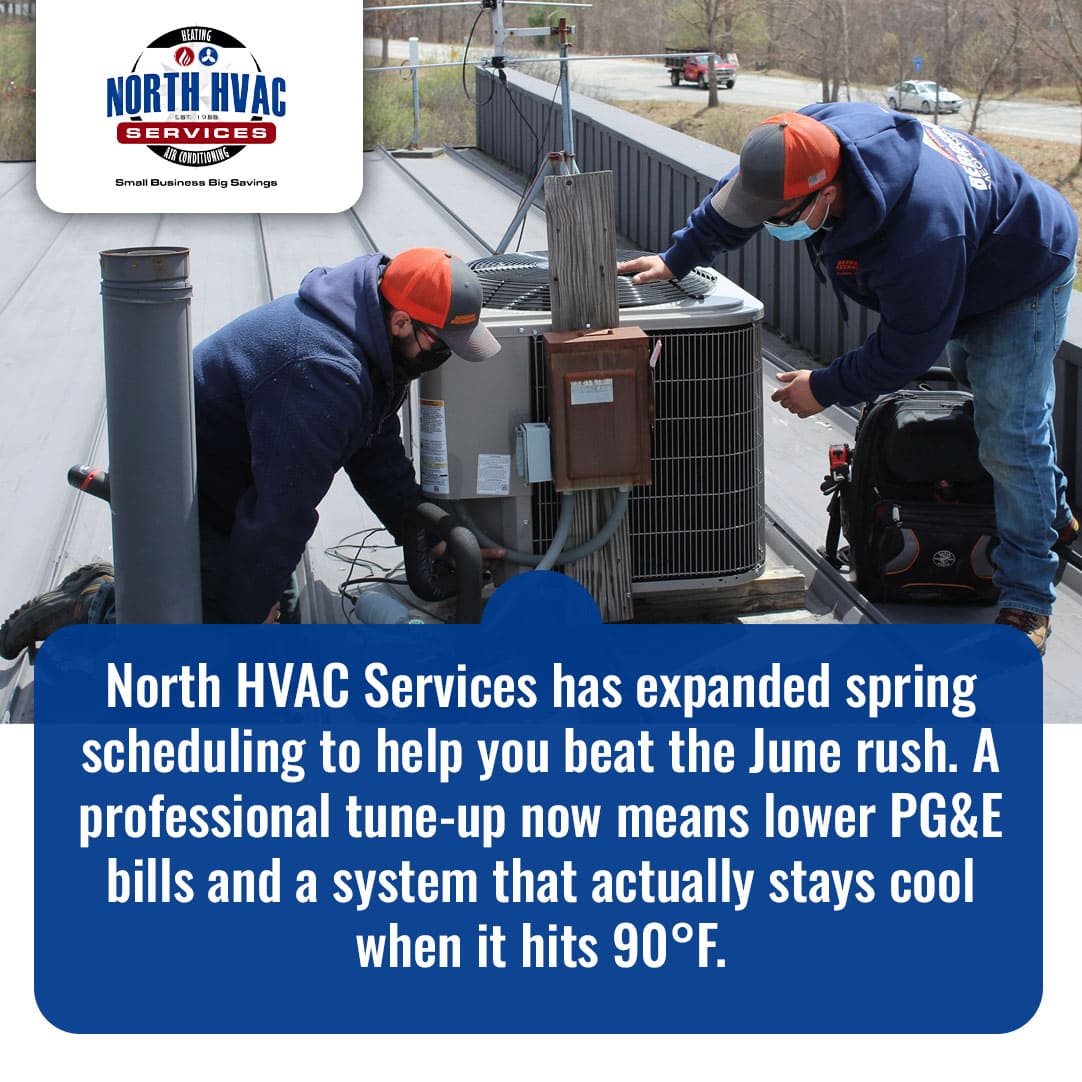
Why AC Maintenance Should Begin in March, Not June
The calendar matters more than homeowners realize when scheduling air conditioning service. Santa Rosa’s climate creates specific timing advantages that disappear once summer heat arrives.
Service Availability and Wait Times
March through early May represents the window when HVAC contractors maintain normal scheduling capacity. According to the U.S. Department of Energy‘s residential HVAC maintenance guidelines, preventive maintenance scheduled during off-peak periods allows for thorough inspections without the time pressures of emergency summer calls.
During the spring months, homeowners typically schedule appointments within 3-5 business days. By mid-June, that timeframe extends to 2-3 weeks as contractors work through backlogs of emergency calls. This delay means living without cooling during peak heat rather than addressing issues before they impact comfort.
Temperature Pattern Considerations
Historical climate data from Weather Spark for Santa Rosa shows the city typically reaches its first 85°F+ day between late April and mid-May. The first 90°F+ day usually occurs in late May or early June. Systems that haven’t operated for 6-8 months face higher failure rates during these initial startup cycles.
Equipment dormancy creates specific stresses. Refrigerant settles, lubricants thicken, and electrical components experience voltage surges after extended inactivity. Testing systems in March allows time to address these issues before they cause failures during actual cooling demand.
Parts and Supply Chain Factors
Spring service appointments benefit from full parts inventory at suppliers. Common components like capacitors, contactors, and fan motors are stocked at normal levels. Summer emergency repairs often require overnight shipping or multi-day waits for specialty parts, particularly for older system models.
What Professional Air Conditioner Maintenance Includes: The Complete 22-Point Inspection
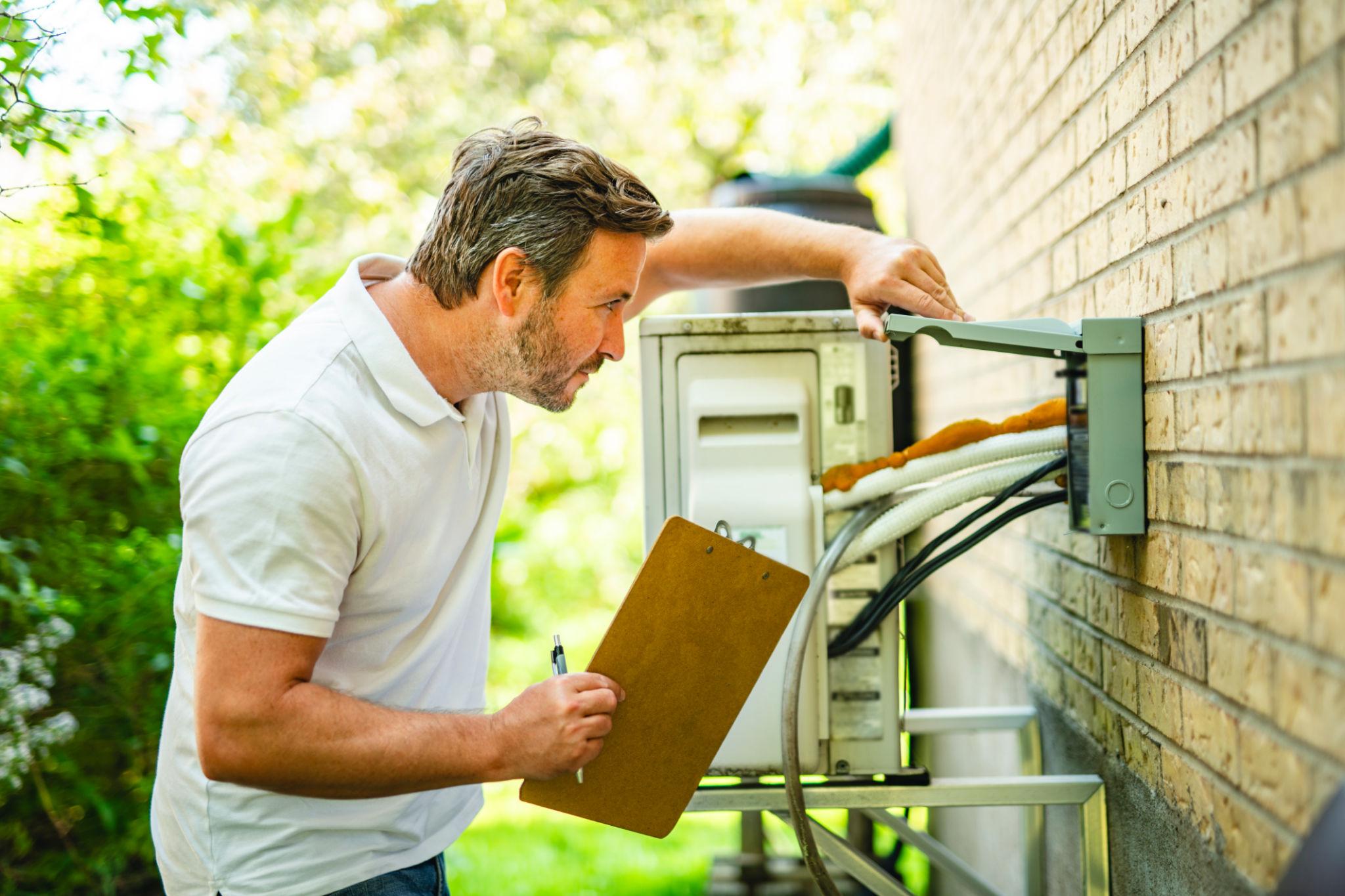
Thorough “AC service near me” searches should identify contractors who perform systematic evaluations rather than cursory checks. Professional AC maintenance involves specific measurements and tests that homeowners cannot replicate with basic tools. North HVAC Services technicians follow manufacturer-specific protocols for each system brand we service.
Refrigerant System Verification
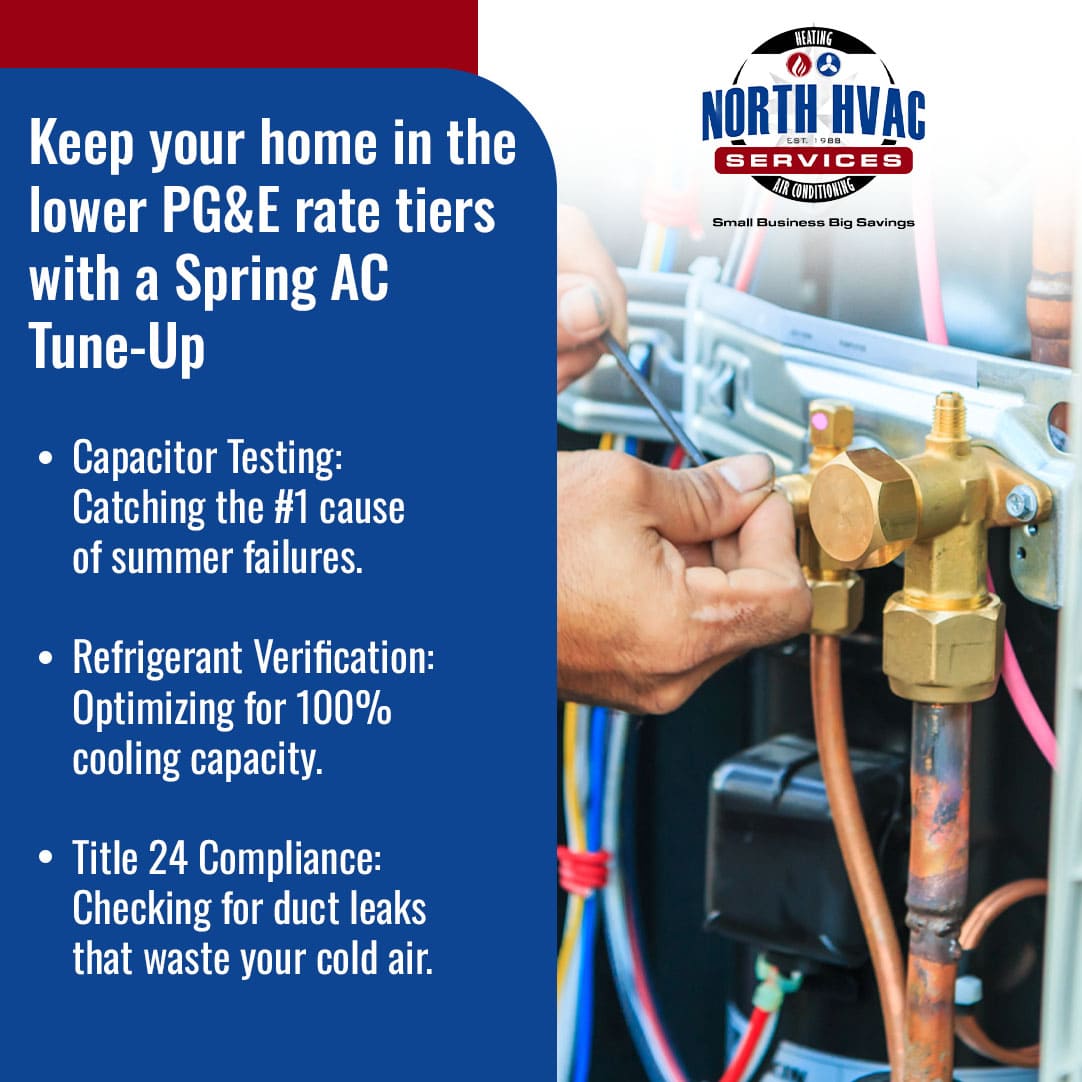
Technicians measure refrigerant charge using superheat and subcool calculations specific to each system’s design. Incorrect refrigerant levels reduce efficiency by 20% and accelerate compressor wear. This process requires specialized gauges and manufacturer specifications that vary by equipment brand and model.
Low refrigerant always indicates a leak, as systems are sealed and should never need “recharging” under normal operation. Professional service locates and repairs leaks rather than simply adding refrigerant that will leak out again.
Electrical Component Testing
Capacitors represent the most common failure point in air conditioning systems. These components provide starting and running voltage to motors but degrade over time regardless of usage. Testing reveals capacitance values before failures occur, preventing the $300-500 emergency service calls that result from capacitor-related breakdowns.
Contactors, relays, and wire connections undergo visual inspection and voltage testing. Pitted contactors or loose connections create resistance that generates heat, leading to component failures during high-demand periods.
| Component | Normal Service Interval | Failure Impact |
| Capacitors | 5-7 years | System won’t start or runs inefficiently |
| Contactors | 10-12 years | Prevents compressor operation |
| Condenser Fan Motor | 10-15 years | Overheating and compressor damage |
| Evaporator Coils | Clean annually | 30% efficiency loss when dirty |
Coil Cleaning and Airflow Measurement
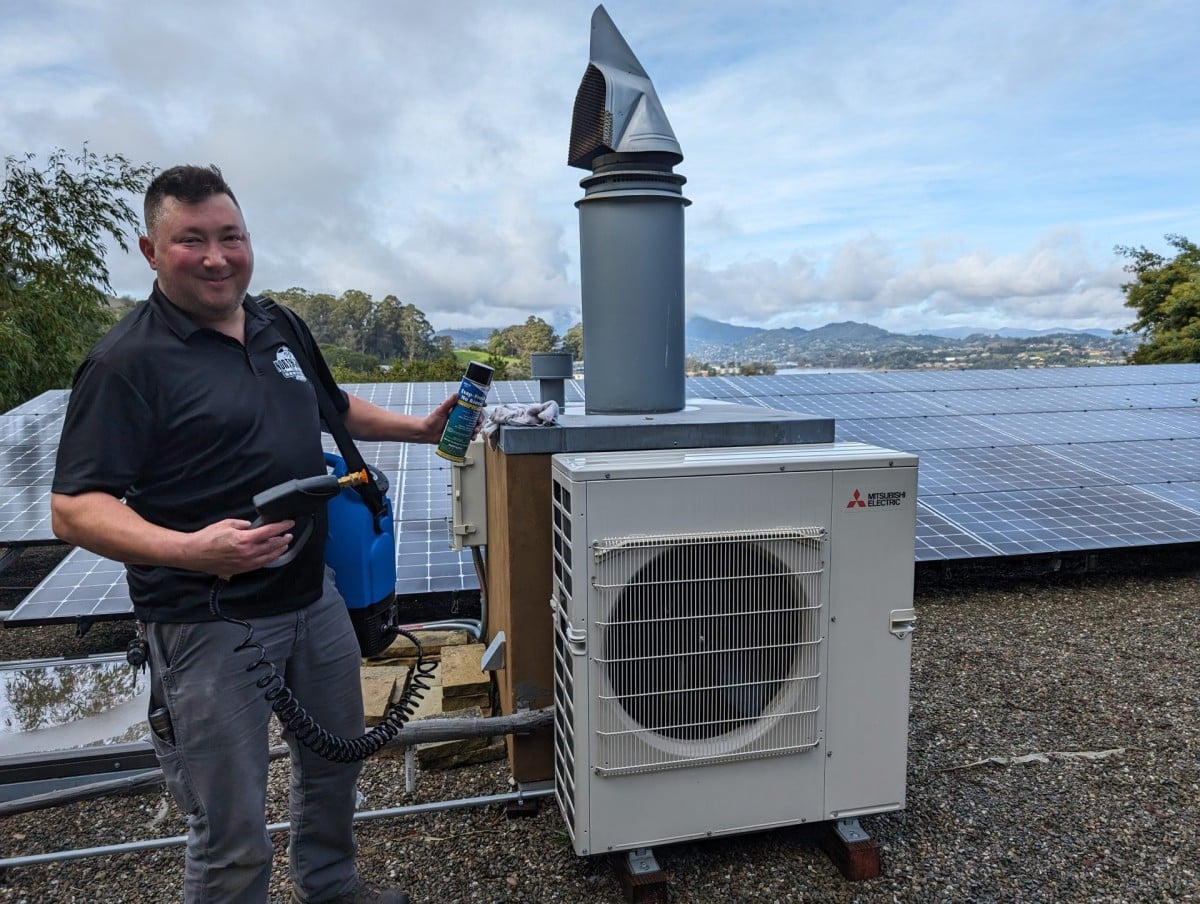
Both evaporator (indoor) and condenser (outdoor) coils require cleaning to maintain heat transfer efficiency. Dirty coils force systems to run longer cycles to achieve set temperatures, increasing energy consumption and component wear.
Airflow measurement across the evaporator coil verifies proper CFM (cubic feet per minute) delivery. Systems designed for 400 CFM per ton of cooling capacity but delivering only 300 CFM indicate ductwork restrictions, undersized returns, or blower issues requiring correction.
Thermostat Calibration and Documentation
Thermostat sensors drift over time, causing temperature discrepancies between displayed and actual room conditions. A thermostat reading 72°F while the actual temperature measures 75°F forces systems to short-cycle without achieving comfort.
Professional service includes documentation of all measurements: refrigerant pressures, electrical voltages, temperature differentials, and airflow readings. This baseline data allows future comparisons that identify developing problems before they cause failures.
Common Problems Found During Santa Rosa AC Repair Inspections
Spring inspections consistently reveal issues that would cause mid-summer breakdowns if left unaddressed. Understanding these patterns helps homeowners recognize warning signs earlier.
Capacitor Degradation
Capacitors fail more frequently than any other air conditioning component. These cylindrical components store electrical charge to start and run motors, but their capacitance degrades approximately 5-7% annually regardless of system usage.
When capacitance drops below equipment specifications, motors struggle to start or run inefficiently. This creates amperage draw increases that accelerate compressor wear and can cause complete motor failures requiring expensive replacements. North HVAC Services carries common capacitor sizes on every service vehicle to provide same-visit replacements when needed.
Refrigerant Leaks and System Impact
The Environmental Protection Agency regulates refrigerant handling through Section 608 regulations due to environmental concerns, but leaks also create significant cost implications for homeowners. Systems low on refrigerant run longer cycles, consume more energy, and risk compressor damage from inadequate cooling.
Older systems using R-22 refrigerant face particularly high repair costs, as this phased-out refrigerant now costs $80-150 per pound compared to $20-30 for newer R-410A. A system requiring 3-4 pounds of R-22 to recharge may cost more than replacing the entire unit with modern equipment.
Compressor Starting Issues
Compressors that show hard-start characteristics during spring testing typically fail within the first month of regular summer operation. This condition develops when internal components wear, requiring more starting torque than capacitors can provide.
Adding hard-start kits can extend compressor life temporarily, but these symptoms often indicate replacement should occur on the homeowner’s timeline rather than during an emergency situation when options and negotiating power decrease.
Condensate Drainage Problems
Air conditioner maintenance must address the water removal systems that prevent flooding. Evaporator coils remove humidity from indoor air, generating 5-20 gallons of water daily during summer operation. This condensate drains through pipes that can develop blockages from algae growth, debris, or installation issues.
Blocked drains cause water backups that damage ceilings, walls, and flooring. Secondary drain pans and safety switches can prevent damage, but don’t address the underlying blockage requiring professional cleaning.
| Common Issue | Typical Discovery Time | Prevention Method |
| Capacitor failure | During first hot-weather operation | Annual spring testing and replacement |
| Refrigerant leaks | When cooling becomes inadequate | Pressure testing during tune-ups |
| Drain blockages | After water damage occurs | Annual drain cleaning and biocide treatment |
| Compressor wear | Mid-summer breakdown | Electrical testing and starting current measurement |
Ductwork Air Leaks
Even as California pours billions into clean energy and home efficiency, many houses lose a large portion of heated and cooled air through leaky, unsealed ductwork before it can be used indoors. This represents substantial wasted energy and reduced comfort.
Spring service should include duct inspection in accessible areas. Connections at registers, return grilles, and equipment often develop gaps that worsen over time from building settlement and temperature cycling.
DIY Pre-Season Checklist: What Homeowners Can Do Before Professional Service
Homeowners can perform basic preparation tasks that improve system performance and help professional technicians work more efficiently during scheduled maintenance appointments.
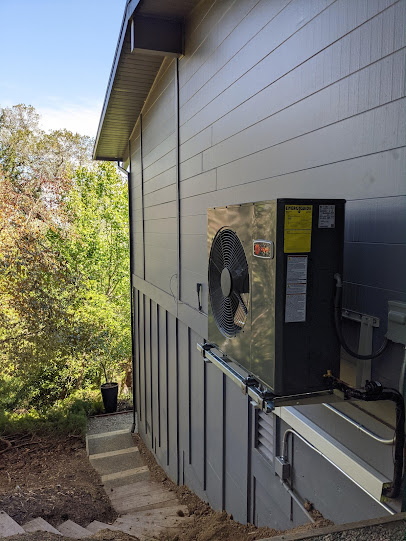
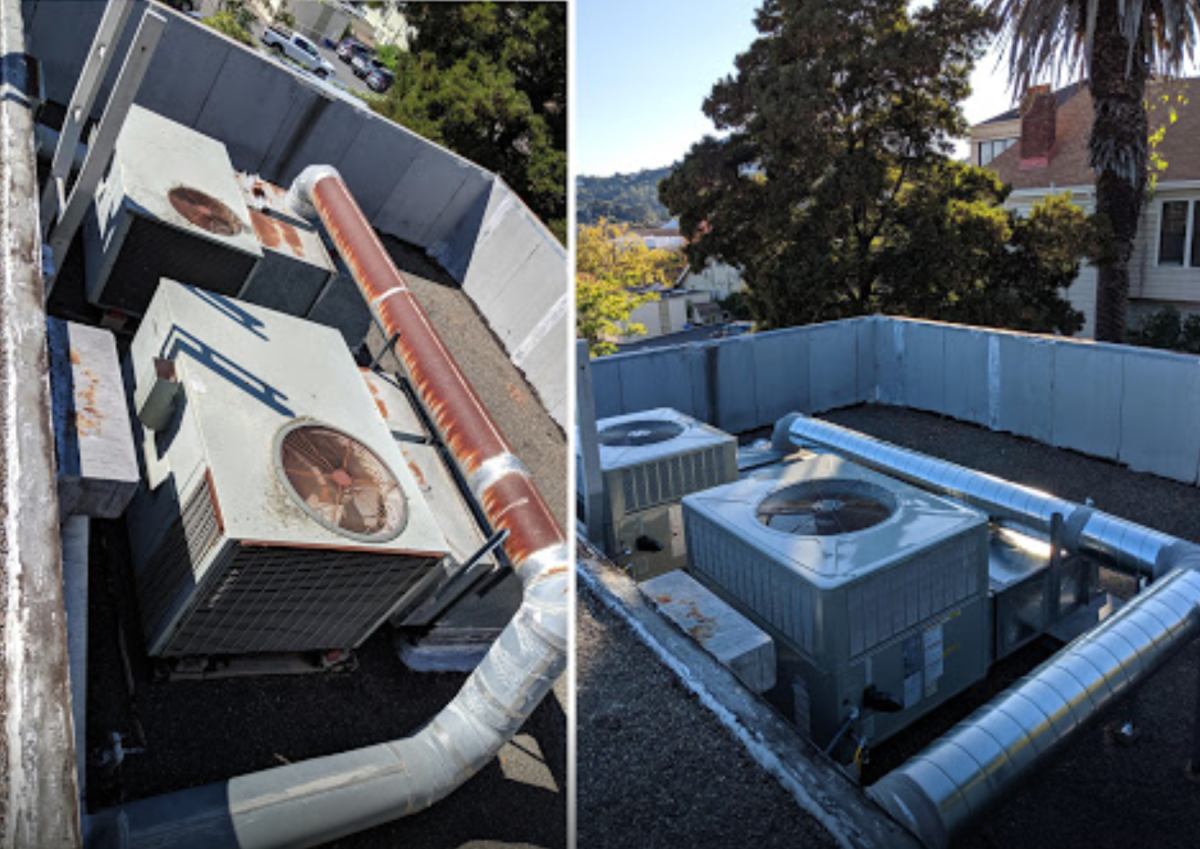
- Outdoor Unit Clearing: Condenser units require unrestricted airflow to reject heat effectively. Remove leaves, grass clippings, and debris from fins using a garden hose spray (never pressure washers, which bend delicate fins). Trim vegetation, shrubs, and tree branches to provide 24 inches of clearance on all sides of the unit.
Check that the concrete pad beneath the unit remains level. Settling that causes tilting can stress refrigerant lines and affect proper drainage from the unit.
- Air Filter Management: Standard 1-inch pleated filters require monthly inspection and replacement every 1-3 months, depending on household conditions. Homes with pets, construction projects, or high dust exposure need more frequent changes.
Dirty filters restrict airflow, forcing blower motors to work harder and reducing system capacity. A system designed to cool a home to 72°F might only achieve 75°F when filters are severely clogged.
- Indoor Register Maintenance: Walk through your home, checking each supply register (where cool air blows out) and return grille (where air returns to the system). Remove any furniture, drapes, or storage items blocking airflow. Vacuum register faces to remove dust buildup.
Close inspection often reveals temperature differences between rooms that indicate ductwork issues requiring professional assessment. One bedroom is significantly warmer than the others suggests supply duct problems affecting that area.
- Thermostat System Check: Replace thermostat batteries annually, even if low-battery warnings haven’t appeared. Test cooling mode by setting the temperature 3-4 degrees below the current room temperature and verifying the system starts within 30-60 seconds.
Listen for unusual sounds during startup and operation. Grinding, squealing, or banging noises indicate mechanical issues requiring immediate AC repair in Santa Rosa before continued operation causes additional damage.
Energy Efficiency Gains from Spring AC Tune-Ups
Regular maintenance delivers quantifiable energy savings that offset service costs while reducing environmental impact. Being aware of these benefits helps homeowners evaluate the return on investment from seasonal servicing.
Efficiency Degradation Patterns
A long-term field study of 56 Florida homes found that air conditioner and heat pump performance often declined over time, with many systems degrading by about 5% per year. A system operating at 95% of design efficiency in year two drops to 90% in year three without maintenance.
This degradation compounds over time. After five years without service, a system might operate at only 75-80% of its original efficiency, consuming 20-25% more electricity to provide the same cooling output. On a $200 monthly summer cooling bill, that represents $40-50 in unnecessary costs.
PG&E Rate Structure Considerations
Santa Rosa residents served by PG&E face electricity rates that can vary based on usage, season, and time of day. PG&E’s current residential summer pricing spans from roughly the low 30-cent range to just over 50 cents per kWh, depending on the rate plan and usage level.
Well-maintained systems that run more efficiently keep households in lower rate tiers, creating savings that exceed the direct energy consumption reduction. A system using 15% less electricity might reduce costs by 20-25% if that reduction prevents tier escalation.
SEER Rating Preservation
Air conditioners carry Seasonal Energy Efficiency Ratio (SEER) ratings indicating their efficiency under ideal conditions. A system rated 16 SEER delivers that efficiency only when properly maintained. Dirty coils, low refrigerant, or restricted airflow can reduce effective SEER to 12-13, equivalent to operating a much older, less efficient unit.
California Rebate and Incentive Programs
California property owners may be eligible for HVAC and home-energy rebates through utility programs, state-administered initiatives, and, in some areas, local air districts. Rebate requirements vary by program, but they often involve proof of purchase, installation details, equipment eligibility, and qualified contractor documentation. North HVAC Services assists customers with rebate documentation and qualification requirements for efficiency upgrade programs.
Recognizing Warning Signs That Require Immediate AC Repair in Santa Rosa
Some system behaviors indicate problems that will worsen rapidly without intervention. Recognizing these patterns helps homeowners distinguish between scheduling routine service and requesting urgent evaluation.
- Unusual Operating Sounds: Air conditioners should produce relatively consistent, quiet operation. New sounds indicate developing mechanical issues:
- Grinding: Bearings wearing in motors or compressor internal damage
- Squealing: Belt slippage (older systems) or bearing friction
- Banging/Clanking: Loose components or failed mounts
- Hissing: Refrigerant leaks or expansion valve issues
Continuing operation after unusual sounds develops risks of converting minor repairs into major component replacements.
- Airflow and Cooling Performance Issues: Weak airflow from registers despite the blower running suggests ductwork restrictions, blower motor problems, or evaporator coil icing. Uneven cooling between rooms indicates supply duct leaks, damper positions, or inadequate system capacity for the home layout.
Systems that run continuously without reaching thermostat settings demonstrate capacity problems. This might result from refrigerant loss, compressor wear, or undersized equipment for the cooling load.
- Short-Cycling Behavior: Normal cooling cycles run 12-18 minutes in moderate weather and 20-25+ minutes during peak temperatures. Systems starting and stopping every 5-10 minutes indicate thermostat problems, refrigerant overcharge, or oversized equipment.
Short-cycling accelerates component wear because starting represents the highest electrical stress and mechanical wear period. A system short-cycling 6 times per hour experiences starting stress equivalent to normal all-day operation.
- Electrical and Safety Concerns: Burning odors, circuit breaker trips, or visible sparking require immediate shutdown and professional evaluation. These symptoms indicate electrical failures that pose fire risks and will worsen with continued operation.
Musty or moldy odors when the system operates suggest biological growth in ductwork or drain pans. This affects indoor air quality and can aggravate respiratory conditions, particularly for children and sensitive individuals.
- Cost Analysis: Repair vs. Replacement: Spring tune-ups sometimes reveal damage beyond economical repair. Systems over 12-15 years old requiring compressor replacement, refrigerant conversions, or multiple component failures often make replacement more financially sound.
Secure Your Summer Comfort: Book Your Pre-Season AC Tune-Up with North HVAC Services
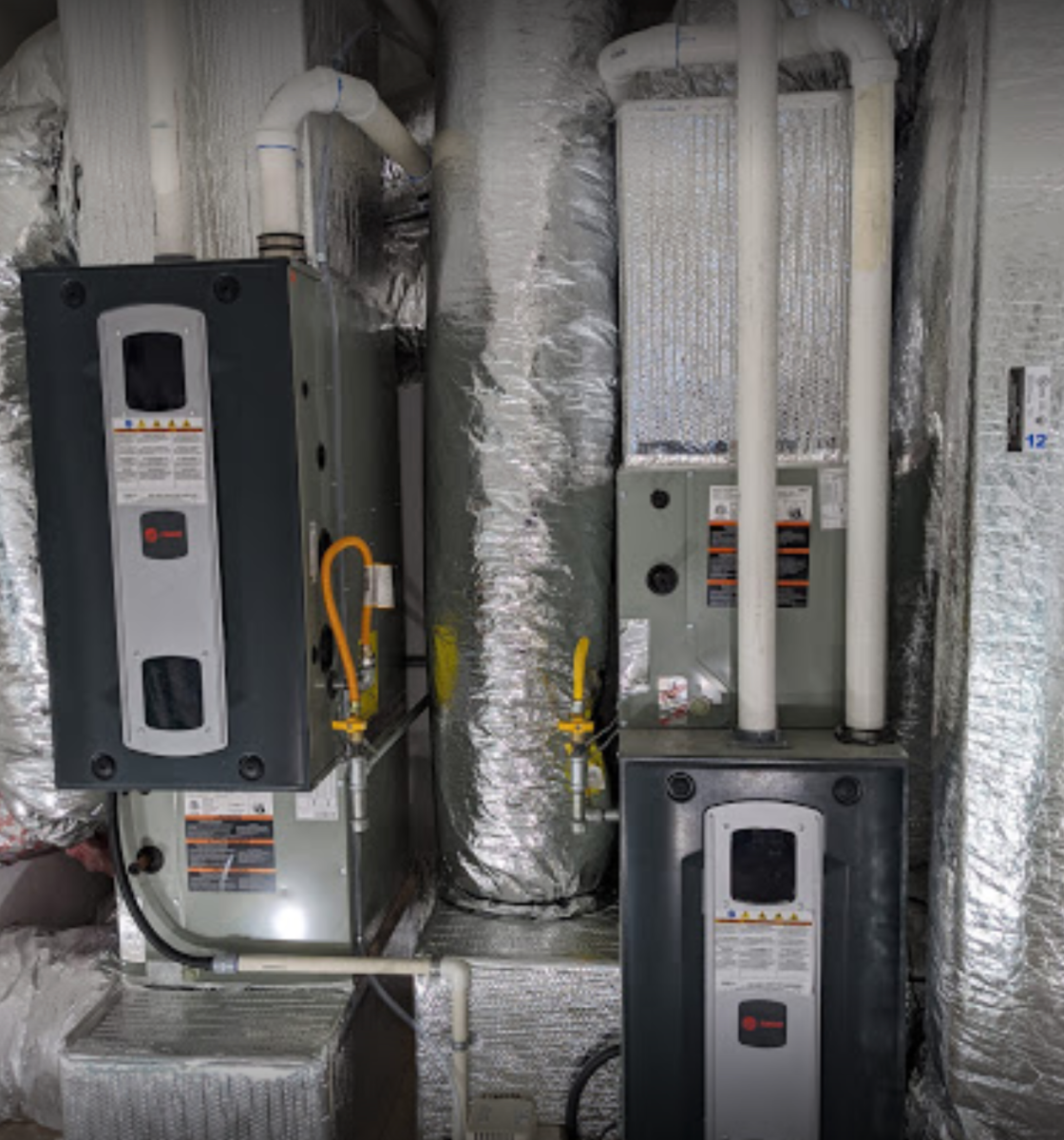
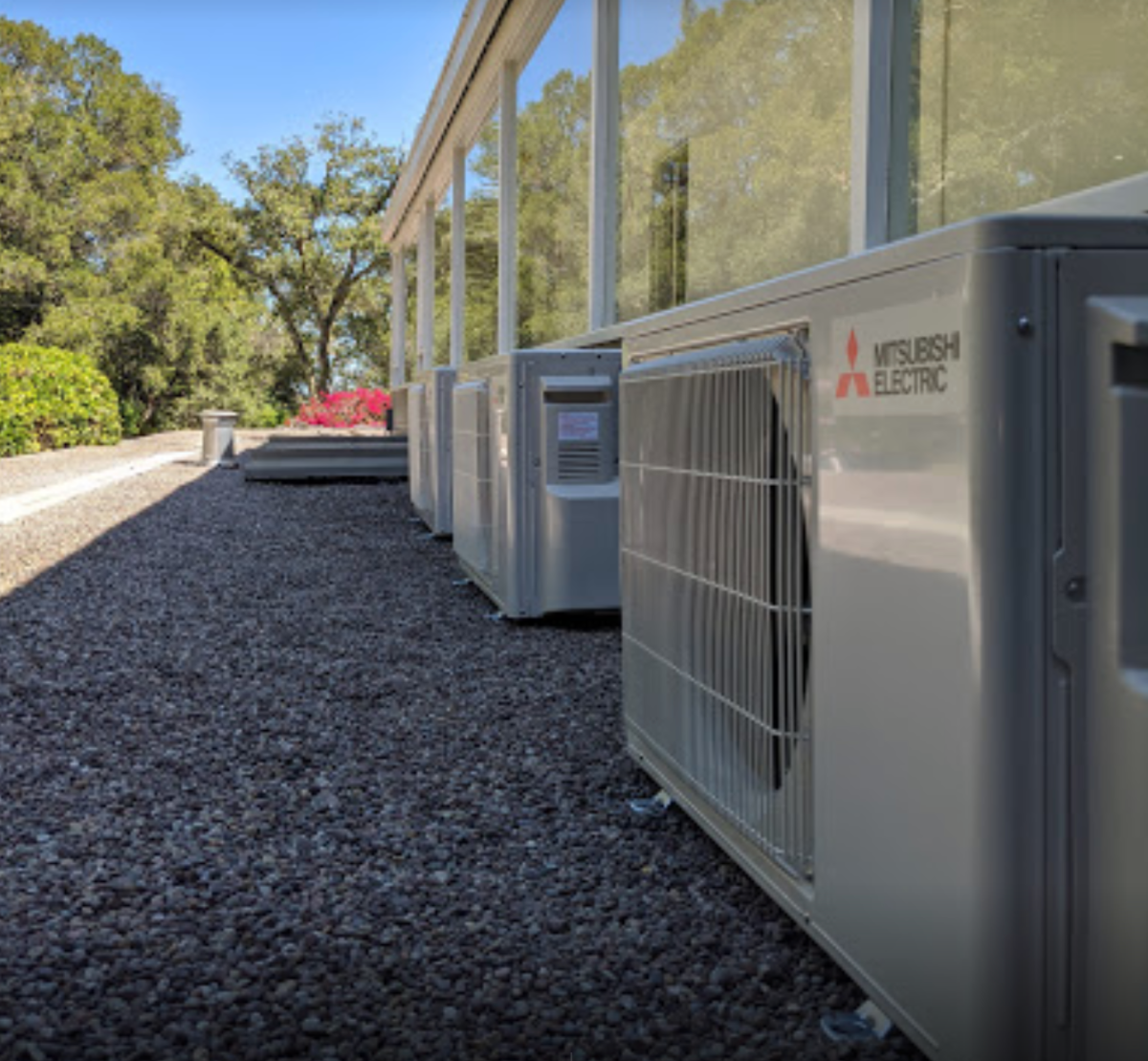
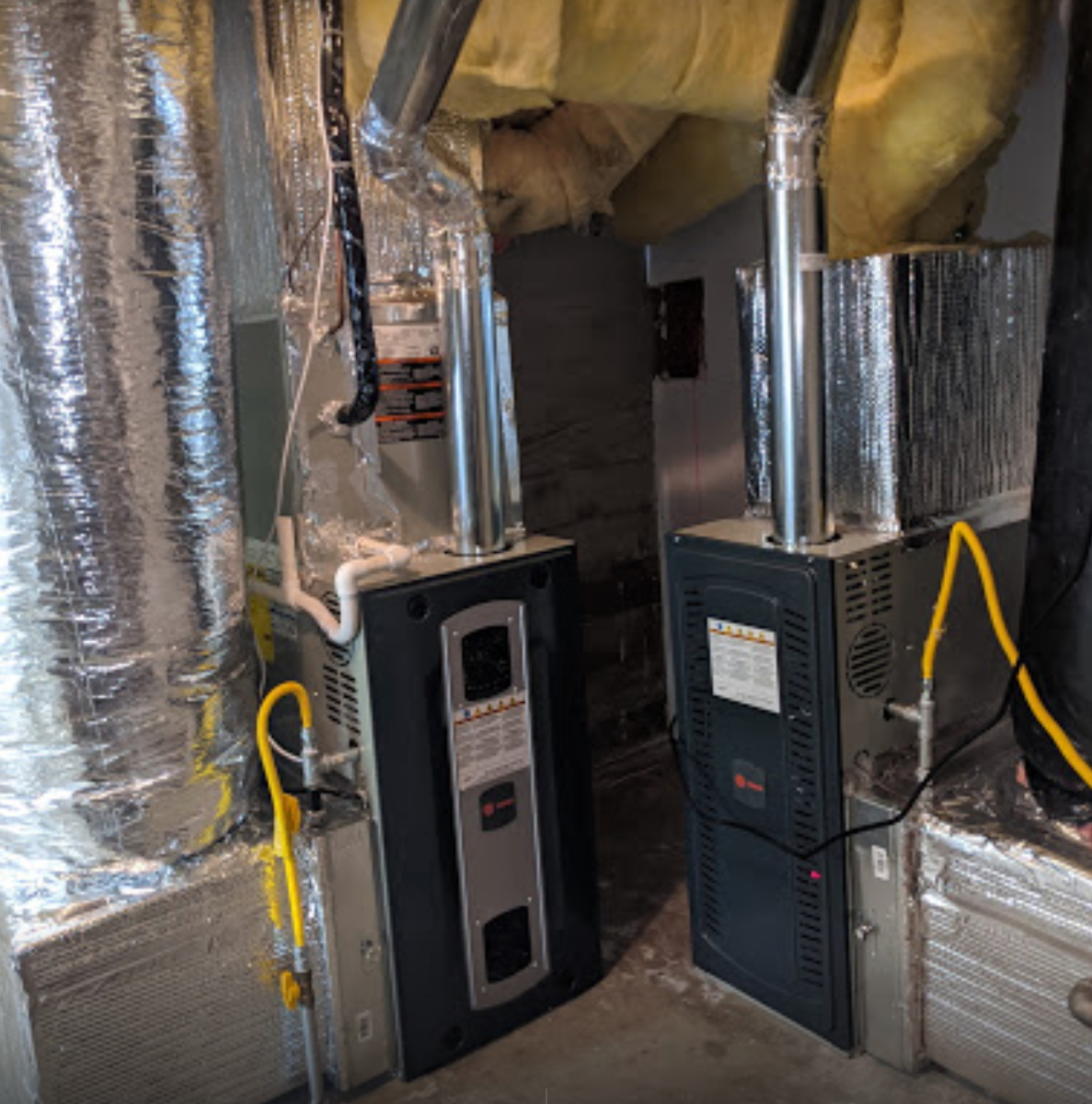
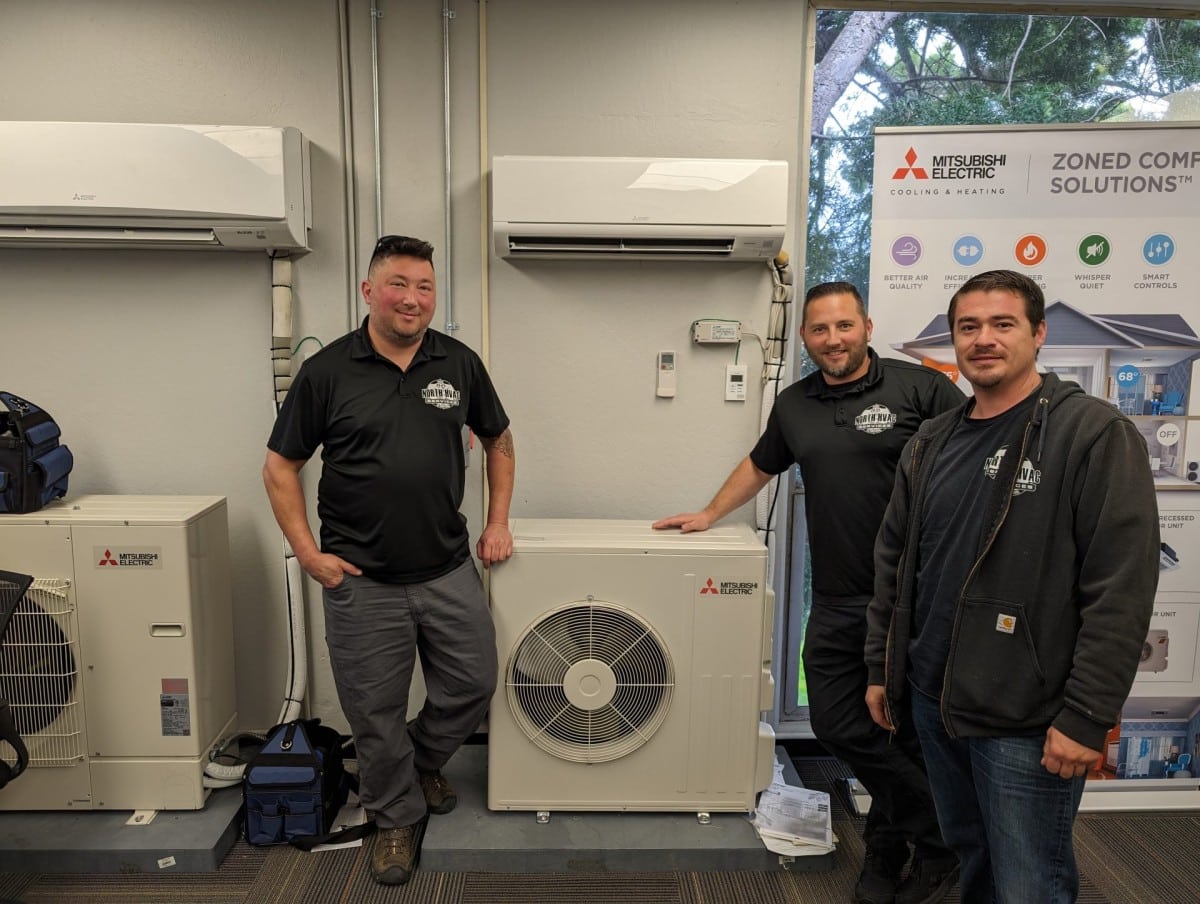
Santa Rosa homeowners who schedule spring air conditioner maintenance avoid the summer service delays and emergency repair premiums that affect those who wait for problems to develop. Our Santa Rosa AC Repair team brings Diamond Authorized Dealer status for Mitsubishi systems and Factory Authorized Dealer credentials for Trane and Day & Night equipment, which means we maintain factory-trained technicians with access to manufacturer technical support and genuine parts.
What Your Spring AC Maintenance Appointment Includes:
- Complete 22-point inspection with documented measurements
- Baseline performance data for your specific system
- Documentation valuable for warranty claims and efficiency rebate applications
- Professional evaluation of repair versus replacement economics
- Priority scheduling during March and April with experienced technicians
North HVAC Services schedules spring maintenance appointments Monday through Saturday, 6:00 AM to 6:30 PM, providing flexibility that accommodates work schedules.
Three Easy Ways to Schedule:
- Call us directly: (415) 845-6910 to reserve your preferred appointment time
- Email your request: northhvacservices@gmail.com with your service address and availability
- Book online: Schedule through our Contact Page for convenient 24/7 booking
Don’t wait until the initial heat wave reveals problems that could have been prevented. Contact us today to protect your summer cooling comfort and avoid the emergency service delays that affect last-minute callers.