Why Old Furnaces Struggle Most During Cold Snaps
When it comes to old furnace issues cold weather, every winter, business owners across Marin and Sonoma Counties face a familiar challenge: old furnace issues in cold weather. When temperatures drop rapidly, aging heating systems often fall short. Why does this happen?
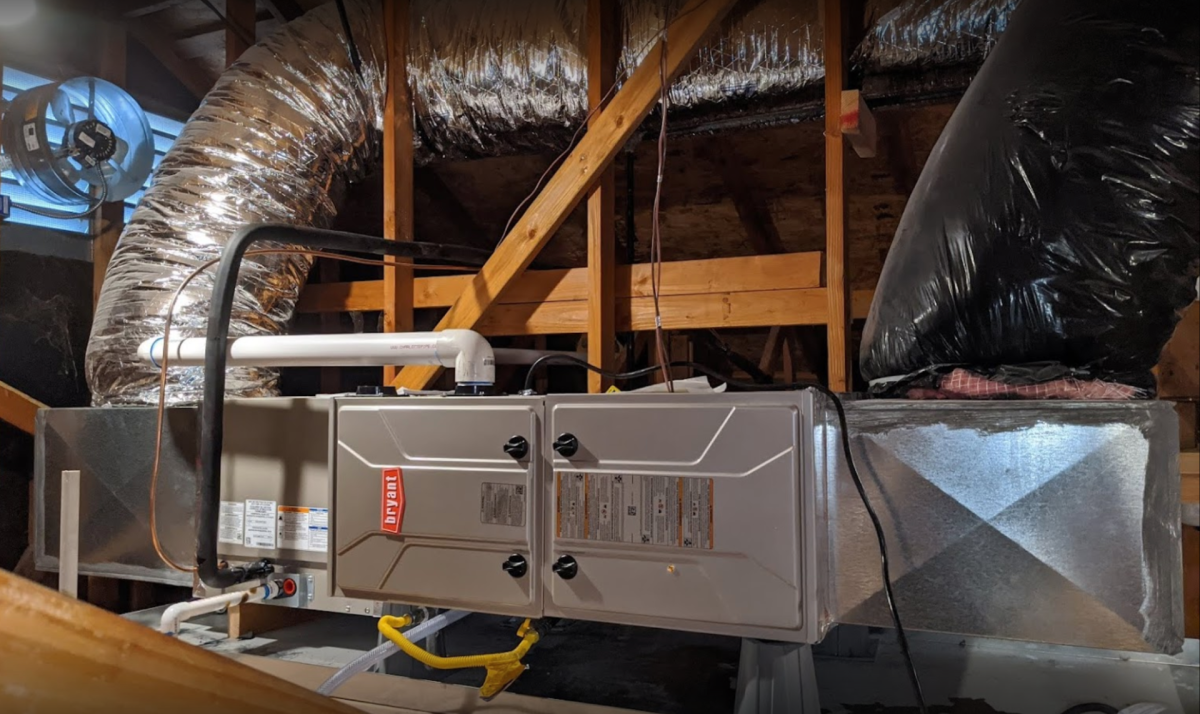
Older furnaces were designed for efficiency standards that are now outdated. Many units over 15 years old simply can’t deliver consistent heat when demand spikes. During a cold snap, your building loses heat faster, forcing the furnace to run longer cycles. This extra workload exposes every weakness in the system, especially in models that haven’t seen regular maintenance.
Consider a 20-year-old gas furnace in Petaluma. On mild days, it might keep up just fine. But during a freezing week, it runs nearly nonstop, risking overheating, cracked heat exchangers, or shutdowns from overloaded safety sensors. Even a minor issue becomes a major one when the furnace faces extreme stress.
For many businesses, this means cold rooms, employee discomfort, and frustrated customers. Old furnace issues in cold weather can also lead to higher energy bills and surprise breakdowns. The colder it gets, the less forgiving your old equipment becomes.
For further reading, see Troubleshooting Furnace Problems: How to Help Your Customers from rsi.edu.
How Extreme Cold Worsens Old Furnace Issues
Extreme cold puts pressure on every part of an old furnace. When temperatures plunge, the heat loss from your building increases exponentially. Your furnace must work harder and longer to maintain a comfortable temperature, which can reveal hidden problems.
Here are a few ways cold weather amplifies old furnace issues:
- Longer Run Times: Older components—motors, burners, and heat exchangers—wear faster. Extended operation accelerates this wear, making breakdowns more likely.
- Short Cycling: Some furnaces overheat and shut off before completing a heating cycle, then restart soon after. This short cycling is common in older units struggling to match demand.
- Reduced Efficiency: Dirt, rust, and worn-out parts restrict airflow or combustion, cutting efficiency further. In cold weather, this means your furnace works harder for less heat.
- Frozen or Blocked Vents: Older venting systems may not resist ice or snow buildup. Blocked exhaust can cause safety shutdowns or even dangerous carbon monoxide buildup.
For those concerned with old furnace issues cold weather, at North HVAC Services, we often see business owners surprised by a furnace that “was fine last year” but now can’t handle the cold. That’s because every year of use adds up, and extreme weather exposes even minor weaknesses.
Common Old Furnace Issues in Cold Weather
Old furnace issues in cold weather tend to fall into familiar categories. Recognizing these early can help you avoid a total breakdown.
- Ignition Problems: Older pilot lights or electronic igniters can fail in low temperatures. If your furnace won’t start, this is a likely cause.
- Blower Motor Failures: The blower circulates warm air. Worn motors may stall or overheat, especially when running for hours on end.
- Cracked Heat Exchangers: Years of temperature swings can cause cracks. This is a serious safety hazard, as it may leak carbon monoxide.
- Thermostat Malfunctions: Old or poorly calibrated thermostats misread temperatures, leading to uneven heating or short cycling.
- Dirty Burners or Filters: Dust and buildup block airflow, reducing heat output and straining the system.
- Worn Electrical Components: Loose wires or old relays can fail when cold contracts metal connections.
- Drafts and Poor Insulation: Not a furnace issue per se, but older buildings often leak heat, making even a healthy furnace struggle.
These problems rarely resolve on their own and often get worse with each cold snap. Early intervention keeps your business comfortable and safe.
Warning Signs Your Old Furnace Can’t Keep Up
How do you know if your furnace is on its last legs? Watch for these warning signs, especially during cold spells:
- Inconsistent Heating: Some rooms are warm, others stay cold no matter what you do.
- Furnace Runs Constantly: If your furnace never seems to shut off, it’s likely struggling to keep up.
- Unusual Noises: Rattling, banging, or squealing sounds signal internal problems.
- Frequent Cycling: The furnace turns on and off in short bursts, never running a full cycle.
- Unexplained Energy Spikes: Higher gas or electric bills can mean the furnace is running inefficiently.
- Yellow or Flickering Pilot Light: This can indicate combustion issues or a cracked heat exchanger.
- Odors or Soot: Burning smells or visible soot suggest incomplete combustion or airflow problems.
- Old Age (15+ Years): If your unit is approaching or past this age, reliability drops sharply in cold weather.
Don’t ignore these signs. A failing furnace can leave your business out in the cold when you least expect it.
Quick Fixes for Old Furnaces During a Cold Snap
If your old furnace falters during a cold snap, you may want to try some safe, quick fixes before calling for help. Here are practical steps you can take:
- Check and Replace the Air Filter: A clogged filter limits airflow. Swap it out for a new one—this simple fix can boost heat output in minutes.
- Check Thermostat Settings: Make sure it’s set to “heat” and the temperature is set higher than room temperature. Replace batteries if needed.
- Clear Vents and Registers: Ensure all supply and return vents are open and not blocked by furniture, rugs, or storage boxes.
- Inspect the Furnace Intake and Exhaust: Outside vents can ice over or get blocked by debris. Gently clear away snow, ice, or leaves.
- Power Cycle the Furnace: Turn off the furnace at the breaker, wait 60 seconds, then turn it back on. This can reset basic electronic issues.
- Look for Error Codes: Many newer old models (10-15 years old) flash codes near the blower compartment. Check the user manual for troubleshooting steps.
- Seal Obvious Drafts: Block cold air from leaking in with weather stripping or a rolled towel at the door base.
These steps can buy you time, but if the furnace doesn’t respond—or if you see warning signs like yellow flames or soot—shut it down and call a professional.
When to Call a Professional for Old Furnace Issues in Cold Weather
For those concerned with old furnace issues cold weather, some furnace problems are too risky or complex for DIY fixes. Call North HVAC Services or another qualified contractor right away if:
- The furnace won’t start or keeps shutting down: This often signals a safety limit or failed part.
- You smell gas, burning, or see soot: These signs can mean a gas leak or dangerous combustion problem—shut off the furnace and evacuate if needed.
- The pilot light is yellow, flickering, or goes out: Safe pilot flames should be steady and blue.
- You hear grinding, banging, or screeching: Unusual noises usually mean a mechanical failure.
- No heat despite the furnace running: If the blower runs but the air is cold, the heat exchanger or burners may be compromised.
- You see water pooling around the furnace: Older condensing furnaces can leak if the drain line is blocked or cracked.
In these cases, a professional can diagnose the root cause and make safe repairs. Waiting too long can lead to bigger, more expensive failures—or even safety hazards for your staff and customers.
North HVAC Services responds quickly to emergency calls in Petaluma, Marin, and Sonoma. Don’t hesitate to reach out when your old furnace issues in cold weather escalate.
Long-Term Solutions: Upgrades and Preventive Care for Aging Furnaces
Relying on an old furnace through another harsh winter is a gamble. If you’re tired of emergency calls and high energy bills, consider these long-term solutions:
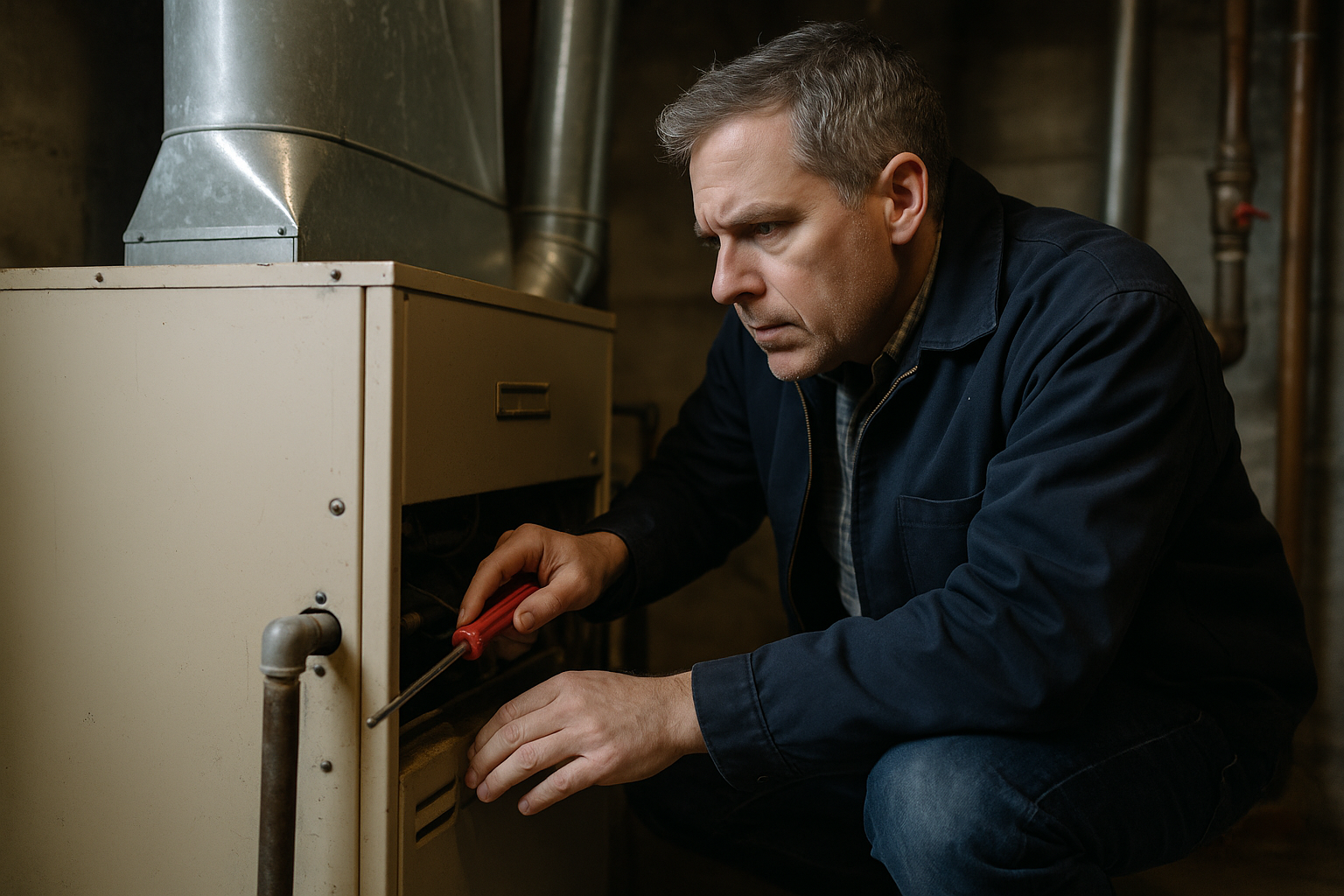
- Schedule Annual Maintenance: Preventive service catches issues early, extends equipment life, and improves efficiency. Technicians clean burners, check safety controls, inspect heat exchangers, and test airflow.
- Replace Old Thermostats: Upgrading to a modern, programmable thermostat improves accuracy and comfort. Smart thermostats can optimize run times and save money.
- Seal Ductwork and Insulate: Leaky ducts or poor insulation force your furnace to work harder. Professional duct sealing and attic insulation can cut heat loss significantly.
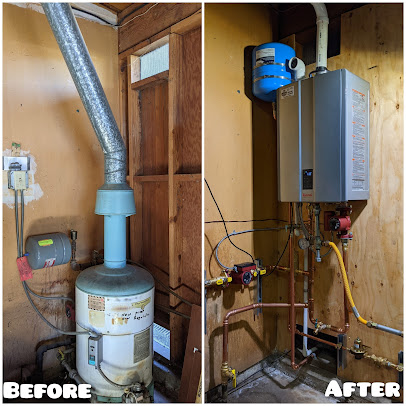
- Consider a Furnace Replacement: If your unit is over 15 years old and repair bills are stacking up, a new high-efficiency furnace pays off. Modern models use up to 30% less energy and offer better comfort control.
- Upgrade Air Filtration: High-quality filters keep dust out of your system, improving both air quality and furnace performance.
- Implement a Service Agreement: Many businesses benefit from a maintenance contract, ensuring priority service and regular tune-ups at a predictable cost.
Investing in these solutions reduces the risk of future breakdowns and keeps your business running smoothly. North HVAC Services can help you plan and execute these upgrades based on your building’s needs and budget.
Staying Warm and Safe in Marin and Sonoma Counties
Cold snaps are tough on old heating systems, but you don’t have to face them alone. Early attention to old furnace issues in cold weather saves money, protects your business, and keeps everyone comfortable. Whether you need urgent repairs, a tune-up, or a full system upgrade, the team at North HVAC Services is here to help.
If your furnace is struggling—or you want to prepare for the next big chill—call North HVAC Services at (415) 845-6910. Our experts keep businesses in Petaluma, Marin, and Sonoma Counties safe and warm, no matter how cold it gets.
Frequently Asked Questions
Why does my old furnace struggle to keep my building warm during cold snaps?
Older furnaces weren’t designed for today’s efficiency standards and often can’t handle the increased demand during extreme cold. As temperatures drop, your building loses heat faster, forcing the furnace to run longer and expose underlying issues.
What are common signs my furnace might fail during a cold spell?
Watch for symptoms like the furnace running nonstop, uneven heating, cold spots, and unusual noises. If your energy bills suddenly spike or the system shuts down unexpectedly, it’s a sign your old furnace is struggling.
How can I prevent my old furnace from breaking down in extreme cold?
Schedule regular maintenance, replace filters monthly, and have a professional inspect your system before winter. If you notice problems, call North HVAC Services at (415) 845-6910 to address issues before they become costly breakdowns.
Is it better to repair or replace my old furnace if it can’t handle cold weather?
If your furnace is over 15 years old and struggles during cold snaps, it may be more cost-effective to replace it with a modern, efficient model. Repairs can provide a short-term fix, but an upgrade from North HVAC Services can save you money and prevent future headaches.
Can old furnaces cause higher energy bills in winter?
Yes, old furnaces lose efficiency over time and must work harder in cold weather, which drives up your energy costs. Regular tune-ups and considering a new unit can help lower your bills and keep your building more comfortable.