Santa Rosa’s spring season brings distinct challenges for homeowners managing their climate control systems. Between February and April, morning temperatures often drop to the mid-40s while afternoons can reach the mid-70s, forcing HVAC systems to switch between heating and cooling modes within the same day. This transitional period represents the optimal window for addressing both heating system maintenance after winter use and preparing air conditioning equipment for California’s demanding summer season. During this period, searches for “HVAC contractors near me” typically increase as homeowners plan preventive service. North HVAC Services has observed that homeowners who complete dual-system inspections during this shoulder season experience significantly fewer emergency breakdowns when temperatures peak in July and August.
Why Santa Rosa’s Spring Weather Demands Dual-System Attention
Sonoma County’s microclimate patterns create temperature variations that stress residential climate control equipment in ways unfamiliar to homeowners in more stable climates. March and April typically see overnight lows between 42°F and 48°F, followed by afternoon highs ranging from 68°F to 78°F. This 30-degree daily swing forces homeowners to run furnaces in early morning hours and switch to air conditioning by mid-afternoon.
How Temperature Swings Stress Both Heating and Cooling Systems:
- Heating components that operated continuously throughout winter face additional strain when cycled on and off repeatedly during spring’s fluctuating temperatures
- Cooling systems sitting dormant for months must restart suddenly under load rather than gradually ramping up usage
- The combination creates accelerated wear on electrical connections, motor bearings, and refrigerant seals
- Rapid transitions between heating and cooling modes increase mechanical stress on both systems simultaneously
Santa Rosa’s Unique Microclimate Challenges:
Weather patterns specific to different areas of the Santa Rosa compound exacerbate these challenges. Homes in the Fountaingrove hills experience different heating and cooling demands than properties in the Railroad Square area near downtown. Elevation changes, proximity to coastal fog patterns, and urban heat island effects all influence how individual systems perform during seasonal transitions.
North HVAC Services technicians account for these location-specific variations when evaluating system performance during spring inspections.
Why Spring Timing Matters for HVAC Service:
The narrow maintenance window before summer arrives makes spring timing critical. By late May, technician schedules fill with emergency repair calls as the first heat waves arrive. Homeowners who wait until June often face extended wait times for service appointments and limited equipment availability if replacement becomes necessary.
Heating and Air Conditioning: End-of-Winter Furnace Inspection Priorities
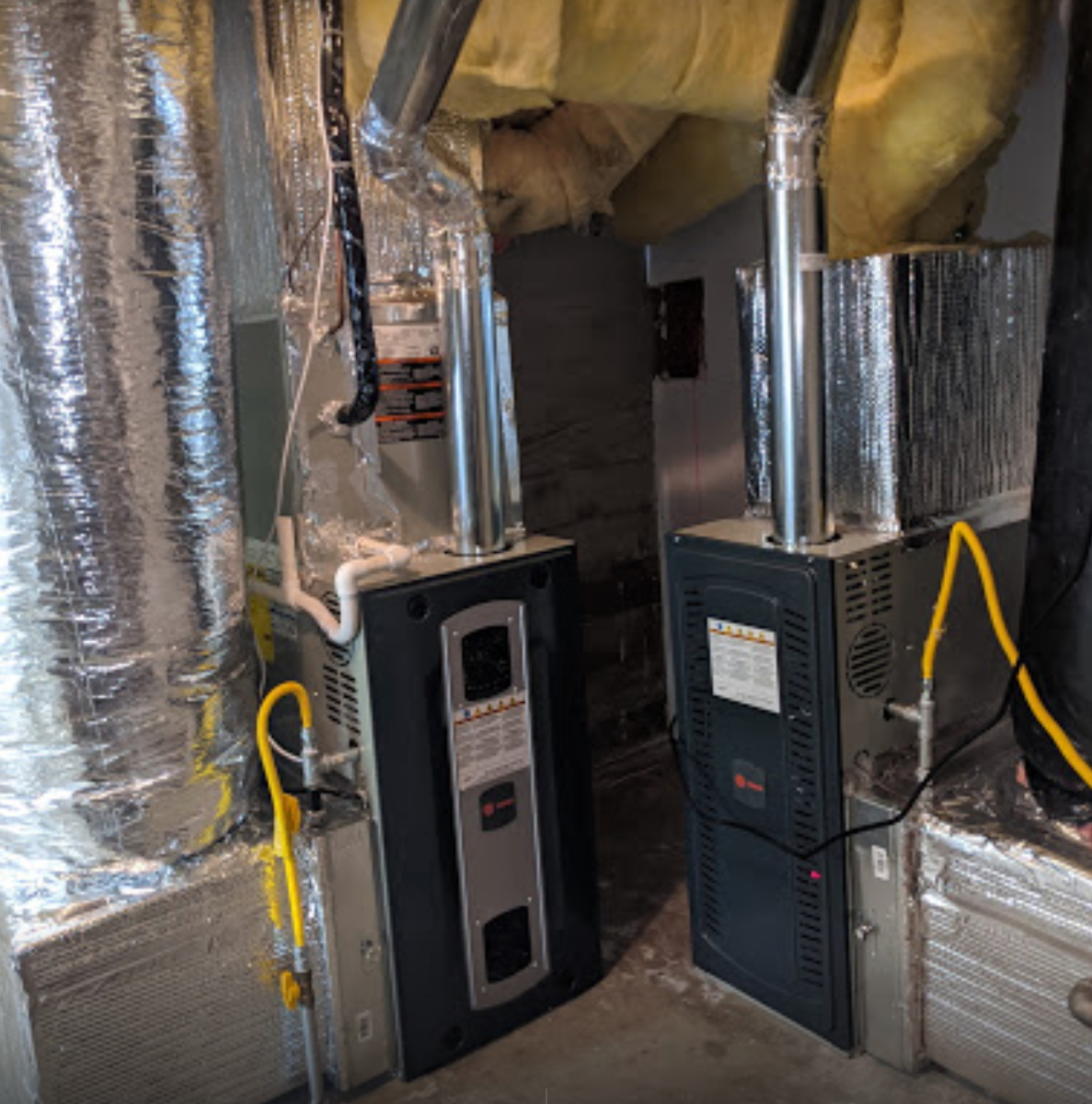
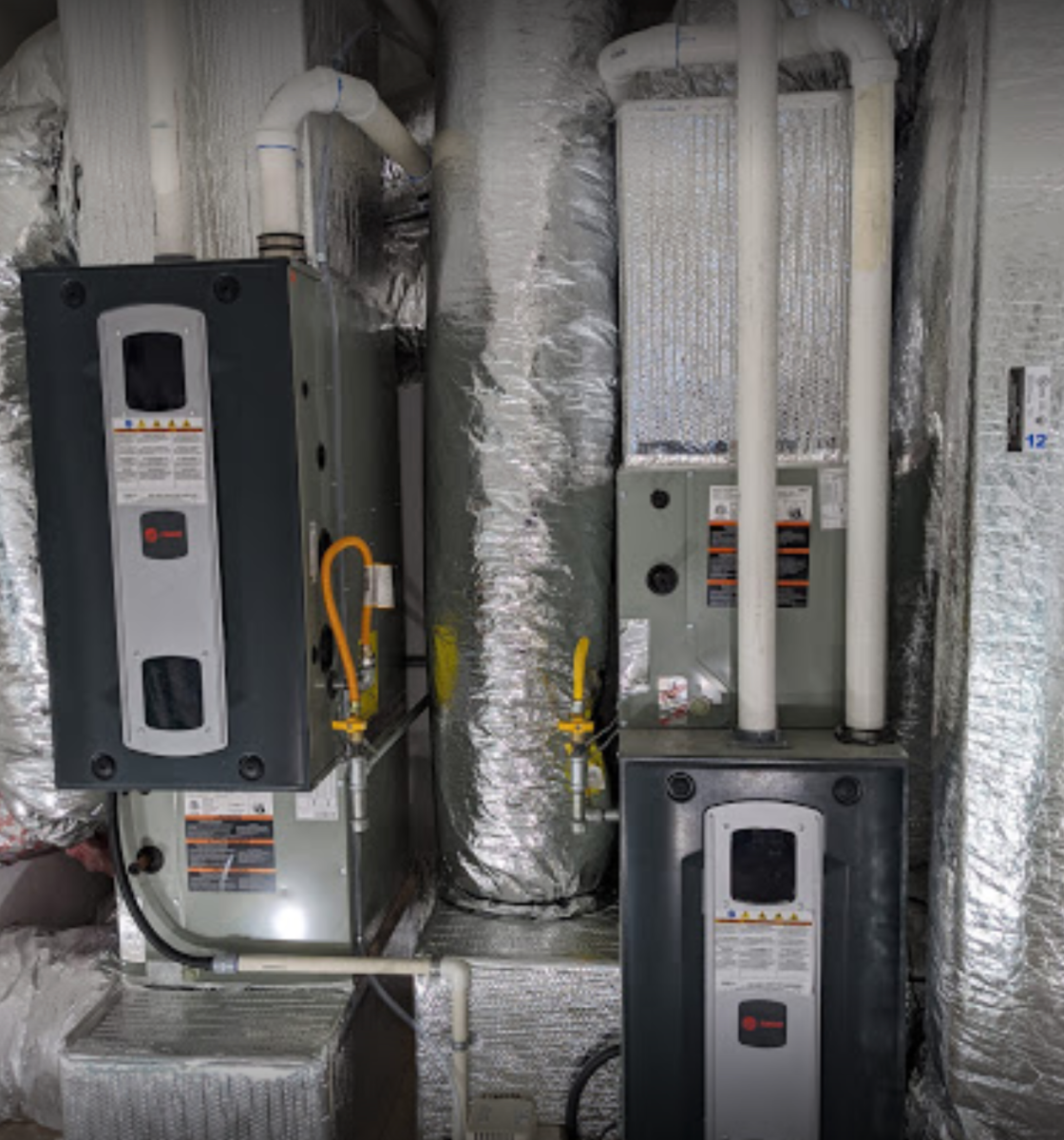
After months of continuous operation during Sonoma County’s heating season, furnace components accumulate wear that requires professional assessment before the system sits idle for summer. Spring inspections address several critical areas that determine both safety and performance for the coming year.
Heat Exchanger Integrity and Carbon Monoxide Safety
Heat exchangers–the metal chambers that transfer warmth from combustion gases to circulating air–develop stress cracks from repeated heating and cooling cycles. These cracks can allow carbon monoxide to enter living spaces, creating serious health risks that only become apparent through specialized testing equipment. Our factory-trained technicians at North HVAC Services use specialized combustion analysis equipment to detect heat exchanger issues before they create safety hazards.
According to the U.S. Department of Energy, furnace heat exchangers that leak mix combustion gases with house air, representing an important safety reason to have them inspected professionally. The DOE recommends cleaning heat exchangers and having technicians perform combustion-efficiency tests when considering system maintenance or replacement.
Critical Components That Degrade During Heating Season
Spring furnace inspections should evaluate several wear-prone components:
- Igniter condition and reliability – Hot surface igniters, which replaced standing pilot lights in modern furnaces, have finite lifespans measured in heating cycles. A weak igniter may still function during spring’s mild temperatures but fail completely when next season’s cold weather demands reliable starts. Identifying marginal igniters during spring inspections prevents mid-winter failures.
- Gas valve connections and burner cleanliness – Natural gas contains trace amounts of sulfur and other compounds that create residue buildup on burner surfaces. This buildup reduces combustion efficiency and can create irregular flame patterns that stress heat exchangers. Professional cleaning during spring maintenance restores optimal burn characteristics.
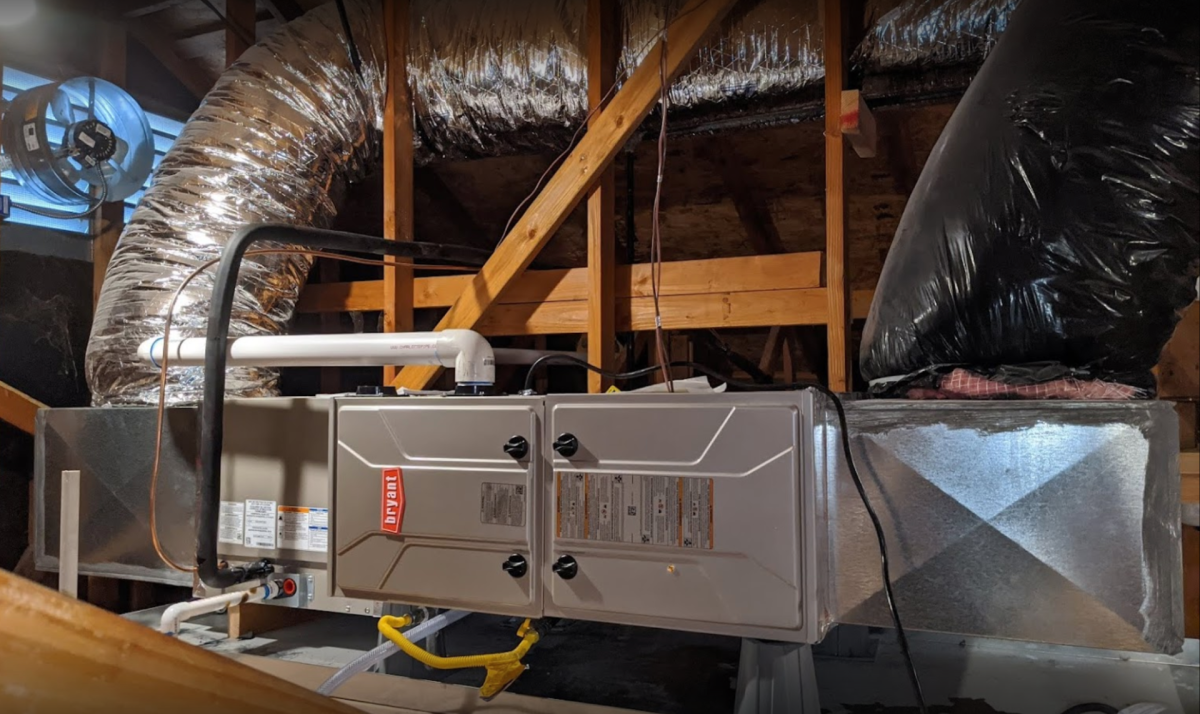
- Ductwork integrity and sealing – Spring provides an often-overlooked maintenance opportunity with attics and crawl spaces at moderate temperatures. Technicians can thoroughly inspect duct connections, sealing, and insulation that become difficult to access during extreme weather. Identifying air leaks or disconnected sections during the spring prevents efficiency losses throughout the entire year.
Essential HVAC Service Tasks for Sonoma County’s Spring Transition
Professional spring service addresses components critical to both heating and air conditioning operation. Thermostat calibration stands as the starting point, as sensors drift from their factory settings over time. A thermostat reading 72°F when the actual room temperature measures 70°F causes both heating and cooling systems to cycle incorrectly, wasting energy and reducing comfort.
Modern programmable thermostats require seasonal reprogramming to match changing schedules and temperature preferences. Many homeowners maintain winter settings well into spring, running heating systems longer than necessary or failing to activate cooling modes during afternoon warmth. Technicians verify programming logic and update schedules to match current seasonal needs.
| Spring Service Task | Heating Benefit | Cooling Benefit |
| Air filter replacement | Removes winter dust accumulation | Addresses spring pollen before cooling season |
| Condensate drain clearing | Limited (furnace condensate in high-efficiency units) | Prevents overflow when AC produces moisture |
| Electrical inspection | Verifies igniter and blower connections | Tests compressor and condenser fan circuits |
| Refrigerant verification | Not applicable | Identifies leaks before system operates under load |
Air Filter Replacement: Addressing Seasonal Contaminants
Air filter replacement during spring addresses two distinct contamination sources:
- Winter accumulation – Indoor dust from closed homes, dried skin particles, and combustion byproducts build up over months of heating system operation.
- Spring allergens – Santa Rosa’s diverse tree species, including oak, birch, and walnut, release significant pollen between March and May.
- Dual-season protection – A filter saturated with winter contaminants cannot capture spring pollen effectively, reducing both air quality and system efficiency.
Condensate Drain Line Maintenance
Condensate drain lines require attention before the humidity season arrives. Air conditioning systems remove moisture from indoor air, producing condensation that drains through dedicated pipes. During winter dormancy, these drain lines accumulate dust, biological growth, and debris that can cause blockages once the cooling operation resumes.
Consequences of neglected drain lines:
- Water backup that damages ceilings and walls
- Potential electrical component damage from overflow
- Reduced system efficiency and cooling performance
Electrical Connection Inspection
Electrical connection inspection protects both heating and cooling equipment. Thermal expansion and contraction from repeated use loosen wire connections and terminal screws. These loosened connections create electrical resistance that generates heat, potentially leading to component failure or fire risk.
What technicians verify during electrical inspection:
- Systematic tightening of all electrical terminations
- Wire insulation integrity throughout the system
- Proper connection security on both heating and cooling components
AC Maintenance: Pre-Season Cooling System Preparation Checklist
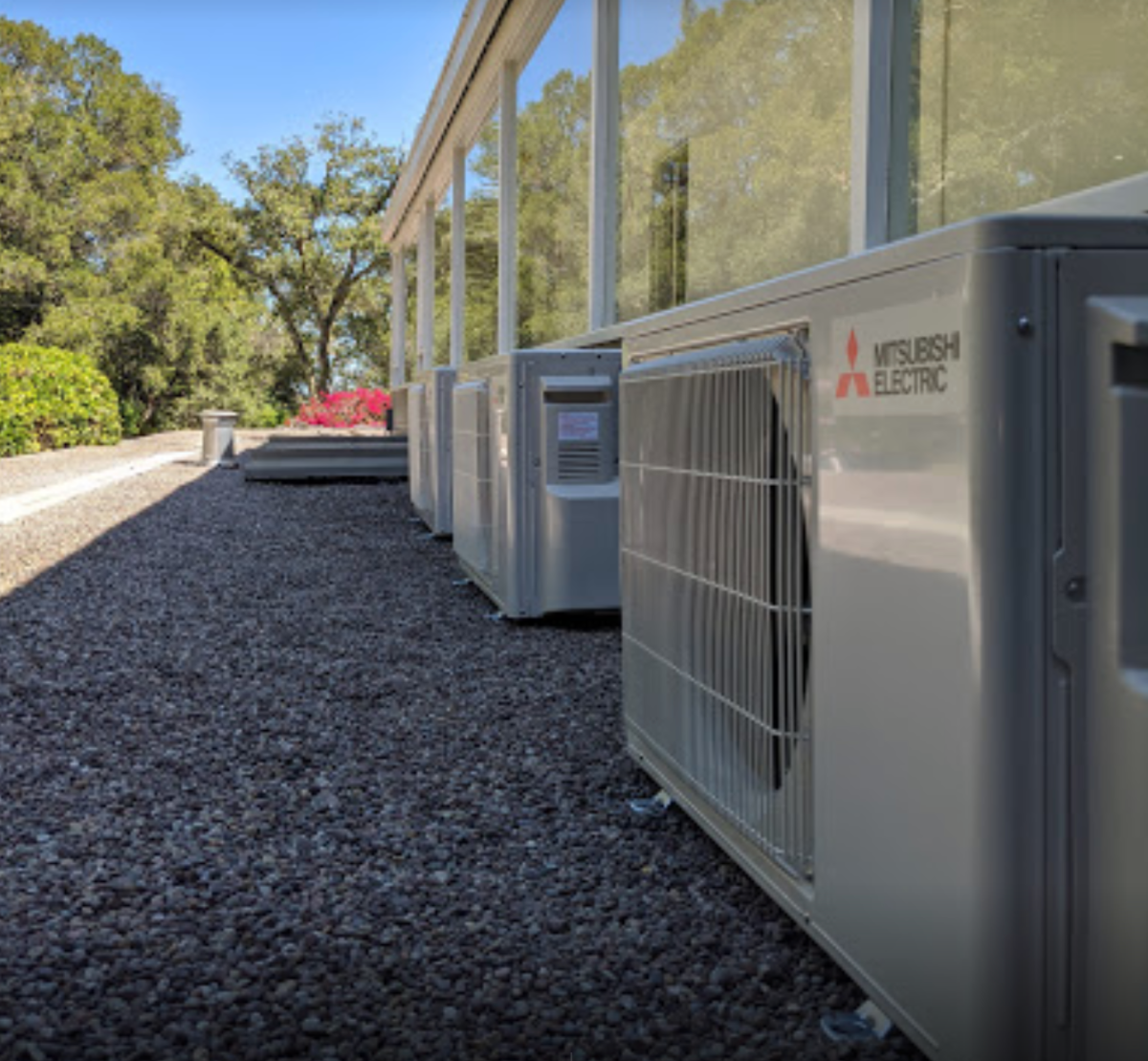
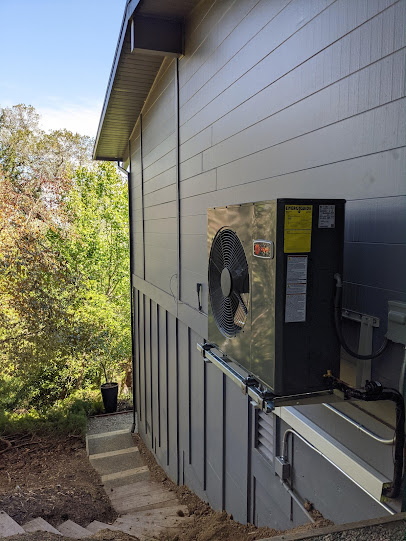
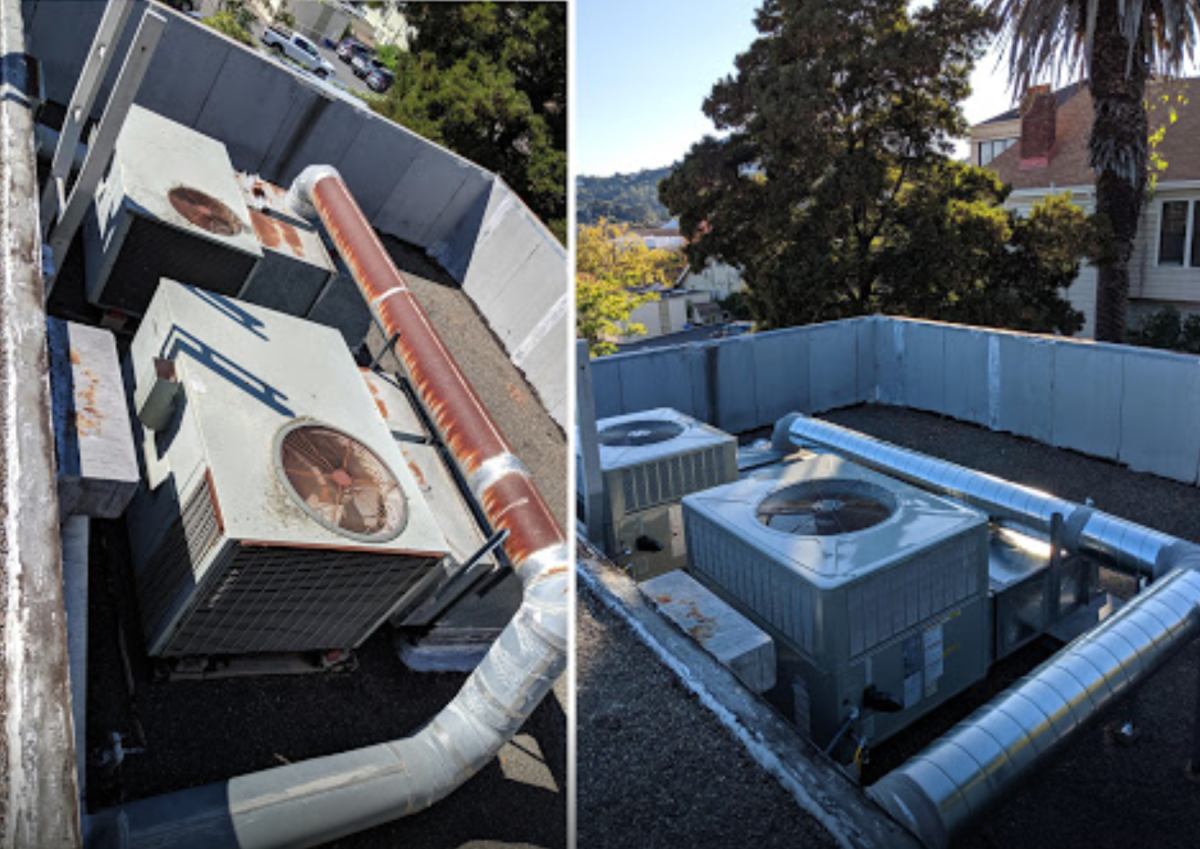
Outdoor condenser units accumulate substantial debris during the winter months when homeowners typically ignore these components. Leaves, seeds, dirt, and vegetation growth obstruct the aluminum fins that transfer heat from the refrigerant to the outdoor air. Even partial blockage reduces cooling capacity and forces compressors to work harder, increasing electricity consumption and accelerating wear.
Professional Condenser Cleaning
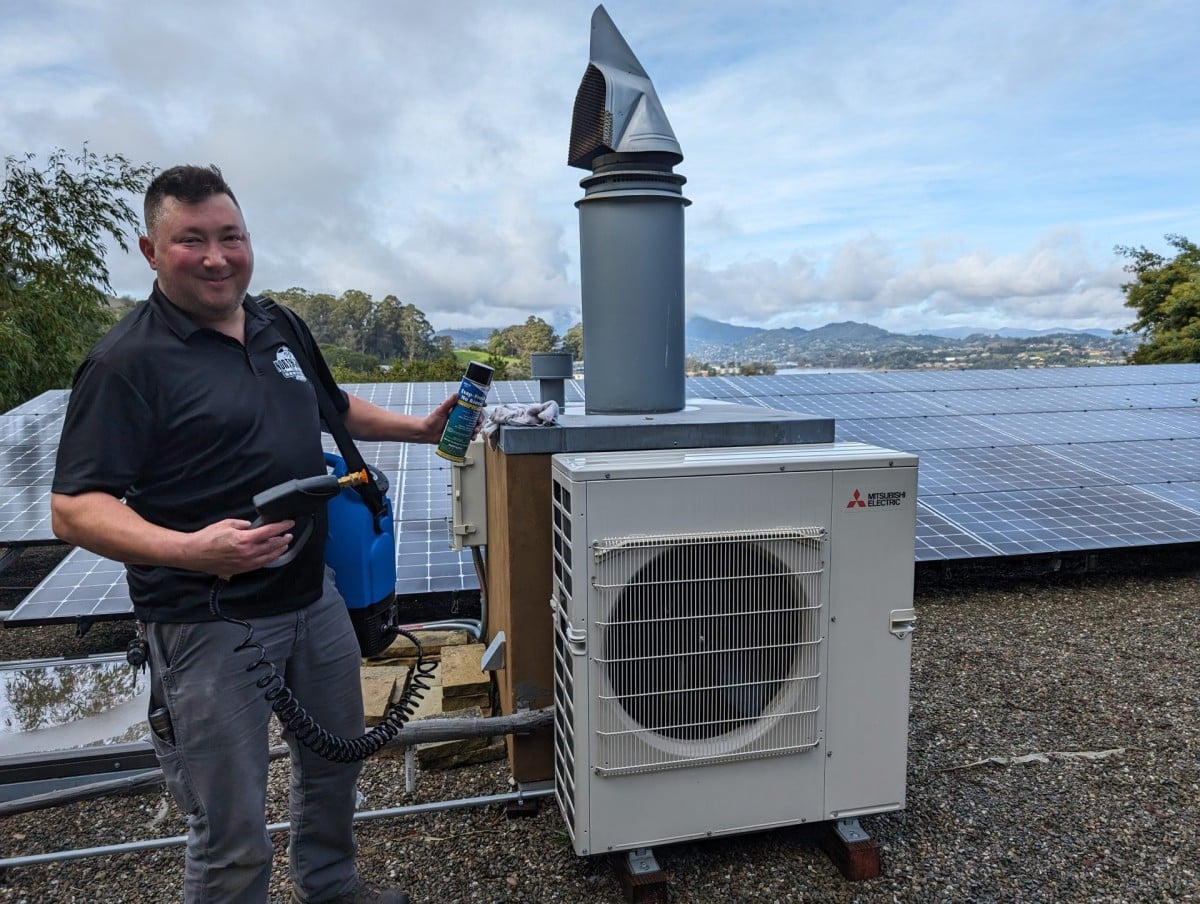
Professional condenser cleaning involves more than hosing off visible dirt. Technicians remove the unit’s protective grille to access coil surfaces from inside, using specialized coil cleaners and soft brushes that remove embedded debris without bending delicate fins. Straightening bent fins with proper tools restores airflow paths that casual washing cannot address.
Refrigerant Charge Verification
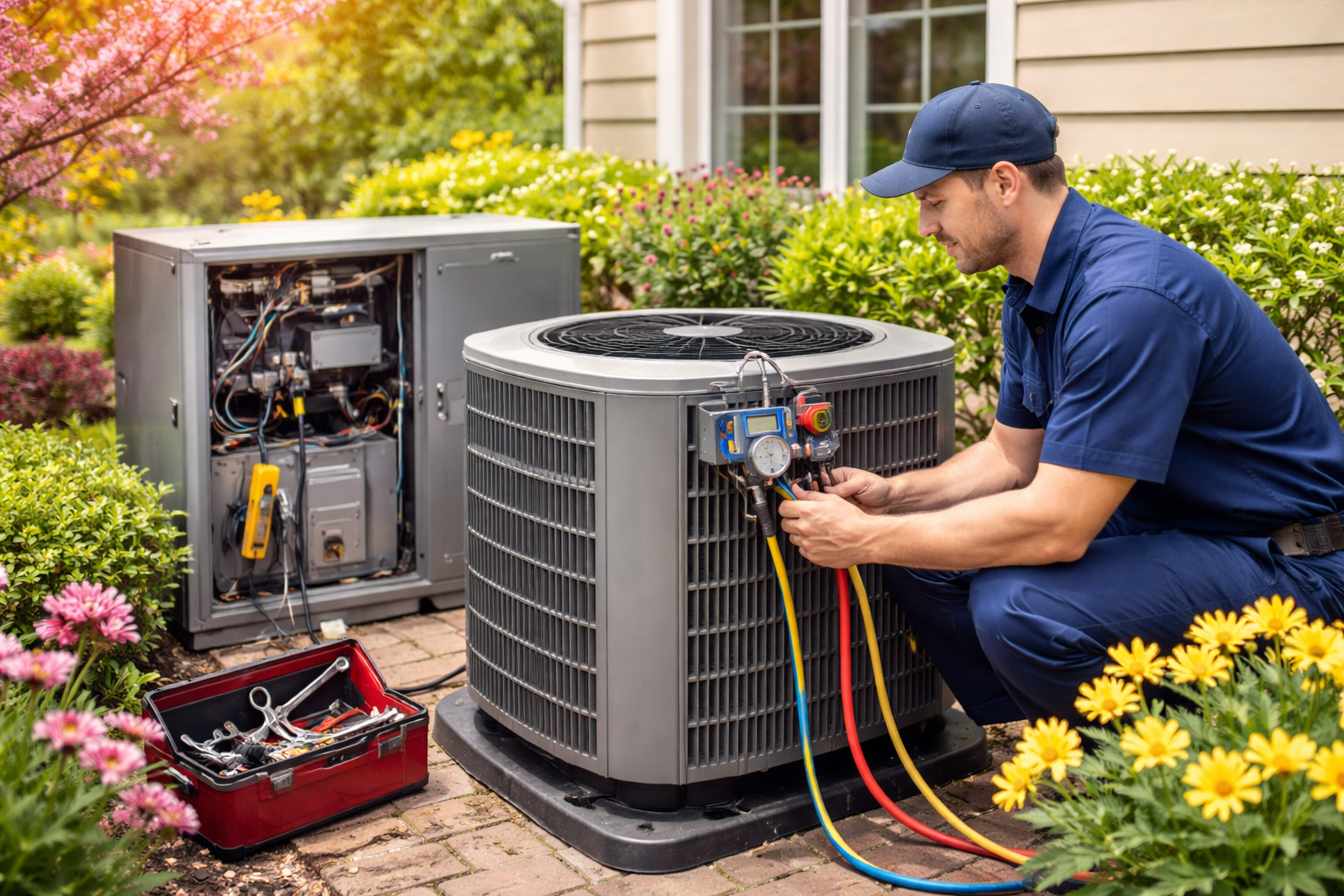
Refrigerant level verification represents a critical pre-season check that prevents costly damage. Air conditioning systems contain precisely measured refrigerant charges–too little causes inadequate cooling and potential compressor damage, while excess refrigerant reduces efficiency and stresses seals. Unlike automobile air conditioners that homeowners can recharge themselves, residential systems require EPA-certified technicians with proper gauges to measure subcooling and superheat values that determine correct charge levels.
Research conducted at Purdue University’s Herrick Laboratories found that approximately 50 to 67 percent of all air conditioners suffer from improper charge or airflow problems, causing them to operate 20 percent less efficiently than if they were properly installed or maintained. The same study, which was co-supported by the California Energy Commission and U.S. Department of Energy, demonstrated that refrigerant undercharging in the range of 12 to 19 percent can lead to an average reduction of 12.87 percent in cooling capacity and 7.6 percent in energy efficiency.
Refrigerant Leak Detection
Leak testing accompanies refrigerant verification, as systems losing charge indicate seal failures or mechanical damage. Technicians use electronic leak detectors or ultraviolet dye to identify even small leaks that would gradually reduce system performance throughout the summer. Repairing leaks before adding refrigerant prevents wasting expensive refrigerant and allows systems to maintain proper charge throughout the cooling season.
Compressor Health Assessment
Compressor functionality testing before the first heat wave identifies components approaching failure. Technicians measure starting amperage, running current, and capacitor values that indicate compressor health. Marginal compressors may start successfully during spring’s mild temperatures but fail when July’s heat demands maximum output. Identifying weak compressors during spring allows homeowners to plan replacements before emergency situations develop.
Fan Motor Inspection and Lubrication
Fan motor components require lubrication and inspection after sitting dormant through winter. Sealed bearings that appeared adequate in October may have deteriorated during months of inactivity. Blade balance affects vibration levels–imbalanced fans create noise and accelerate bearing wear. Technicians verify blade security, balance, and motor mounting integrity.
How Spring HVAC Maintenance Tune-Ups Prevent Emergency Summer Repairs
The financial difference between planned spring service and emergency summer repairs extends far beyond basic service call charges. During March and April, searches for HVAC contractors near you typically yield next-day or same-week appointment availability. By contrast, when Santa Rosa experiences its first 95°F day in June, service providers face multi-day backlogs of emergency calls from homes with non-functional cooling systems.
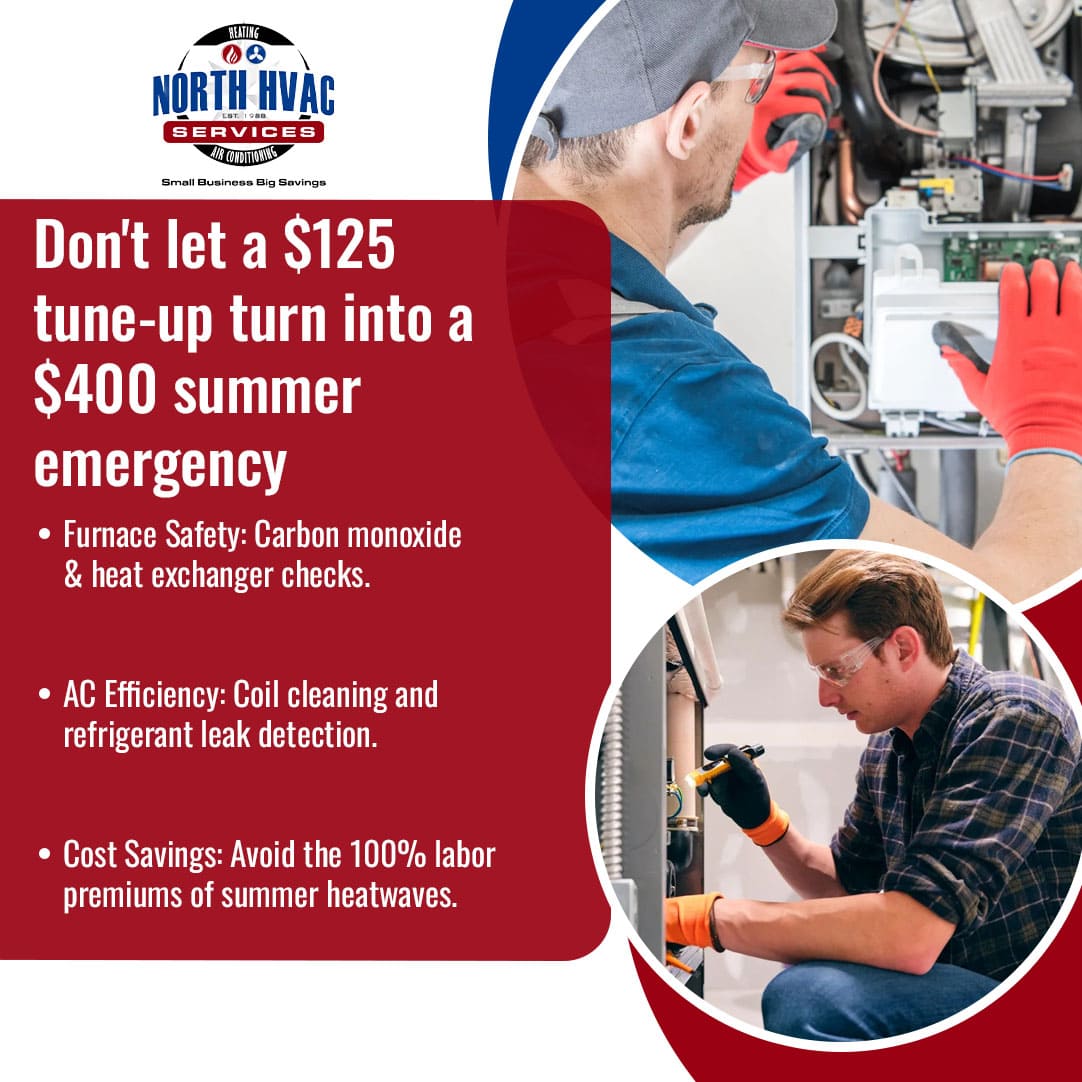
Emergency service rates reflect this demand reality. Standard diagnostic fees that might cost $125 during spring months often increase to $200-300 for same-day emergency calls during peak summer heat. Labor rates for weekend or after-hours service add 50-100% premiums to repair costs. Parts availability also becomes problematic–common components like capacitors or contactors that sit readily available in March may require ordering during summer’s peak demand, extending uncomfortable wait times.
Consider the cost comparison:
| Scenario | Spring Planned Service | Summer Emergency Repair |
| Diagnostic visit | $95-125 | $200-300 (emergency rate) |
| Capacitor replacement | $150 total | $325+ (parts shortage, premium labor) |
| Compressor replacement | $2,800-3,200 (scheduled) | $3,500-4,200 (emergency, limited availability) |
| Average wait time | 1-3 days | 3-7 days during heat waves |
Beyond immediate cost differences, spring maintenance identifies components approaching failure while they still function. A capacitor testing at 85% of rated capacity during April likely fails by July. Replacing it proactively during planned service costs significantly less than the emergency call, after-hours labor, and potential secondary damage that occurs when capacitors fail catastrophically under load.
Equipment availability advantages favor spring scheduling. Distributors maintain full inventory during shoulder seasons, allowing quick access to replacement parts ranging from basic contactors to complete condensing units. Summer demand creates regional shortages–the same compressor available overnight in April may require week-long backorders in July when every HVAC service provider in Northern California orders simultaneously.
Warranty protection represents another often-overlooked benefit of documented annual maintenance. Most equipment manufacturers require proof of annual professional service to maintain warranty coverage. Homeowners who skip spring furnace maintenance and AC maintenance risk voiding warranties on systems still within their coverage period. The detailed service report from spring visits provides documentation that protects warranty claims if components fail during covered periods.
North HVAC Services maintains extended spring scheduling availability specifically to help homeowners avoid summer emergencies.
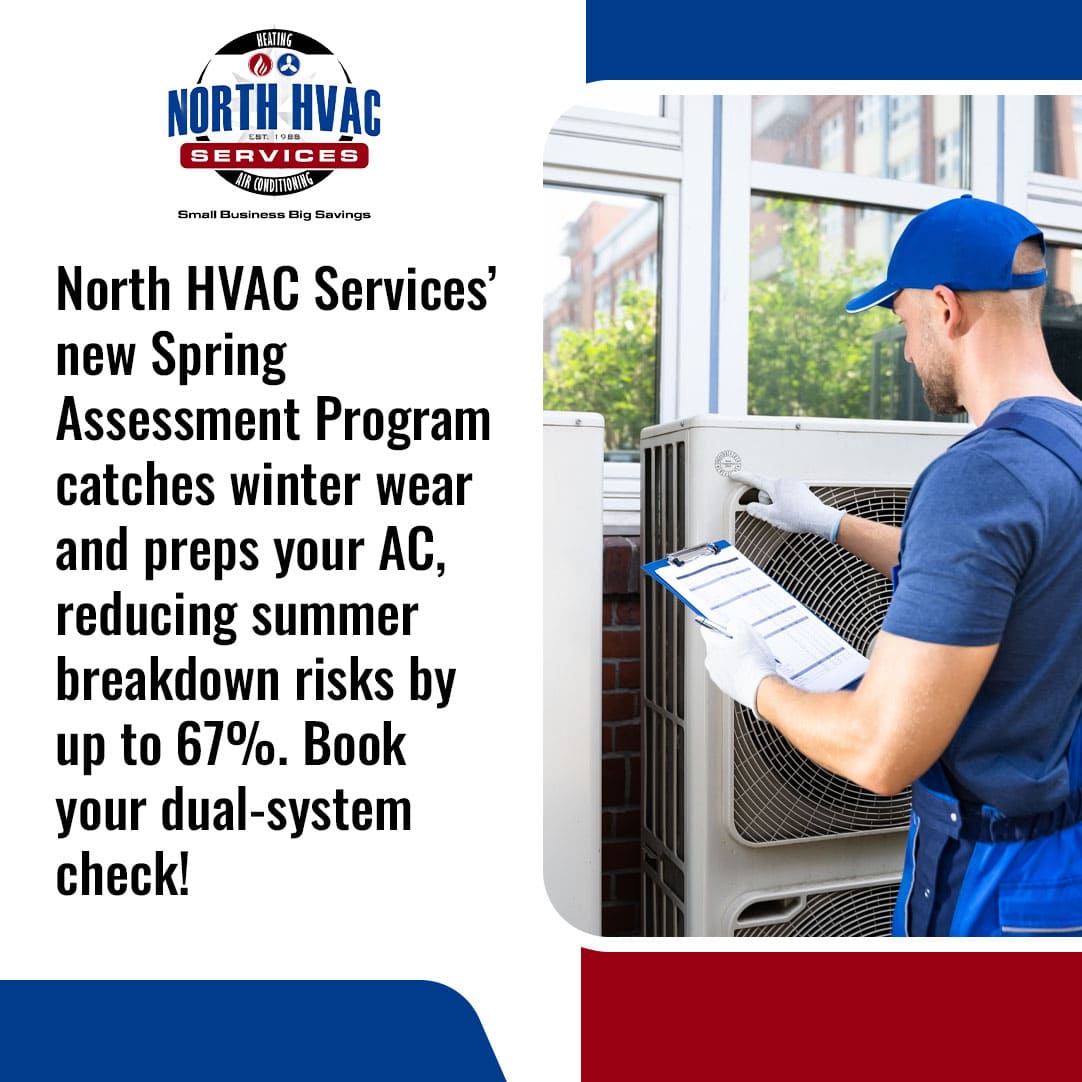
Scheduling Strategy: When to Book Your Dual-System Service
Late February through mid-April represents the ideal scheduling window for comprehensive spring transition service in Santa Rosa. Earlier scheduling in February captures homeowners before widespread awareness drives appointment backlogs, while extending into mid-April still provides sufficient time to address identified issues before summer heat arrives.
What to Expect During Your Spring Inspection
A complete spring transition inspection typically requires 2-3 hours for thorough evaluation of both heating and cooling systems. This duration allows technicians to complete all checklist items without rushing, test system operation under both heating and cooling modes, and discuss findings with homeowners. Properties with multiple zones, commercial-grade equipment, or older systems may require additional time.
Preparing Your Home for Service
Homeowners should prepare for service visits by clearing access to both indoor and outdoor equipment. Simple preparation steps help technicians work efficiently:
- Remove stored items blocking furnace access panels in closets or garages
- Trim vegetation around outdoor condenser units to maintain 24 inches of clearance
- Move patio furniture or outdoor obstacles away from the AC equipment
- Clear pathways to mechanical areas for safe technician access
Warning Signs That Require Immediate Attention
Several warning signs indicate immediate attention regardless of seasonal scheduling recommendations:
- Unusual odors from heating systems, particularly sulfur or burning smells
- Visible rust or corrosion on furnace heat exchangers
- Air conditioning refrigerant lines showing ice formation
- Loud grinding, squealing, or banging noises from either system
- Visible water leaks or standing water near indoor or outdoor equipment
- Thermostat displaying error codes or failing to control temperature
These symptoms suggest problems requiring urgent evaluation rather than waiting for routine spring service. Component failures don’t respect seasonal schedules–addressing warning signs immediately prevents minor issues from escalating into major repairs.
Benefits of Establishing a Service Relationship
HVAC service providers in Sonoma County recognize these seasonal patterns and adjust staffing accordingly. Homeowners who establish relationships with local contractors often receive priority scheduling and preferential service timing. Annual HVAC maintenance tune-ups create service histories that help technicians identify gradual changes in system performance, catching deterioration before failures occur.
Beat the Rush: Schedule Your Complete Spring HVAC Transition Service Today
Book your furnace maintenance and air conditioning spring service before Santa Rosa’s peak scheduling season arrives. At North HVAC Services, we perform complete seasonal inspections to wrap up winter heating use and prepare cooling equipment for summer temperatures. Our technicians inspect both systems, document completed work, and provide records that support warranty protection and long-term system tracking.
Scheduling early helps reduce the risk of mid-summer breakdowns and allows potential issues to be addressed before they become costly repairs. Homeowners who plan ahead are more likely to secure preferred appointment times and maintain consistent indoor comfort during the hottest months. It’s also the time when many start searching “HVAC contractors near me” to compare providers and lock in dependable service before demand increases.
Don’t wait until the first 90-degree day creates a service backlog that delays your comfort for days or weeks. Contact our team at (415) 845-6910 or email northhvacservices@gmail.com to schedule your spring transition service while prime appointment slots remain available. You can also request service through our contact page with details about your current system and any specific concerns you’ve noticed during recent operation.