Heating System Maintenance: Fall Furnace Tune-Up Checklist for Your Sonoma County Home for Winter
You wake up to that first chilly October morning in Sonoma County. You reach for the thermostat and hear your furnace kick on for the first time in months. Everything seems fine, until it doesn’t. Many homeowners discover heating problems on the coldest day of the year. Repair schedules are backed up for days. Emergency service rates peak. The good news? October gives you the perfect window to avoid this scenario completely.
This guide from North HVAC Services provides an actionable checklist you can start today. It combines simple DIY steps with guidance on when professional heating system maintenance becomes necessary. Whether your system is five years old or fifteen, these preparation steps help you enter winter with confidence rather than crossing your fingers every time temperatures drop.
Why October Is Your Window for Furnace Preparation
October represents the shoulder season for heating contractors. This is the brief period after summer cooling demands end but before winter emergencies begin. This timing matters more than most homeowners realize.
According to National Weather Service data, Sonoma County typically sees daytime highs in the 70s during October. Overnight lows dip into the 40s and 50s. By mid-November, those overnight temperatures regularly drop into the 30s. Your furnace shifts from occasional use to daily necessity.
The Cost Reality: Prevention vs. Emergency
| Service Type | Typical Cost | Wait Time |
| October Preventive Tune-Up | $80-$150 | 2-3 days |
| December Emergency Repair | $300+ (before parts) | 5-7 days |
The financial difference between proactive and reactive approaches can be significant. More importantly, scheduling flexibility in October means appointments within days. December and January bring week-long waits when systems fail across the region simultaneously.
This timing advantage extends beyond convenience. Technicians working during the shoulder season can spend adequate time on thorough inspections. They’re not rushing between emergency calls. This relaxed pace often means catching small issues before they become expensive failures.

The Professional Tune-Up: What to Expect
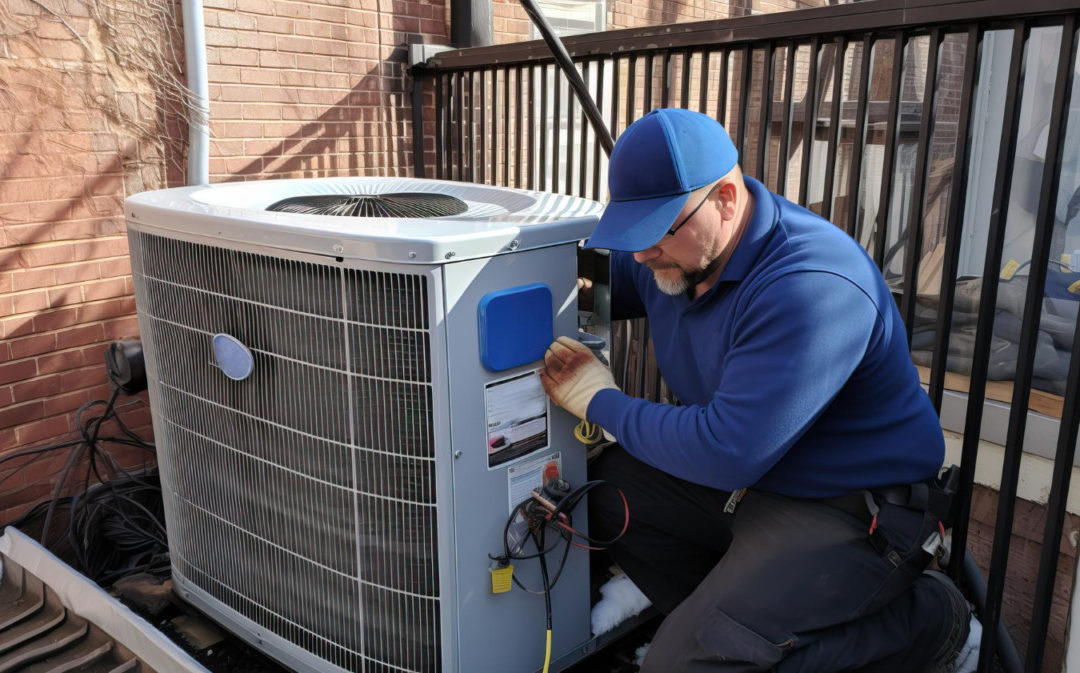
A thorough furnace tune-up goes far beyond changing filters and checking thermostats. At North HVAC Services, our qualified technicians systematically evaluate every component that affects your system’s safety, efficiency, and reliability. Understanding this process helps you recognize the difference between comprehensive service and superficial inspections.
Key Components Inspected:
- Heat Exchanger: The component that separates combustion gases from circulating air. Cracks or deterioration here can allow carbon monoxide into living spaces. This makes it a safety priority rather than just a performance concern.
- Burners and Combustion: Technicians examine burners for proper flame patterns. They clean ports that accumulate dust and debris. They verify that combustion occurs efficiently without producing excessive soot or unburned fuel.
- Blower Motor and Fan: These components circulate heated air throughout your home. Worn belts, dirty blower wheels, or failing motors reduce airflow. They also increase energy consumption.
- Thermostat Calibration: Technicians verify your thermostat accurately reflects actual room temperatures. This is a surprisingly common issue that causes systems to overwork or underperform.
Safety Checks Include:
- Carbon monoxide testing
- Gas line inspection and leak detection
- Electrical connection evaluation
- Venting system examination
Properly maintained heating systems operate more efficiently than neglected ones. This translates to noticeable utility bill reductions over a winter season.
When tune-ups reveal age-related deterioration or repeated component failures, skilled contractors help you understand the repair versus replacement decision. This includes expected remaining lifespan and comparative operating costs.
DIY Checklist Homeowners Can Do
While professional service remains important, several preparation steps fall within every homeowner’s capability. Completing these tasks gives you a head start on winter readiness. It also helps you identify potential problems worth professional attention.
Visual and Audio Inspection
Listen to Your Furnace During a Complete Heating Cycle
Normal operation produces a steady, relatively quiet hum. Different sounds indicate different problems:
- Rattling: Loose panels or hardware vibrating during operation
- Banging or booming: Delayed ignition; gas accumulating before igniting suddenly
- Whistling or squealing: Belt issues or restricted airflow through dirty filters
Visual Inspection Checklist:
□ Look for rust stains suggesting moisture problems
□ Check for soot accumulation indicating incomplete combustion
□ Examine vent pipes for signs of deterioration
□ Verify cabinet panels are secure and intact
Call for Service Immediately If You Notice:
- Gas smell (shut down system first)
- Flames burning yellow or orange instead of blue
- Cabinet itself is hot to touch
- Visible cracks in heat exchanger
Filter Replacement Protocol
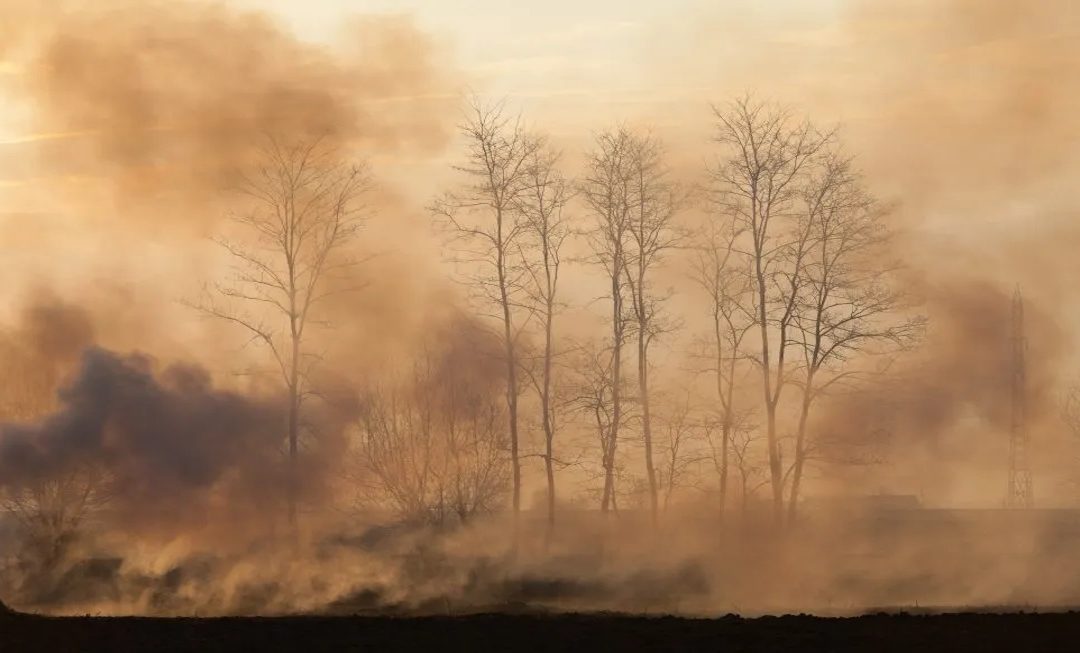
October filter changes matter more in Sonoma County than many other regions. Our extended wildfire seasons mean filters accumulate smoke particles and ash throughout summer and early fall. Starting winter with a fresh filter improves both air quality and system efficiency.
Step-by-Step Filter Replacement:
- Locate your filter (usually in the return air duct or furnace cabinet)
- Note the size printed on the filter frame
- Check the MERV rating (residential systems typically use MERV 8-11)
- Purchase the correct replacement size and rating
- Install with airflow arrows pointing toward the furnace
Filter Change Schedule for Sonoma County:
- During wildfire season: Check monthly
- During heating season: Check monthly
- Standard replacement: Every 3 months minimum
- Homes with pets or respiratory concerns: Every 1-2 months
Higher MERV ratings capture smaller particles. However, they can restrict airflow if your system isn’t designed for them. Stick with your system’s recommended rating unless a professional advises otherwise.
Thermostat Function Check
Simple Testing Steps:
- Set your thermostat to heating mode
- Raise the temperature setting several degrees above current room temperature
- Your system should respond within a minute or two
- Place an accurate thermometer near the thermostat
- Verify the displayed temperature matches reality
Differences of more than two degrees suggest calibration issues.
Thermostat Upgrade Considerations:
If you’re still using a basic manual thermostat, consider these facts:
- Programmable models typically reduce heating costs
- Smart thermostats learn your patterns automatically
- Remote adjustment capability lets you verify system operation when away
- Temperature scheduling adapts to Sonoma County’s variable climate
Clear the Perimeter
Furnaces need adequate clearance for safety and proper operation.
3-Foot Clearance Rule:
Remove anything stored within three feet of the unit:
- Holiday decorations
- Paint cans
- Cardboard boxes
- Cleaning supplies
- Anything flammable
Restricted airflow around the furnace reduces efficiency. It can create safety hazards if combustion air becomes limited. This simple step takes five minutes but prevents problems that could affect your entire winter.
Red Flags That Demand Professional Attention
Some warning signs indicate issues beyond DIY remedies. Recognizing these helps you distinguish between normal aging and problems requiring immediate professional evaluation.
Age-Related Concerns:
Systems approaching 15-20 years of service life experience increasing problems. Furnaces don’t fail suddenly after hitting some magic number. However, older systems face:
- Increasing repair frequency
- Decreasing efficiency
- Rising parts costs
- Obsolete components
If your system is 18 years old and facing a $1,200 repair, the economics often favor replacement. You’re extending life another year or two at most.
Performance Issues to Watch:
| Problem | What It Indicates |
| Uneven heating between rooms | Ductwork problems, inadequate sizing, or failing components |
| Frequent cycling (on/off repeatedly) | Thermostat issues, airflow restrictions, or mechanical problems |
| Rising energy bills (same usage) | Efficiency losses from aging or poor maintenance |
| Rooms take longer to heat | Reduced system capacity or airflow restrictions |
Safety Indicators Requiring Immediate Action:
- Gas smell: Shut down your system. Call for service before operating again.
- Yellow or orange pilot light: Indicates incomplete combustion and potential carbon monoxide production.
- Excessive dust around vents: Suggests combustion or airflow problems.
- Visible soot accumulation: Points to incomplete combustion requiring investigation.
The Repair vs. Replacement Decision:
Consider replacement when:
- Repair costs approach 50% of replacement value
- You’re facing your second or third significant repair in two years
- Your system is over 15 years old and needs major component replacement
- Energy bills have increased significantly despite similar usage
Modern systems offer substantially improved efficiency compared to units from the early 2000s. They often reduce heating costs while providing better comfort control. When the economics point toward furnace installation in Santa Rosa, CA, you also benefit from current California seismic and efficiency codes. Newer systems incorporate safety improvements and environmental standards that older units don’t meet.
At North HVAC Services, we emphasize the importance of timely heating system maintenance to prevent costly repairs and safety hazards. Recognizing age-related wear, performance issues, and warning signs like unusual odors or uneven heating helps homeowners decide between repair and replacement, ensuring efficiency, safety, and long-term comfort.
What Separates Basic Service from Comprehensive Care
Not all tune-ups provide equal value. Knowing the difference between service levels helps you evaluate proposals and choose appropriate care for your system.
Service Level Comparison:
| Basic Tune-Up | Comprehensive Inspection |
| 30-45 minutes | 90-120 minutes |
| Filter replacement | Complete component examination |
| Thermostat check | Safety system testing |
| Visual inspection | Airflow and temperature measurements |
| Limited documentation | Detailed condition report |
A basic tune-up covers surface-level maintenance. A comprehensive inspection examines every component systematically. It tests safety systems thoroughly. It measures actual performance. It documents system conditions with specific findings.
What to Look for in an HVAC Contractor in Santa Rosa, CA:
□ Valid California C-20 HVAC license
□ Current liability insurance
□ Workers compensation coverage
□ Manufacturer certifications for brands they service
□ Established local presence and references
□ Clear written estimates with detailed scope
□ Transparent pricing without pressure tactics
These aren’t just bureaucratic requirements. They indicate training, accountability, and access to technical resources when complex problems arise.
Red Flags in Service Proposals:
- Prices dramatically below market rates (often indicating rushed, superficial work)
- High-pressure tactics pushing immediate decisions
- Vague descriptions of what’s actually included
- No written estimate or scope of work
- Inability to provide insurance certificates or license verification
- Proposals based on phone description without seeing the system
As a long-established local company, North HVAC Services brings advantages beyond technical skills. After 37 years serving Sonoma County, our experience as a trusted HVAC contractor in Santa Rosa, CA, allows us to understand how different homes respond to the region’s unique microclimate. This knowledge helps anticipate issues, implement reliable long-term solutions, and ensures we stand behind our work year after year.
Take Action Before the Rush
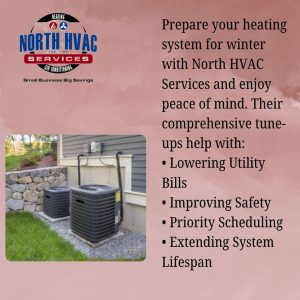
With North HVAC Services, preparing in October helps your heating system stay ready for the colder months. While others rush to schedule emergency service during the first freeze, you can stay confident knowing your system was properly maintained ahead of time. Technicians had enough time to complete the work carefully and correctly.
The cost difference between prevention and emergency response makes financial sense. But the real value comes from avoiding stress during holidays and busy winter months. For homeowners considering furnace installation in Santa Rosa, CA, early planning ensures smooth scheduling and proper system setup.
Your Next Steps:
- Complete the DIY checklist items this week
- Schedule professional inspection before November
- Address any red flags identified during your walk-through
- Consider upgrades if your system is approaching 15+ years old
We’re currently scheduling fall tune-ups with availability within days rather than weeks. Call us at (415) 845-6910 or email northhvacservices@gmail.com to reserve your appointment before the November rush begins. This is exactly the kind of flexibility that disappears once the heating season arrives in full force.
Winter will arrive whether your furnace is ready or not. The choice between proactive preparation and reactive crisis management happens now. These comfortable October days make addressing heating systems seem less urgent.
Homeowners who make this small time investment in October spend winter confident that their system will perform reliably. Others hope their luck holds through one more season. That difference in approach defines the distinction between comfortable winters and stressful ones.