Feb 25, 2026 | Furnaces, HVAC Maintenance
Why Your Furnace’s Noises Matter
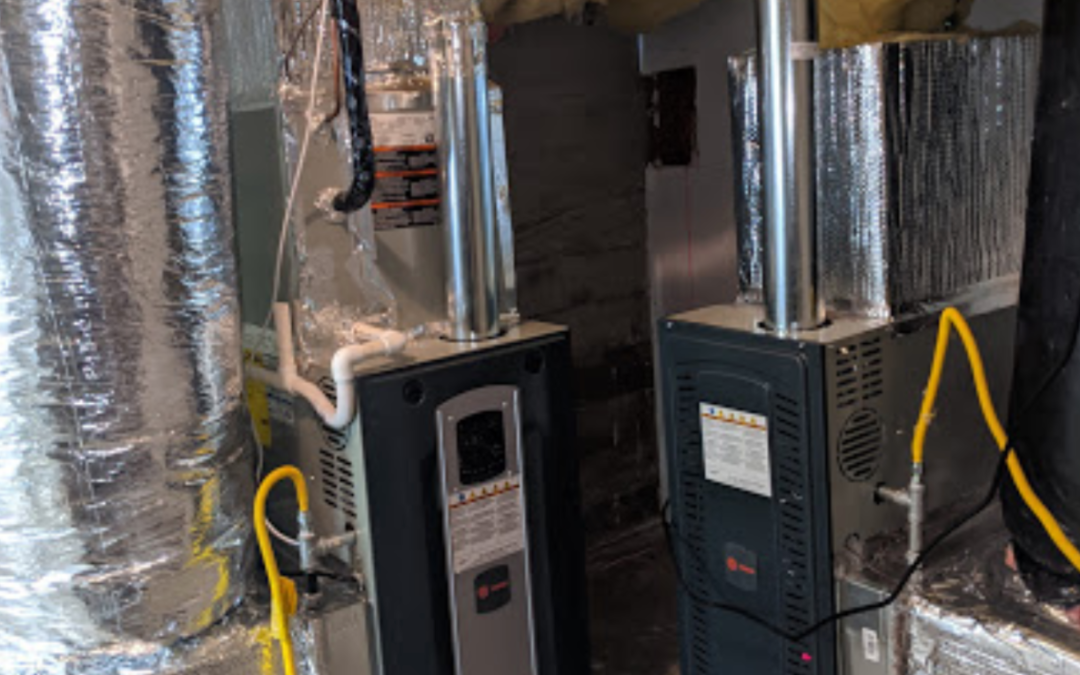
When your furnace starts making strange noises, it’s not just an annoyance; it’s a signal that something might be wrong. Furnace noise issues can indicate various underlying problems that, if left unaddressed, could lead to more significant issues or even a complete system breakdown. Understanding what these noises mean can help you take action before a minor issue turns into a costly repair. At North HVAC Services, we’re committed to helping you decipher these sounds and provide the necessary guidance to keep your furnace running smoothly.
Strange noises can be your furnace’s way of communicating issues ranging from minor annoyances to severe malfunctions. Ignoring these sounds can lead to decreased efficiency, higher energy bills, and in some cases, safety hazards. By paying attention to these noises and understanding their meanings, you can ensure a warm and safe environment in your home.
Rattling Sounds: Loose Components or Ductwork Issues?
Rattling sounds in your furnace often suggest loose components or issues within the ductwork. This noise can occur when screws, bolts, or panels become loose over time due to the vibrations of the furnace. Additionally, parts of the ductwork may have shifted or become disconnected, causing them to rattle when the furnace is operating.
For further reading, see Authority Resource from handbook.ashrae.org.
Imagine your furnace as a car engine. Just like a loose part in a car can lead to rattling, so can a furnace with unsecured components. If you hear rattling, it’s a good idea to check for any obvious loose parts. You might also consider whether the sound is coming from the ductwork itself, as this may require tightening or resealing the connections.
- Tighten any loose screws or bolts on the furnace panels.
- Inspect visible ductwork for gaps or loose connections.
- Consider professional heating system diagnostics to identify and fix the issue accurately.
Addressing these issues promptly with the help of North HVAC Services can prevent further damage and ensure your heating system operates quietly and efficiently.
Squealing Noises: Worn Belts or Motor Bearings?
A squealing noise from your furnace can be particularly alarming. This usually indicates that the blower belt is worn or the motor bearings need lubrication. Over time, belts can become brittle and crack, while bearings might lose lubrication, leading to increased friction and noise.
Think of the belt as similar to a fan belt in your vehicle. If it’s worn, it will slip and create a high-pitched squeal. Alternatively, dry bearings in the motor can cause a similar sound. It’s crucial to address these issues quickly to prevent further wear and potential motor failure.
Regular furnace maintenance and safety checks are essential in preventing these problems. During these checks, technicians can replace worn belts and lubricate motor bearings, ensuring your furnace runs smoothly. If you’re hearing these squealing noises, contacting a professional for furnace repair and troubleshooting is advisable.
Booming Sounds: Ignition Delays and Their Dangers
Booming sounds can be one of the most concerning noises coming from your furnace. This noise is typically caused by a delay in ignition, where gas builds up in the combustion chamber before igniting with a small explosion. This is not only unsettling but can also be dangerous.
Consider a gas stove where the burner doesn’t light immediately. The gas accumulates until it ignites all at once, creating a boom. In furnaces, this delayed ignition can lead to damage or even cracks in the heat exchanger, which can release carbon monoxide into your home.
- Ensure the burners are clean and free from debris.
- Check the flame sensor and ignition system for proper operation.
- Schedule regular furnace safety checks to prevent ignition delays.
If you experience booming noises, it’s crucial to contact North HVAC Services for a thorough furnace troubleshooting session to address and fix the problem safely.
Furnace Noise Issues: Persistent Clicking Sounds
Clicking noises during furnace operation can be normal to some extent, such as when the thermostat sends a signal to the furnace to start. However, persistent clicking can indicate problems such as a defective relay, issues with the ignition system, or a failing flame sensor.
Imagine your furnace trying to start up like an old car that struggles to turn over. This continuous clicking can mean the ignition system is repeatedly trying to ignite, failing each time. Not only is this a sign of inefficiency, but it can also lead to more significant problems if not addressed.
- Inspect the ignition system and flame sensor for wear or damage.
- Check the thermostat for proper operation and settings.
- Engage in regular HVAC troubleshooting to maintain system reliability.
Persistent clicking is a cue to call in professionals like those at North HVAC Services to perform a complete hvac system diagnostics and resolve the issue effectively.
Whistling Noises: Airflow Restrictions or Filter Problems?
Whistling noises are often a sign of airflow restrictions within the furnace. This can be due to dirty air filters, closed vents, or improperly sized ductwork. When air struggles to move through the system, it creates a whistling sound, much like wind squeezing through a narrow gap.
Think of a blocked straw when you try to sip a drink. The restricted flow makes a whistling sound. In a furnace, this can lead to overheating and reduced efficiency.
- Replace the air filter regularly to ensure proper airflow.
- Check all vents to ensure they are open and unobstructed.
- Consider professional furnace maintenance to assess ductwork sizing and condition.
Addressing airflow restrictions promptly can prevent further issues and improve the efficiency of your heating system. Regular furnace maintenance and safety checks are key to avoiding these problems.
Scraping Sounds: Blower Issues or Loose Fan Blades
Scraping or metal-on-metal sounds are typically indicative of blower wheel issues or loose fan blades. This noise can occur if the blower wheel becomes misaligned or if a fan blade becomes loose, scraping against other components.
Imagine a ceiling fan where one blade is loose and scrapes against the ceiling. This not only causes noise but can also lead to further damage if not corrected. Similarly, in a furnace, this scraping can cause damage to the blower assembly or other parts.
- Inspect the blower wheel for alignment and secure any loose components.
- Check fan blades for any signs of looseness or damage.
- Schedule professional heating system diagnostics to address and repair these issues.
Scraping sounds require immediate attention to prevent costly repairs. Contact North HVAC Services for expert furnace repair and troubleshooting to resolve these issues quickly.
When to Call North HVAC Services for Furnace Noise Issues
If you’re experiencing any of these strange furnace noises, it’s a clear sign that professional intervention is needed. Ignoring these sounds can lead to increased wear and tear, higher energy bills, and potential safety hazards. At North HVAC Services, we specialize in diagnosing and resolving furnace noise issues efficiently.
Our skilled technicians offer comprehensive furnace repair and troubleshooting services to ensure your system operates safely and effectively. Whether it’s a simple fix or a more complex issue, we’re here to help. Don’t wait for a small noise to turn into a significant problem.
For reliable and efficient solutions to your furnace noise issues, contact North HVAC Services today at (415) 845-6910. We’re dedicated to keeping your home comfortable and safe all year round.
Frequently Asked Questions
Why is my furnace making rattling noises when it starts up?
Rattling noises from your furnace often indicate loose components or ductwork issues. Check for any loose screws or panels that may need tightening. If you're unsure or need assistance, consider contacting North HVAC Services at (415) 845-6910 for a professional inspection.
Is it safe to use my furnace if it makes a loud banging noise?
A loud banging noise could indicate an issue with delayed ignition or expanding and contracting ductwork. It's best to turn off your furnace and have it inspected by a professional to prevent potential safety hazards or further damage.
What should I do if my furnace is making a whistling sound?
A whistling sound may suggest a clogged filter or restricted airflow. Check your furnace filter and replace it if necessary. If the noise persists, there might be an issue with the ductwork, and you should contact a professional for a thorough evaluation.
Can I fix a squealing noise coming from my furnace myself?
A squealing noise often points to issues with the blower motor or belt. While replacing a belt might be a DIY task, it's wise to consult with a professional, like North HVAC Services, to ensure the problem is accurately diagnosed and resolved.
What does a clicking sound from my furnace mean?
A clicking sound typically indicates an ignition system problem or a faulty flame sensor. It’s crucial to address this promptly to avoid furnace failure. Contact a certified technician to inspect and repair the issue to ensure safe and efficient operation.
Feb 17, 2026 | HVAC Maintenance
Preventing Unexpected Breakdowns
Regular HVAC maintenance is crucial in preventing unexpected breakdowns of your heating and cooling system. Imagine it’s the hottest day of summer in Petaluma, and your air conditioning suddenly stops working. This scenario is not only inconvenient but can also be costly and uncomfortable. By scheduling routine HVAC maintenance and tune-ups, you can significantly reduce the chances of such breakdowns.
During a maintenance check, technicians inspect and clean various components of your system. They look for wear and tear, loose connections, and other potential issues that could lead to a breakdown. For example, a clogged filter can cause your system to overwork, leading to overheating and eventual failure. By replacing or cleaning filters regularly, you ensure smooth operation.
Another common issue that maintenance can prevent is refrigerant leaks. If your system is low on refrigerant, it can’t cool your home efficiently. A professional can check for leaks and recharge the system if necessary. Regular maintenance helps catch these problems early, preventing more severe damage and costly repairs down the line.
Avoiding High Energy Bills
HVAC maintenance also plays a significant role in keeping your energy bills in check. A well-maintained system runs more efficiently, consuming less energy. Without regular maintenance, your HVAC system can lose up to 5% of its efficiency each year. This inefficiency can translate into higher energy bills, especially during peak seasons.
For further reading, see Authority Resource from the EPA.
For example, if your air conditioning unit is not cleaned regularly, dust and debris can accumulate on the coils. This buildup forces the system to work harder to cool your home, using more energy. By ensuring your system is clean and all components are working optimally, you can maintain its efficiency and avoid unnecessary increases in your energy bill.
Investing in an HVAC maintenance plan can be a smart financial decision. It includes routine checks and tune-ups, ensuring your system operates at peak efficiency year-round. This not only saves money on energy costs but also extends the lifespan of your HVAC system, providing long-term savings.
Preventing Poor Indoor Air Quality
Another critical benefit of regular HVAC maintenance is the prevention of poor indoor air quality. Your HVAC system plays a vital role in circulating and filtering the air inside your home. Without proper maintenance, the system can become a source of pollutants rather than a solution.
For instance, if the air filters are not replaced or cleaned regularly, they can become clogged with dust, pollen, and other allergens. These particles can circulate throughout your home, exacerbating allergies and respiratory issues. Additionally, a neglected system might develop mold due to moisture buildup, further diminishing air quality.
- Dust and allergens: Regular filter changes prevent accumulation.
- Mold and mildew: Proper maintenance prevents moisture-related issues.
- Odors: Clean systems reduce the presence of unpleasant smells.
North HVAC Services emphasizes the importance of air conditioning maintenance to ensure your indoor air remains clean and healthy. With regular inspections, you can breathe easy knowing your system is contributing positively to your home’s air quality.
Avoiding Costly Repairs
Preventative maintenance is key to avoiding costly repairs. When small issues go unnoticed, they can develop into significant problems that require expensive fixes. Routine HVAC maintenance helps identify and address these small issues before they escalate.
Consider a minor leak in the system’s ductwork. If left unchecked, it can lead to increased energy consumption and put additional strain on the system. Over time, this can cause more significant damage, resulting in costly repairs or even the need for a system replacement.
- Identify small issues early during routine checks.
- Prevent escalation into larger, costlier problems.
- Save money on potential major repairs or replacements.
By investing in regular maintenance with North HVAC Services, you ensure that small issues are resolved promptly, keeping your system running efficiently and saving you money on potential repairs.
Preventing System Overheating
System overheating is another issue that HVAC maintenance can prevent. Overheating can occur when components are not functioning correctly or when airflow is restricted. This can lead to system shutdowns or even fires in extreme cases.
One common cause of overheating is a blocked air filter. When airflow is restricted, the system has to work harder to maintain the desired temperature, potentially causing it to overheat. Regularly changing filters is a simple yet effective way to prevent this issue.
Additionally, HVAC system diagnostics during maintenance can identify other potential causes of overheating, such as failing components or electrical issues. Addressing these problems early can prevent further damage and ensure the safe operation of your system.
Avoiding Warranty Voids
Regular HVAC maintenance can also prevent your warranty from becoming void. Many manufacturers require proof of routine maintenance to honor warranty claims. Skipping maintenance can lead to the denial of coverage if your system requires repairs or replacement.
By maintaining a record of all maintenance activities, you can provide evidence of upkeep if needed. This documentation can be crucial in demonstrating that you have met the manufacturer’s requirements, ensuring your warranty remains valid.
North HVAC Services provides comprehensive maintenance services that not only keep your system running efficiently but also help you maintain your warranty coverage. This peace of mind is invaluable, knowing you’re protected in case of unexpected issues.
Preventing Safety Hazards
Safety is another critical concern that HVAC maintenance addresses. A neglected HVAC system can pose various safety hazards, from electrical issues to carbon monoxide leaks.
For example, a crack in the heat exchanger of a furnace can lead to carbon monoxide leakage. This colorless, odorless gas is highly dangerous and can cause serious health issues or even be fatal. Regular maintenance checks include a thorough inspection of your furnace to ensure it’s operating safely.
- Electrical safety: Identify and fix wiring issues.
- Gas safety: Prevent gas leaks and ensure proper ventilation.
- Fire safety: Reduce the risk of fires from overheating or faulty components.
By scheduling regular HVAC maintenance with North HVAC Services, you can prevent these potential safety hazards, keeping your home and family safe.
HVAC Maintenance for Consistent Comfort
Finally, HVAC maintenance is essential for ensuring consistent comfort in your home. A well-maintained system provides reliable heating and cooling, regardless of the season.
Imagine enjoying a cozy winter evening in your Petaluma home, knowing your furnace will keep you warm without fail. This reliability is a direct result of regular maintenance, which ensures all components function optimally.
By investing in ac tune-up services with North HVAC Services, you can enjoy consistent comfort year-round. Our team of experienced professionals is dedicated to keeping your system running smoothly, providing peace of mind and comfort for you and your family.
Overall, regular HVAC maintenance is an investment in your home’s comfort, efficiency, and safety. By preventing unexpected breakdowns, high energy bills, and safety hazards, maintenance ensures your system runs efficiently and reliably. Contact North HVAC Services at (415) 845-6910 to schedule your maintenance and enjoy these preventative benefits.
Frequently Asked Questions
How often should I schedule HVAC maintenance?
It's recommended to schedule HVAC maintenance at least twice a year, ideally in the spring and fall, to prepare for the heavier usage in summer and winter. Regular check-ups help prevent unexpected breakdowns and keep your system running efficiently.
What are the benefits of regular HVAC maintenance?
Regular HVAC maintenance helps prevent unexpected breakdowns, improves efficiency to lower energy bills, and extends the lifespan of your system. It ensures components like filters and refrigerant levels are checked and addressed before they cause bigger issues.
Can HVAC maintenance help reduce my energy bills?
Yes, by keeping your HVAC system well-maintained, it operates more efficiently and consumes less energy, which can reduce your energy bills. A system without maintenance can lose up to 5% of its efficiency each year.
What should I do if my HVAC system breaks down unexpectedly?
If your HVAC system breaks down unexpectedly, contact a professional HVAC service like North HVAC Services at (415) 845-6910. They can diagnose and fix the issue to restore comfort to your home.
How can I tell if my HVAC system needs maintenance?
Signs that your HVAC system needs maintenance include unusual noises, uneven heating or cooling, higher energy bills, and reduced airflow. Scheduling regular maintenance with North HVAC Services can help catch these issues early.

Feb 3, 2026 | AC Maintenance, HVAC Maintenance
The Science Behind Uneven Heating in Houses
Uneven heating in houses is a common concern for many homeowners. Often, you may find that some rooms feel like an icebox while others maintain a comfortable warmth. This issue arises due to various factors affecting how heat is distributed and retained within the home. Understanding the science behind this can help you identify the root causes and work towards effective solutions. At North HVAC Services, we recognize that achieving consistent comfort is crucial for your home environment.
Heat Distribution and Retention
The primary science behind uneven heating relates to heat distribution and retention. Heat moves from warmer areas to cooler ones, seeking to establish an equilibrium. If certain areas of your home have better heat retention, they will naturally stay warmer, while others with poor retention will feel colder. This discrepancy often leads to the sensation of uneven heating in house environments.
- Convection: Heat rises and circulates in a room, but if airflow is obstructed, some areas may not receive adequate warmth.
- Conduction: Heat loss through walls, floors, and ceilings can vary depending on materials and insulation quality.
- Radiation: Heat radiates from surfaces and can be absorbed differently based on the room’s furnishings and finishes.
External Factors
External factors like the home’s location and climate also play a significant role. In the SF North Bay area, where North HVAC Services operates, varying temperatures between seasons can affect how your heating system performs. Understanding these scientific principles provides a foundation for diagnosing and addressing uneven heating issues in your home.
Insulation Discrepancies: A Key Factor
One of the primary factors causing uneven heating in houses is the discrepancy in insulation quality and coverage. Insulation acts as a barrier to heat loss and gain, and any variation in its effectiveness can lead to significant temperature differences between rooms.
Identifying Insulation Issues
Rooms with inadequate or deteriorated insulation will lose heat more quickly, resulting in colder temperatures. This is particularly noticeable in older homes where insulation may have settled or degraded over time, according to physics.ucsc.edu. Insulation discrepancies can occur in various parts of the home, such as:
- Attics, where insulation may settle or become compacted.
- Walls, especially if the insulation was improperly installed.
- Floors above unconditioned spaces, like garages or basements.
Improving Insulation Quality
To address these issues, consider having a professional evaluation to determine where insulation improvements are needed. North HVAC Services can assist with heating system diagnostics to ensure your home is retaining heat effectively. Upgrading insulation can significantly improve the comfort levels throughout your home.
The Role of Ductwork in Temperature Variance
Ductwork plays a crucial role in distributing heated air from your furnace or heating system evenly throughout your home. When there are issues with the ductwork, it can lead to uneven heating, causing some rooms to feel like an icebox.
Common Ductwork Issues
Several ductwork issues can contribute to temperature variance:
- Leaks: Air leaks in the ductwork can lead to a loss of heated air before it reaches certain rooms.
- Blockages: Debris or obstructions in the ducts can restrict airflow, leading to underheated rooms.
- Poor Design: Incorrectly sized or designed duct systems can result in uneven air distribution.
Solutions for Ductwork Problems
To address these issues, it’s essential to have a professional assess and repair your ductwork. North HVAC Services offers hvac troubleshooting to identify and fix ductwork problems. Proper maintenance and repair can ensure that your heating system delivers consistent warmth to every room in your home.
Impact of Windows and Doors on Room Temperature
Windows and doors are often overlooked components that significantly impact room temperature. They can be major sources of heat loss, contributing to the feeling that some rooms are much colder than others.
Energy Loss Through Windows and Doors
Heat can escape through windows and doors in several ways:
- Single-pane glass: Without energy-efficient glazing, windows can allow significant heat loss.
- Poor seals: Gaps and cracks around windows and doors can lead to drafts.
- Inadequate curtains or blinds: Lack of proper window treatments can increase heat loss at night.
Enhancing Window and Door Efficiency
Consider upgrading to double or triple-pane windows and ensuring all seals are intact to reduce heat loss. Adding insulated curtains or blinds can also help retain heat. These improvements can make a noticeable difference in keeping your rooms consistently warm.
The Connection Between Room Placement and Temperature
The placement of rooms within a house can significantly affect their temperature. Certain factors related to room location can create a stark difference in warmth between different parts of your home.
Factors Influencing Room Temperature
Several factors related to room placement can influence temperature:
- Sun exposure: Rooms facing south may receive more sunlight and warmth, while north-facing rooms can be cooler.
- Proximity to heating sources: Rooms closer to the furnace or heating source may receive more heat.
- Levels of the house: Upper floors are typically warmer due to rising heat, while basements are often cooler.
Strategic Room Utilization
Understanding these factors can help you strategically utilize rooms based on their natural temperature tendencies. For example, using a south-facing room as a living area during winter can enhance comfort. North HVAC Services can help optimize your space with zoned comfort solutions to ensure each room maintains a comfortable temperature.
How HVAC System Issues Cause Uneven Heating
Problems with your HVAC system itself can also lead to uneven heating throughout your home. This can be due to a variety of mechanical or operational issues that impact the system’s ability to distribute heat evenly.
Common HVAC System Problems
Several issues with HVAC systems can lead to uneven heating:
- Inadequate system size: An HVAC system that is too small or too large for your home can lead to poor temperature regulation.
- Thermostat malfunctions: Faulty thermostats can cause inconsistent temperature control.
- Lack of maintenance: Regular hvac maintenance and tune-ups are essential for optimal performance.
Solving HVAC System Issues
Ensuring your HVAC system is properly sized and maintained is crucial for even heating. North HVAC Services provides comprehensive hvac system upgrades and maintenance to address these issues, enhancing your home’s comfort and efficiency.
Thermostat Placement and Its Effect on Room Temperatures
The placement of your thermostat can significantly impact how your heating system operates and the temperatures in different rooms. Improper placement can lead to inaccurate readings and uneven heating.
Ideal Thermostat Placement
For accurate temperature control, consider these tips for thermostat placement:
- Away from direct sunlight: Sunlight can cause the thermostat to register a higher temperature than the room’s actual one.
- Away from drafts: Drafts can lead to false readings and inefficient heating.
- Centrally located: Placing the thermostat in a central location helps it accurately gauge the home’s average temperature.
Professional Thermostat Installation
For optimal results, professional thermostat installation and replacement by North HVAC Services can ensure your system operates efficiently and maintains even temperatures throughout your home.
Solutions for Achieving Even Temperatures Throughout Your Home
Addressing uneven heating in your home involves a combination of improvements and professional services. Here are some solutions to achieve consistent temperatures:
- Upgrade Insulation: Enhance insulation in key areas to improve heat retention.
- Repair Ductwork: Ensure ducts are sealed and unobstructed for optimal airflow.
- Optimize Windows and Doors: Install energy-efficient windows and ensure proper sealing.
- Use Zoned Heating: Implement zoned comfort solutions to manage temperatures in different areas.
- Regular HVAC Maintenance: Schedule hvac maintenance and tune-ups to keep your system running efficiently.
North HVAC Services is here to help you achieve even temperatures in your home. Contact us for a free in-home evaluation to identify and resolve uneven heating issues. Call (415) 845-6910 today to learn more about how our expertise can enhance the comfort of your home.
Frequently Asked Questions
Why is one room in my house always colder than the others?
A colder room may result from poor insulation, obstructed airflow, or differences in how heat is retained. Check for drafts, ensure vents are open and unblocked, and consider adding insulation to improve heat retention.
How can I fix uneven heating in my house?
To fix uneven heating, try balancing the airflow by adjusting dampers and vents, seal any drafts, and consider upgrading insulation. Consulting with a professional like North HVAC Services can provide tailored solutions.
What role does insulation play in uneven heating?
Insulation affects how well heat is retained in each room. Poor insulation can lead to heat loss through walls and ceilings, making some areas colder. Improving insulation quality can help maintain consistent temperatures.
Can my HVAC system be the cause of uneven heating?
Yes, an improperly sized or malfunctioning HVAC system can cause uneven heating. It might not distribute air evenly or efficiently. Contacting North HVAC Services at (415) 845-6910 can help assess and address these issues.
Are there external factors that affect room temperatures?
External factors such as a home's location, surrounding climate, and sun exposure can impact room temperatures. Adjust window treatments to manage sunlight and consider weather-related adjustments to your HVAC settings.
Jan 26, 2026 | HVAC, HVAC Maintenance
The Costly Impact of Incorrect Thermostat Settings
Have you ever wondered, “why is my heating bill so high”? A significant factor could be a simple mistake with your thermostat settings. Many homeowners unknowingly set their thermostats in ways that lead to inefficient energy use, driving up utility costs. It’s easy to overlook the impact of thermostat settings, but understanding and correcting these errors can save you hundreds of dollars annually.
Incorrect thermostat usage isn’t just about comfort levels; it directly affects energy efficiency. For example, setting your thermostat too high during winter or too low during summer forces your HVAC system to work harder than necessary. This not only increases your energy bills but also strains your heating and cooling equipment, potentially leading to costly repairs or replacements.
Common Thermostat Mistakes That Drain Your Wallet
Homeowners often make several common mistakes with their thermostats that can lead to increased energy expenses. By identifying and correcting these mistakes, you can significantly reduce your heating bills.
- Setting Extreme Temperatures: Adjusting your thermostat to an extreme temperature with the hope of heating or cooling your home faster doesn’t work. Your HVAC system operates at a consistent rate, meaning it won’t heat or cool faster than its designed capacity.
- Ignoring the Thermostat’s Schedule Feature: Modern thermostats often come with scheduling features that allow you to set different temperatures for different times of the day. Ignoring this feature means your system runs constantly, wasting energy when no one is home.
- Placing the Thermostat in the Wrong Location: If your thermostat is located near heat sources or in direct sunlight, it may give inaccurate readings, causing your system to run unnecessarily.
- Not Using the Energy Saving Mode: Many thermostats have an energy-saving mode that optimizes heating and cooling cycles for efficiency. Failing to use this mode can lead to higher bills.
How Leaving Your Thermostat on ‘Auto’ Can Backfire
The ‘Auto’ setting on your thermostat is designed to automatically switch your system on and off to maintain a set temperature. While this seems convenient, it can sometimes lead to inefficiencies if not managed properly. Here’s why:
When set to ‘Auto’, your system only runs when the temperature drops below or rises above the set point. This can be energy efficient, but if your thermostat settings are not optimal, your system might cycle on and off more frequently than necessary, leading to wear and tear. Additionally, if the temperature swings are too wide, your system will work harder to catch up, increasing energy usage.
It’s important to regularly check and adjust your settings, especially during seasonal changes. A system that cycles too frequently might indicate that your home is losing heat or cool air due to poor insulation or leaks. It’s a good practice to conduct regular maintenance checks, which North HVAC Services can assist with, to ensure your system operates efficiently.
Why Ignoring Seasonal Adjustments Costs More
Many homeowners forget to adjust their thermostat settings as seasons change, which can lead to increased energy use. For instance, during winter, setting your thermostat to a lower temperature when you’re asleep or away can result in significant savings.
The U.S. Department of Energy suggests setting your thermostat back 7-10 degrees for 8 hours a day to save up to 10% a year on heating and cooling. This simple adjustment can make a substantial difference in your energy costs. If you have a programmable thermostat, take advantage of this feature to automate these changes without manual intervention.
Regularly updating your thermostat settings according to the season ensures your HVAC system doesn’t work harder than necessary. This not only saves money but also extends the lifespan of your heating and cooling equipment.
The Hidden Costs of an Outdated Thermostat
Relying on an outdated thermostat can also lead to unnecessary expenses. Older models often lack the precision and features of modern thermostats, which can result in inefficient energy use.
- Lack of Precision: Old thermostats may have inaccurate temperature readings, causing your HVAC system to run longer than needed.
- No Scheduling Features: Without the ability to program different temperatures for different times, you can’t optimize your energy use.
- Manual Adjustments: Constantly adjusting your thermostat manually can lead to inconsistent temperatures and higher energy use.
Upgrading to a new thermostat can prevent these issues. North HVAC Services offers thermostat installation and replacement, helping you choose a model that fits your needs and reduces energy consumption.
How Smart Thermostats Can Prevent Expensive Mistakes
Smart thermostats offer a solution to many of the problems associated with traditional thermostats. They provide advanced features that help manage your home’s temperature efficiently, helping to avoid costly errors.
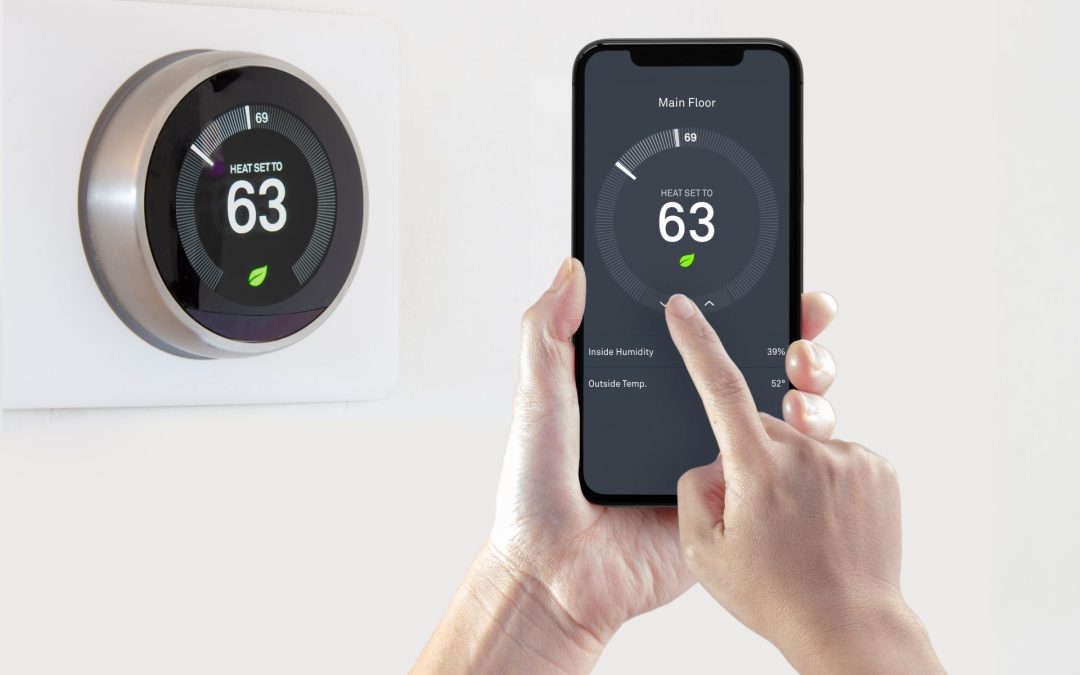
Smart thermostats learn your schedule and preferences, automatically adjusting temperatures to save energy. They offer remote control via smartphone apps, allowing you to adjust settings even when you’re not at home. This feature helps prevent energy waste by ensuring your HVAC system doesn’t run unnecessarily.
Additionally, smart thermostats provide detailed energy reports, helping you understand your energy usage patterns and identify opportunities for savings. By upgrading to a smart thermostat, you can reduce your heating bills and enhance your home’s energy efficiency.
DIY Tips to Correct Thermostat Mistakes and Save
Here are some simple steps you can take to correct thermostat mistakes and save on your heating bills:
- Set a Schedule: Use your thermostat’s scheduling feature to set appropriate temperatures for when you’re home, asleep, or away.
- Check Placement: Ensure your thermostat is placed in a location that accurately reflects your home’s average temperature, away from heat sources or drafts.
- Use Energy-Saving Modes: Activate energy-saving modes during peak usage times to reduce energy consumption.
- Conduct Regular Maintenance: Regularly check your HVAC system for issues. North HVAC Services provides furnace repair and troubleshooting to ensure your system runs efficiently.
- Consider an Upgrade: Evaluate whether upgrading to a smart thermostat could provide better energy management and cost savings.
When to Call in the Experts to Avoid Costly Errors
While there are many DIY steps you can take, sometimes professional intervention is necessary to avoid costly mistakes. If your heating bills are consistently high and DIY solutions don’t help, it might be time to consult experts.
North HVAC Services offers comprehensive HVAC system diagnostics to identify inefficiencies and recommend solutions tailored to your needs. Whether it’s a furnace installation and replacement, heat pump repair, or advice on ductless mini-split systems, our experienced technicians are here to help.
Don’t let a simple thermostat mistake cost you hundreds. Contact North HVAC Services at (415) 845-6910 for a FREE estimate and ensure your thermostat is set for efficiency and savings. For more information on energy-saving tips, visit the U.S. Department of Energy’s guide on thermostats.
Frequently Asked Questions
Why does setting my thermostat to an extreme temperature increase my heating bill?
Setting your thermostat to an extreme temperature doesn’t make your HVAC system heat or cool your home faster. Instead, it makes the system work longer, consuming more energy and increasing your heating bill.
How can I use my thermostat’s schedule feature to save on heating costs?
Utilize your thermostat’s schedule feature to automatically adjust temperatures when you’re asleep or away from home. This ensures your system isn’t working hard unnecessarily, reducing energy consumption and saving you money.
What are the best thermostat settings for winter to keep bills low?
During winter, it’s recommended to set your thermostat to 68°F when you’re home and awake, and lower it by 7-10°F when you’re asleep or away. This can significantly reduce your heating bills.
How can I tell if my thermostat is set incorrectly?
If your heating bills are unexpectedly high, review your thermostat settings to ensure they align with energy-saving recommendations. Consider consulting with a professional, like North HVAC Services in Petaluma, CA, at (415) 845-6910, for a thorough assessment.
What impact does a malfunctioning thermostat have on my energy bills?
A malfunctioning thermostat can cause your HVAC system to run inefficiently, either overworking or not working enough, leading to higher energy bills. Regularly check and maintain your thermostat to ensure it’s functioning correctly.

Jan 10, 2026 | HVAC, HVAC Maintenance
The Role of Ductwork in Indoor Air Quality
When considering the comfort and safety of your home, ductwork might not be the first thing that comes to mind. However, the condition and design of your ductwork play a significant role in maintaining indoor air quality. As a central component of your HVAC system, ductwork distributes heated or cooled air throughout your home. If these ducts are compromised, they can introduce contaminants such as dust, mold, and allergens into the air you breathe.
Properly maintained ductwork ensures that air is circulated efficiently and cleanly, enhancing the overall air quality in your home. This is particularly crucial for families with members who suffer from allergies or respiratory conditions. Regular inspections and maintenance, such as those offered by North HVAC Services, can identify issues like leaks or blockages, which can be rectified to improve air quality. Moreover, effective ductwork maintenance can enhance the longevity of your HVAC system, preventing premature breakdowns and ensuring consistent performance throughout the year.
Signs of Ductwork Issues
There are several indicators that your ductwork may be affecting your indoor air quality:
- Increased dust accumulation around vents
- Unusual odors coming from the HVAC system
- Inconsistent temperatures across different rooms
- Noticeable spikes in energy bills
Addressing these issues promptly can help maintain a healthier living environment and improve the efficiency of your heating and cooling systems. For example, if you notice a musty smell, it could indicate mold growth within the ducts, which requires immediate attention to prevent health risks. Similarly, uneven temperatures could suggest airflow problems, often due to blockages or leaks, which can be corrected with professional duct cleaning and repair services.
Health Implications of Poor Ductwork
The impact of ductwork on health is often underestimated. Poorly maintained ducts can harbor dust mites, mold spores, and other pollutants that trigger allergic reactions and respiratory issues. For individuals with asthma or other chronic respiratory conditions, exposure to these contaminants can exacerbate symptoms. For instance, children and elderly family members are particularly vulnerable, and maintaining clean ductwork can provide them with a safer environment.
Moreover, inefficient ductwork can lead to poor ventilation, which may cause a buildup of indoor air pollutants. This can result in symptoms such as headaches, dizziness, and fatigue. Ensuring your ductwork is clean and properly sealed can significantly reduce these risks. A well-maintained system will circulate fresh, clean air, reducing the likelihood of these symptoms and contributing to overall well-being.
Long-term Health Benefits
Investing in regular ductwork maintenance, like those services offered by North HVAC Services, can lead to long-term health benefits. Clean ducts ensure a steady supply of fresh air, reducing the concentration of indoor pollutants and creating a healthier home environment. This proactive approach not only improves immediate air quality but also supports long-term respiratory health. For example, regular cleaning can prevent the buildup of allergens and pathogens, providing a safer environment, particularly for those with compromised immune systems.
The Importance of Ductwork Design
Good ductwork design is essential for optimizing HVAC system performance. It ensures that air is evenly distributed throughout your home, maintaining consistent temperatures and efficient energy use. Poorly designed ductwork can lead to air leaks and uneven heating or cooling, which can affect comfort and increase energy costs.
When planning for new ductwork, consider factors such as duct size, layout, and insulation. Professional HVAC contractors, like North HVAC Services, can design and install ductwork that meets your specific needs, ensuring optimal performance and energy efficiency. They can also advise on the best materials and technologies to use, ensuring that your system remains efficient and effective in the long term.
Custom Solutions for Your Home
Every home is unique, and a one-size-fits-all approach to ductwork design can result in inefficiencies. Tailoring the ductwork design to your home’s layout and your family’s needs can enhance comfort and reduce energy consumption. By working with experienced professionals, you can achieve a balance between performance and efficiency. For instance, homes with open floor plans may require different duct configurations than those with multiple small rooms, and a custom design can accommodate these differences effectively.
Maintaining Your Ductwork
Routine maintenance is crucial to ensure your ductwork remains in top condition. Regular inspections can help identify and address potential issues before they become major problems. This includes checking for leaks, ensuring ducts are properly sealed, and cleaning to remove any accumulated dust or debris.
North HVAC Services offers comprehensive ductwork maintenance services that can help extend the life of your system and maintain high indoor air quality. These services are designed to be thorough yet minimally invasive, providing peace of mind with minimal disruption to your home. Additionally, they can provide detailed reports after each inspection, helping you understand the condition of your system and any necessary repairs or upgrades.
DIY Maintenance Tips
While professional maintenance is recommended, there are simple steps you can take between services to keep your ductwork in good condition:
- Regularly replace air filters to prevent dust buildup
- Seal any visible leaks with duct tape
- Keep vents unobstructed to ensure proper airflow
- Schedule annual HVAC system diagnostics to catch potential issues early
These small actions can make a big difference in the efficiency and effectiveness of your HVAC system. For example, changing filters every three months can prevent clogs and improve air quality, while ensuring vents are clear can enhance airflow and reduce strain on the system.
Energy Efficiency and Ductwork
The efficiency of your HVAC system is directly linked to the condition of your ductwork. Leaky or poorly insulated ducts can lead to significant energy loss, increasing your heating and cooling costs. Ensuring your ductwork is properly sealed and insulated can enhance your system’s efficiency.
Energy-efficient heating upgrades can include optimizing your ductwork to reduce energy waste. By investing in high-quality duct materials and professional installation, you can achieve better energy efficiency, contributing to lower utility bills and a reduced carbon footprint. For instance, upgrading to insulated ducts can significantly reduce heat loss in the winter and heat gain in the summer, improving overall system performance.
Environmental Benefits
Optimized ductwork not only benefits your wallet but also the environment. By reducing energy consumption, you’re contributing to a more sustainable future. North HVAC Services is committed to promoting eco-friendly practices, ensuring that your HVAC system is both efficient and environmentally responsible. Implementing energy-efficient solutions can also qualify you for local government incentives, further offsetting the costs of upgrades.
Choosing the Right HVAC Contractor
Selecting a professional and experienced HVAC contractor is crucial for ensuring your ductwork is installed and maintained correctly. A reputable contractor like North HVAC Services will prioritize quality craftsmanship and customer satisfaction.
When choosing a contractor, consider their experience, credentials, and customer reviews. North HVAC Services has over 48 years of combined experience and a strong reputation in the Sonoma and Marin county areas. This local expertise ensures that your HVAC needs are met with personalized service and in-depth knowledge of local climate conditions. Additionally, their certification from industry bodies provides assurance of their technical competence and commitment to quality.
Questions to Ask Your Contractor
When discussing your ductwork needs with a contractor, consider asking the following questions:
- What experience do you have with ductwork installation and repair?
- Can you provide references from previous clients?
- How do you ensure the quality of your work?
- What maintenance services do you offer?
These questions can help you assess the contractor’s capability and ensure they meet your expectations. A reliable contractor should be transparent in their processes, willing to provide detailed explanations, and offer a comprehensive warranty on their work.
Understanding Ductwork Costs
The cost of ductwork installation or repair can vary based on several factors, including the size of your home, the complexity of the ductwork design, and the quality of materials used. While it might be tempting to opt for the cheapest option, investing in quality ductwork can save you money in the long run through improved efficiency and reduced repair costs.
North HVAC Services offers competitive pricing and transparent estimates, ensuring you understand what you’re paying for and why. This transparency helps you make informed decisions about your HVAC system, balancing upfront costs with long-term benefits. They also offer financing options to make it easier for homeowners to invest in essential upgrades without undue financial strain.
Budgeting for Ductwork Services
When planning for ductwork services, consider setting aside a budget for regular maintenance. This proactive approach can prevent costly repairs and ensure your ductwork continues to perform efficiently. Regular check-ups and minor repairs can extend the life of your system, offering better value over time. Planning for these expenses in advance helps manage your home maintenance budget more effectively.
Take Action for Better Air Quality
Maintaining your ductwork is an essential step in ensuring a healthy and comfortable home environment. By understanding the connection between ductwork and your health, you can take proactive measures to improve air quality and system efficiency. North HVAC Services is here to assist with all your HVAC needs, offering expert advice and reliable service.
Ready to improve your home’s air quality and efficiency? Contact North HVAC Services for a free estimate at (415) 845-6910. Our team of professionals is dedicated to providing top-notch service to residents in the Marin and Sonoma counties, ensuring your home remains comfortable and safe year-round. By partnering with experts, you ensure your HVAC system receives the best care, optimizing its performance for years to come.
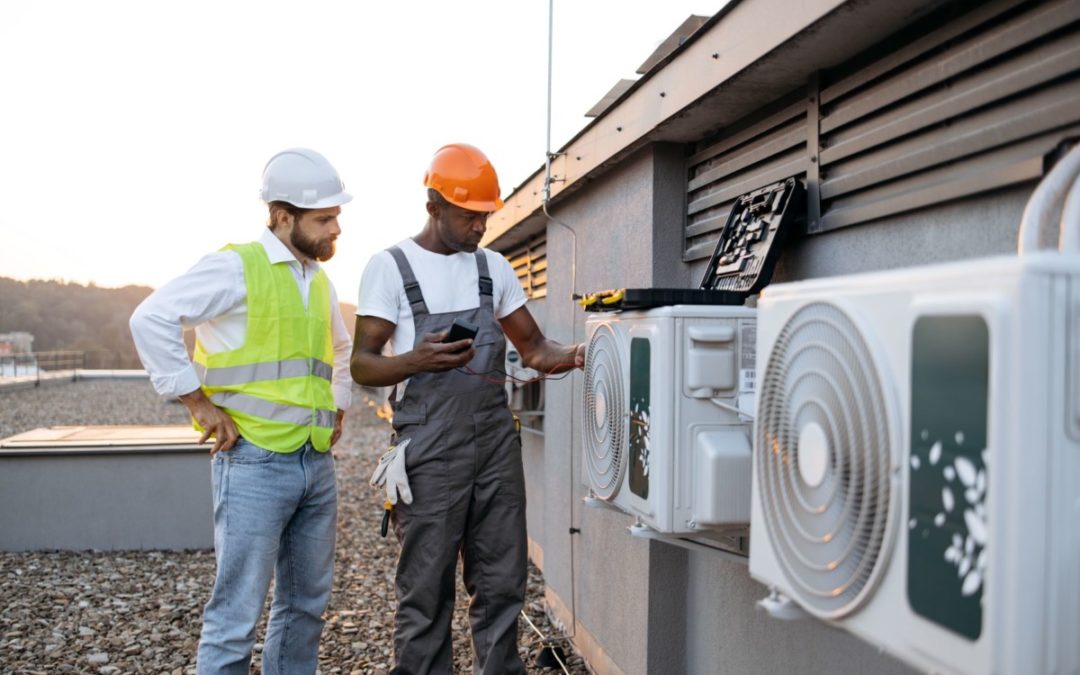
Dec 6, 2025 | HVAC, HVAC Maintenance
As a homeowner, ensuring your HVAC system is functioning optimally is crucial for maintaining a comfortable and energy-efficient home. But how do you know when it’s time to consider a complete HVAC system installation? This decision can impact your home’s comfort, energy bills, and overall air quality. Understanding the signs that indicate a need for a new system can prevent unexpected breakdowns and ensure your home remains a haven of comfort.
In this comprehensive guide, we’ll explore the key indicators that suggest it might be time to install a new HVAC system. We’ll also delve into the benefits of making this investment and offer practical advice on how to approach the process. Whether you’re dealing with an aging system or facing frequent repairs, this information will help you make an informed decision about your home’s heating and cooling needs.
Signs Your HVAC System Needs Replacement
Recognizing when your current HVAC system is no longer efficient or reliable is the first step towards ensuring your home remains comfortable year-round. Here are some common signs that it might be time to consider a complete system installation:
1. Frequent Breakdowns and Repairs
If you find yourself constantly calling for furnace troubleshooting tips or air conditioning repair, it’s a clear sign your HVAC system is struggling. Frequent breakdowns not only lead to discomfort but also result in mounting repair costs. Instead of pouring money into an aging system, it might be more cost-effective to invest in a new installation.
For example, if your furnace is over 15 years old and requires frequent repairs, it might be more practical to replace your furnace with a newer, more efficient model. Modern systems are designed to be more reliable and energy-efficient, reducing the likelihood of unexpected failures.
2. Rising Energy Bills
Another indicator that your HVAC system may need replacement is a steady increase in your energy bills. As systems age, they lose efficiency, causing them to work harder to maintain the desired temperature. This increased workload results in higher energy consumption and, consequently, higher bills.
Consider having a heating diagnostics service performed to determine if your system is the culprit behind your rising energy costs. If inefficiencies are found, it may be time to upgrade your heating system to a more energy-efficient model. Not only will this reduce your energy bills, but it will also decrease your home’s carbon footprint.
3. Uneven Heating or Cooling
If some rooms in your home are consistently warmer or cooler than others, your HVAC system might be struggling to distribute air evenly. This issue could be due to several factors, including ductwork problems or an inadequately sized system. Installing a new system that’s properly sized and configured to your home’s layout can resolve these issues, ensuring consistent comfort throughout your home.
For instance, if your current system isn’t adequately heating your home during the winter months, it might be time to explore heating options that better suit your home’s needs. Professional heating solutions can help you select a system that provides even heating and improved air distribution.
Benefits of a New HVAC System
Investing in a new HVAC system offers numerous advantages that go beyond improved comfort and reliability. Here are some key benefits to consider:
1. Enhanced Energy Efficiency
Modern HVAC systems are designed with energy efficiency in mind, utilizing advanced technology to reduce energy consumption. By upgrading your heating and cooling equipment, you can significantly lower your energy bills and enjoy a more sustainable home.
This is particularly important for homeowners in Marin and Sonoma counties, where energy efficiency is a priority. With the right energy-efficient heating system, you’ll not only save money but also contribute to environmental conservation.
2. Improved Air Quality
A new HVAC system can greatly enhance your home’s air quality. Older systems may struggle with proper ventilation and humidity control, leading to poor indoor air quality. A new installation can incorporate advanced filtration and humidity control features, ensuring cleaner, healthier air for your family.
For example, if you’ve been dealing with allergies or respiratory issues, a new system with enhanced air filtration capabilities can make a significant difference in your home’s air quality. This upgrade can lead to a healthier living environment for you and your loved ones.
3. Increased Home Value
Installing a new HVAC system can boost your home’s market value, making it more attractive to potential buyers. A modern, efficient system is a selling point that assures potential homeowners of lower maintenance and energy costs.
If you’re planning to sell your home in the near future, consider investing in a new HVAC system to enhance its appeal and increase its resale value. This strategic move can make your property stand out in the competitive real estate market.
Steps to Take Before Installing a New System
Before deciding on a new HVAC system, there are several steps you should take to ensure you make the best choice for your home:
1. Conduct a Professional Assessment
Start by scheduling a professional assessment with North HVAC Services. Our team can diagnose heating issues and help you determine the best course of action. This assessment will evaluate your current system’s performance and identify any underlying problems that may need addressing.
By having a thorough evaluation, you’ll gain a clear understanding of your home’s heating and cooling needs, allowing you to select the right system for optimal performance and efficiency.
2. Consider Your Budget and Financing Options
While a new HVAC system is a significant investment, it’s important to consider the long-term savings on energy bills and maintenance costs. Explore financing options that can make this investment more manageable for your budget.
Many HVAC companies offer financing plans that allow you to spread the cost over time, making it easier to upgrade your system without financial strain. Be sure to discuss these options with your chosen provider to find a plan that suits your needs.
3. Choose the Right System for Your Home
When selecting a new HVAC system, consider factors such as the size of your home, climate conditions, and your comfort preferences. Consult with HVAC professionals to explore heating options and air conditioning replacement models that align with your requirements.
For example, if you’re looking to install your air conditioner, make sure to select a unit that can adequately cool your home without overworking, ensuring efficiency and longevity.
Final Thoughts
Deciding to install a new HVAC system is a substantial decision that can greatly enhance your home’s comfort and efficiency. By recognizing the signs of an aging system, understanding the benefits of a new installation, and following the necessary steps before making a purchase, you can make an informed choice that meets your home’s needs.
At North HVAC Services, we’re committed to providing expert guidance and top-quality HVAC solutions to homeowners in Marin and Sonoma counties. If you’re considering a new HVAC system, contact us today to discuss your options and ensure your home remains a comfortable, energy-efficient haven for years to come.